




Keeping Ice Cream Cold’s Especially Important This Month
Barry, a Ralphs driver, rejected a load because it was too warm. He was especially conscientious, but his action exemplifies care shown by workers all along the "cold chain."

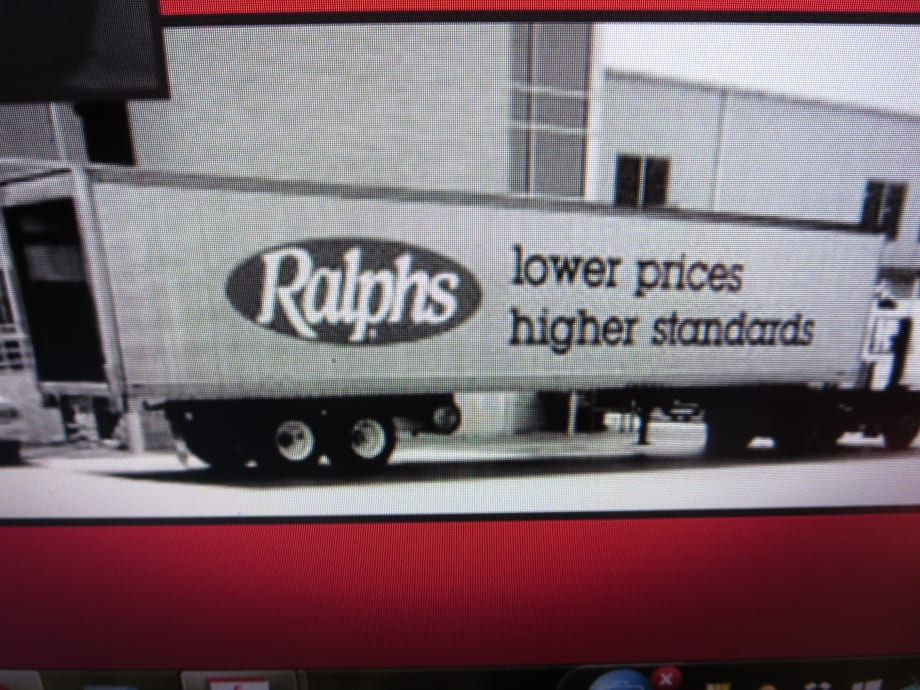
For many years, Ralphs rigs have carried all manner of foodstuffs to the chain's stores throughout southern California. It's now owned by Kroger. Image: Ralphs Grocery Co.
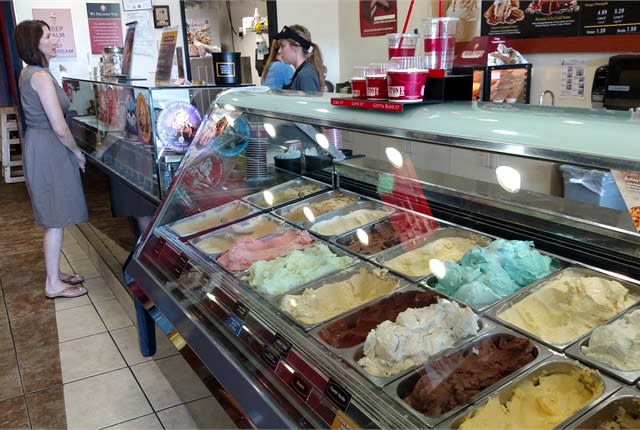
Delightful choices await customers at Cold Stone Creamery in Westerville, Ohio. Photo: Tom Berg
Alert! This is National Ice Cream Month! It has been since 1984, when President Ronald Reagan signed a proclamation making it so. He also declared the third Sunday in July – which just floated by – as National Ice Cream Day. Thus Mr. Reagan accomplished more than spending so much on armaments that the Soviets couldn’t keep up, and their system broke down, ending the Cold War.
Speaking of cold, ice cream is a happy food, but only if it stays properly frozen at all stages of its manufacture, storage and transit. That reminds me of a story related about 25 years ago by a driver for Ralphs Grocery in the Los Angeles Basin. Barry (his real name) said he backed a reefer trailer into a dock at a cold storage warehouse, where he was picking up a load of ice cream.
“I carry a thermometer to stick loads like that,” he said. “Most other drivers don’t, but I do. So before I let the forklift driver start loading my trailer, I stuck the load on a pallet” -- probed between boxes, I think he meant – “and it came up too warm. I stuck some others, and the same thing. So I rejected the load.”
I don’t recall the numbers, but I think ice cream is supposed to leave a warehouse at minus 10 to minus 20 degrees or so. This load was closer to zero, and a trailer’s reefer unit is not designed to pull down temperatures in the deep-freeze range, and Barry wasn’t about to take the heat if a load was turned away by a receiving clerk at a Ralphs store.
At the warehouse, “The guy moaned, but I told him, ‘Now you know and I know what you’re gonna do with this load,’” he said. “’You’re gonna move it to the coldest spot in the freezer, and it’s gonna get harder and in maybe eight hours, you’ll bring it out and ship it. But I can’t take it as it is now.’”
For many years, Ralphs rigs have carried all manner of foodstuffs to the chain's stores throughout southern California. It's now owned by Kroger. Image: Ralphs Grocery Co.
Thanks to drivers like Barry and workers all along the “cold chain,” there have been very few if any instances of food spoilage, say people in that business. Contamination, yes, and those cases are usually traced to tainted processing equipment or farm workers’ soiled hands. But thanks to vigilance and modern equipment, food safety during transport has a very good record.
It’s likely to stay that way because the federal government has promulgated a long list of new requirements for handling and monitoring food while it’s in transit, and some have already gone into effect. That’s been a hot topic among refrigerated carriers and makers of reefer equipment.
Anyway, when you go to your favorite store for a package of ice cream, or to your favorite shop for an ice cream cone and dish of the delicious stuff, you can be assured that it’s healthy in condition, and never mind the calories.
If you didn’t make that visit on Sunday, don’t fret. Many shops and restaurants are offering free or discounted deals on helpings of ice cream and other sweets throughout the month. I went on-line and found this list. Get yours while they’re… cold.
More Blog Posts
Pulsing Back-of-Trailer Lamps Aim to Prevent Crashes
Can the addition of a pulsing brake lamp on the back of a trailer prevent rear-end collisions? FMCSA seems to think so, if its exemptions are any indication.
Read More →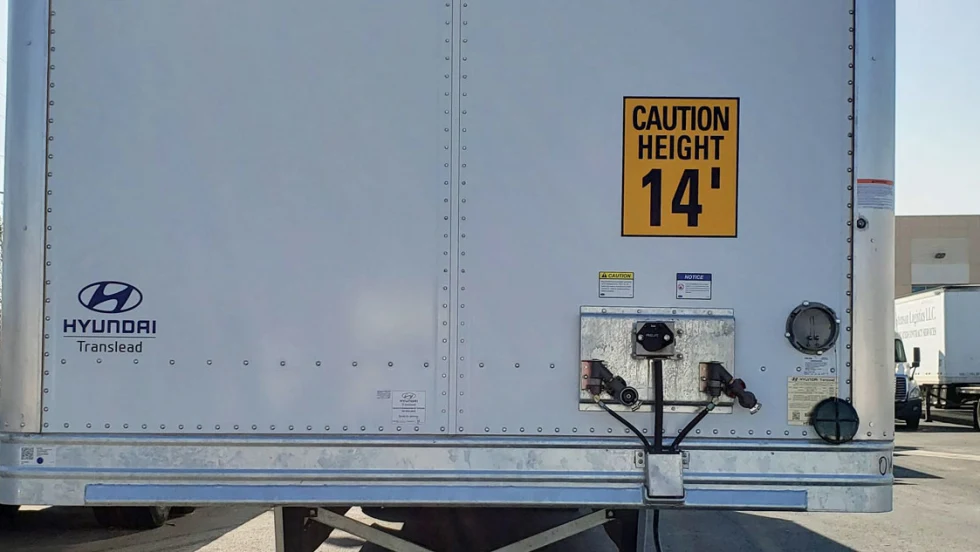
Designing a 14-Foot Trailer
Trailers are 13 feet, 6 inches high, right? Not for Hub Group, which developed a special 14-foot-high trailer spec for a dedicated customer based in California. Learn more in the Trailer Talk blog.
Read More →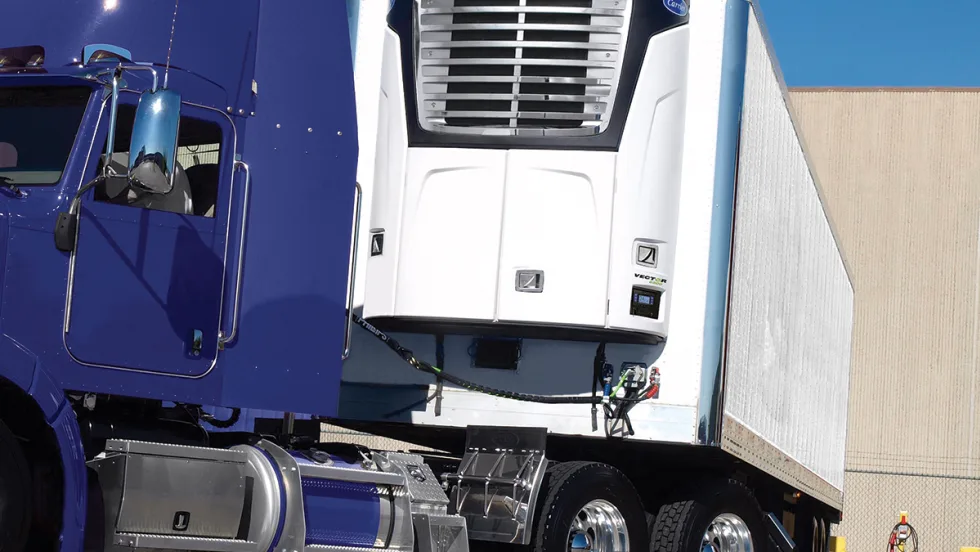
CARB Comes for Reefer Trailers
A new round of emissions control regulations decreed by the California Air Resource Board will begin affecting refrigerated trailer and TRU design and operations next year.
Read More →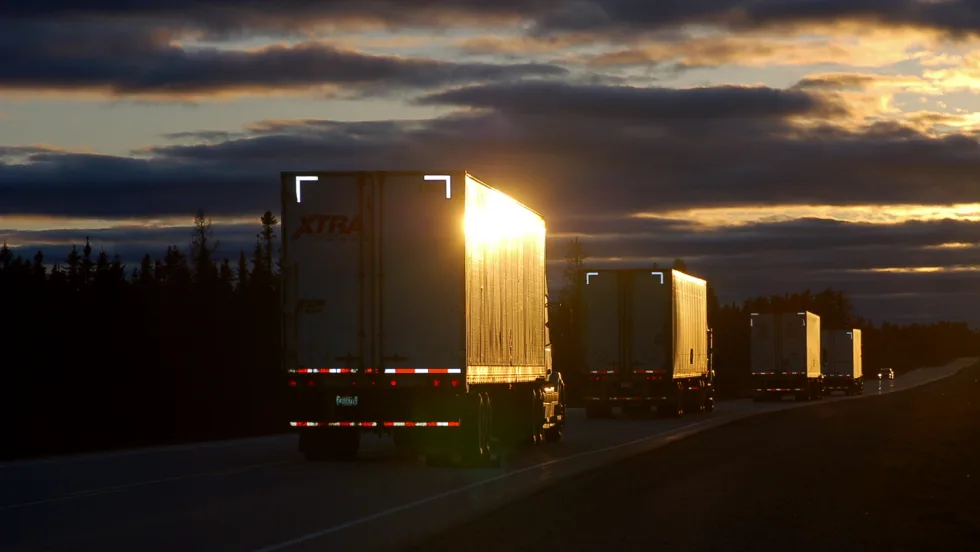
5 Ways Data Analysis Maximizes the Value of Trailer Telematics
Are you getting the most out of your trailer telematics investment?
Read More →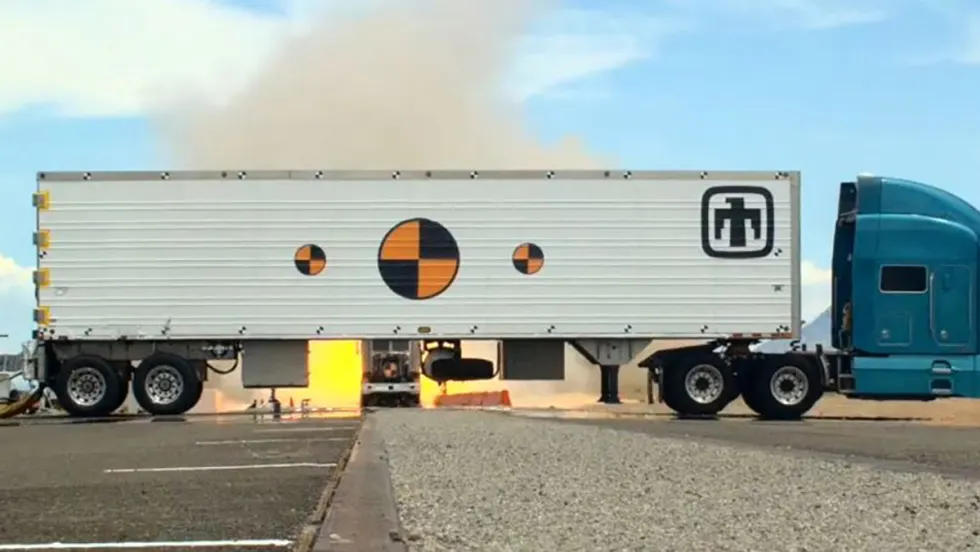
Can You Guess What's in That Trailer?
You don’t always know what’s in the trailers that pass you on the road. But some of those trailers are carrying something a little more dangerous that frozen food or new bedding…like, maybe, a nuclear weapon. But this isn’t an ordinary trailer; this is a trailer specifically made to not only carry this type of payload, but protect it at all costs.
Read More →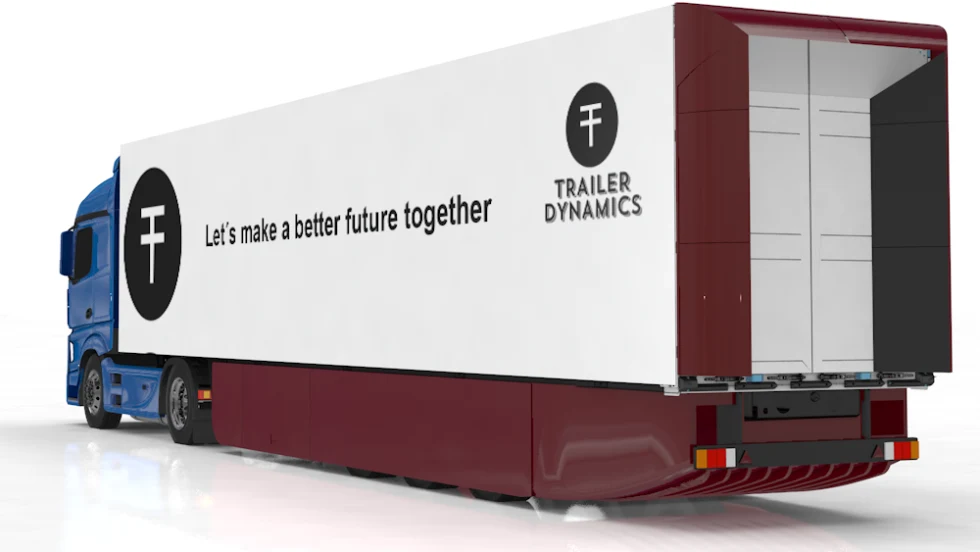
How Trailers Are Harnessing 'Free' Energy
Can trailers play a more active role in sustainable transport beyond aerodynamic add-ons or low-rolling-resistance tires? Some companies think so.
Read More →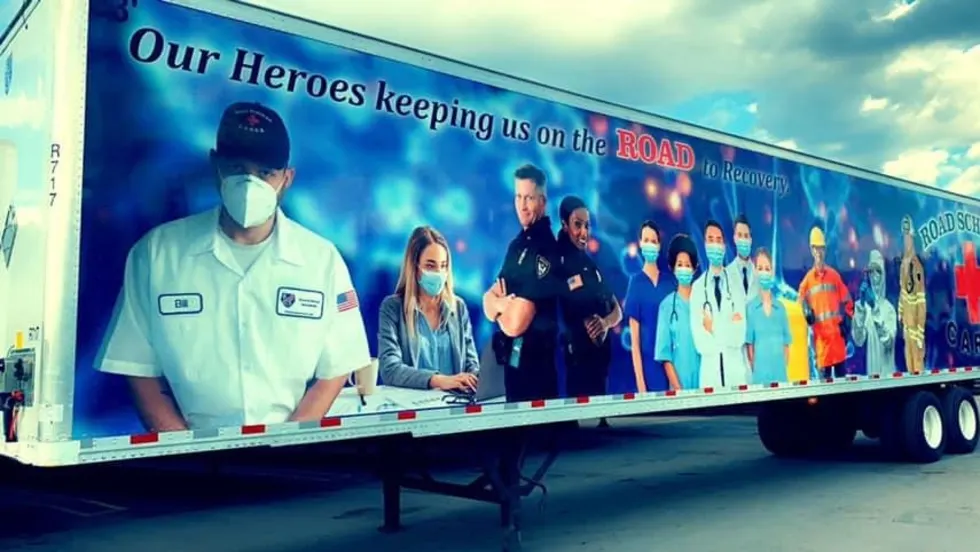
Wrapping a Trailer for COVID’s Everyday Heroes
“We don’t only deliver freight. We deliver awareness.” That’s what Jim Barrett, president and CEO of Road Scholar Transport, likes to say about the Dunmore, Pennsylvania-based carrier’s “awareness fleet.” Its latest trailer wrap honors the everyday heroes of the pandemic.
Read More →
How a Tanker Fleet is Using Unorthodox Trailer Lighting to Fight Rear-End Collisions
Groendyke Transport watched the number of rear-end collisions with its trailers rise steadily until it tried an unorthodox and then unapproved method of alerting following drivers that its trucks were applying brakes and slowing down.
Read More →
The Role Trailers are Playing in COVID-19 Funerals
In places such as New York City and Detroit, overwhelmed hospitals and mortuaries are using refrigerated trailers to store the bodies of people killed by COVID-19.
Read More →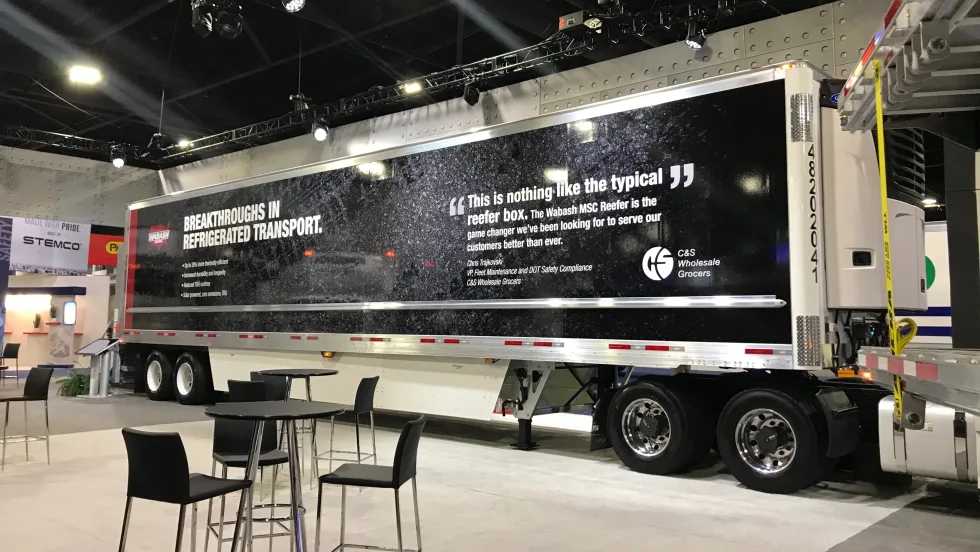
Reefer Trailer Aims to Help Reach Zero Emissions
Wabash National is partnering with C&S Wholesale Grocers to test a new type of zero-emissions refrigerated trailer.
Read More →