





Related: Organizers Pronounce Inaugural NACV Show Success, Plan for 2019
Interesting Equipment at the New Atlanta Show
Whether or not North America needed another truck show, based on attendance and quality of exhibitors, the new NACV is likely to have a real future.
October 6, 2017
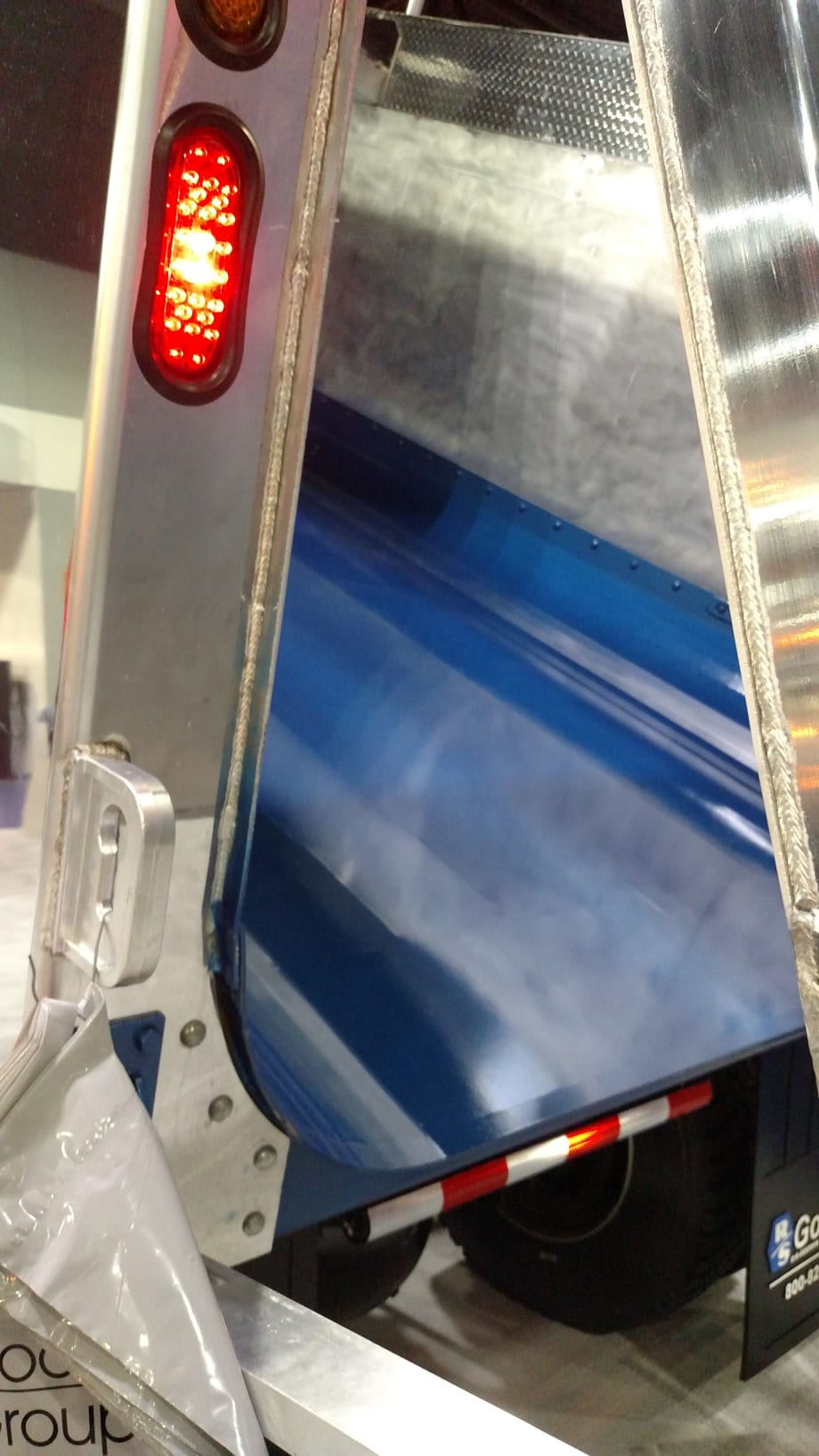
Floor, front wall and hoist well of the Godwin dump are formed of abrasion-resistant Hardox 450 steel. Sidewalls and most structural members are of aluminum.
3 min to read
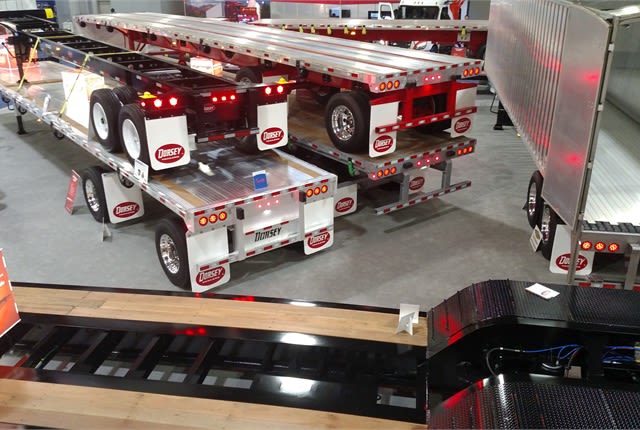
Dorsey showed a van and a container chassis, as well as flatbeds and lowboys. So the NACV show was about more than freight hauling. Photos: Tom Berg
By now you’ve probably heard about the inaugural North American Commercial Vehicle Show in Atlanta, and that attendance was good and exhibitors were plentiful. I headed down there with the belief that we don’t need another truck show, but came away thinking that this was a quality production that has a future.
The NACV show will be held every two years, alternating with the huge IAA show in Hannover, Germany. That’s important to certain truck builders, and might or might not mean something to truck users and buyers in Canada, Mexico, and the USA. This show’s focus was on fleet executives and managers rather than the drivers and owner-operators who attend the Mid-America Trucking Show – MATS – in Louisville.
The apparent success of the first NACV show could mean that the truck original equipment manufacturers that pulled out of MATS will stay out. Did it deserve to be jilted by the OEMs? Who knows? Do drivers and O-Os deserve to be forsaken? No. But I will note that Daimler, which instigated this big change in preferred shows, let Freightliner set up a large MATS booth dedicated to drivers, so didn’t forget them. If another of the absent OEMs did that, I didn’t see it.
Of course, Kenworth and Peterbilt exhibited at MATS this year and were not at NACV. There are many business considerations and industry politics involved in the pullout from MATS and starting of NACV, but let’s put them aside. Because there was a lot of equipment to be seen in Atlanta, and of course I tried to focus on trailers.
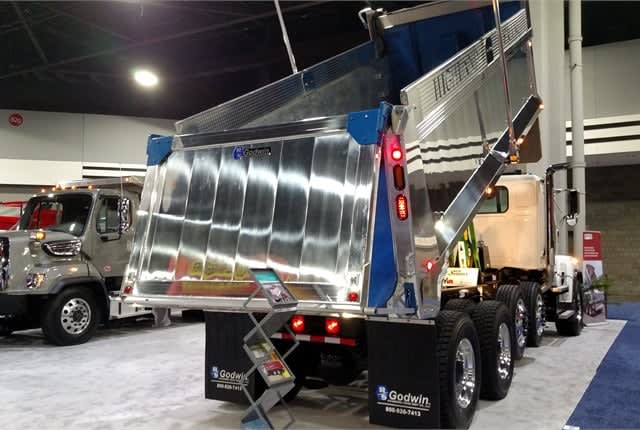
At first glance, this Godwin dump body appeared to be another aluminum unit. But it's a "Hybrid" that also uses high-strength steel, allowing considerable hauling flexibility.
I was surprised to see large displays of lowboys and flatbeds when I thought that this would be a show aimed more at freight haulers who’d be looking at vans and reefers, though they were there, too. And there were quite a few dump trucks being shown off.
For instance, East and Mac, two dominant players in the aluminum dump and flatbed business, had big booths at opposite directions in the hall – appropriate, because they are fiercely competitive and executives from one would rather not have the other’s in sight when trying to make sales pitches. I wouldn’t either. But they've been placed very closely at MATS.
Floor, front wall and hoist well of the Godwin dump are formed of abrasion-resistant Hardox 450 steel. Sidewalls and most structural members are of aluminum.
I’ll zero in quickly on one product, from a relatively small supplier, Godwin Truck Body. It combined aluminum and high-strength steel to form a “Hybrid” dumper that’s light in weight but can take a bigger beating than aluminum alone. Hardox 450 formed the floor, front wall and hoist well, which bear the brunt of impacts from rock and other abrasive commodities, while sidewalls and the tailgate were fashioned of aluminum.
This means the body can haul asphalt one day and large-diameter aggregates the next, or both in the same day. That’s flexibility that allows a truck to earn more revenue from more sources. Combo flatbeds, with steel frames and aluminum beds, are common, but this is the first combo dumper I can recall seeing.
In the next one or two blogs I’ll describe other interesting equipment I saw at the NACV show. Stay tuned.
Subscribe to Our Newsletter
More Blog Posts

Pulsing Back-of-Trailer Lamps Aim to Prevent Crashes
Can the addition of a pulsing brake lamp on the back of a trailer prevent rear-end collisions? FMCSA seems to think so, if its exemptions are any indication.
Read More →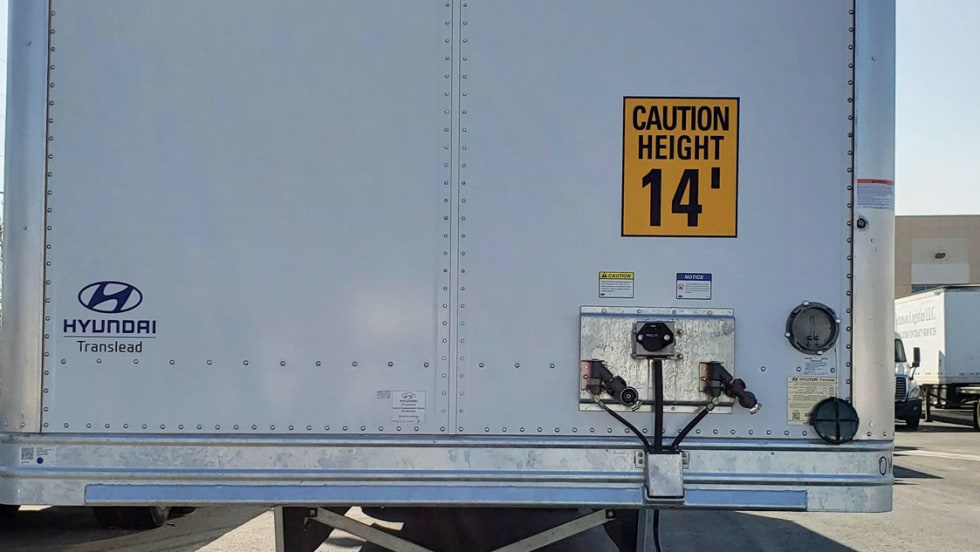
Designing a 14-Foot Trailer
Trailers are 13 feet, 6 inches high, right? Not for Hub Group, which developed a special 14-foot-high trailer spec for a dedicated customer based in California. Learn more in the Trailer Talk blog.
Read More →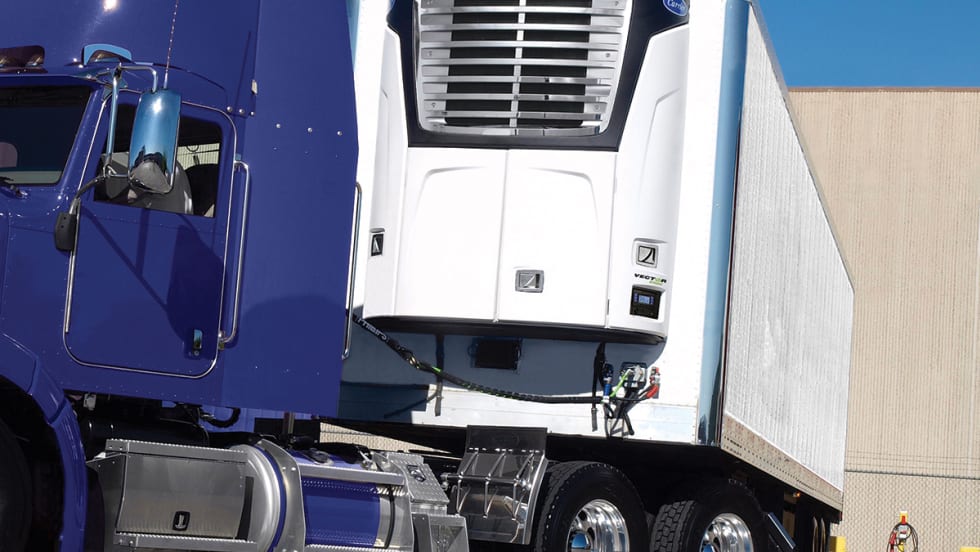
CARB Comes for Reefer Trailers
A new round of emissions control regulations decreed by the California Air Resource Board will begin affecting refrigerated trailer and TRU design and operations next year.
Read More →
5 Ways Data Analysis Maximizes the Value of Trailer Telematics
Are you getting the most out of your trailer telematics investment?
Read More →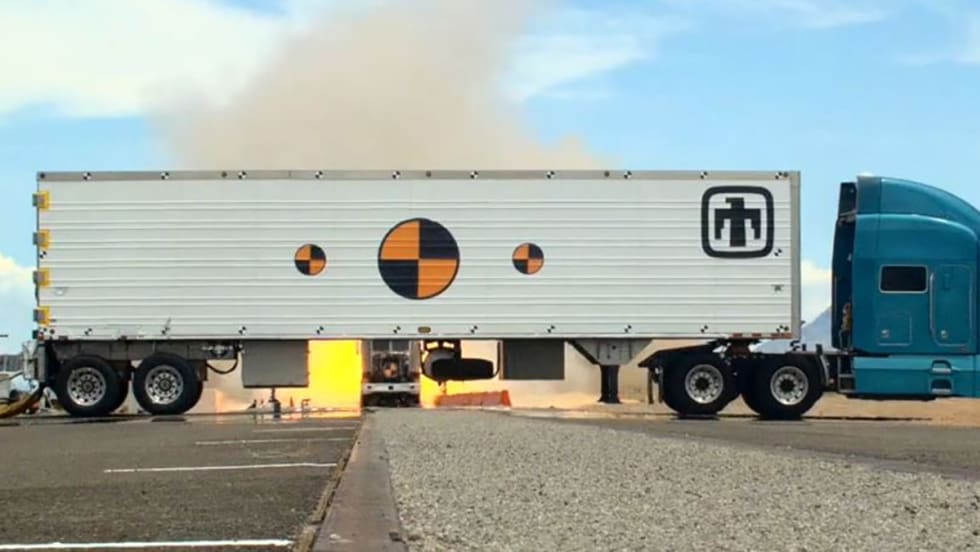
Can You Guess What's in That Trailer?
You don’t always know what’s in the trailers that pass you on the road. But some of those trailers are carrying something a little more dangerous that frozen food or new bedding…like, maybe, a nuclear weapon. But this isn’t an ordinary trailer; this is a trailer specifically made to not only carry this type of payload, but protect it at all costs.
Read More →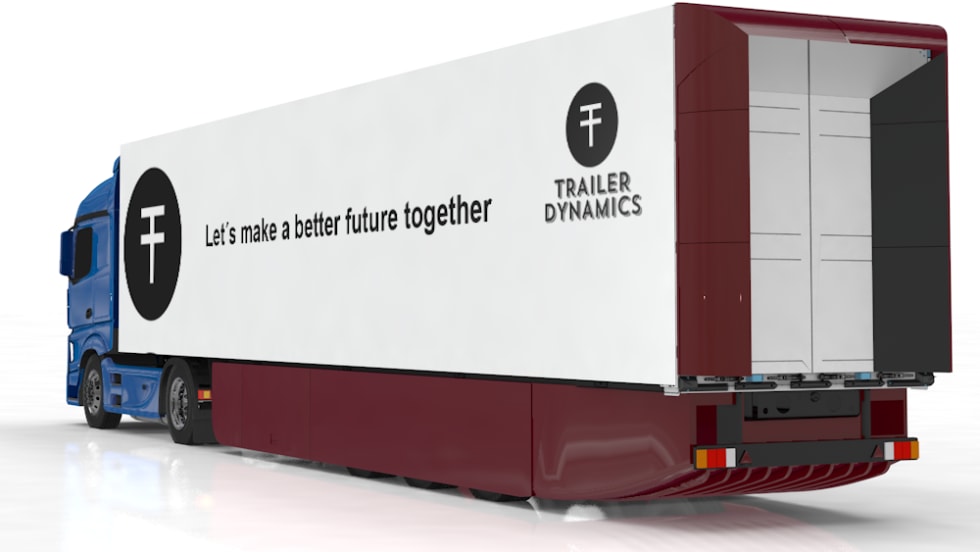
How Trailers Are Harnessing 'Free' Energy
Can trailers play a more active role in sustainable transport beyond aerodynamic add-ons or low-rolling-resistance tires? Some companies think so.
Read More →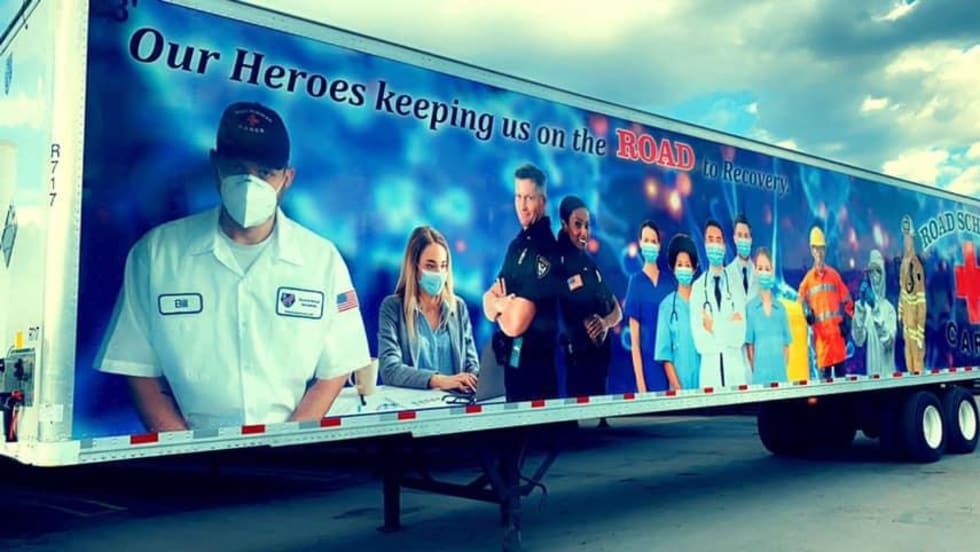
Wrapping a Trailer for COVID’s Everyday Heroes
“We don’t only deliver freight. We deliver awareness.” That’s what Jim Barrett, president and CEO of Road Scholar Transport, likes to say about the Dunmore, Pennsylvania-based carrier’s “awareness fleet.” Its latest trailer wrap honors the everyday heroes of the pandemic.
Read More →
How a Tanker Fleet is Using Unorthodox Trailer Lighting to Fight Rear-End Collisions
Groendyke Transport watched the number of rear-end collisions with its trailers rise steadily until it tried an unorthodox and then unapproved method of alerting following drivers that its trucks were applying brakes and slowing down.
Read More →
The Role Trailers are Playing in COVID-19 Funerals
In places such as New York City and Detroit, overwhelmed hospitals and mortuaries are using refrigerated trailers to store the bodies of people killed by COVID-19.
Read More →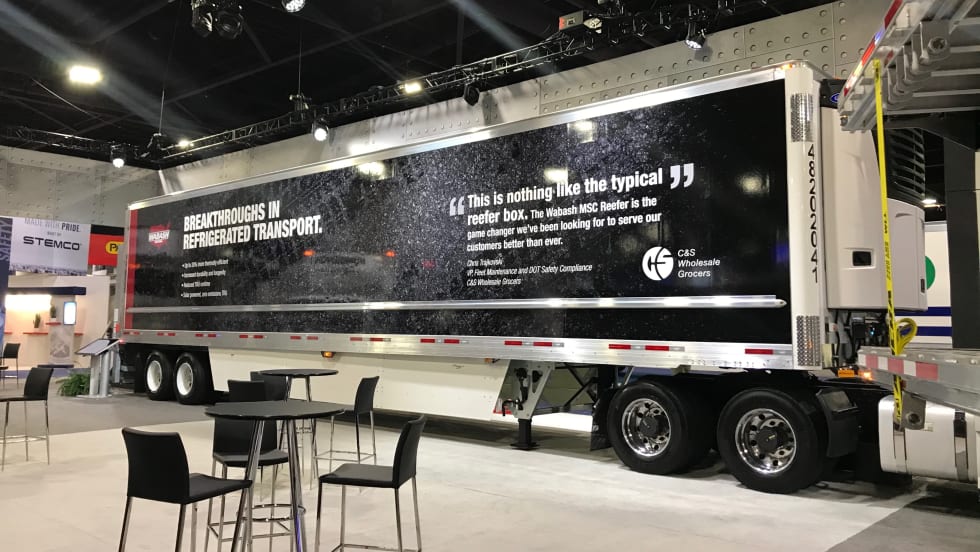
Reefer Trailer Aims to Help Reach Zero Emissions
Wabash National is partnering with C&S Wholesale Grocers to test a new type of zero-emissions refrigerated trailer.
Read More →