





Related: Why Your Electrical Maintenance Program is More Important Than Ever
Higher Voltages Coming and Maybe More Wiring Colors
Future multi-voltage electrical systems have engineers are working on new standards for wiring, reports Senior Contributing Editor Tom Berg.
December 27, 2018

Photo via Prestolite Wire
3 min to read
Multiple-voltage electrical systems for trucks and possibly trailers are on the horizon, even if they seem to recede into the future. I recall sitting through sessions at TMC meetings 10 and more years ago, during which 48-volt circuits were discussed and predicted. With the notable exception of hybrid-electric cars and trucks, which generally use 12- and 400- to 460-volt systems, multi-voltage systems still haven’t arrived,
But “they’re coming,” insists Fred Kelley, an electrical engineer active in TMC — the Technology & Maintenance Council of ATA — and the Society of Automotive Engineers. He’s Americas R&D director for the Prestolite Wire arm of Prysmian Group, which needs to stay ahead of any developments in automotive electrical systems. So he and others in the business are updating present standards and writing new ones.
Voltages higher than 12 will be needed to handle greater electrical demands on trucks and possibly trailers. Military trucks have long used 24 volts for operating reliability, but engineers working on civilian vehicles are talking about going to 48 volts, and perhaps beyond, for some systems, but staying with 12 volts for lighting. Thus the “multi” in the term.
Temperature-controlled trailers with refrigeration units having “standby” electric-power capability have two circuits. One is the common 12 volts for lights, ABS and so forth, and the other ranges from 120 to 480 volts for the reefer. Fewer than 2% of trailers now on the road are so equipped, but more will be as California and other states demand clean operation of reefer units while trailers are parked, according to reefer manufacturers.
Identification of voltages and circuits is the primary concern of Kelley and his colleagues. He is chairman of SAE’s Cable Standards and Truck & Bus Electrical Systems committees, and a member of TMC’s S.1 Electrical study group. Identification is done with colors, striping and sometimes printed coding. Bright orange is now used for high-voltage wiring in hybrid vehicles and the cables for standby reefers.
Orange is one of 14 colors now defined by SAE, Kelley says, and each has a certain purpose. Future higher-voltage electrical systems might use one or more of them, or the SAE committee might designate new colors, Kelley says. He’s sponsoring a new SAE document on identification and voltages, J3176, and helping to write a new yet-to-be-named TMC recommended practice that will deal with voltages up to 1,000 and higher. Meanwhile, the current RP-110 is being revised.
“Colors are a big deal,” he says. “Colors can fade, but if they’re inside a wiring loom, they will stay bright…. Should a loom be specially identified if there’s more than one voltage inside, not just 12 volts?” Likewise for alpha-numeric codes and stripes that ID various circuits; they too can fade, so better protection against the sun's UV rays might be in order.
“Most changes in electrical systems will be in trucks, but they may migrate to trailers,” Kelley says. “It’ll take a long time because there are so many trailers in the fleet” and operational flexibility demands standardization, which is disrupted by change. Among possible trailer-related changes is a new connector to replace or supplement the existing seven-way cable.
How long is a long time? “Several horizons,” he quipped.
Subscribe to Our Newsletter
More Blog Posts

Pulsing Back-of-Trailer Lamps Aim to Prevent Crashes
Can the addition of a pulsing brake lamp on the back of a trailer prevent rear-end collisions? FMCSA seems to think so, if its exemptions are any indication.
Read More →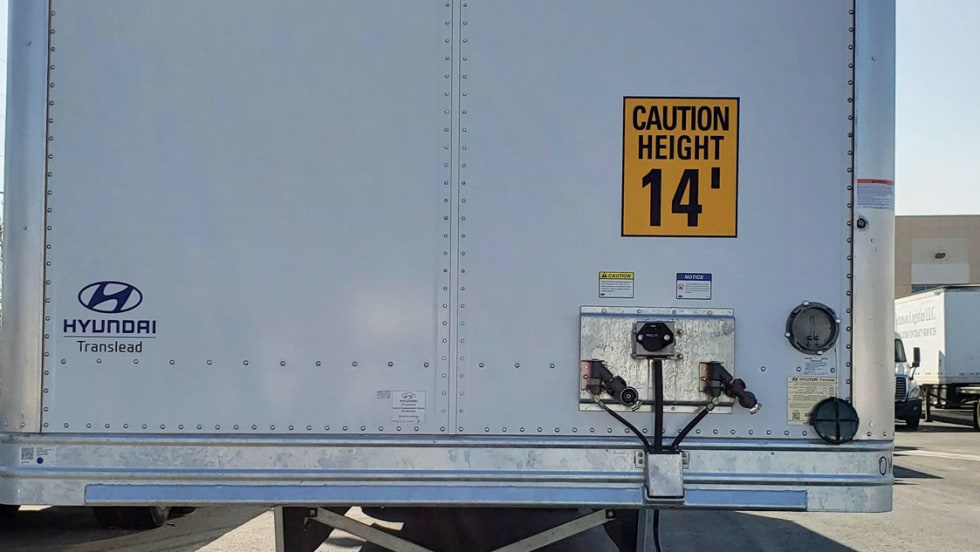
Designing a 14-Foot Trailer
Trailers are 13 feet, 6 inches high, right? Not for Hub Group, which developed a special 14-foot-high trailer spec for a dedicated customer based in California. Learn more in the Trailer Talk blog.
Read More →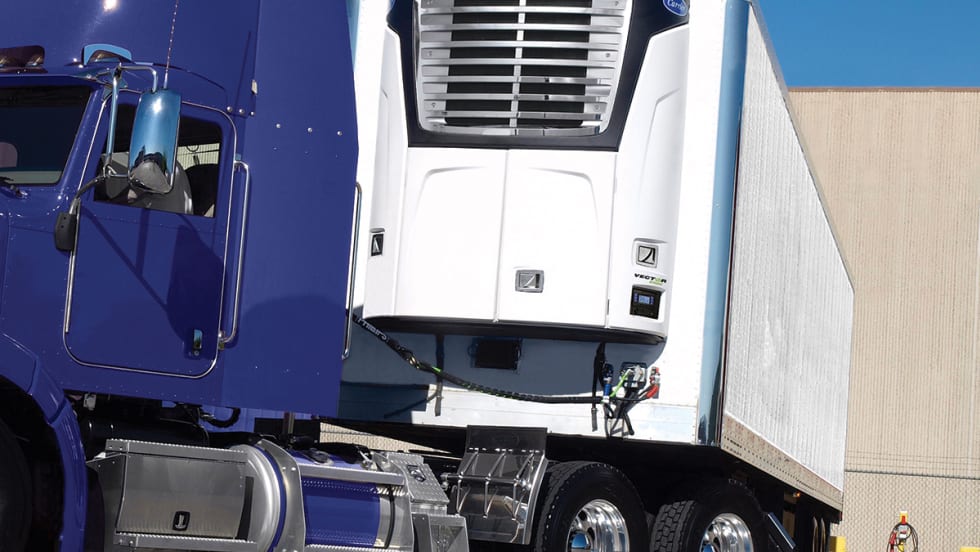
CARB Comes for Reefer Trailers
A new round of emissions control regulations decreed by the California Air Resource Board will begin affecting refrigerated trailer and TRU design and operations next year.
Read More →
5 Ways Data Analysis Maximizes the Value of Trailer Telematics
Are you getting the most out of your trailer telematics investment?
Read More →
Can You Guess What's in That Trailer?
You don’t always know what’s in the trailers that pass you on the road. But some of those trailers are carrying something a little more dangerous that frozen food or new bedding…like, maybe, a nuclear weapon. But this isn’t an ordinary trailer; this is a trailer specifically made to not only carry this type of payload, but protect it at all costs.
Read More →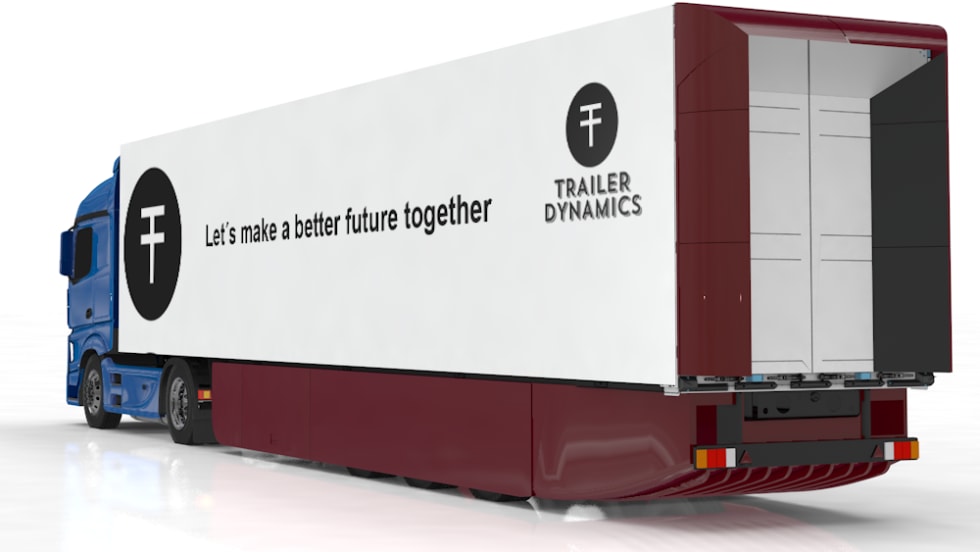
How Trailers Are Harnessing 'Free' Energy
Can trailers play a more active role in sustainable transport beyond aerodynamic add-ons or low-rolling-resistance tires? Some companies think so.
Read More →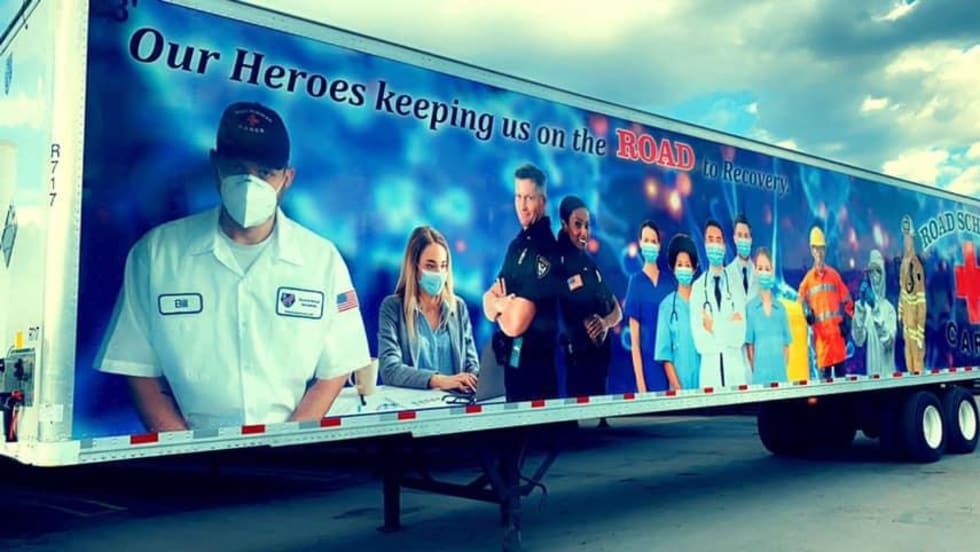
Wrapping a Trailer for COVID’s Everyday Heroes
“We don’t only deliver freight. We deliver awareness.” That’s what Jim Barrett, president and CEO of Road Scholar Transport, likes to say about the Dunmore, Pennsylvania-based carrier’s “awareness fleet.” Its latest trailer wrap honors the everyday heroes of the pandemic.
Read More →
How a Tanker Fleet is Using Unorthodox Trailer Lighting to Fight Rear-End Collisions
Groendyke Transport watched the number of rear-end collisions with its trailers rise steadily until it tried an unorthodox and then unapproved method of alerting following drivers that its trucks were applying brakes and slowing down.
Read More →
The Role Trailers are Playing in COVID-19 Funerals
In places such as New York City and Detroit, overwhelmed hospitals and mortuaries are using refrigerated trailers to store the bodies of people killed by COVID-19.
Read More →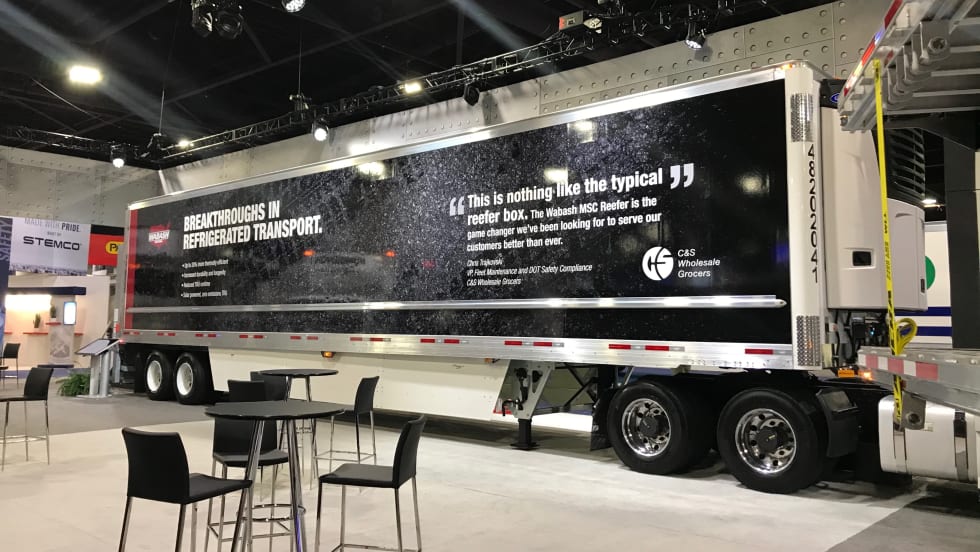
Reefer Trailer Aims to Help Reach Zero Emissions
Wabash National is partnering with C&S Wholesale Grocers to test a new type of zero-emissions refrigerated trailer.
Read More →