





Related: Bridge Ahead! Why Some Drivers See it, and Some Don't
High-Tech Sign Now Warns of Low Bridges
Laser beams should spot too-tall trucks and a flashing message will alert errant drivers, reports Senior Contributing Editor Tom Berg.
October 30, 2018
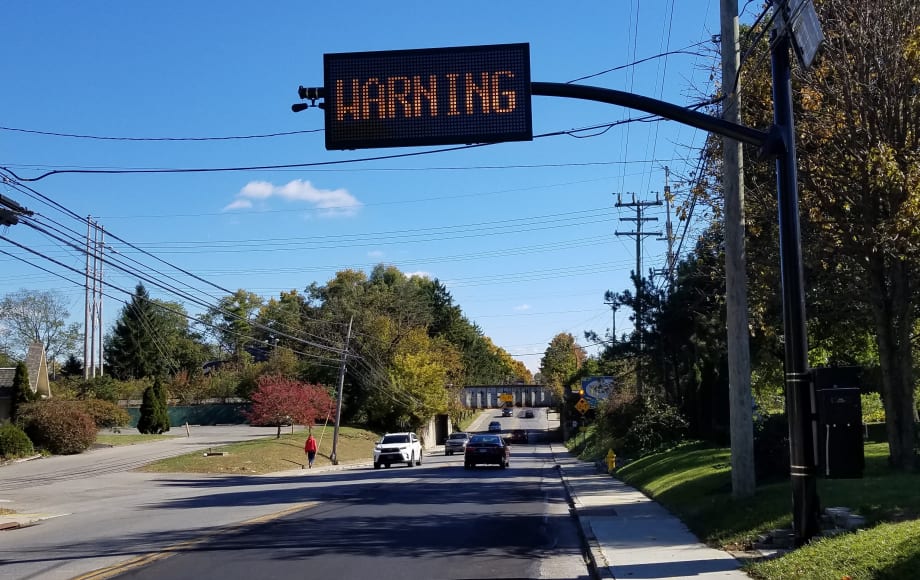
Drivers are getting help from new technology that warns of low bridges and overpasses.
Photo: Tom Berg
4 min to read
Several times I’ve written about a troublesome low-clearance bridge in Delaware, Ohio, and what the city planned to do about it. This week Lee Yoakum, a city spokesman, announced that it had completed installation and activation of a high-tech warning system.
Over the years, numerous too-tall trucks, trailers and at least one motor coach have hit the 12-foot, 7-inch railroad overpass on West Central Avenue, which is State Route 37. Evidently their drivers had missed the many warning signs posted east and west of the structure, and didn’t use marked truck routes that avoid the bridge.
The new device includes height detectors and a large sign that flashes warnings when a high vehicle is spotted, Yoakum said.
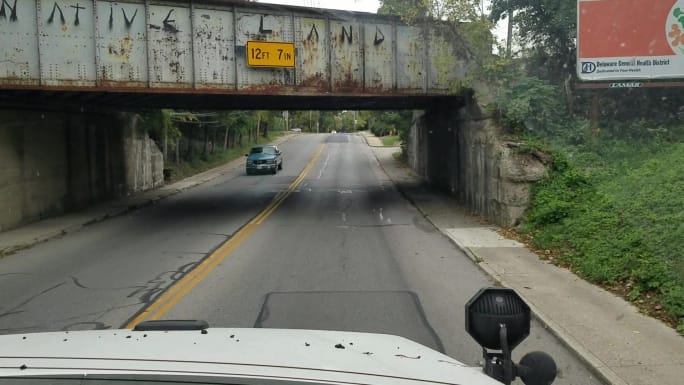
Using the new technology, vehicles that are too tall will trip a laser beam, triggering a flashing message that will warn drivers to stop immediately, and a phone number for assistance getting turned around.
Photo: Tom Berg
“Vehicles too tall will trip a laser beam, triggering a flashing message that will warn drivers to stop immediately, and a phone number for assistance getting turned around,” he explained.
It is a recently developed device and an expensive proposition, with bids last year coming in at more than $500,000. The city got financial help from Ohio’s Department of Transportation that cut the city’s cost to about $180,000.
One reader had suggested that the roadway should simply be lowered to allow 13-foot, 6-inch-tall trucks to pass under the bridge, but Yoakum said that would’ve been neither simple nor cheap.
Among other things, the bridge would have to be closed to allow work, which CSX, the railroad, would object to. And the street’s base and pavement would have to be strengthened to take a higher volume of heavy truck traffic. All that would cost millions of dollars.
Anyway, the warning system is now working and time will tell if it prevents future bridge bashings. Here’s a YouTube video describing the project. https://www.youtube.com/watch?v=yT0dzvk48mQ&feature=youtu.be
Yoakum provided additional information in a Q and A format:
What will appear on the message board when the laser is tripped?
The first message flashes ‘WARNING.’ The second message will indicate ‘OVER HEIGHT VEHICLE DETECTED.’ These messages will alternate back and forth every two seconds and last for three minutes. When not activated, the warning sign is black.
We have three goals for this system:
· Get drivers to turn around
· Prevent high speed impacts that destroy trailers
· Reduce city effort in incident cleanup
This is NOT a 100% solution. It IS a way to reduce the number of incidents at the bridge and that is a good thing for neighbors who are inconvenienced, motorists who are delayed, and city departments who can focus on other services.
This is a new application of detection and warning components. There may be tweaks to the way it functions in the days ahead.
Is the laser attached to the same pole as the message board?
No, the beam apparatus is attached to poles located about 900 feet before each warning sign.
The system will reduce the number of vehicles hitting the bridge by about 60%. We spoke with states that already use this technology, including New York, Texas and Virginia, and believe it will reduce bridge incidents by 50-60%.
How often has the bridge been struck over the years?
Since 2015, the bridge has been struck approximately 19 times. This, despite a total of 13 low bridge warning signs, six eastbound and seven westbound of the bridge. In addition to the warning signs, there are also “Truck Route SR-37” signs at major intersections throughout the city to route trucks around the bridge.
The fine for ignoring warnings and hitting the bridge is $1,000; the fine for ignoring warnings and needing help getting turned around is $750.
How many officers are needed on the scene when the bridge is struck?
It depends on the time of day, amount of damage to the vehicle, traffic conditions, etc., but generally two to three officers that otherwise could be doing something else in our City.
How long was the warning system been in the works?
Two years. It was delayed a bit because nothing like this had been done in Ohio and, understandably, there were few more questions that needed to be answered at the state level.
What particular department or program did the $215,000 is state funding come from?
ODOT’s Highway Safety Improvement Program. With city crews installing some of the equipment, the project was finished under budget at $180,000.
Subscribe to Our Newsletter
More Blog Posts

Pulsing Back-of-Trailer Lamps Aim to Prevent Crashes
Can the addition of a pulsing brake lamp on the back of a trailer prevent rear-end collisions? FMCSA seems to think so, if its exemptions are any indication.
Read More →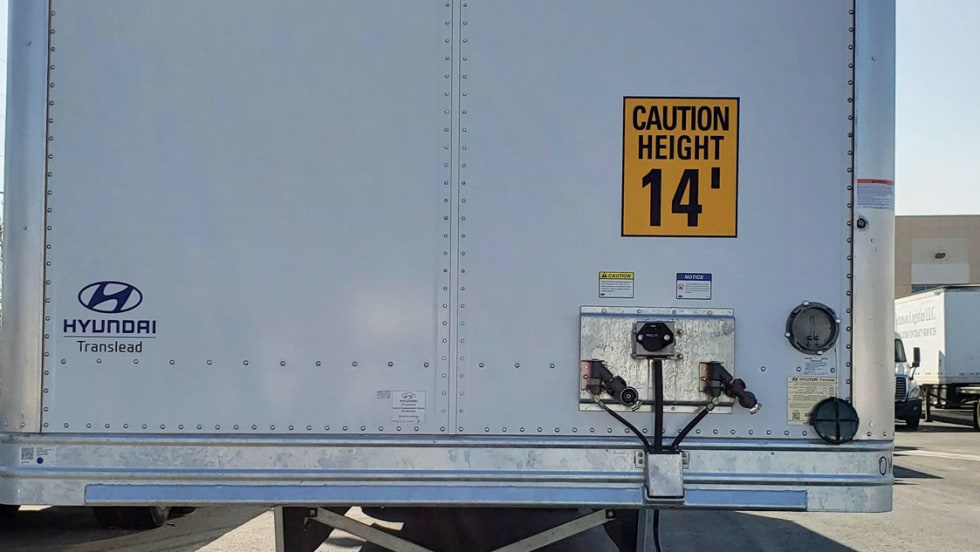
Designing a 14-Foot Trailer
Trailers are 13 feet, 6 inches high, right? Not for Hub Group, which developed a special 14-foot-high trailer spec for a dedicated customer based in California. Learn more in the Trailer Talk blog.
Read More →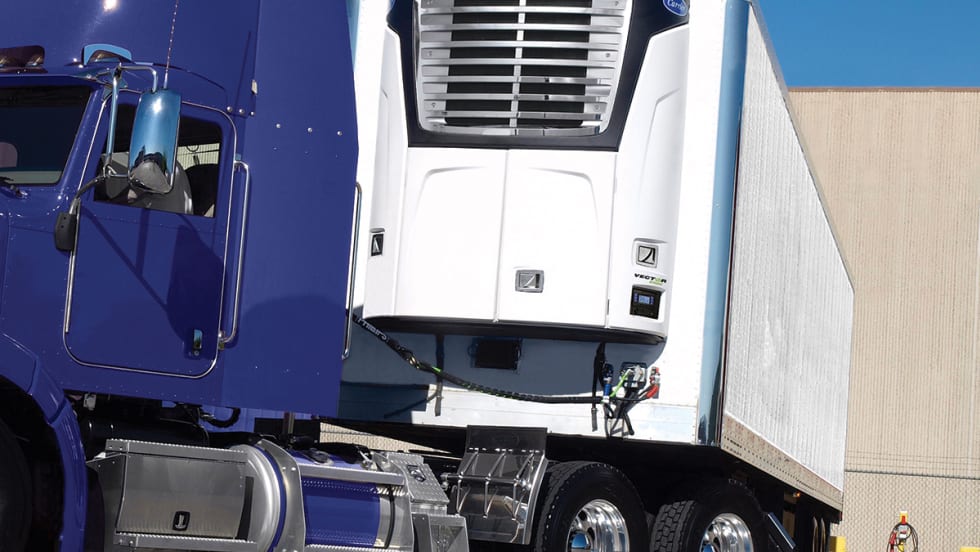
CARB Comes for Reefer Trailers
A new round of emissions control regulations decreed by the California Air Resource Board will begin affecting refrigerated trailer and TRU design and operations next year.
Read More →
5 Ways Data Analysis Maximizes the Value of Trailer Telematics
Are you getting the most out of your trailer telematics investment?
Read More →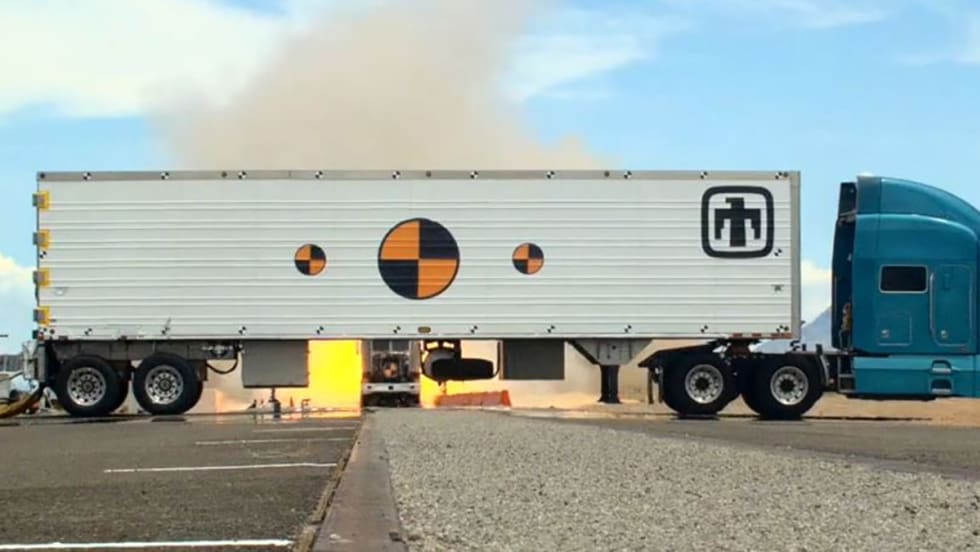
Can You Guess What's in That Trailer?
You don’t always know what’s in the trailers that pass you on the road. But some of those trailers are carrying something a little more dangerous that frozen food or new bedding…like, maybe, a nuclear weapon. But this isn’t an ordinary trailer; this is a trailer specifically made to not only carry this type of payload, but protect it at all costs.
Read More →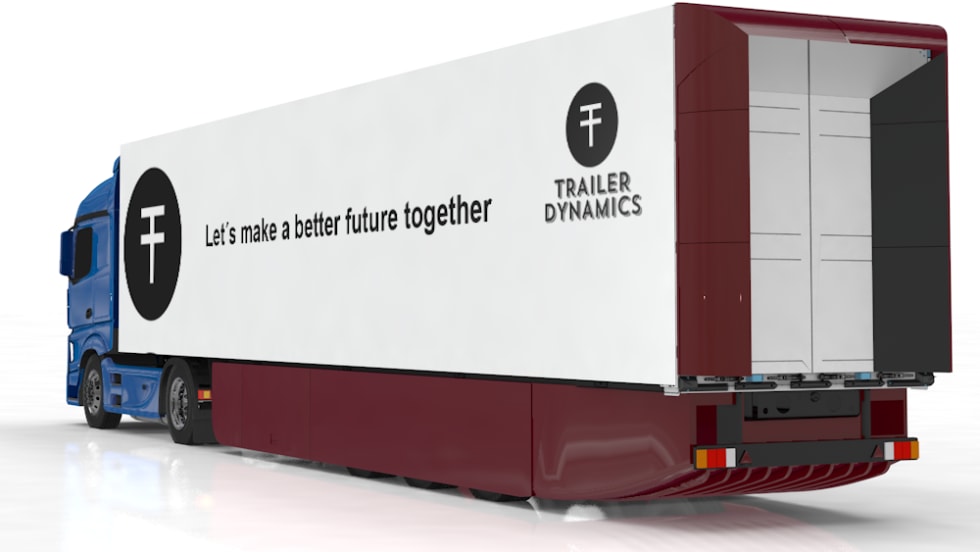
How Trailers Are Harnessing 'Free' Energy
Can trailers play a more active role in sustainable transport beyond aerodynamic add-ons or low-rolling-resistance tires? Some companies think so.
Read More →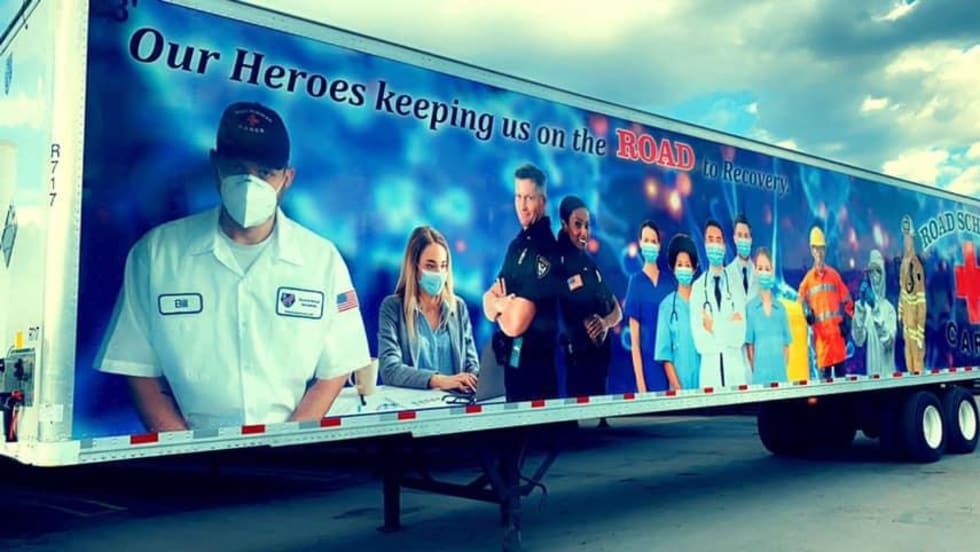
Wrapping a Trailer for COVID’s Everyday Heroes
“We don’t only deliver freight. We deliver awareness.” That’s what Jim Barrett, president and CEO of Road Scholar Transport, likes to say about the Dunmore, Pennsylvania-based carrier’s “awareness fleet.” Its latest trailer wrap honors the everyday heroes of the pandemic.
Read More →
How a Tanker Fleet is Using Unorthodox Trailer Lighting to Fight Rear-End Collisions
Groendyke Transport watched the number of rear-end collisions with its trailers rise steadily until it tried an unorthodox and then unapproved method of alerting following drivers that its trucks were applying brakes and slowing down.
Read More →
The Role Trailers are Playing in COVID-19 Funerals
In places such as New York City and Detroit, overwhelmed hospitals and mortuaries are using refrigerated trailers to store the bodies of people killed by COVID-19.
Read More →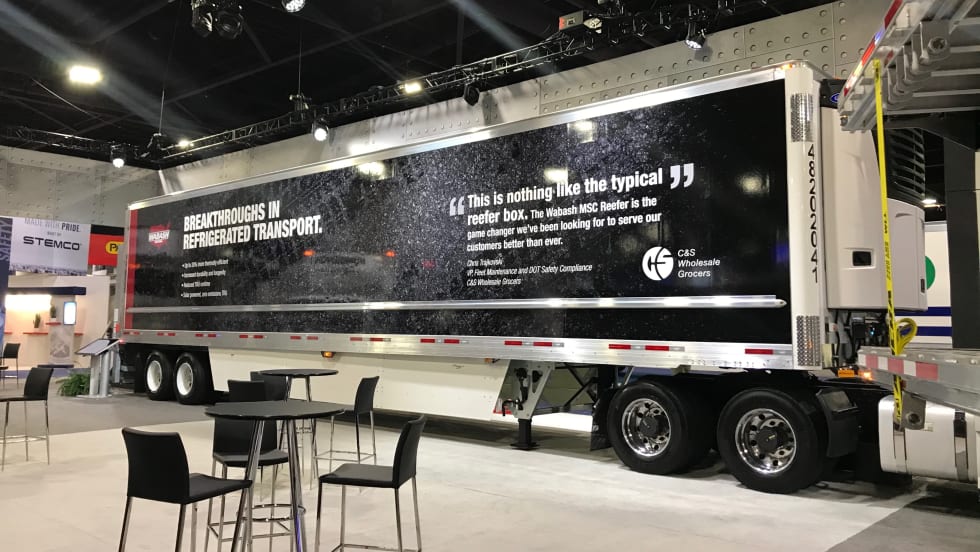
Reefer Trailer Aims to Help Reach Zero Emissions
Wabash National is partnering with C&S Wholesale Grocers to test a new type of zero-emissions refrigerated trailer.
Read More →