




Fruehauf’s 'Engineering' Story Told in New Book
Vintage ads help Ruth Ann Fruehauf, granddaughter of the founder of Fruehauf Trailer Corp., tell how the company designed and built trailers for many uses.

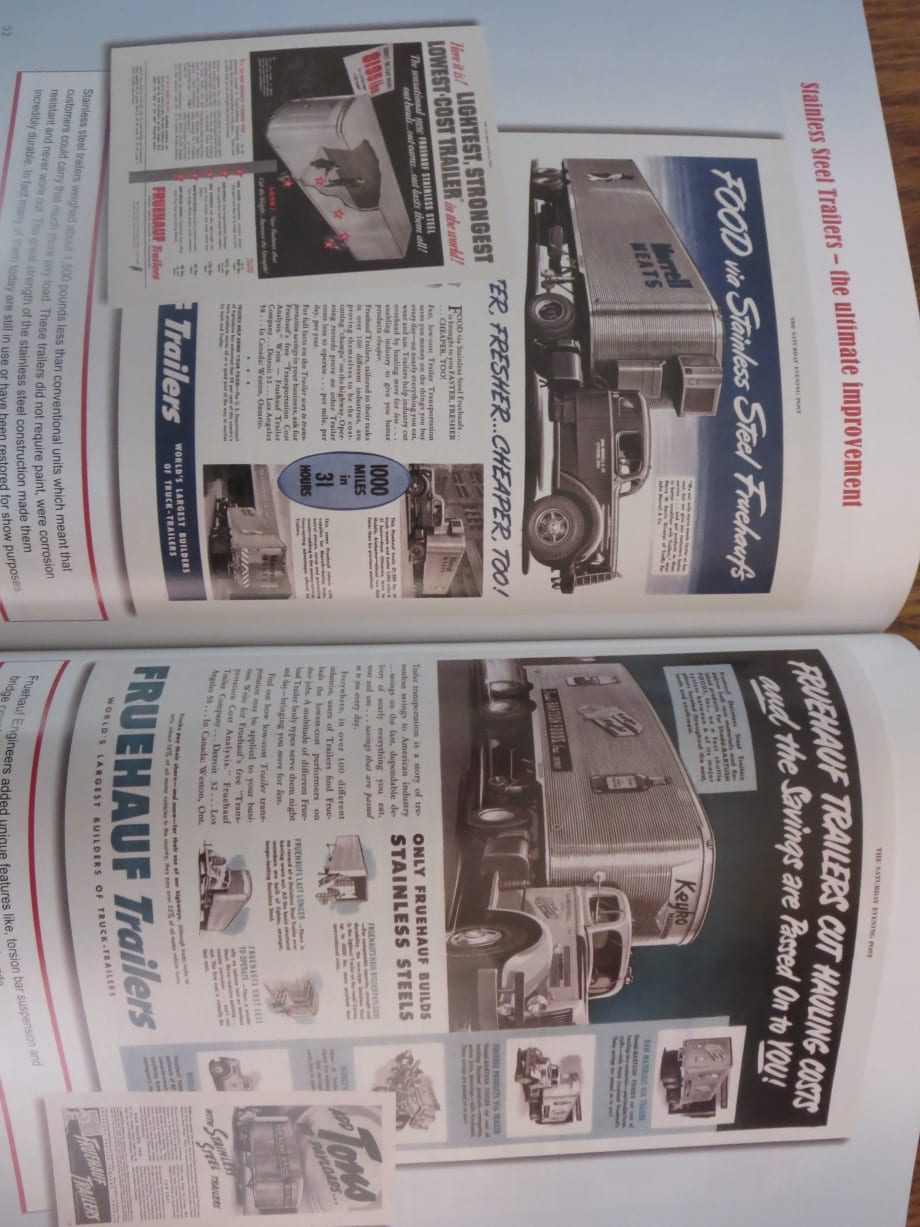
Advertisements are like time capsules. They mirror the concerns of the age in which they were written by describing products and services available to help people carry on their lives. Ads we see today in newspapers, magazines and now on internet websites might some day be viewed that way, though most are more brief than those run in foregone times, when narratives were part of established formats.
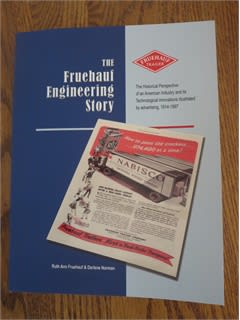
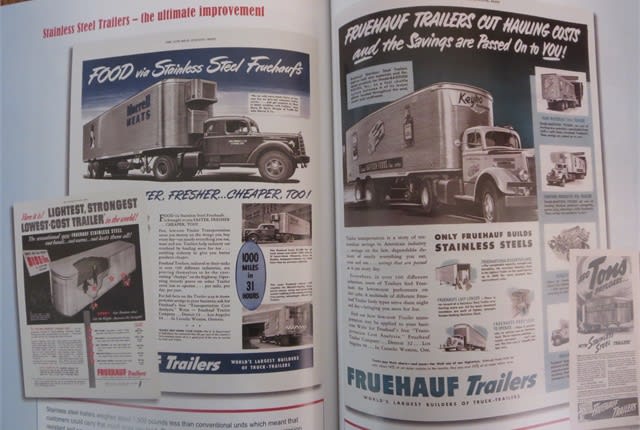
Vintage ads help Ruth Ann Fruehauf, granddaughter of the founder of Fruehauf Trailer Corp., tell how the company designed and built trailers for many uses. Her book, “The Fruehauf Engineering Story,” runs 84 pages (with soft covers) and shows scores of ads describing how customers employed semitrailers during war and peace.
Led by Harvey Fruehauf, one of August’s sons and an accountant, the company created and ran ads in monthly periodicals aimed at general readership, like the Saturday Evening Post, and those in our industry, including Heavy Duty Trucking. Executives credited advertising for part of their success.
Fruehauf was once a dominant name in the trailer-building business. The company grew as the concept introduced in 1914 by its founder, blacksmith August Fruehauf, caught on with freight carriers. High capacity and great versatility were the reasons trailers made immense sense in the transport world.
“A truck is like a horse. It can pull more than it can carry,” was the slogan of Fruehauf and his company, and that appeared as part of the firm’s advertising for years. He put some numbers to it by explaining that while an early 20th century horse could carry 300 pounds, it could pull a wagon weighing 2 tons; and while a truck of that time could carry 3 tons, it could easily pull a 9-ton trailer. Today we call that productivity.
Versatility lay in use of a single truck-tractor that could work continually, moving a loaded trailer from one point to another, leaving it there to be unloaded, then picking up an empty and returning it to the original point for reloading. Meanwhile, a third trailer was there being loaded, and the truck could immediately take that to its destination. One truck and three trailers: That's still a classic ratio for hook-and-drop operations.
Furthering the versatility principle, trailers were built to haul special cargoes during World War II, from aircraft wings and ship boilers to engines for fighter planes and landing craft. Patriotism was a theme in those ads. Trailers carried food, fuel, chemicals, clothing and many other items before, during and after the war. The ads described use of robust and sometimes new materials to achieve strength and light weight – valuable goals still today.

The company grew over the years, rapidly at times, and set up plants around the United States and overseas. But it eventually failed, the victim of greed, mismanagement, and tax manipulation after the founding family lost control of the company in the 1960s, Ruth Fruehauf said in her first book, “Singing Wheels.” Fruehauf as an entity was gone by 1989, but companies in Mexico, France, Turkey, and New Zealand still make Fruehauf trailers, she says.
Ruth credits writer Darlene Norman and graphic artist Gay Dunn for their work in producing the book. And she maintains a website, www.singingwheels.com, where much information is archived and the Fruehauf Historical Society posts news. There you can order the books and other materials. It’s worth a visit, and if you appreciate the role of trailers, now and in the past, the books are well worth purchasing.
More Blog Posts
Pulsing Back-of-Trailer Lamps Aim to Prevent Crashes
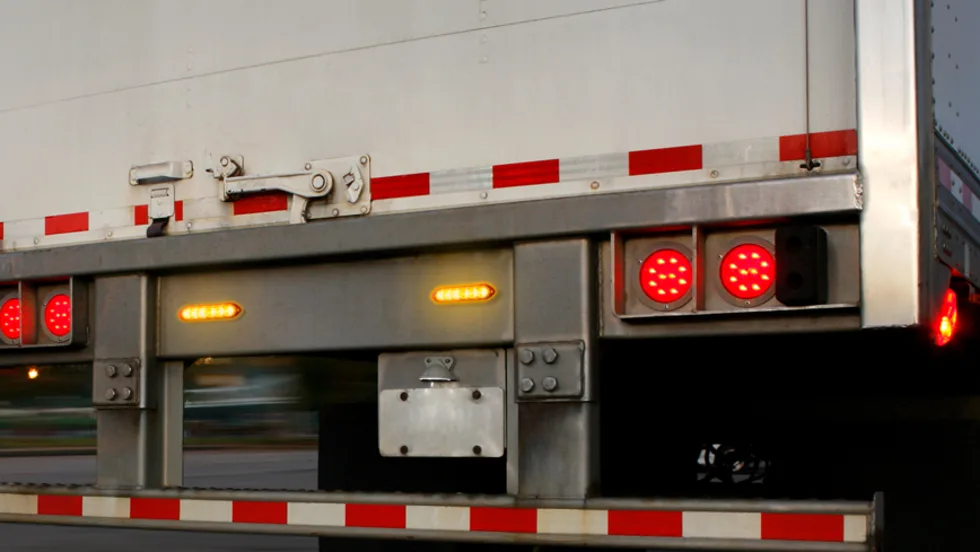
Can the addition of a pulsing brake lamp on the back of a trailer prevent rear-end collisions? FMCSA seems to think so, if its exemptions are any indication.
Read More →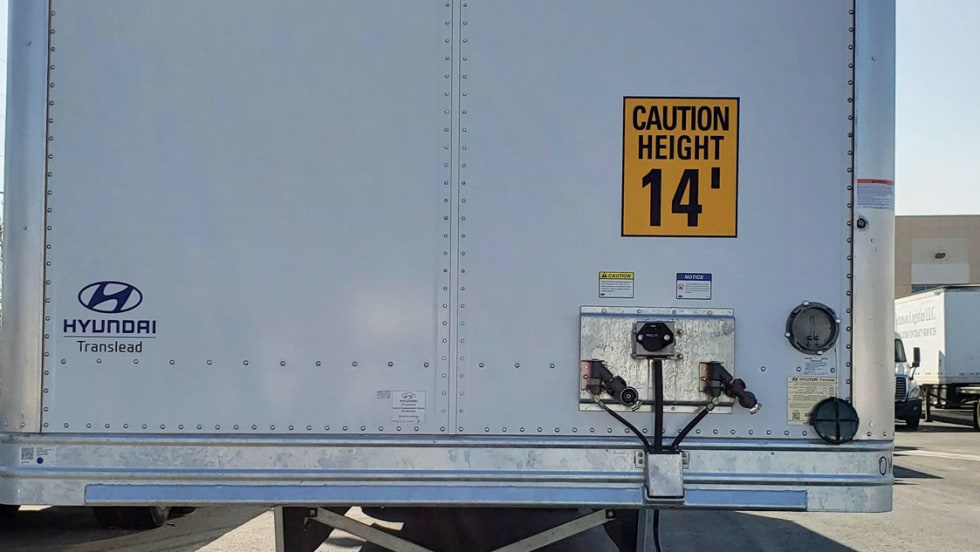
Designing a 14-Foot Trailer
Trailers are 13 feet, 6 inches high, right? Not for Hub Group, which developed a special 14-foot-high trailer spec for a dedicated customer based in California. Learn more in the Trailer Talk blog.
Read More →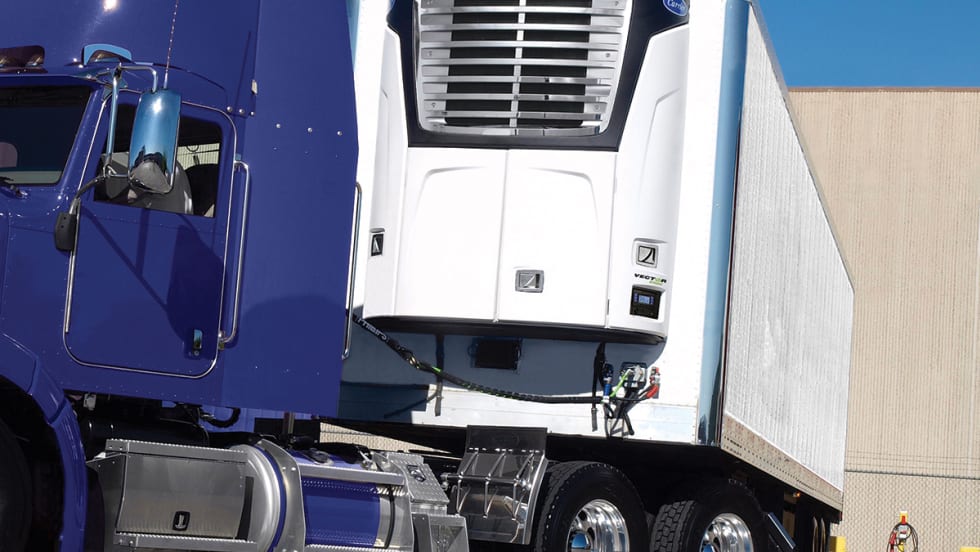
CARB Comes for Reefer Trailers
A new round of emissions control regulations decreed by the California Air Resource Board will begin affecting refrigerated trailer and TRU design and operations next year.
Read More →
5 Ways Data Analysis Maximizes the Value of Trailer Telematics
Are you getting the most out of your trailer telematics investment?
Read More →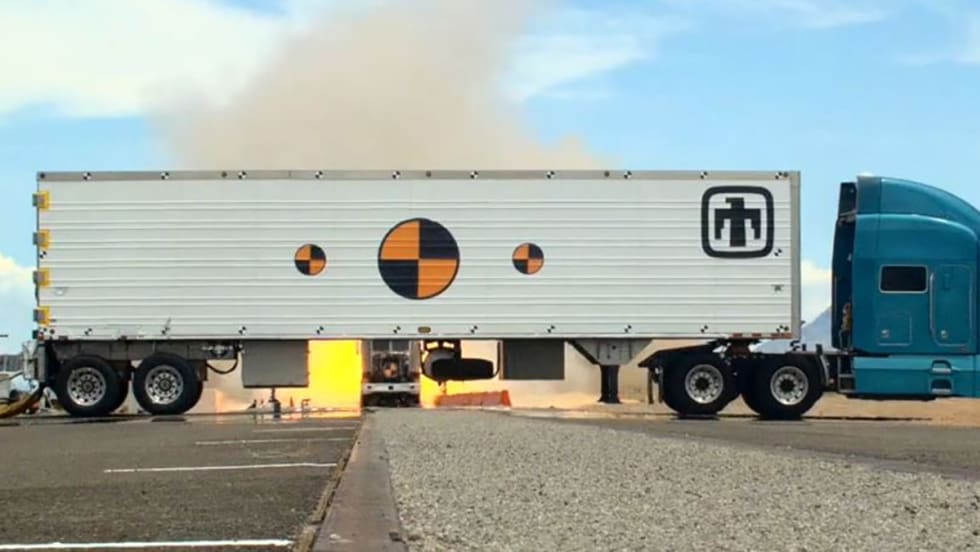
Can You Guess What's in That Trailer?
You don’t always know what’s in the trailers that pass you on the road. But some of those trailers are carrying something a little more dangerous that frozen food or new bedding…like, maybe, a nuclear weapon. But this isn’t an ordinary trailer; this is a trailer specifically made to not only carry this type of payload, but protect it at all costs.
Read More →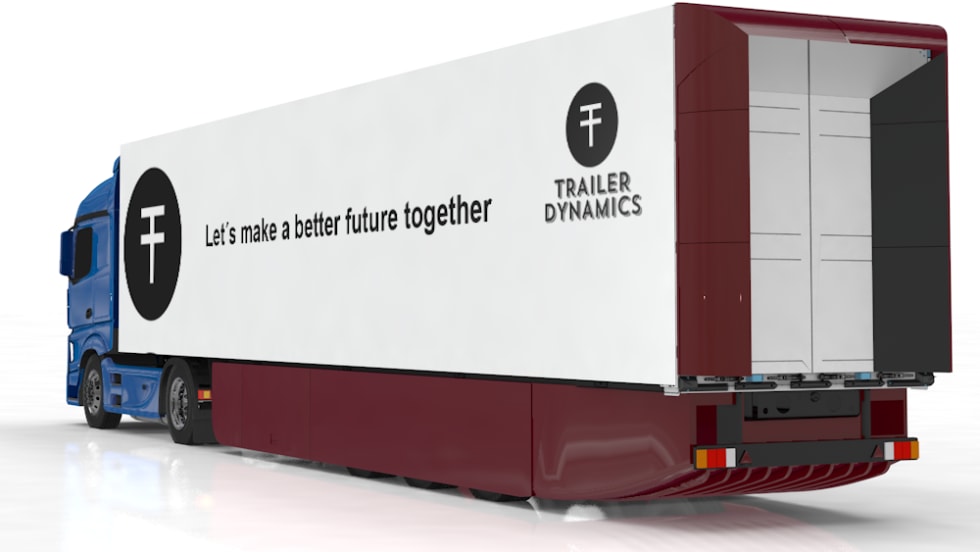
How Trailers Are Harnessing 'Free' Energy
Can trailers play a more active role in sustainable transport beyond aerodynamic add-ons or low-rolling-resistance tires? Some companies think so.
Read More →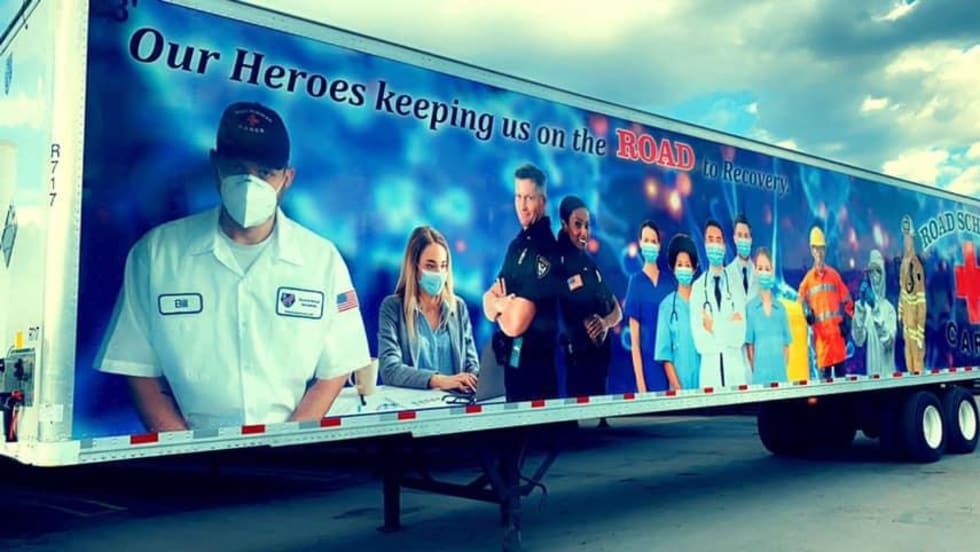
Wrapping a Trailer for COVID’s Everyday Heroes
“We don’t only deliver freight. We deliver awareness.” That’s what Jim Barrett, president and CEO of Road Scholar Transport, likes to say about the Dunmore, Pennsylvania-based carrier’s “awareness fleet.” Its latest trailer wrap honors the everyday heroes of the pandemic.
Read More →
How a Tanker Fleet is Using Unorthodox Trailer Lighting to Fight Rear-End Collisions
Groendyke Transport watched the number of rear-end collisions with its trailers rise steadily until it tried an unorthodox and then unapproved method of alerting following drivers that its trucks were applying brakes and slowing down.
Read More →
The Role Trailers are Playing in COVID-19 Funerals
In places such as New York City and Detroit, overwhelmed hospitals and mortuaries are using refrigerated trailers to store the bodies of people killed by COVID-19.
Read More →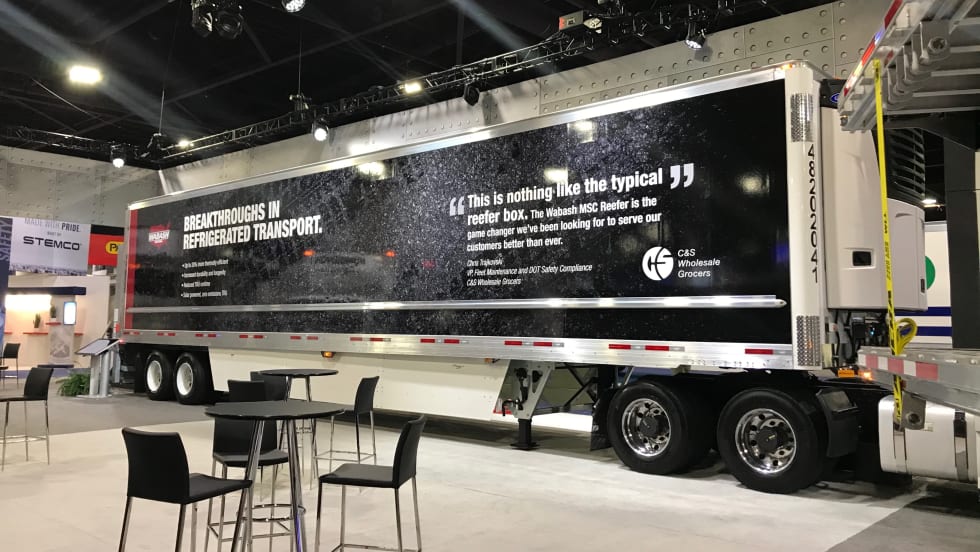
Reefer Trailer Aims to Help Reach Zero Emissions
Wabash National is partnering with C&S Wholesale Grocers to test a new type of zero-emissions refrigerated trailer.
Read More →