





Related: Trucker Accidentally Destroys Historic Indiana Bridge
Electronic Measuring Devices Warn If Obstacles Are Too Low
In many states, rigs carrying oversize loads are escorted by pilot cars, some of them equipped with poles to gauge overhead obstructions. There are better ways.
June 29, 2016
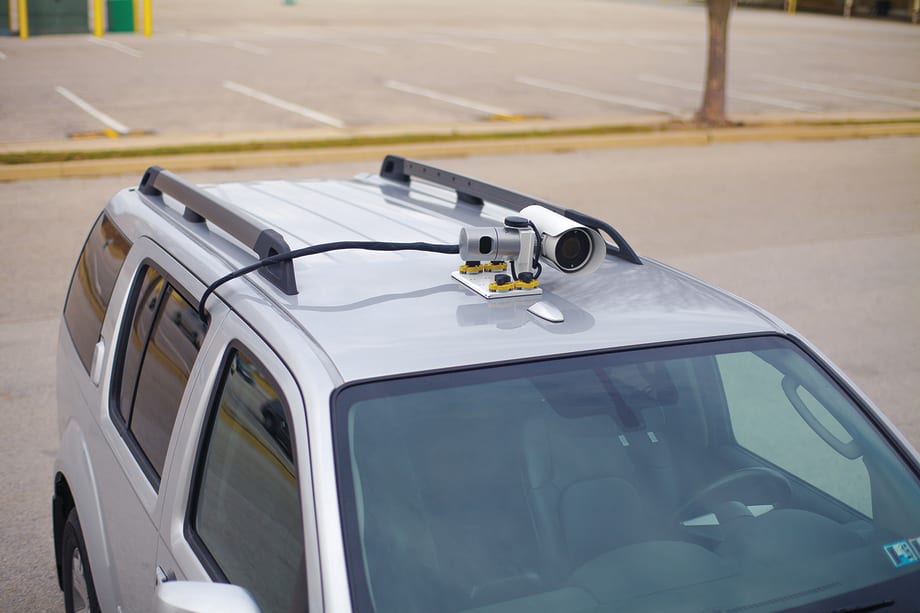
OWL magnet-mounts on the roof of a pilot car and is plugged into a laptop with an operating program. It knows how far from the road it is, and includes that in its vertical obstacle measurements. Photo: LSA Autonomy
2 min to read
OWL magnet-mounts on the roof of a pilot car and is plugged into a laptop with an operating program. It knows how far from the road it is, and includes that in its vertical obstacle measurements. Photo: LSA Autonomy
Rigs carrying oversize loads follow routes carefully planned to avoid tight clearances. In many states, they’re escorted by pilot cars with signs and flashing amber lights to warn traffic ahead that something big is approaching.
Sometimes the pilot vehicle has a pole on its front bumper to gauge overhead obstructions. If the pre-set pole is too high to clear an object above, the pilot car’s driver can warn the rig behind.
That doesn’t always work, as we saw in that I-5 bridge collapse north of Seattle back in 2013. The pilot pole bumped the bridge’s overhead truss, but there wasn’t time to warn the rig’s driver, following at a brisk pace 550 feet behind. A story's here.
But technology can help. LSA Autonomy and Velodyne LiDAR have introduced the Overhead Wire Laser Detector, or OWL. A press release explained that the device mounts on the pilot car and plugs into a programmed laptop. Its software sensor processes sensor signals to measure wires and other objects ahead.
When clearances are insufficient, the system alerts the operator with audible and visual warnings, while providing photographic imaging for clarity. An informational video shows what’s on the display screen.
OWL works at highway speeds, making it valuable for pre-transport route surveys, the statement said. However, when used for escorting, the pilot car’s driver should limit road speed to 25 mph to allow for sufficient stopping time.
The OWL system was developed at the request of one of the world’s leading advanced technology companies, said the statement. This was after an incident in which an oversize transport caught a communication wire, snapping a telephone pole and bringing down a power line that caused a regional blackout. It also damaged a transport vehicle, “imperiling the lives of transport crew members,” the statement declared.
“In its first use, when deployed in tandem with the traditional pole methodology, the OWL prevented an accident by alerting the transport driver to an obstruction that the lead poles failed to detect due to the crown of the road,” the release concluded.
After watching the OWL video, we came upon another YouTube video about the Giraffe G4, sold by the EZ Truck Store. It's informative and entertaining, and is here.
Could these devices make poles obsolete?
Subscribe to Our Newsletter
More Blog Posts

Pulsing Back-of-Trailer Lamps Aim to Prevent Crashes
Can the addition of a pulsing brake lamp on the back of a trailer prevent rear-end collisions? FMCSA seems to think so, if its exemptions are any indication.
Read More →
Designing a 14-Foot Trailer
Trailers are 13 feet, 6 inches high, right? Not for Hub Group, which developed a special 14-foot-high trailer spec for a dedicated customer based in California. Learn more in the Trailer Talk blog.
Read More →
CARB Comes for Reefer Trailers
A new round of emissions control regulations decreed by the California Air Resource Board will begin affecting refrigerated trailer and TRU design and operations next year.
Read More →
5 Ways Data Analysis Maximizes the Value of Trailer Telematics
Are you getting the most out of your trailer telematics investment?
Read More →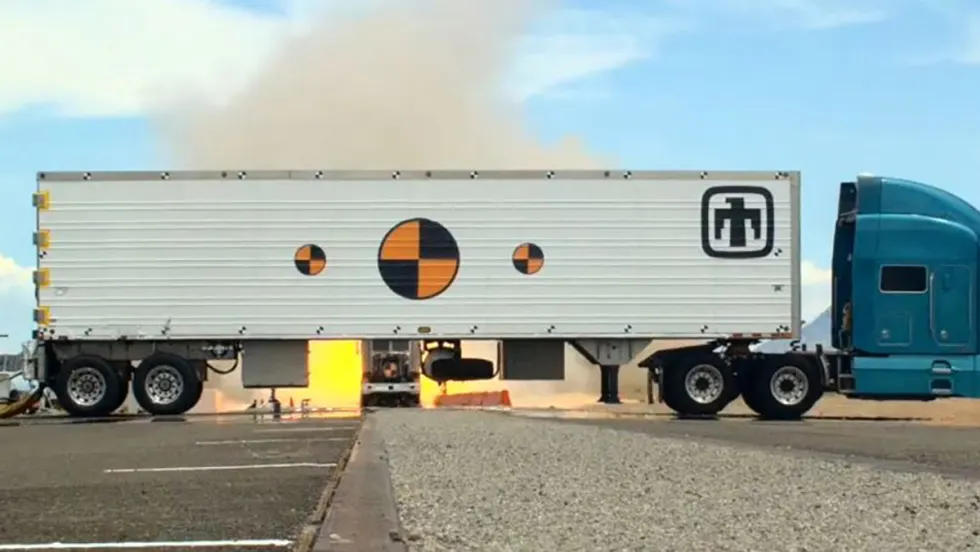
Can You Guess What's in That Trailer?
You don’t always know what’s in the trailers that pass you on the road. But some of those trailers are carrying something a little more dangerous that frozen food or new bedding…like, maybe, a nuclear weapon. But this isn’t an ordinary trailer; this is a trailer specifically made to not only carry this type of payload, but protect it at all costs.
Read More →
How Trailers Are Harnessing 'Free' Energy
Can trailers play a more active role in sustainable transport beyond aerodynamic add-ons or low-rolling-resistance tires? Some companies think so.
Read More →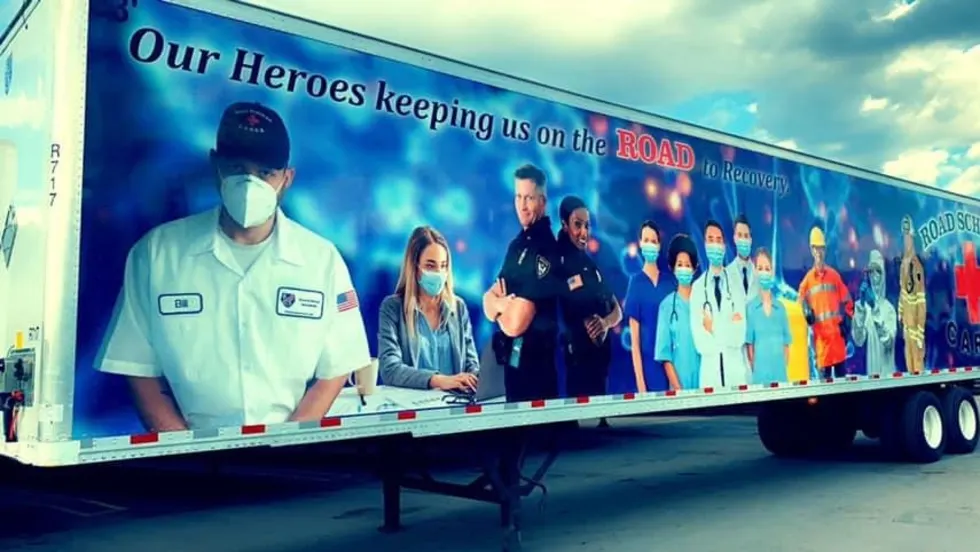
Wrapping a Trailer for COVID’s Everyday Heroes
“We don’t only deliver freight. We deliver awareness.” That’s what Jim Barrett, president and CEO of Road Scholar Transport, likes to say about the Dunmore, Pennsylvania-based carrier’s “awareness fleet.” Its latest trailer wrap honors the everyday heroes of the pandemic.
Read More →
How a Tanker Fleet is Using Unorthodox Trailer Lighting to Fight Rear-End Collisions
Groendyke Transport watched the number of rear-end collisions with its trailers rise steadily until it tried an unorthodox and then unapproved method of alerting following drivers that its trucks were applying brakes and slowing down.
Read More →
The Role Trailers are Playing in COVID-19 Funerals
In places such as New York City and Detroit, overwhelmed hospitals and mortuaries are using refrigerated trailers to store the bodies of people killed by COVID-19.
Read More →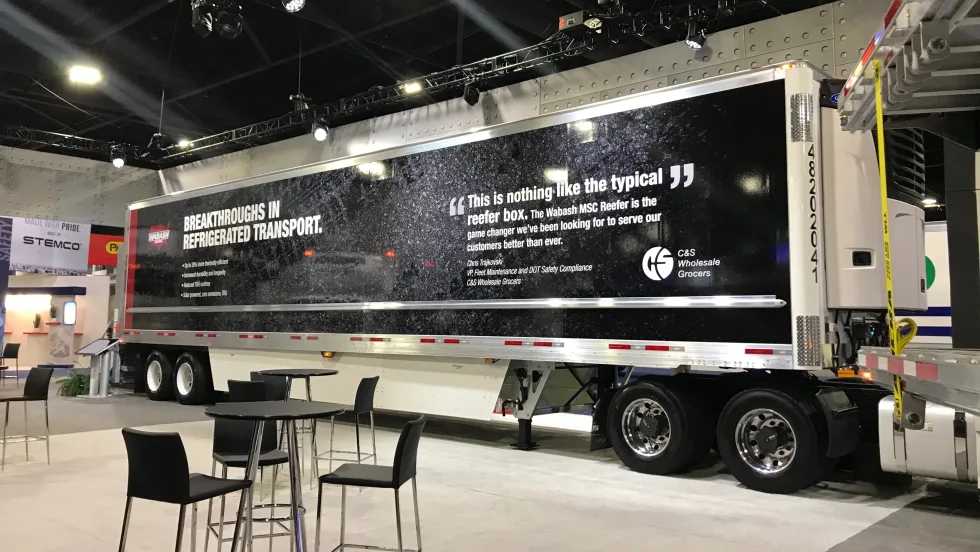
Reefer Trailer Aims to Help Reach Zero Emissions
Wabash National is partnering with C&S Wholesale Grocers to test a new type of zero-emissions refrigerated trailer.
Read More →