




Drop Decks, Aluminum Transition Radii, and the Romans
I looked at the transition radius on a Mac aluminum drop deck and it occurred to me that the radius is an arc, a portion of an arch – that engineering marvel devised by Roman engineers more than 2,000 years ago.

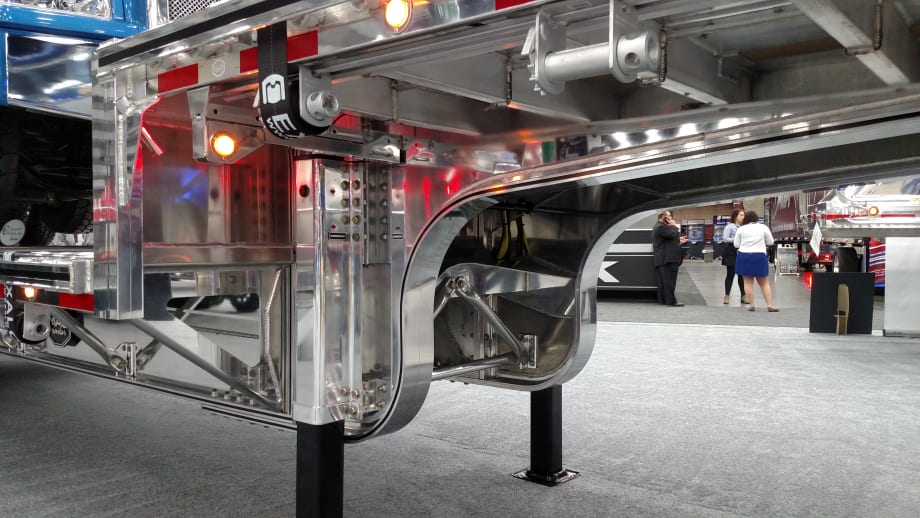
Can you see a Roman arch in the radius under the transition area of this Mac single-drop aluminum trailer? The radius directs weight away from the 90-degree joint above.
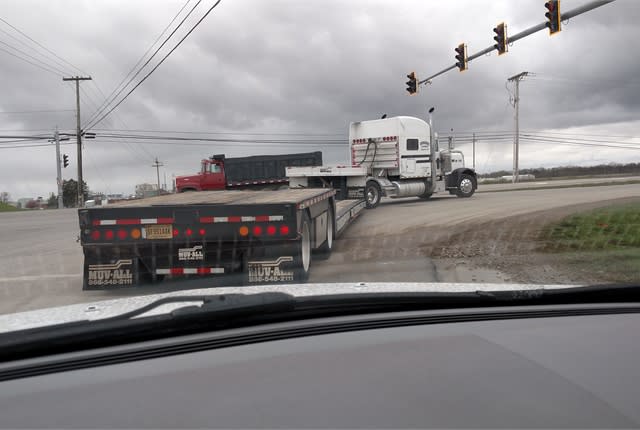
This double-drop trailer has two transition areas. But the trailer's built of steel, which can ably bear up under stresses at 90-degree angles. Photos: Tom Berg
Lately I’ve been zeroing in on drop decks, partly because I’ve always been curious about them, but mostly because I’m writing a story on drop decks for the May issue of HDT. Drop decks are a variation of the many flatbed trailers that carry pipe, steel, lumber, and general construction supplies from plants to where they’re used.
What’s the difference between the two types? You know -- a flatbed has a straight platform (another name for the trailer) that’s the same height from front to rear. A drop deck has, well, a dropped deck. The main deck is usually 20 or more inches lower than the gooseneck structure that houses the kingpin and sits atop the tractor’s rear.
The lower deck of a “single-drop” trailer offers extra vertical space to accommodate things like large coils of steel and aluminum, outsized electrical gear, and boxed or tarped commodities of all kinds. Because of that low deck, wheels and tires are sometimes smaller than the usual 22.5-inch size, usually 19.5s or 17.5s. A “double drop” has an up-step ahead of the rear tandem to allow use of larger, longer-lasting wheels and tires. Sometimes a double-drop’s deck will be especially close to the ground, like a lowboy trailer.
What enables the low main deck is the “transition” area, the down-step between the two deck heights, and the up-step toward the rear of a double-drop trailer. This takes careful engineering because stresses migrate to a 90-degree bend, and that can cause metal fatigue that leads to cracking and breaking. You sure don’t want that.
Look closely at transition areas, like I did at the Louisville truck show last month, and you’ll see variations in details among the different makes of trailers. But they pretty much resemble one another. A major difference in transition design without regard to brand is what the trailer’s made of.
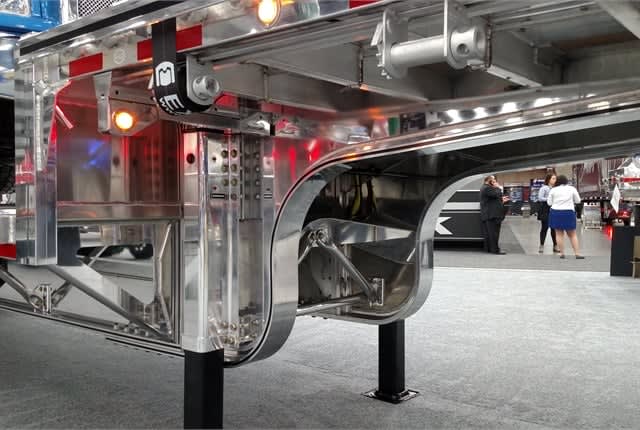
Can you see a Roman arch in the radius under the transition area of this Mac single-drop aluminum trailer? The radius directs weight away from the 90-degree joint above.
Bill McKenzie of Mac Trailers pointed out that steel is a hard metal and, with proper gusseting, can take stresses at a 90-degree bend. Aluminum, being softer, needs help with a right angle, so engineers use a “radius” structure underneath. The radius evenly distributes weight to the structures of the upper and lower decks, avoiding concentrated stresses and cracking.
I looked at the transition radius on a Mac aluminum drop deck and it occurred to me that the radius is an arc, a portion of an arch – that engineering marvel devised by Roman engineers more than 2,000 years ago. An arch compresses as weight is added and transfers the weight down its two legs to the ground. The Romans used stone and concrete in their arches, but the principle is the same with metal. McKenzie didn’t say that; I did, but I think I’m right.
So, let’s hear it for the Romans. They never heard of aluminum but did work with other metal alloys to make their helmets and such. It’s too bad they didn’t know that lead is toxic, and they shouldn’t have used it for the fancy plates that ruling-class people dined on. Lead dulled their brains and, scientists believe, sapped their ability to think and govern, contributing to the fall of the Roman Empire. Really.
But aluminum and steel are OK, so go ahead and spread out a meal on the deck of a trailer, straight, dropped or otherwise. Hmm – this is a strange line of thought. Maybe I’ve been ingesting some lead.
More Blog Posts

Pulsing Back-of-Trailer Lamps Aim to Prevent Crashes
Can the addition of a pulsing brake lamp on the back of a trailer prevent rear-end collisions? FMCSA seems to think so, if its exemptions are any indication.
Read More →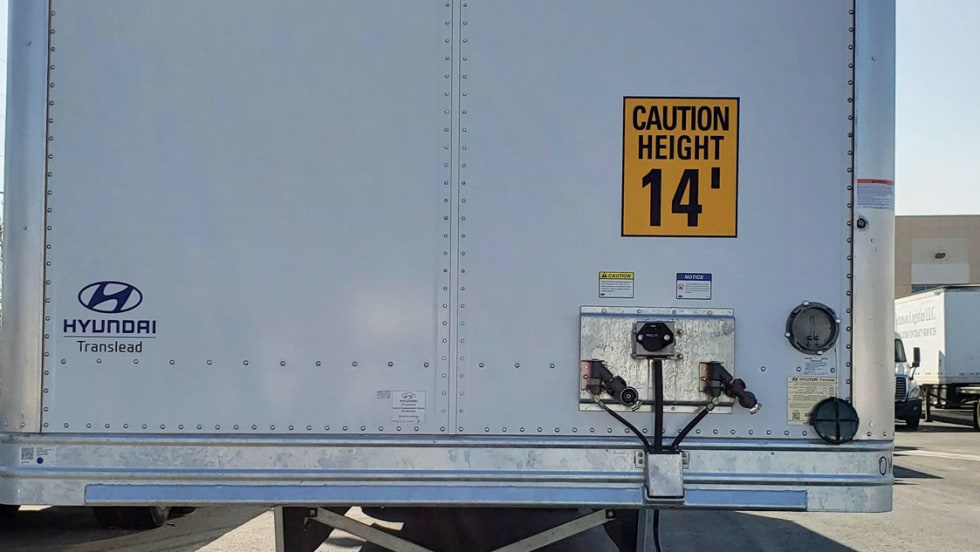
Designing a 14-Foot Trailer
Trailers are 13 feet, 6 inches high, right? Not for Hub Group, which developed a special 14-foot-high trailer spec for a dedicated customer based in California. Learn more in the Trailer Talk blog.
Read More →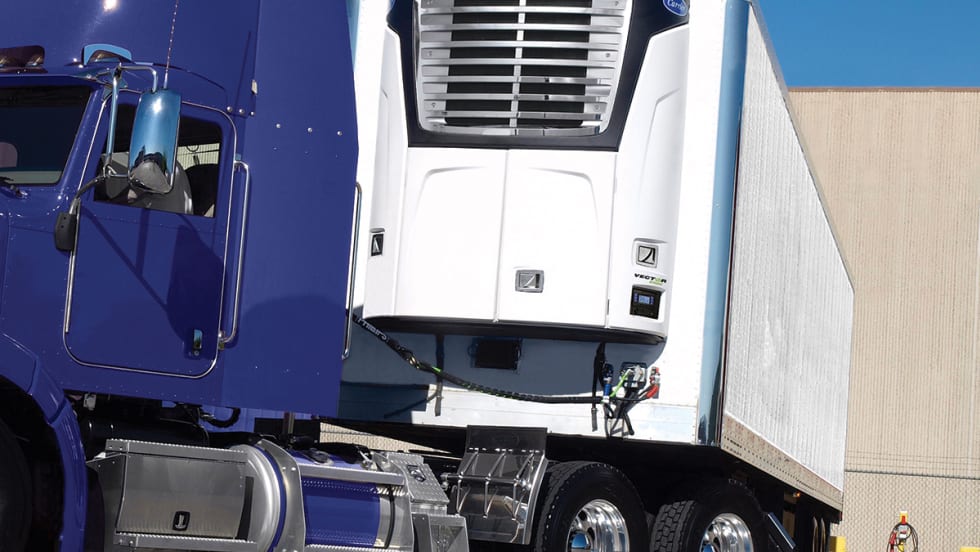
CARB Comes for Reefer Trailers
A new round of emissions control regulations decreed by the California Air Resource Board will begin affecting refrigerated trailer and TRU design and operations next year.
Read More →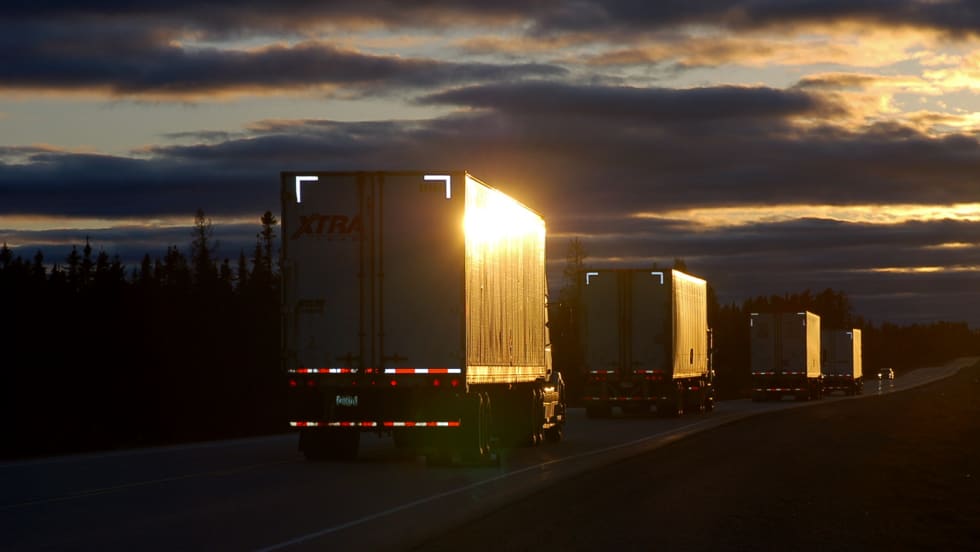
5 Ways Data Analysis Maximizes the Value of Trailer Telematics
Are you getting the most out of your trailer telematics investment?
Read More →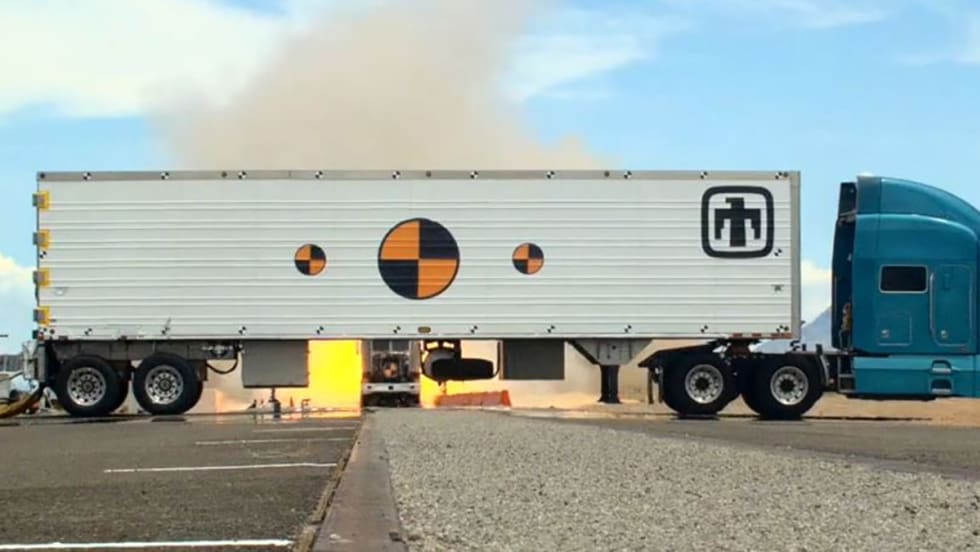
Can You Guess What's in That Trailer?
You don’t always know what’s in the trailers that pass you on the road. But some of those trailers are carrying something a little more dangerous that frozen food or new bedding…like, maybe, a nuclear weapon. But this isn’t an ordinary trailer; this is a trailer specifically made to not only carry this type of payload, but protect it at all costs.
Read More →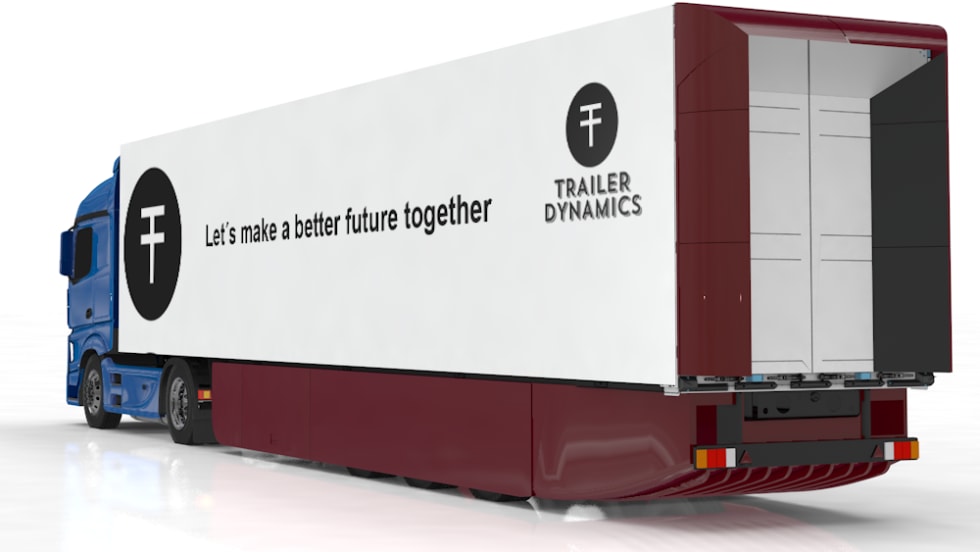
How Trailers Are Harnessing 'Free' Energy
Can trailers play a more active role in sustainable transport beyond aerodynamic add-ons or low-rolling-resistance tires? Some companies think so.
Read More →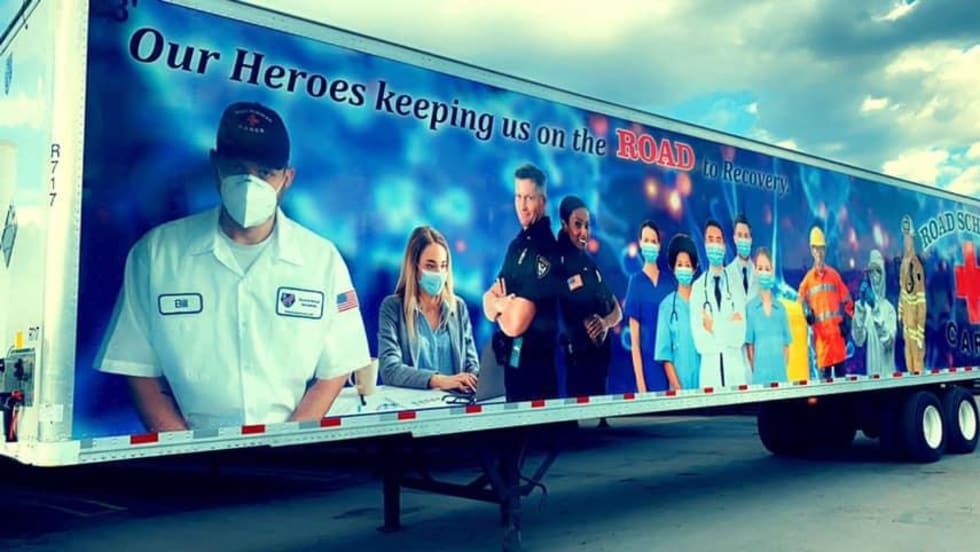
Wrapping a Trailer for COVID’s Everyday Heroes
“We don’t only deliver freight. We deliver awareness.” That’s what Jim Barrett, president and CEO of Road Scholar Transport, likes to say about the Dunmore, Pennsylvania-based carrier’s “awareness fleet.” Its latest trailer wrap honors the everyday heroes of the pandemic.
Read More →
How a Tanker Fleet is Using Unorthodox Trailer Lighting to Fight Rear-End Collisions
Groendyke Transport watched the number of rear-end collisions with its trailers rise steadily until it tried an unorthodox and then unapproved method of alerting following drivers that its trucks were applying brakes and slowing down.
Read More →
The Role Trailers are Playing in COVID-19 Funerals
In places such as New York City and Detroit, overwhelmed hospitals and mortuaries are using refrigerated trailers to store the bodies of people killed by COVID-19.
Read More →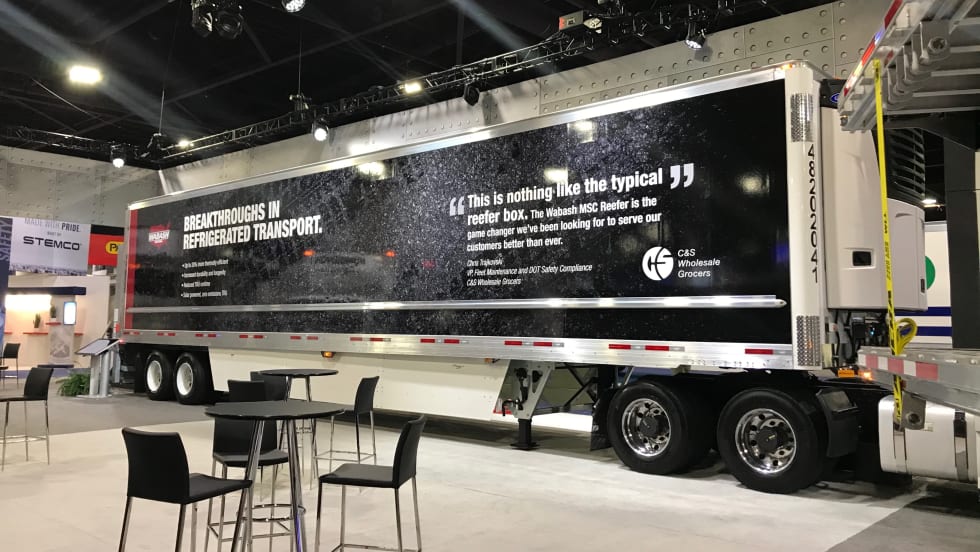
Reefer Trailer Aims to Help Reach Zero Emissions
Wabash National is partnering with C&S Wholesale Grocers to test a new type of zero-emissions refrigerated trailer.
Read More →