




Driverless Tesla vs. Parked Trailer: Owner's Fault?
Rear-underride collisions upset safety advocates because they badly hurt auto drivers and passengers. What about a front-underride incident with no driver and no injuries?

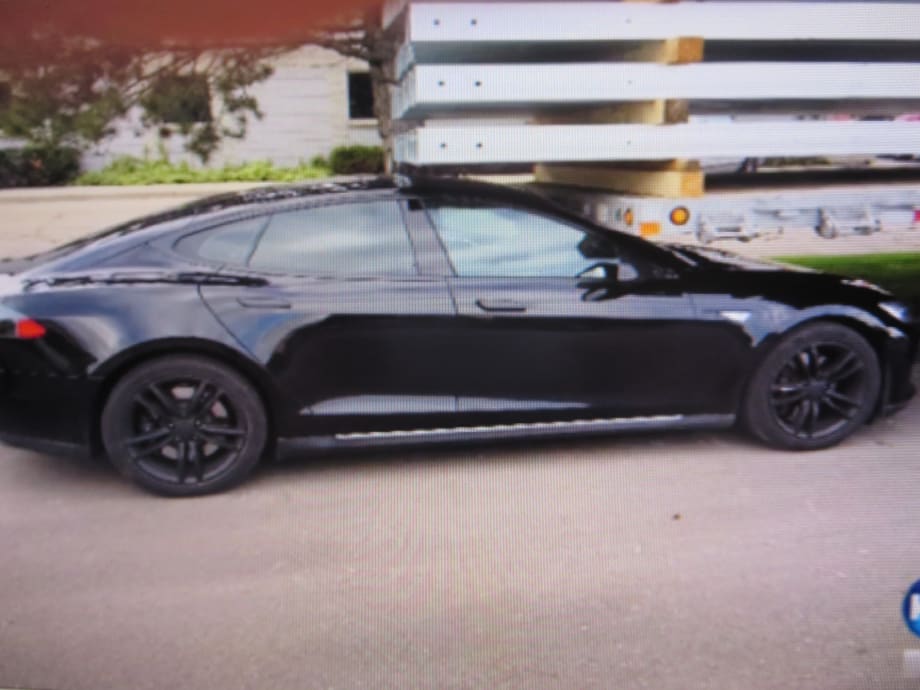
Car was short enough to slip under the trailer and its load and suffer only a smashed windshield. Photos: from KSL-TV news report.
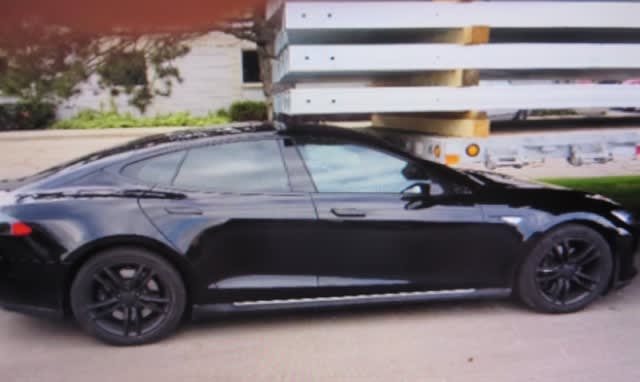
Car was short enough to slip under the trailer and its load and suffer only a smashed windshield. Photos: from KSL-TV news report.
When a guy buys a $120,000 Tesla Model S, he gets an advanced, all-electric powertrain, plus sophisticated electronic features that help navigate and guide the car down the road, and of course parallel-park it. He doesn't expect the car to move on its own and wedge itself under the front of a parked semitrailer.
But that’s exactly what happened, owner Jared Overton told KSL-TV News, Salt Lake City, which reported the story Wednesday (and was picked up by www.constructionequipment.com).
Amazingly, the driverless car was just the right height to slip under the trailer’s nose and overhanging load of aluminum tubing, suffering no more than a smashed windshield.The trailer appeared unscathed. It happened in Lindon, in the Orem-Provo area. Watch the report here.
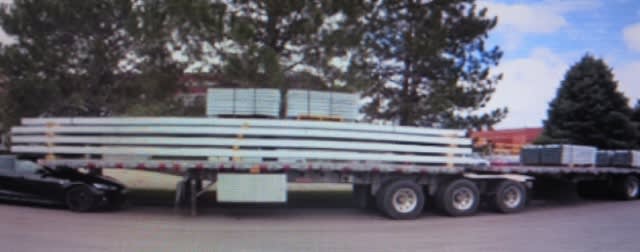
Trailer was the lead end of a parked B-train double. Tesla's driver said he was gone only a few minutes when this happened.
So, was the car’s software a non-perfected “beta-test” version? You’d think that should have gotten Mr. Overton a purchase discount, not to mention a complimentary new windshield. Wait 'til Consumer Reports hears about this!
More Blog Posts
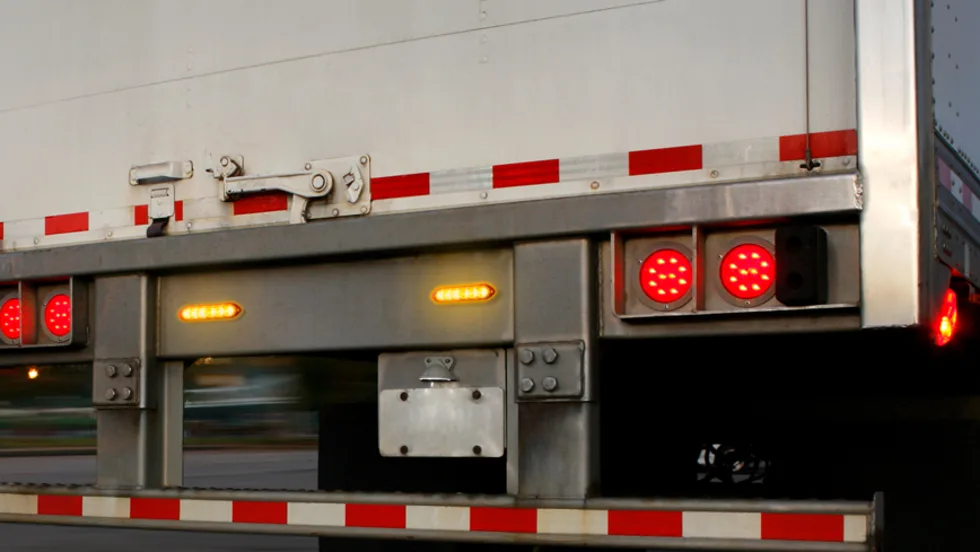
Pulsing Back-of-Trailer Lamps Aim to Prevent Crashes
Can the addition of a pulsing brake lamp on the back of a trailer prevent rear-end collisions? FMCSA seems to think so, if its exemptions are any indication.
Read More →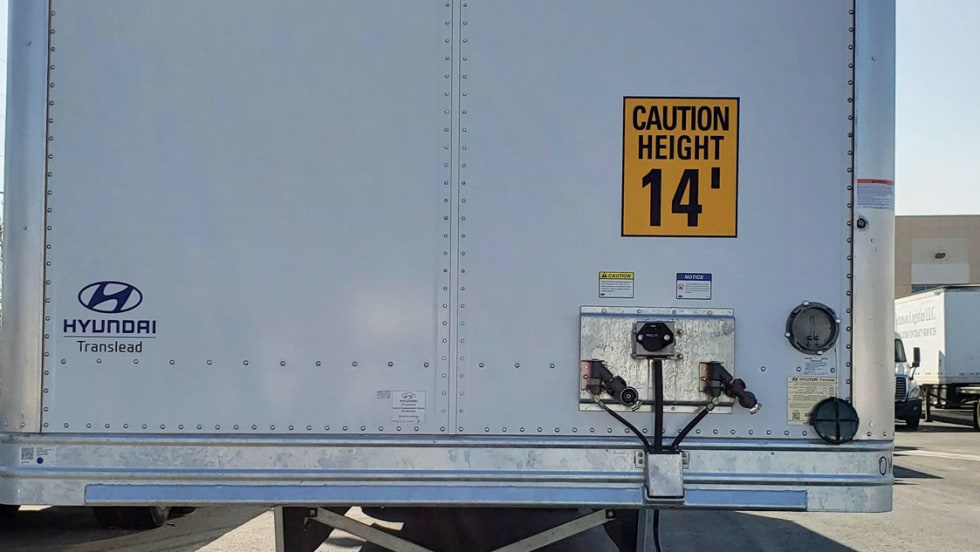
Designing a 14-Foot Trailer
Trailers are 13 feet, 6 inches high, right? Not for Hub Group, which developed a special 14-foot-high trailer spec for a dedicated customer based in California. Learn more in the Trailer Talk blog.
Read More →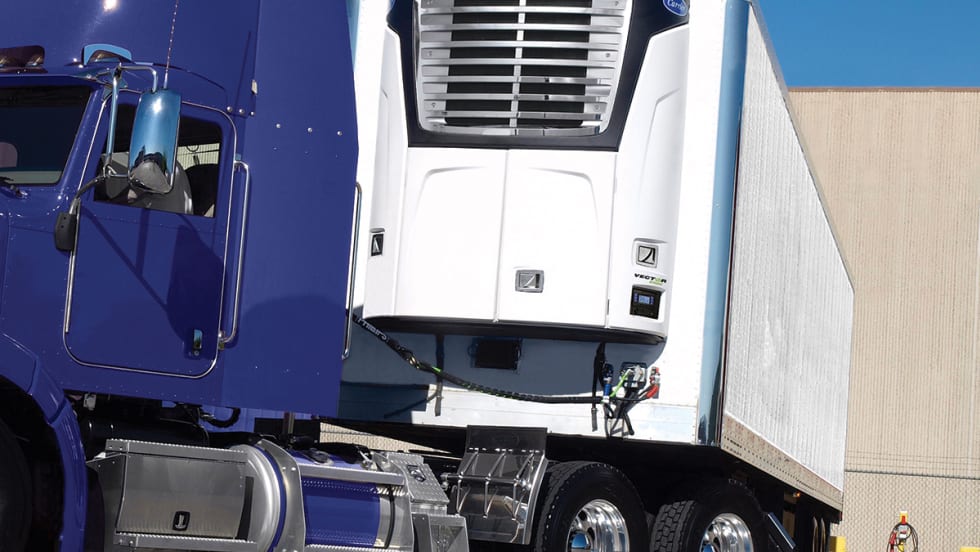
CARB Comes for Reefer Trailers
A new round of emissions control regulations decreed by the California Air Resource Board will begin affecting refrigerated trailer and TRU design and operations next year.
Read More →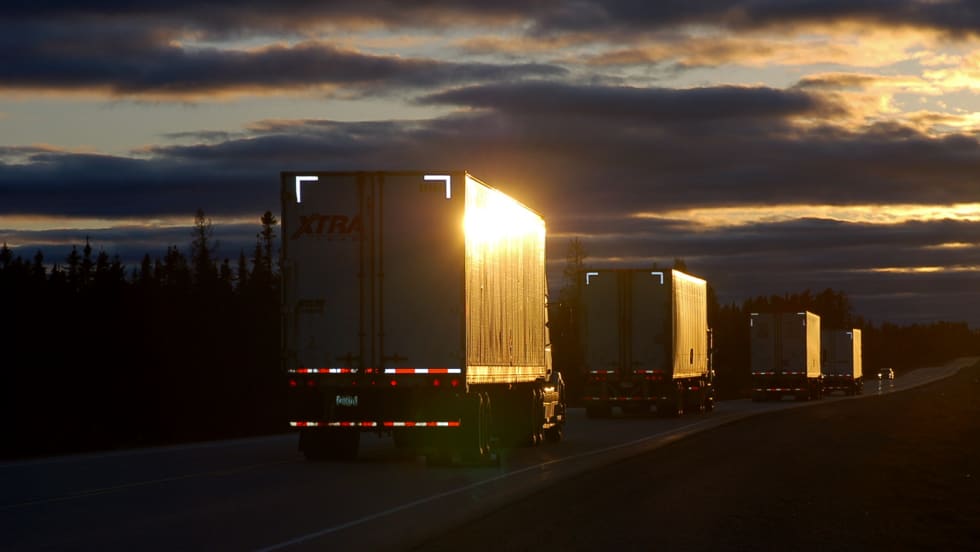
5 Ways Data Analysis Maximizes the Value of Trailer Telematics
Are you getting the most out of your trailer telematics investment?
Read More →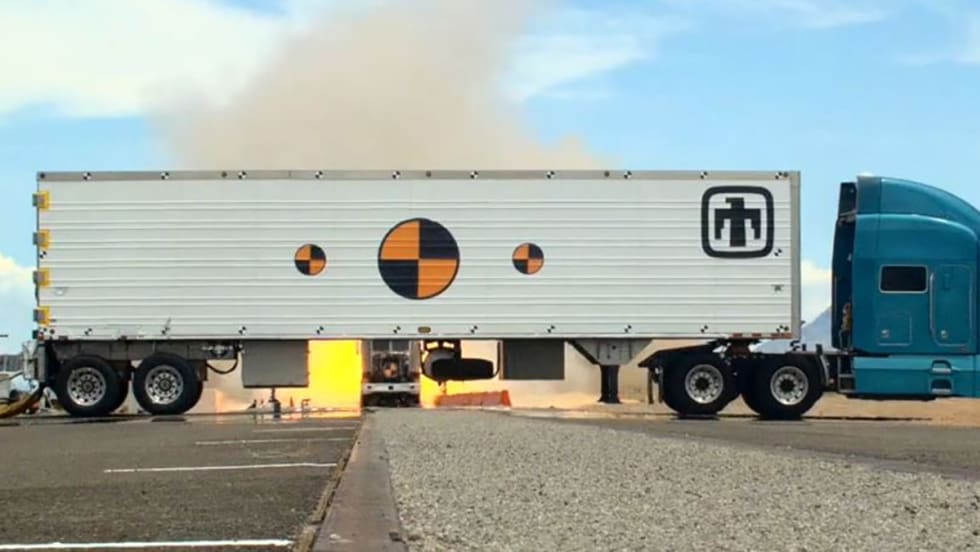
Can You Guess What's in That Trailer?
You don’t always know what’s in the trailers that pass you on the road. But some of those trailers are carrying something a little more dangerous that frozen food or new bedding…like, maybe, a nuclear weapon. But this isn’t an ordinary trailer; this is a trailer specifically made to not only carry this type of payload, but protect it at all costs.
Read More →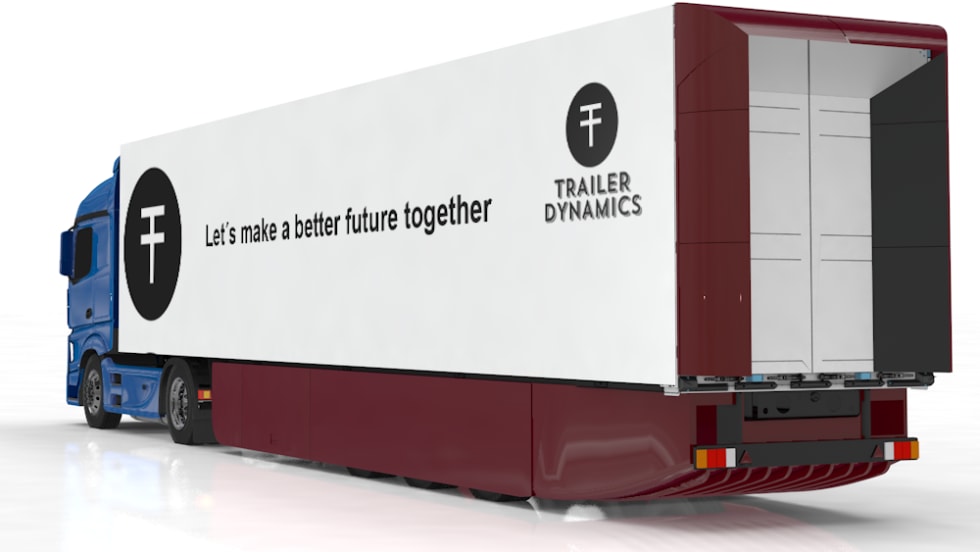
How Trailers Are Harnessing 'Free' Energy
Can trailers play a more active role in sustainable transport beyond aerodynamic add-ons or low-rolling-resistance tires? Some companies think so.
Read More →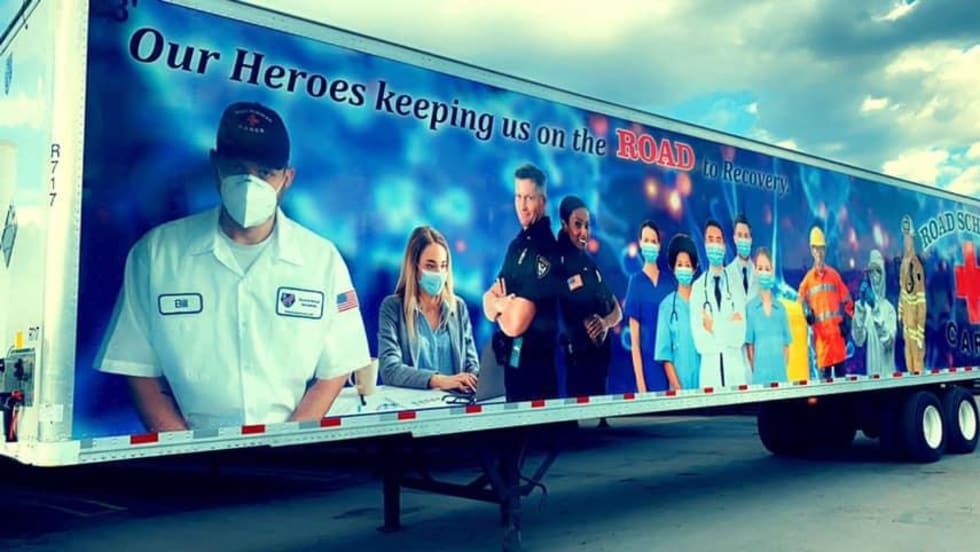
Wrapping a Trailer for COVID’s Everyday Heroes
“We don’t only deliver freight. We deliver awareness.” That’s what Jim Barrett, president and CEO of Road Scholar Transport, likes to say about the Dunmore, Pennsylvania-based carrier’s “awareness fleet.” Its latest trailer wrap honors the everyday heroes of the pandemic.
Read More →
How a Tanker Fleet is Using Unorthodox Trailer Lighting to Fight Rear-End Collisions
Groendyke Transport watched the number of rear-end collisions with its trailers rise steadily until it tried an unorthodox and then unapproved method of alerting following drivers that its trucks were applying brakes and slowing down.
Read More →
The Role Trailers are Playing in COVID-19 Funerals
In places such as New York City and Detroit, overwhelmed hospitals and mortuaries are using refrigerated trailers to store the bodies of people killed by COVID-19.
Read More →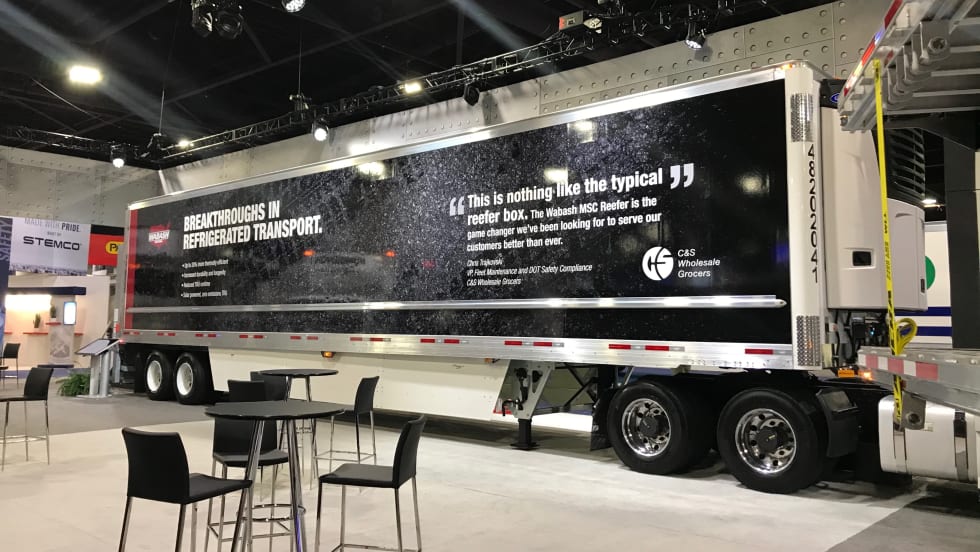
Reefer Trailer Aims to Help Reach Zero Emissions
Wabash National is partnering with C&S Wholesale Grocers to test a new type of zero-emissions refrigerated trailer.
Read More →