




Curved Upper Edge on Trailers Avoids Tree-Branch Damage
Tree branches batter top nose rails and corner caps of trailers because they snag on the sharp channels. Tom Berg talks to one fleet manager who found curved surfaces up there let the branches slide past harmlessly.

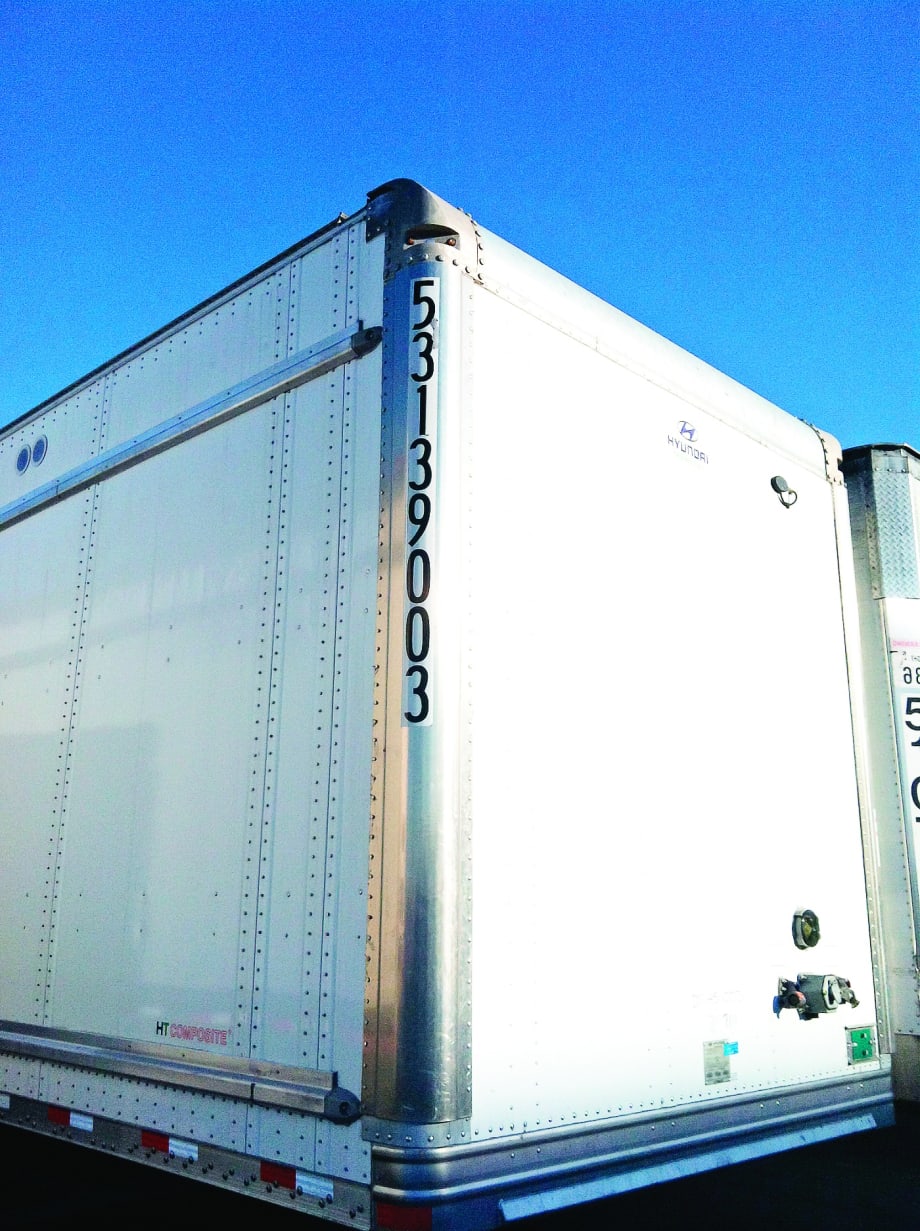
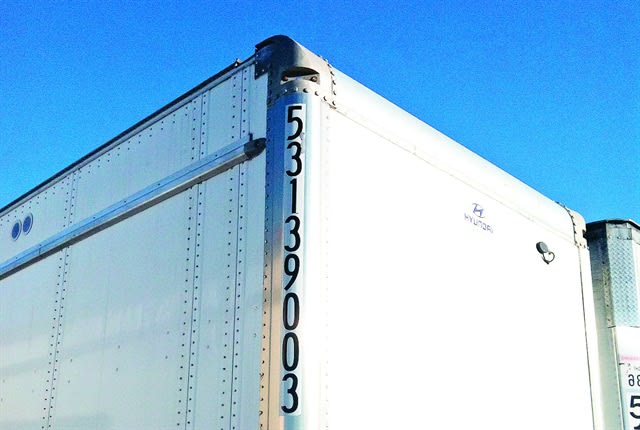
Damage to trailers from overhanging tree branches got Darry Stuart to thinking.
Stuart, a contract maintenance manager under his DWS Fleet Services banner and a former general chairman of ATA’s Technology & Maintenance Council, considered the problem faced by a wholesale grocery fleet and came up with a solution: a curved leading upper edge. It might be a first for its application, but he doesn’t claim originality.
“The curved upper edges have been used on truck bodies for years,” he notes, “so I figured they’d work on trailers, even if no one offered them. They save some fuel, although it can’t be measured, but what I was after was to reduce damage from branches.”
Tree limbs are common above streets and country highways and usually can’t be avoided. Branches batter top nose rails and corner caps of trailers because they snag on the sharp channels usually used. He reasoned that curved surfaces up there would let the branches slide past harmlessly.
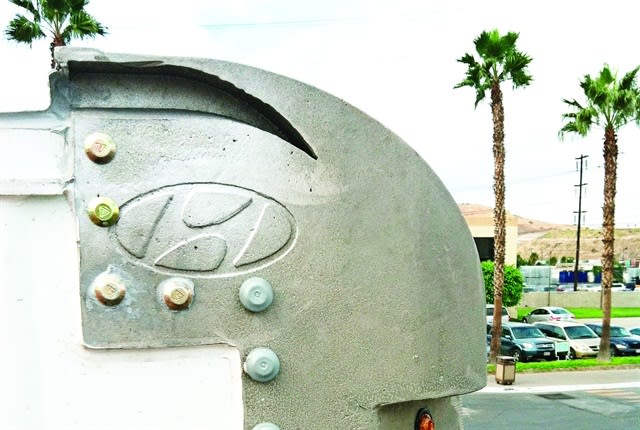
Stuart talked with designers at Hyundai Translead in San Diego and got them to incorporate a curved surface in an order for 500 new HT Plate vans. The first two were done with steel; for subsequent units he wanted ¼-inch aluminum but that’s hard to roll, so he settled for galvanized steel. It cost very little more than a standard design.
The curve has a radius of about 12 inches. It works as intended and that kind of damage to these trailers has been greatly reduced, he says. “And if they do get damaged, it’s easy to fix because you don’t get into the roof.”
The feature is on 500 Hyundai Translead 48- and 53-foot HT Plate van trailers with standard galvanized steel underframe. They're spec’d for a 15-year life with aluminum floors, extra crossmembers, a 50,000-pound Hendrickson air-ride suspension for its larger components, and dual steel wheels with Continental HSR2 tires.
The curved top nose rails should help them last that long.
More Blog Posts

Pulsing Back-of-Trailer Lamps Aim to Prevent Crashes
Can the addition of a pulsing brake lamp on the back of a trailer prevent rear-end collisions? FMCSA seems to think so, if its exemptions are any indication.
Read More →
Designing a 14-Foot Trailer
Trailers are 13 feet, 6 inches high, right? Not for Hub Group, which developed a special 14-foot-high trailer spec for a dedicated customer based in California. Learn more in the Trailer Talk blog.
Read More →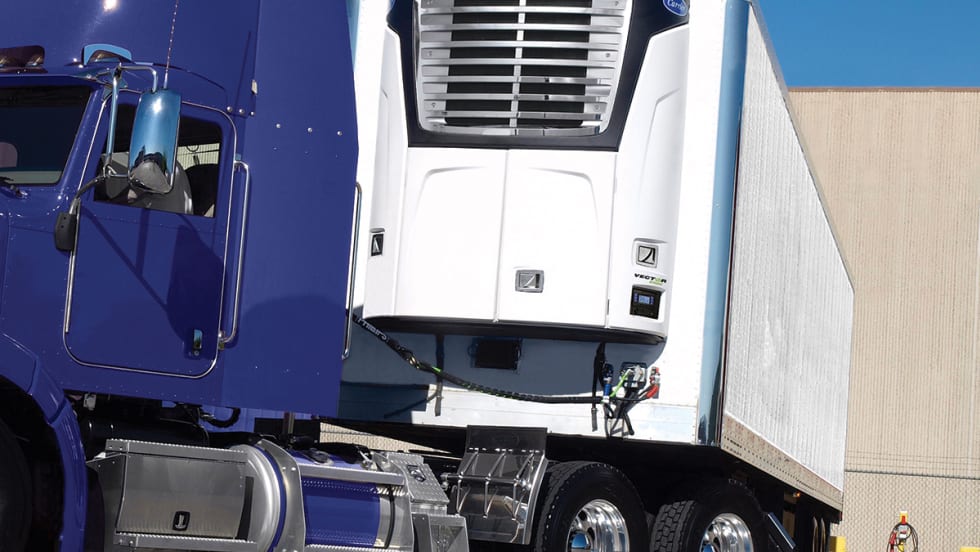
CARB Comes for Reefer Trailers
A new round of emissions control regulations decreed by the California Air Resource Board will begin affecting refrigerated trailer and TRU design and operations next year.
Read More →
5 Ways Data Analysis Maximizes the Value of Trailer Telematics
Are you getting the most out of your trailer telematics investment?
Read More →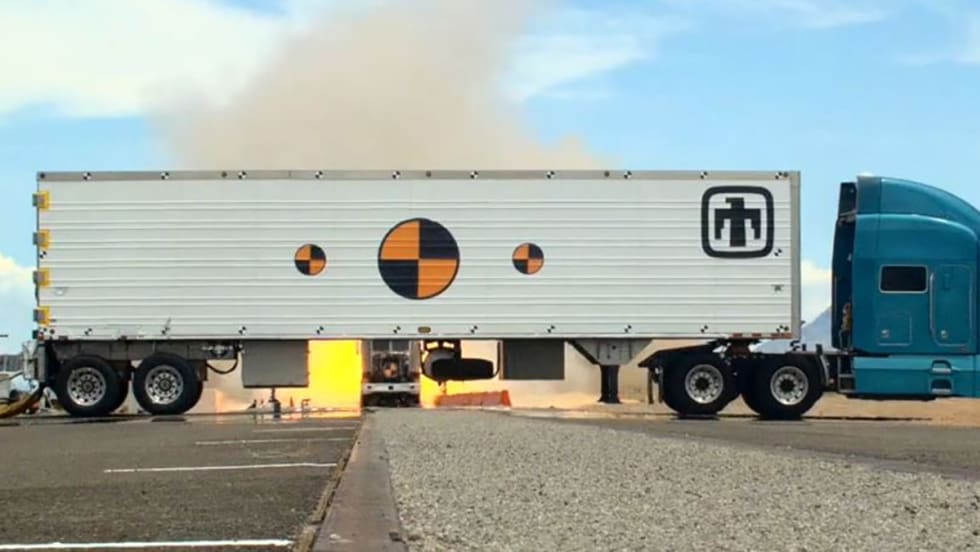
Can You Guess What's in That Trailer?
You don’t always know what’s in the trailers that pass you on the road. But some of those trailers are carrying something a little more dangerous that frozen food or new bedding…like, maybe, a nuclear weapon. But this isn’t an ordinary trailer; this is a trailer specifically made to not only carry this type of payload, but protect it at all costs.
Read More →
How Trailers Are Harnessing 'Free' Energy
Can trailers play a more active role in sustainable transport beyond aerodynamic add-ons or low-rolling-resistance tires? Some companies think so.
Read More →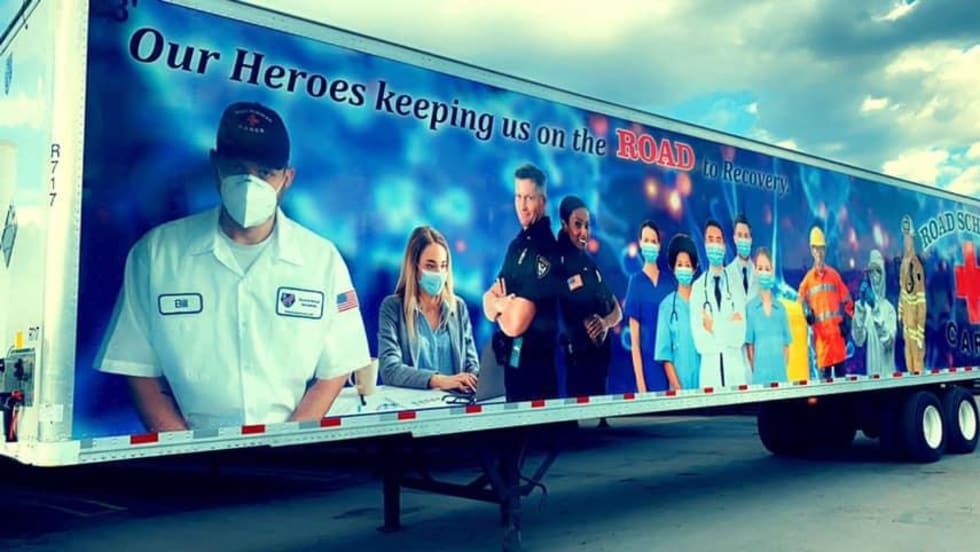
Wrapping a Trailer for COVID’s Everyday Heroes
“We don’t only deliver freight. We deliver awareness.” That’s what Jim Barrett, president and CEO of Road Scholar Transport, likes to say about the Dunmore, Pennsylvania-based carrier’s “awareness fleet.” Its latest trailer wrap honors the everyday heroes of the pandemic.
Read More →
How a Tanker Fleet is Using Unorthodox Trailer Lighting to Fight Rear-End Collisions
Groendyke Transport watched the number of rear-end collisions with its trailers rise steadily until it tried an unorthodox and then unapproved method of alerting following drivers that its trucks were applying brakes and slowing down.
Read More →
The Role Trailers are Playing in COVID-19 Funerals
In places such as New York City and Detroit, overwhelmed hospitals and mortuaries are using refrigerated trailers to store the bodies of people killed by COVID-19.
Read More →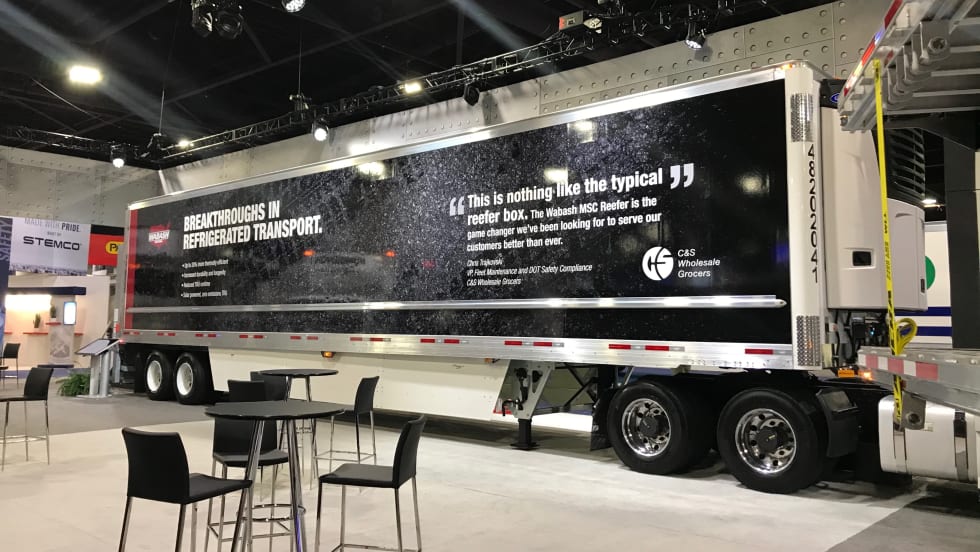
Reefer Trailer Aims to Help Reach Zero Emissions
Wabash National is partnering with C&S Wholesale Grocers to test a new type of zero-emissions refrigerated trailer.
Read More →