




Big-Fleet Demand for Vans Leads Surge in Trailer Orders
Freight growth gives fleets confidence to buy, while low cancellations push backlogs to six months. Tankers are also up strongly, but lack of a highway bill could upset dump-trailer business.

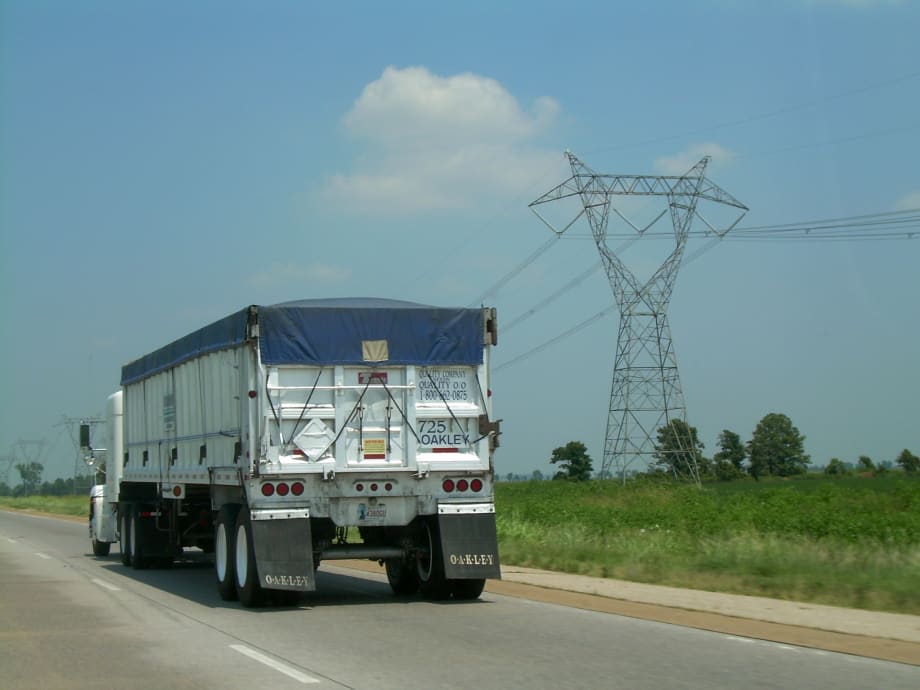
The growth of the dump business could be threatened by the lack of progress on a highway bill in Washington.
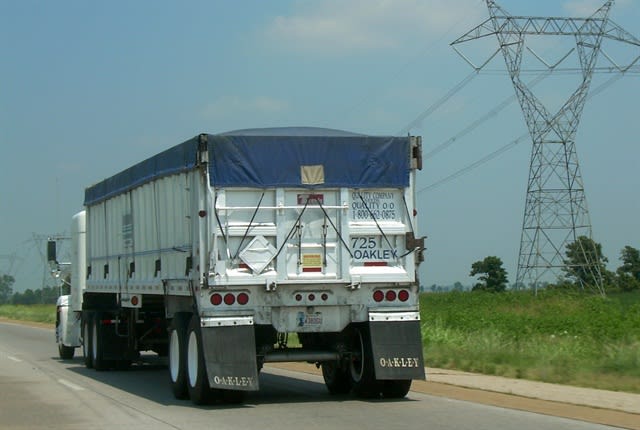
The growth of the dump business could be threatened by the lack of progress on a highway bill in Washington.
Pushed by large-fleet demand for dry vans and refrigerated trailers, overall trailer orders were up 25% in the first three months of 2014 and by 20% in April, reports ACT Research.
Vans and reefers were up 55%, “and that’s net orders after cancellations,” said Frank Maly, director of commercial transportation research and analysis. “Cancellations have been low pretty much across the board. Backlogs are roughly six months, and are into December for some OEs.”
Orders in the last three months of 2013 were “pretty even” compared to the previous year, but a surge began in January and continued into April. Most are for replacement of older trailers, but “you still have to have to money to pay for it,” he said.
ACT’s monthly surveys of large fleets also indicates that some are expanding because they see solid freight growth. The driver shortage is a puzzle because “just because you have new equipment doesn’t mean you can fill the seats to pull them," Maly says. "I think you’re seeing a shift to more hook-and-drop operations to make the best use of equipment and drivers.”
Also up are tankers and dumps.
“The tank side has come back rather significantly,” Maly said. “There are some small orders overall, but they’re up in the triple digits."
Two or three years ago they were up in dry bulk orders for hauling sand and ceramic materials for fracking, “but that fell apart pretty fast. And it led to negative net orders when natural gas prices started to ease and a lot of exploratory drilling fell off because it didn’t make economic sense to do that.
“And they were up against some good, gently used equipment that was coming onto the market. But it’s come back again for dry bulk. Liquid tanks are about double, mostly for oil and chemicals, and also for food stuffs."
Flatbeds have seen some improvement, in the lower double digits, 10 to 15%, year to date, he said.
“Dumps are in the 25% range year to date, but if we don’t get some firm commitments (from Congress) for highway construction, that’s gonna lead to some fits out there.
“The more we go into the year, the less likely we’re going to see a long-term bill. States are beginning to throw up their hands and say, ‘We’re going to have to do it ourselves.’ And drivers see the need for higher taxes.
"The problem is, some of the money goes to other things. I live in Michigan where we have high (fuel) taxes, and some of it is folded into the general fund,” he said.
“One question for the highway bill -- are we going to expand, going to longer pups (from current 28-foot trailers to 33-footers)? If so, a lot of it will be refurbs, expanding the existing trailers, and there will be a lot of new business.”
More Blog Posts
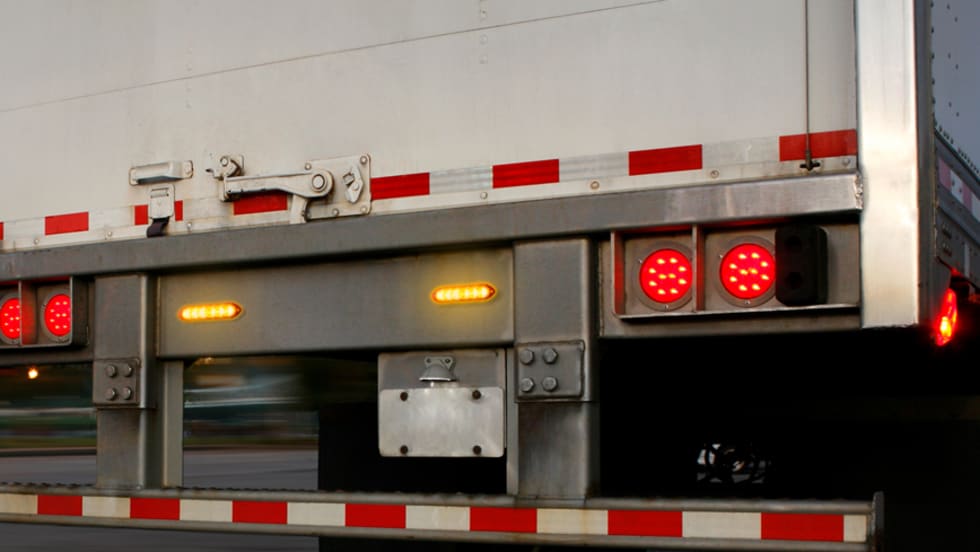
Pulsing Back-of-Trailer Lamps Aim to Prevent Crashes
Can the addition of a pulsing brake lamp on the back of a trailer prevent rear-end collisions? FMCSA seems to think so, if its exemptions are any indication.
Read More →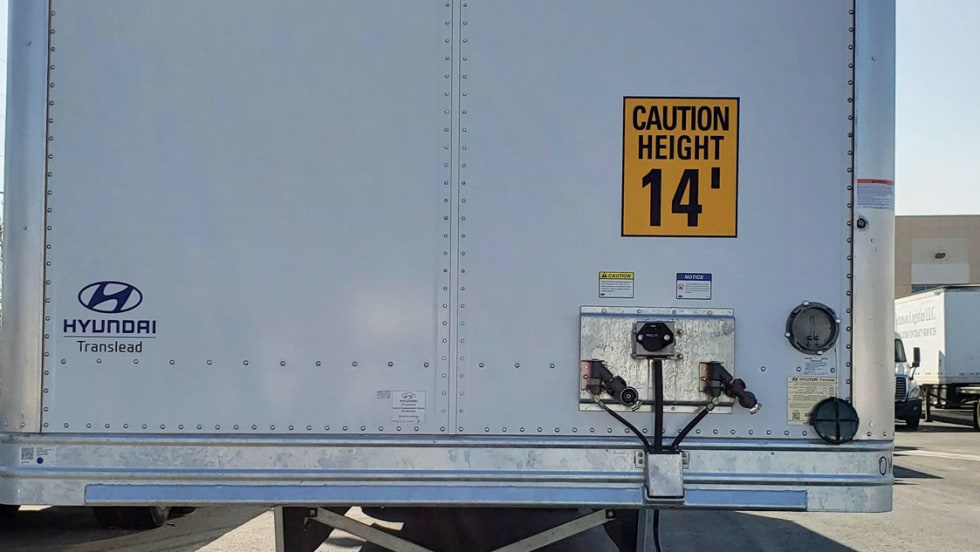
Designing a 14-Foot Trailer
Trailers are 13 feet, 6 inches high, right? Not for Hub Group, which developed a special 14-foot-high trailer spec for a dedicated customer based in California. Learn more in the Trailer Talk blog.
Read More →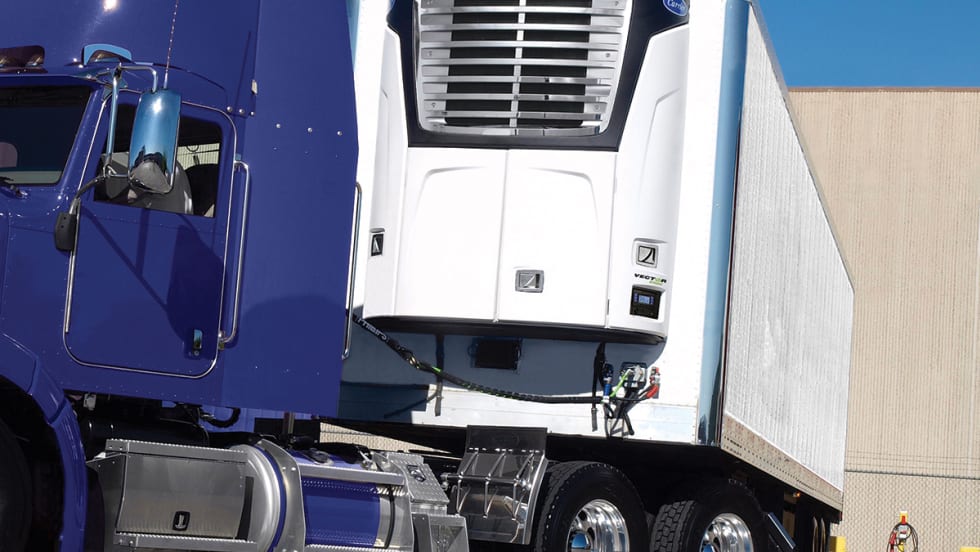
CARB Comes for Reefer Trailers
A new round of emissions control regulations decreed by the California Air Resource Board will begin affecting refrigerated trailer and TRU design and operations next year.
Read More →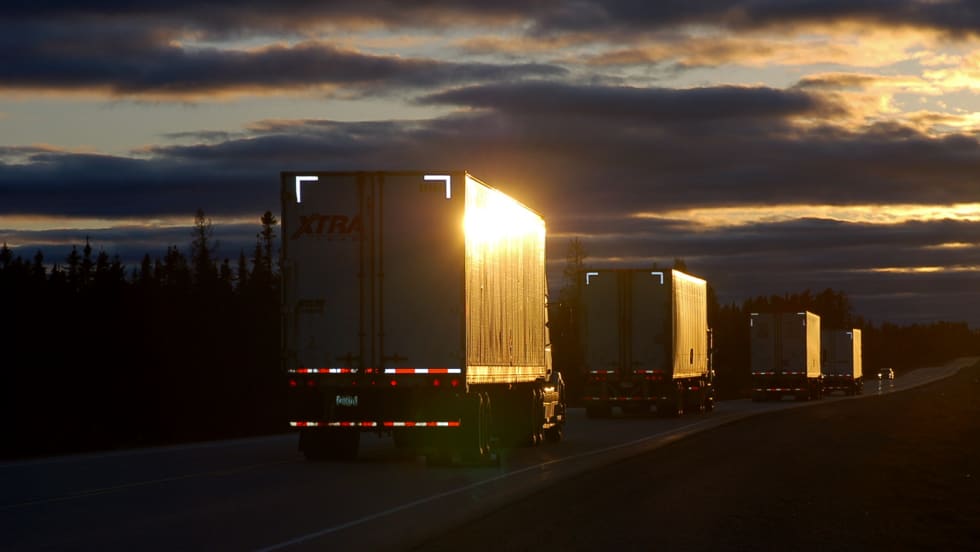
5 Ways Data Analysis Maximizes the Value of Trailer Telematics
Are you getting the most out of your trailer telematics investment?
Read More →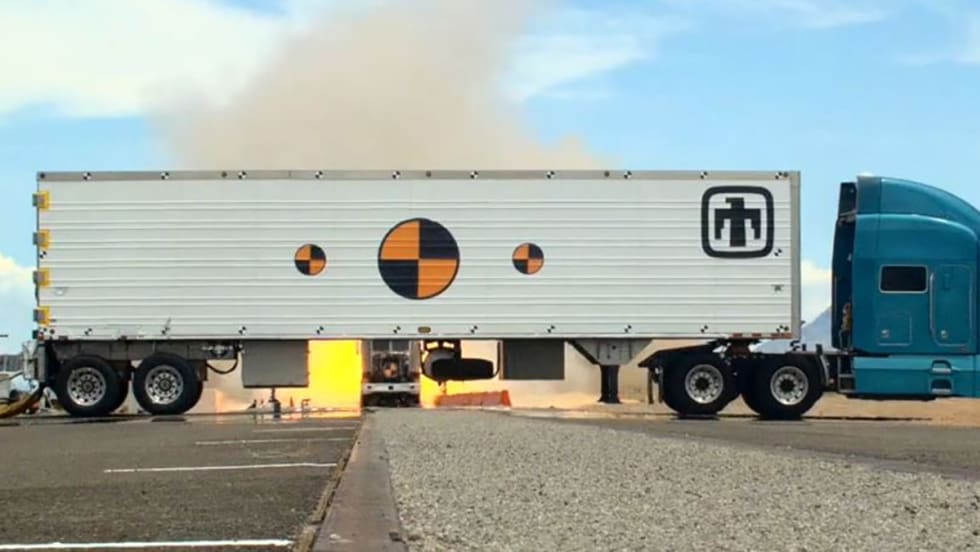
Can You Guess What's in That Trailer?
You don’t always know what’s in the trailers that pass you on the road. But some of those trailers are carrying something a little more dangerous that frozen food or new bedding…like, maybe, a nuclear weapon. But this isn’t an ordinary trailer; this is a trailer specifically made to not only carry this type of payload, but protect it at all costs.
Read More →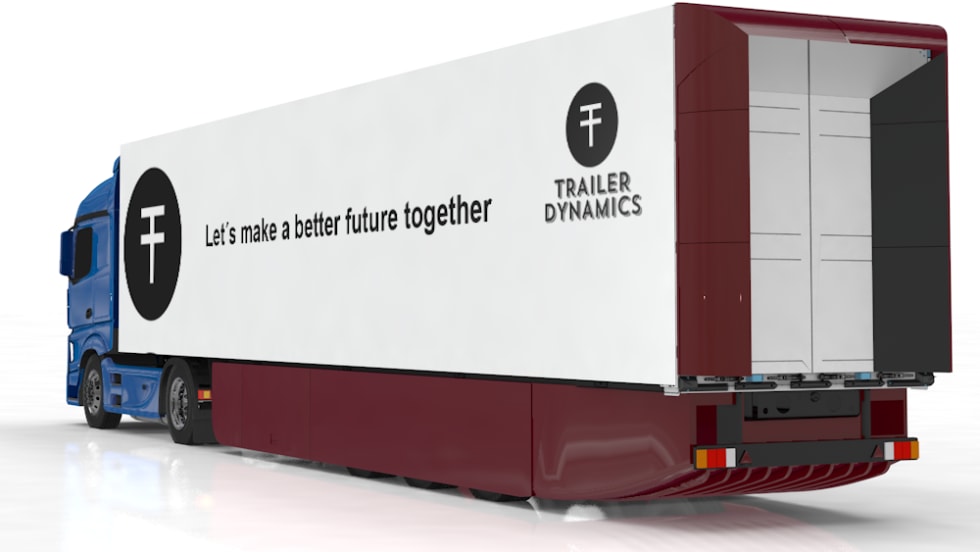
How Trailers Are Harnessing 'Free' Energy
Can trailers play a more active role in sustainable transport beyond aerodynamic add-ons or low-rolling-resistance tires? Some companies think so.
Read More →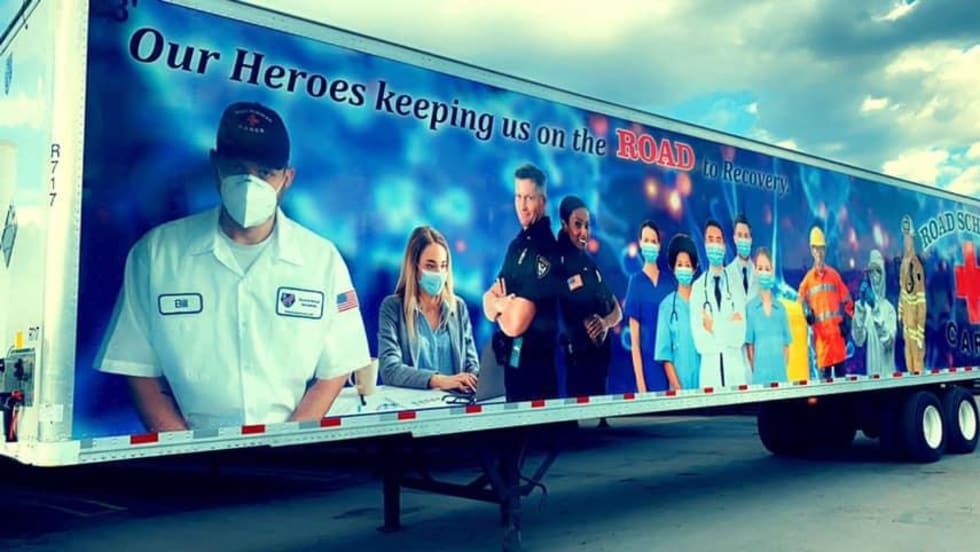
Wrapping a Trailer for COVID’s Everyday Heroes
“We don’t only deliver freight. We deliver awareness.” That’s what Jim Barrett, president and CEO of Road Scholar Transport, likes to say about the Dunmore, Pennsylvania-based carrier’s “awareness fleet.” Its latest trailer wrap honors the everyday heroes of the pandemic.
Read More →
How a Tanker Fleet is Using Unorthodox Trailer Lighting to Fight Rear-End Collisions
Groendyke Transport watched the number of rear-end collisions with its trailers rise steadily until it tried an unorthodox and then unapproved method of alerting following drivers that its trucks were applying brakes and slowing down.
Read More →
The Role Trailers are Playing in COVID-19 Funerals
In places such as New York City and Detroit, overwhelmed hospitals and mortuaries are using refrigerated trailers to store the bodies of people killed by COVID-19.
Read More →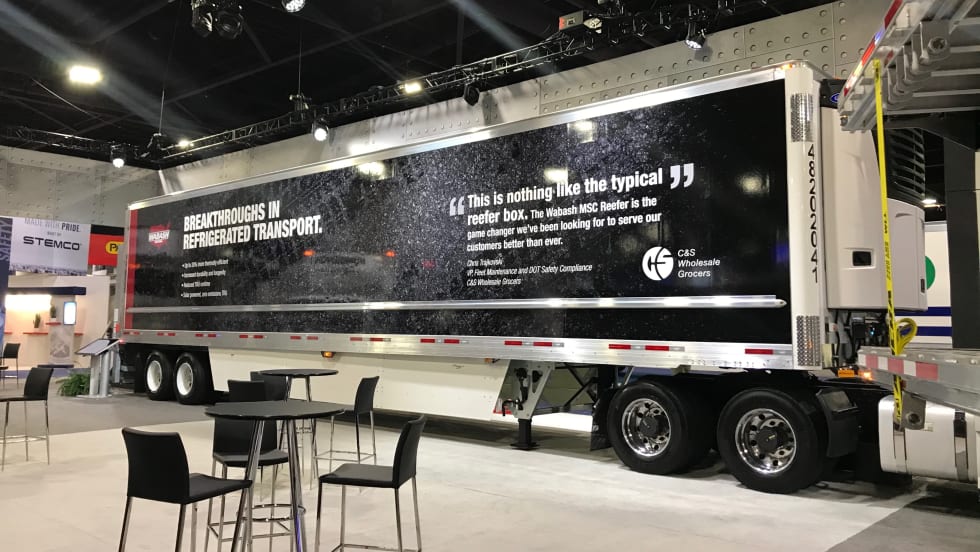
Reefer Trailer Aims to Help Reach Zero Emissions
Wabash National is partnering with C&S Wholesale Grocers to test a new type of zero-emissions refrigerated trailer.
Read More →