




Back a Double-Trailer Rig? There’s an App for That
The point is productivity: A vehicle longer and more complex than the single semis normally used in most of Europe could be employed to haul more cargo in one trip. And with little training, its driver could back it into position for loading or unloading.

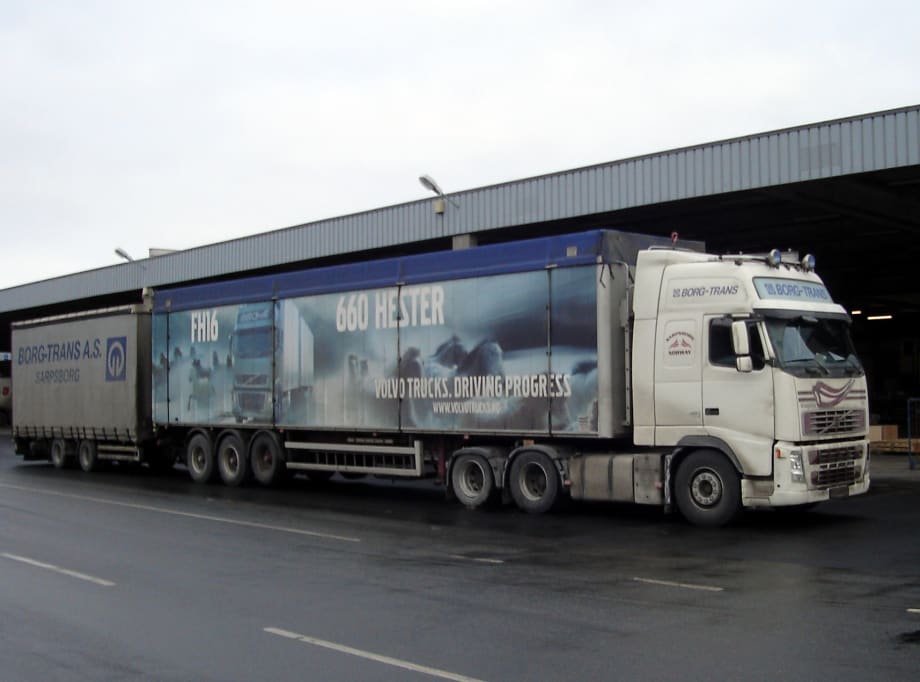
Backing a double-trailer combination can be done by truckers experienced with them, but can be very difficult for those who aren’t. Depending on the configuration, there can be two or three pivot points compared to the fifth wheel-kingpin connection on a single semi, and pushing the forward trailer so it backs just-so against the rear trailer is tricky.
That’s one reason a demonstration by ZF engineers a couple of weeks ago in Germany was impressive; another is that it wasn’t being done by a driver, but a guy with a tablet computer.
Engineers wrote a special application that sends steering and power signals to a tractor. On the tablet’s touch screen, the operator chose forward or reverse, then slid his finger over an image of the rear pup trailer, swinging it left or right.
The tractor’s electric power steering turned the front wheels to send the semitrailer and pup trailer in the direction desired by the operator, while the engine revved slightly and, working through an automated transmission, pushed or pulled the trailers as needed.
There was no one in the driver’s seat; it was all done through electronics. Moreover, the operator outside wasn’t directly steering the tractor; the steering responded to the tablet app’s signals, sent after the app calculated which way the tractor’s fifth wheel should push against semitrailer’s kingpin and thus against the drawbar of the pup trailer.
Why’d they do this? To encourage productivity -- to show that a vehicle longer and more complex than the single semis normally used in most of Europe could be employed to haul more cargo in one trip.
With little training, its driver could back it into position for loading or unloading, said engineers from ZF Friedrichshafen AG, which hosted a group of reporters on this demonstration.
Rigs like this are used in parts of Scandinavia, says our European correspondent, Sven-Erik Lindstrand, who sent a photo of one in Sweden.
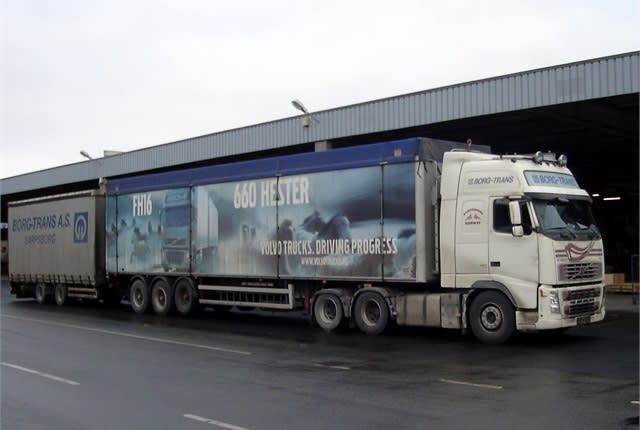
Normal length is 25.25 meters (82.84 feet) and weight is 60 metric tons (135,000 pounds), soon to rise to 74 tons (166,500 pounds). More often it’s a long straight truck pulling a long dolly-mounted single semi.
It was raining the day of our visit to the demonstration facility near Aachen, in western Germany, so photography was difficult. But ZF had a video shot on a previous sunny day, so you can see how the system works.
It’s a little tedious because maneuvering is slow, as it would be if a driver were backing the rig. How’d you like to play with that app?
More Blog Posts
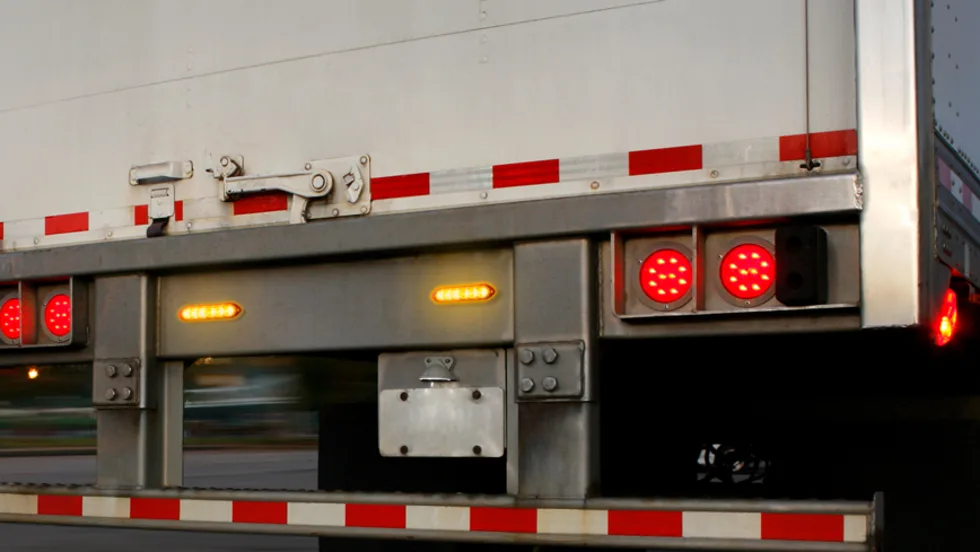
Pulsing Back-of-Trailer Lamps Aim to Prevent Crashes
Can the addition of a pulsing brake lamp on the back of a trailer prevent rear-end collisions? FMCSA seems to think so, if its exemptions are any indication.
Read More →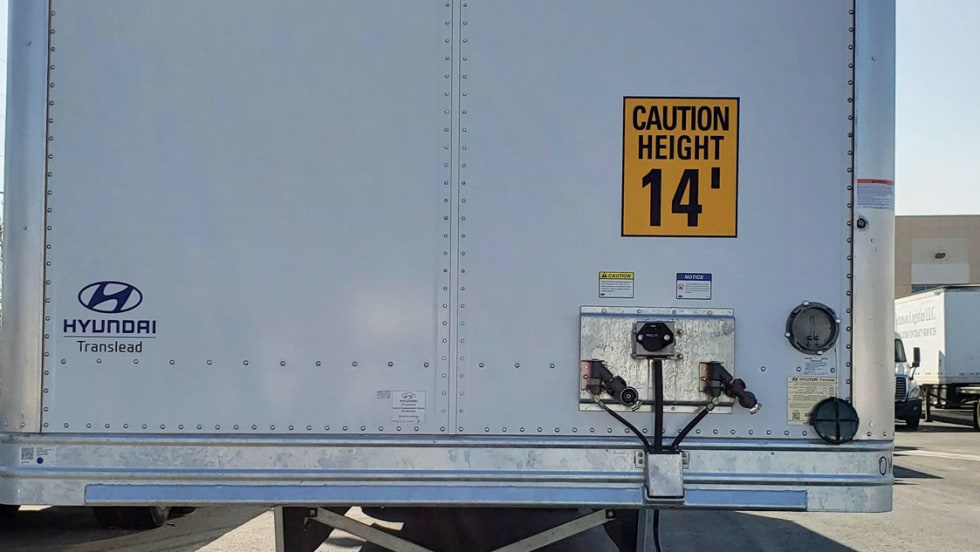
Designing a 14-Foot Trailer
Trailers are 13 feet, 6 inches high, right? Not for Hub Group, which developed a special 14-foot-high trailer spec for a dedicated customer based in California. Learn more in the Trailer Talk blog.
Read More →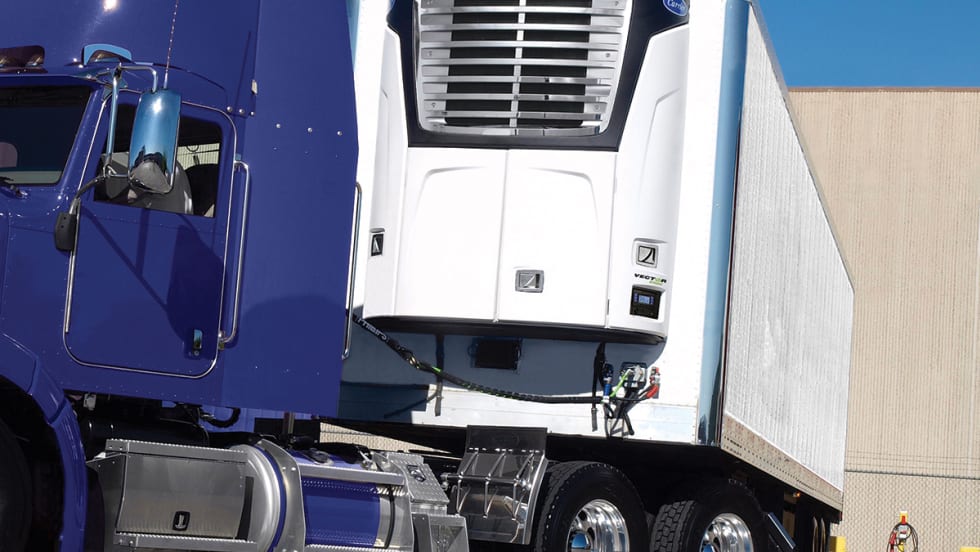
CARB Comes for Reefer Trailers
A new round of emissions control regulations decreed by the California Air Resource Board will begin affecting refrigerated trailer and TRU design and operations next year.
Read More →
5 Ways Data Analysis Maximizes the Value of Trailer Telematics
Are you getting the most out of your trailer telematics investment?
Read More →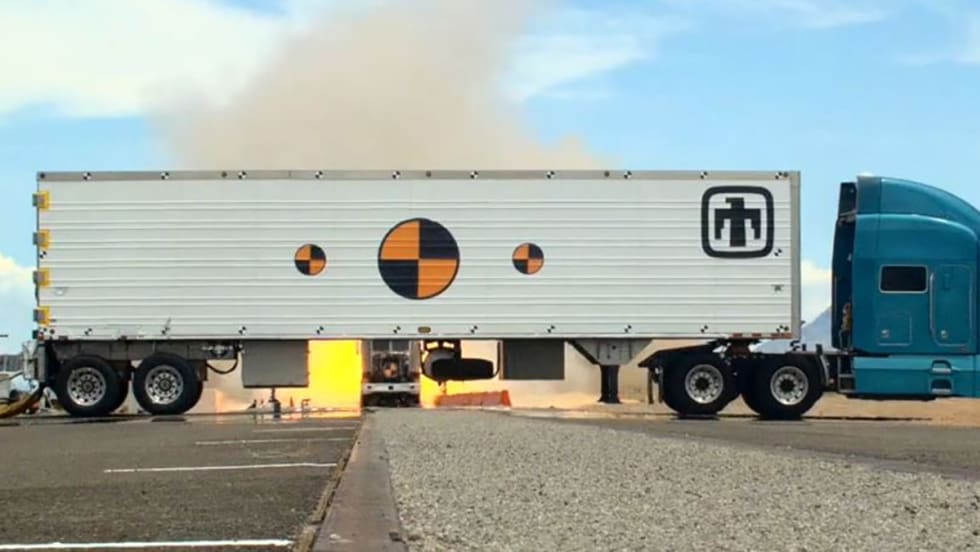
Can You Guess What's in That Trailer?
You don’t always know what’s in the trailers that pass you on the road. But some of those trailers are carrying something a little more dangerous that frozen food or new bedding…like, maybe, a nuclear weapon. But this isn’t an ordinary trailer; this is a trailer specifically made to not only carry this type of payload, but protect it at all costs.
Read More →
How Trailers Are Harnessing 'Free' Energy
Can trailers play a more active role in sustainable transport beyond aerodynamic add-ons or low-rolling-resistance tires? Some companies think so.
Read More →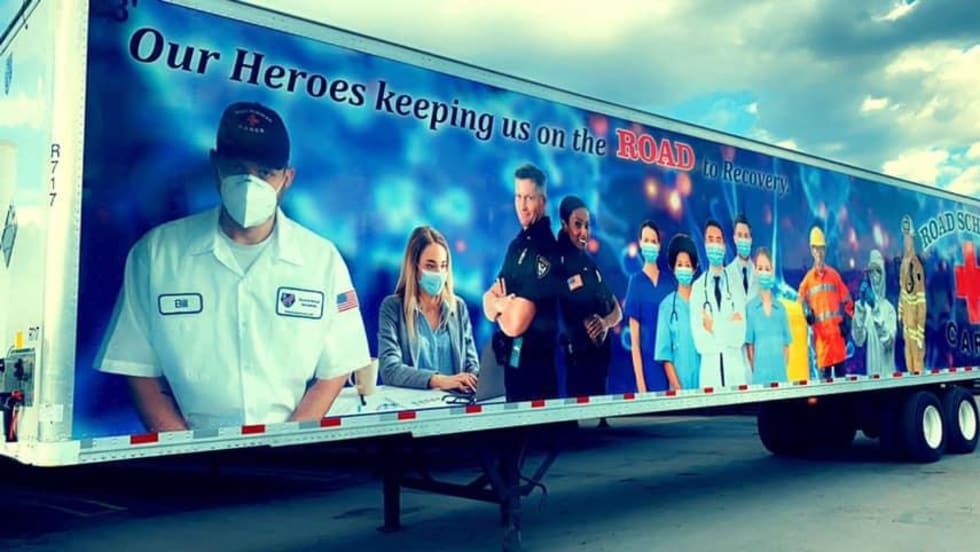
Wrapping a Trailer for COVID’s Everyday Heroes
“We don’t only deliver freight. We deliver awareness.” That’s what Jim Barrett, president and CEO of Road Scholar Transport, likes to say about the Dunmore, Pennsylvania-based carrier’s “awareness fleet.” Its latest trailer wrap honors the everyday heroes of the pandemic.
Read More →
How a Tanker Fleet is Using Unorthodox Trailer Lighting to Fight Rear-End Collisions
Groendyke Transport watched the number of rear-end collisions with its trailers rise steadily until it tried an unorthodox and then unapproved method of alerting following drivers that its trucks were applying brakes and slowing down.
Read More →
The Role Trailers are Playing in COVID-19 Funerals
In places such as New York City and Detroit, overwhelmed hospitals and mortuaries are using refrigerated trailers to store the bodies of people killed by COVID-19.
Read More →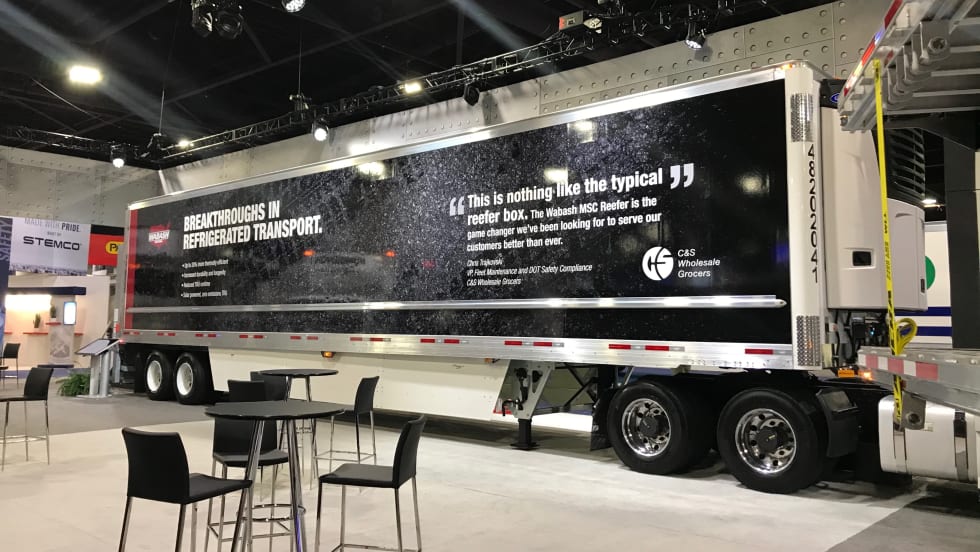
Reefer Trailer Aims to Help Reach Zero Emissions
Wabash National is partnering with C&S Wholesale Grocers to test a new type of zero-emissions refrigerated trailer.
Read More →