




Ancra Load Decking System Adds Payload, Cuts Freight Damage, User Says
A second generation load decking system from Ancra International is adding 10 to 30 percent to payloads while reducing damage claims by as much as 50 percent for Con-way Freight, a carrier representative said
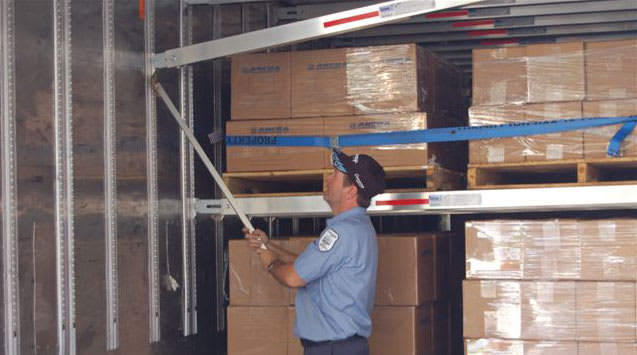
One worker can adjust Lift-A-Deck II's shoring beams to accommodate cargo below and support freight that will be placed on the beams. Integral securement straps keep freight from shifting and falling.
A second generation load decking system from Ancra International is adding 10 to 30 percent to payloads while reducing damage claims by as much as 50 percent for Con-way Freight, a carrier representative said.
Mark Arnold, project manager for Con-way's SafeStack program, said the less-than-truckload carrier has installed Ancra's Lift-A-Deck II system in 16,800 of its 28-foot pup trailers because it works so well. By later this year it will be in all its trailers. The system has also been retrofitted to about 100 of Con-way Truckload's 53-foot vans.
"Cargo damage is the leading cause of customer dissatisfaction," Arnold said. "Surveys have proved this. And the root cause is stacking cargo."
Lift-A-Deck II eliminates stacking and crushing, and secures the cargo against damage from shifting and falling. Also, the equipment is always at hand and ready to use - another source of savings, he said.
Lift-A-Deck's aluminum pieces never leave a trailer except for rare repairs, and a trailer never lacks equipment for decking. This saves time for dock workers, who don't have to leave a trailer to go on a hunt for equipment, and adds to their productivity.
Hardware includes vertical tracks mounted to walls or wall posts, extending about 6 feet down from the ceiling, and horizontal shoring beams that match the trailer's interior width, and can be adjusted to sit above lower-level cargo. A pair of beams can carry cargo pallets, though Con-way places plywood sheeting on beams, then sets pallets on the sheeting.
Beams adjust vertically in 1-inch increments, and tracks are indexed so beams can be leveled. When not in use, the beams are raised to the trailer's ceiling and locked there.
Securement straps are attached to the vertical side tracks to belt cargo into place on the beam-supported shelving, and straps are stowed in a box at the trailer's rear when not in use. The strap ends mate only with Lift-A-Deck II's tracks, which discourages theft because they're not usable for anything else.
Like other decking systems, Lift-A-Deck II utilizes space in the upper 30 percent of a van that often goes unused, said Paul Wolford, Ancra's director of national accounts. The added payload can generate revenue to pay for the system in as little as a few trips. It's also boosted productivity for dock workers
Installing the system in a 53-foot van costs $4,000 to $5,000 and takes about a day, Wolford said. Weight varies with the amount of hardware in varying size trailers, but a system adds 700 to 1,000 pounds to a trailer.
Tracks are attached solely to walls and transfer no cargo weight to the floor, Wolford explained. So walls must be strong, but the system has been installed on sheet-and-post and plate-type metal walls.
Ancra offers training and training materials so employees can be taught how to properly use Lift-A-Deck II. They must know how to adjust the hardware, secure loads, and how to avoid putting dense cargo on upper decks so the trailer becomes top heavy.
Drivers must know that decked cargo can raise a trailer's usual center of gravity and change handling characteristics. Because of training and professional care exhibited by Con-way drivers, the carrier has not had any driving mishaps attributable to Lift-A-Deck II, Arnold said.
Ancra introduced the system in 2002, and since then has sold thousands, Wolford said. Demand will be boosted by new federal regulations encouraging safe securement of cargo. Ancra expects to have sold 55,000 by 2013. The original Lift-A-Deck is no longer made.
More Blog Posts
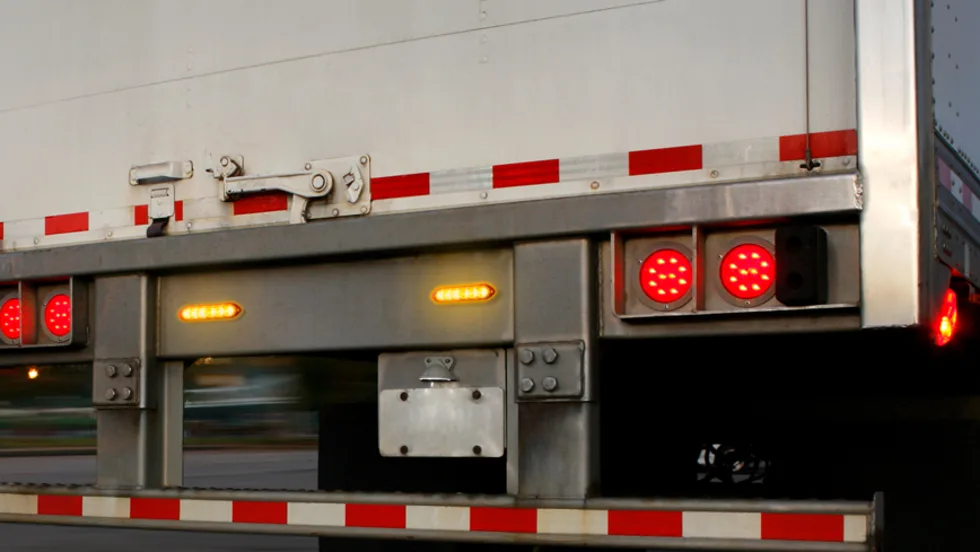
Pulsing Back-of-Trailer Lamps Aim to Prevent Crashes
Can the addition of a pulsing brake lamp on the back of a trailer prevent rear-end collisions? FMCSA seems to think so, if its exemptions are any indication.
Read More →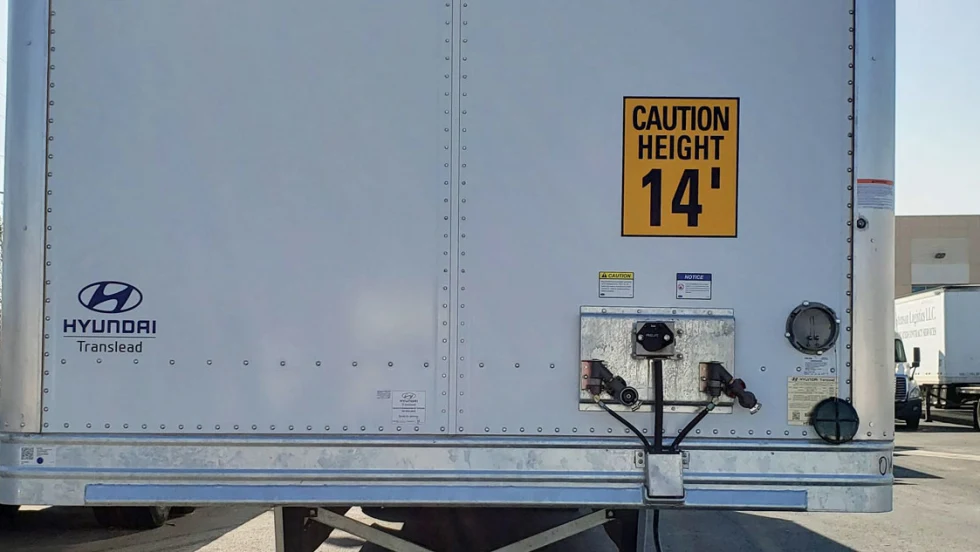
Designing a 14-Foot Trailer
Trailers are 13 feet, 6 inches high, right? Not for Hub Group, which developed a special 14-foot-high trailer spec for a dedicated customer based in California. Learn more in the Trailer Talk blog.
Read More →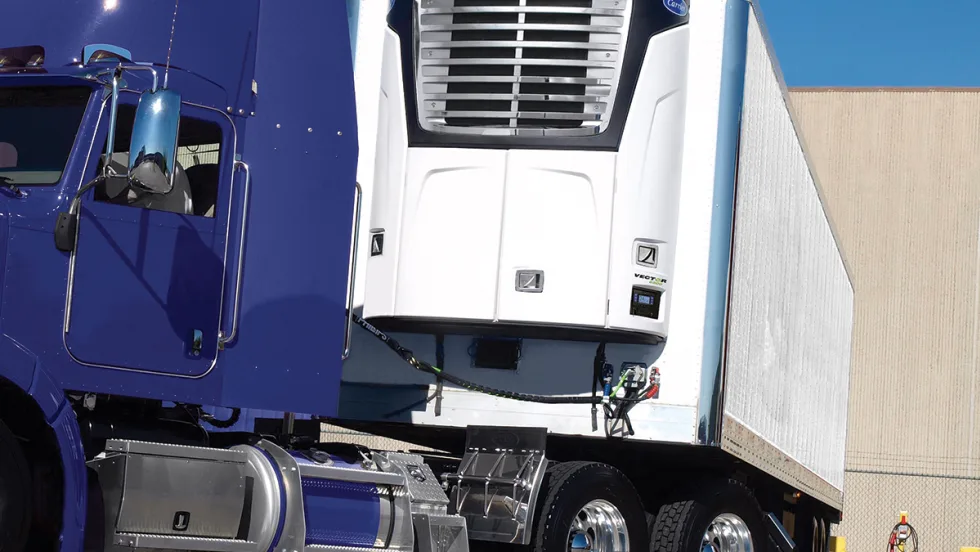
CARB Comes for Reefer Trailers
A new round of emissions control regulations decreed by the California Air Resource Board will begin affecting refrigerated trailer and TRU design and operations next year.
Read More →
5 Ways Data Analysis Maximizes the Value of Trailer Telematics
Are you getting the most out of your trailer telematics investment?
Read More →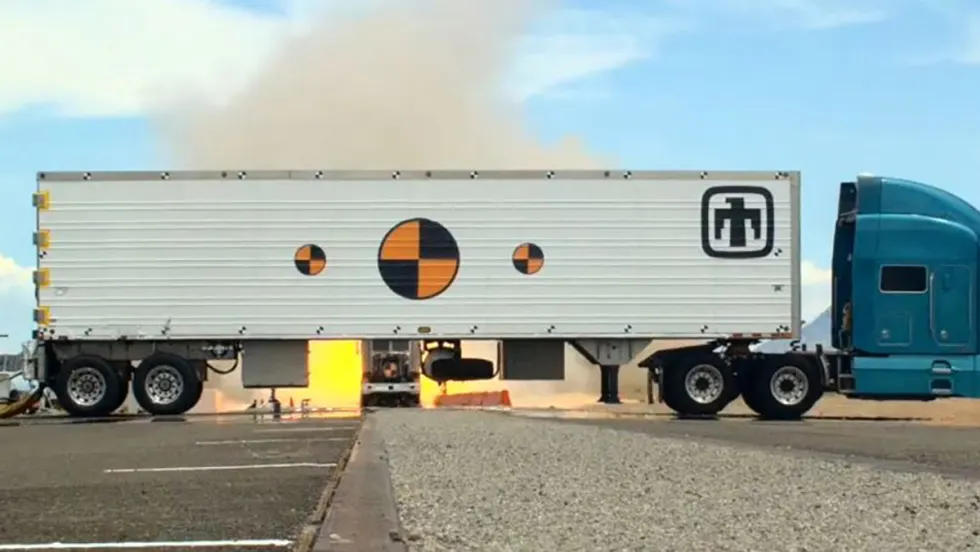
Can You Guess What's in That Trailer?
You don’t always know what’s in the trailers that pass you on the road. But some of those trailers are carrying something a little more dangerous that frozen food or new bedding…like, maybe, a nuclear weapon. But this isn’t an ordinary trailer; this is a trailer specifically made to not only carry this type of payload, but protect it at all costs.
Read More →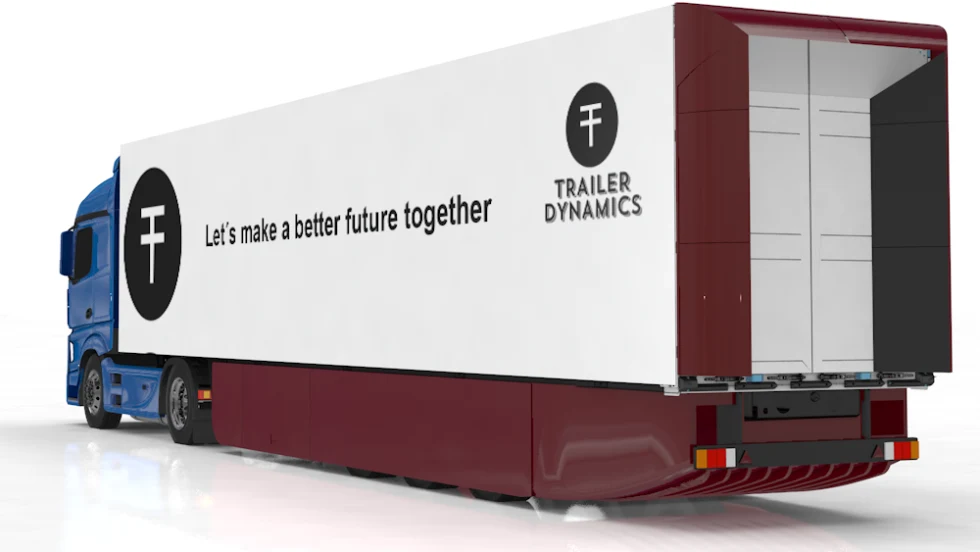
How Trailers Are Harnessing 'Free' Energy
Can trailers play a more active role in sustainable transport beyond aerodynamic add-ons or low-rolling-resistance tires? Some companies think so.
Read More →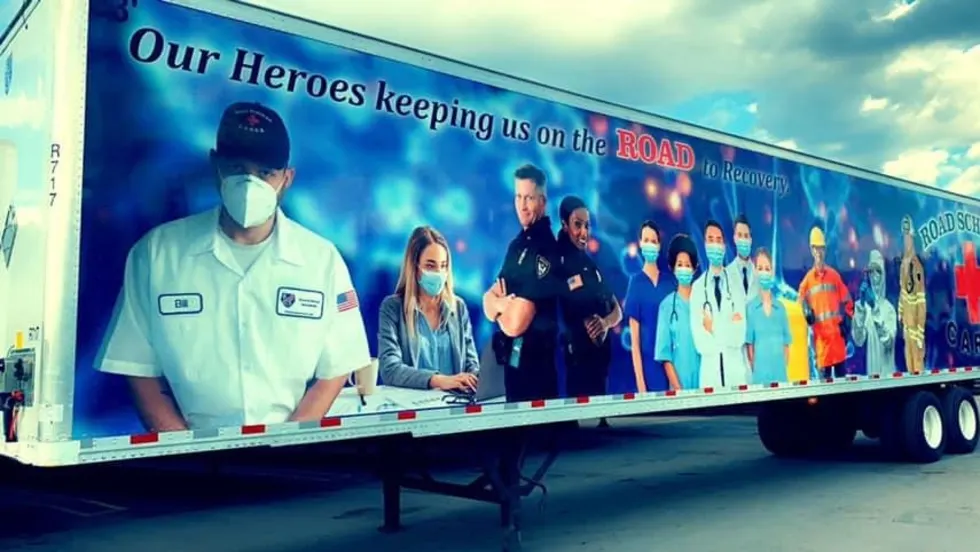
Wrapping a Trailer for COVID’s Everyday Heroes
“We don’t only deliver freight. We deliver awareness.” That’s what Jim Barrett, president and CEO of Road Scholar Transport, likes to say about the Dunmore, Pennsylvania-based carrier’s “awareness fleet.” Its latest trailer wrap honors the everyday heroes of the pandemic.
Read More →
How a Tanker Fleet is Using Unorthodox Trailer Lighting to Fight Rear-End Collisions
Groendyke Transport watched the number of rear-end collisions with its trailers rise steadily until it tried an unorthodox and then unapproved method of alerting following drivers that its trucks were applying brakes and slowing down.
Read More →
The Role Trailers are Playing in COVID-19 Funerals
In places such as New York City and Detroit, overwhelmed hospitals and mortuaries are using refrigerated trailers to store the bodies of people killed by COVID-19.
Read More →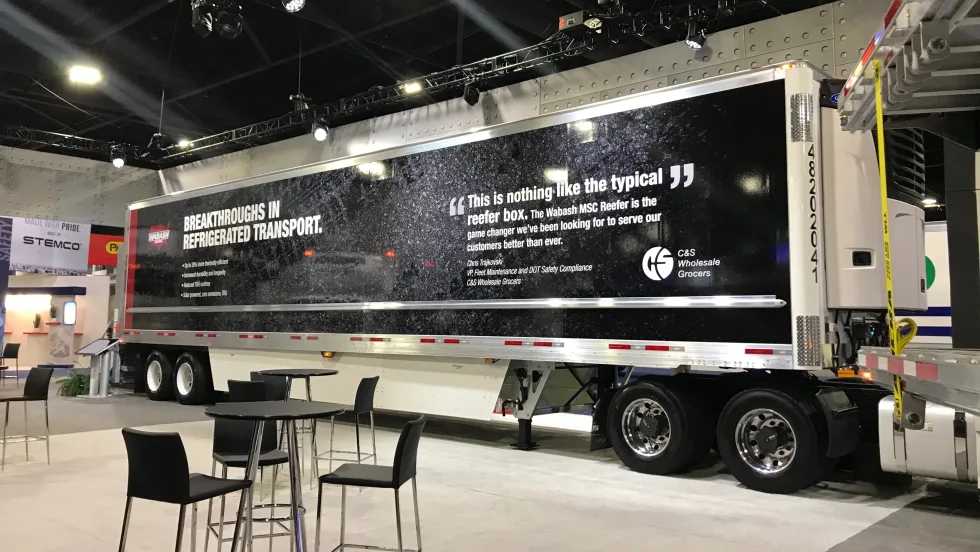
Reefer Trailer Aims to Help Reach Zero Emissions
Wabash National is partnering with C&S Wholesale Grocers to test a new type of zero-emissions refrigerated trailer.
Read More →