




Aging trailers, healthy freight business push fleets into buying new equipment
That commercial vehicles have been getting old has become an adage in the last few years, and here are more numbers to support it
That commercial vehicles have been getting old has become an adage in the last few years, and here are more numbers to support it.
This past summer, Chris Kemmer of CK Marketing & Communications surveyed fleets of various sizes and types and found that trailers and tractors are indeed aging. This, along with the steady if not booming economic recovery, has driven managers into buying new equipment.
Trailer ages reported by 50 fleets responding to the survey were as much as 17.9 years for a group of dumps and flatbeds in a construction operation to as low as 2.2 years for reefers, flats and food-grade tankers in a for-hire fleet, Kemmer told an audience at FTR Associates' annual conference last week in Indianapolis.
Ages for those types as well as dry vans, reefers, liquid and bulk tankers, dumps, hopper-bottoms, chip trailers and others covered almost every number in between, her tally shows. Examples include a casket maker's dry vans that are 10 years old; an LTL carrier's vans at 7 years; a cement hauler's bulk tankers and flatbeds at 11.1; and a bulk commodities carrier's dry-bulk tankers at 13.
Some of those trailers traditionally lead long lives because they are so stout and expensive, and those engaged in construction will see additional duty because much of the construction world is stagnant. But some that have been reactivated in the general freight recovery normally have shorter life cycles and are ripe for retirement.
Indeed, "most trailer purchases are for replacement," Kemmer said. Healthy freight movement and good revenues plus old equipment age means "they need to buy trucks."
The survey was of fleets not normally heard from in the trucking industry, she said. "Many small and midsize fleets are doing well and have been. Often, they're buying when the large fleets are not."
Freight demand has exceeded capacity since the third quarter of 2008, and equipment utilization is up by about 5 to 10 percentage points. It was at 70 to 75% for trailers and 85 to 90% for power units as of the end of July, according to the survey.
The buying spree began in earnest last year following the start of the recovery in late 2009. It has continued this year, though orders have slackened of late, and the buying will stretch into 2012, according to respondents who shared their purchasing intentions.
One damper on buying is the driver shortage. "Some tractors are still parked on lots because they (the fleets) don't have drivers for them," Kemmer said. "Forty percent of fleets say that the driver shortage is affecting them right now. Seventy-nine percent need drivers now, 63% say it's affecting their growth, and 42% say it's changing the way they deploy their trucks."
For example, some fleets are switching from long-hauling to regional carriage so their drivers can get home more often. One driver quoted in the survey said his family-oriented lifestyle was more important than anything else, including pay. He wants to be home every night.
Some trailers are also parked - 14.6% of respondents' equipment going into this year's third quarter compared to 31.2% in the second quarter. That shows that many are busy, but not all.
Kemmer found at least one anomaly in her data -- a hauler of building supplies whose major shipper went out of business. Half his flatbeds were tied up with that customer, then they were suddenly idle. He's taking steps to diversify his customer base so he doesn't see such a downturn again.
More Blog Posts

Pulsing Back-of-Trailer Lamps Aim to Prevent Crashes
Can the addition of a pulsing brake lamp on the back of a trailer prevent rear-end collisions? FMCSA seems to think so, if its exemptions are any indication.
Read More →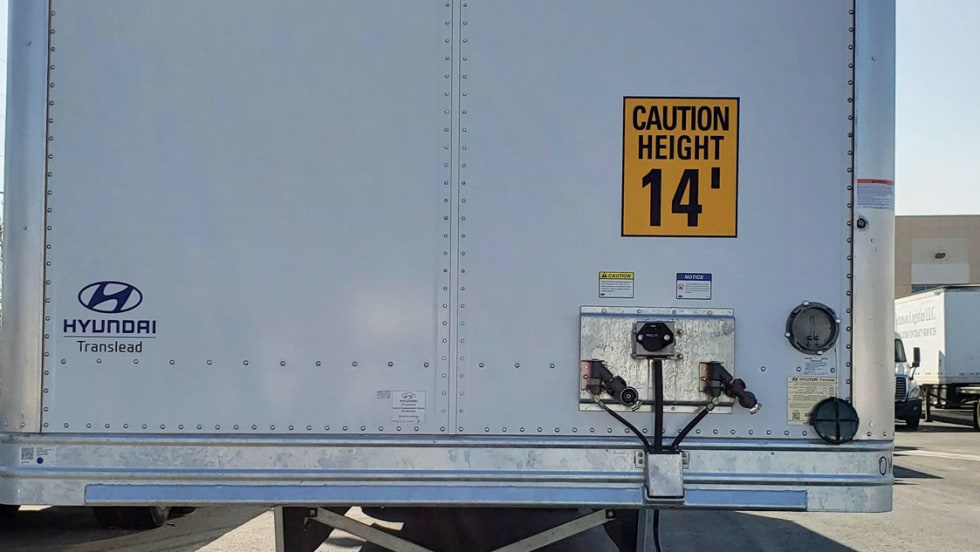
Designing a 14-Foot Trailer
Trailers are 13 feet, 6 inches high, right? Not for Hub Group, which developed a special 14-foot-high trailer spec for a dedicated customer based in California. Learn more in the Trailer Talk blog.
Read More →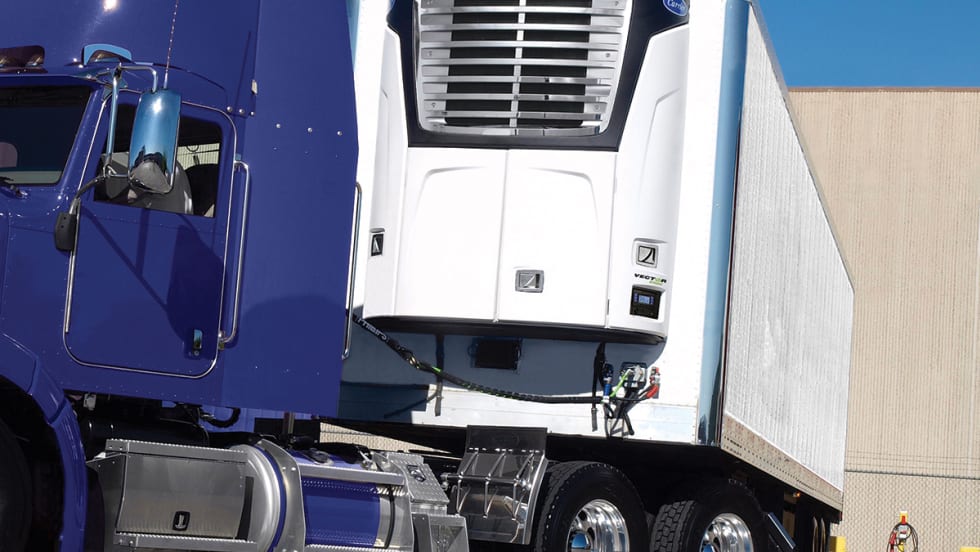
CARB Comes for Reefer Trailers
A new round of emissions control regulations decreed by the California Air Resource Board will begin affecting refrigerated trailer and TRU design and operations next year.
Read More →
5 Ways Data Analysis Maximizes the Value of Trailer Telematics
Are you getting the most out of your trailer telematics investment?
Read More →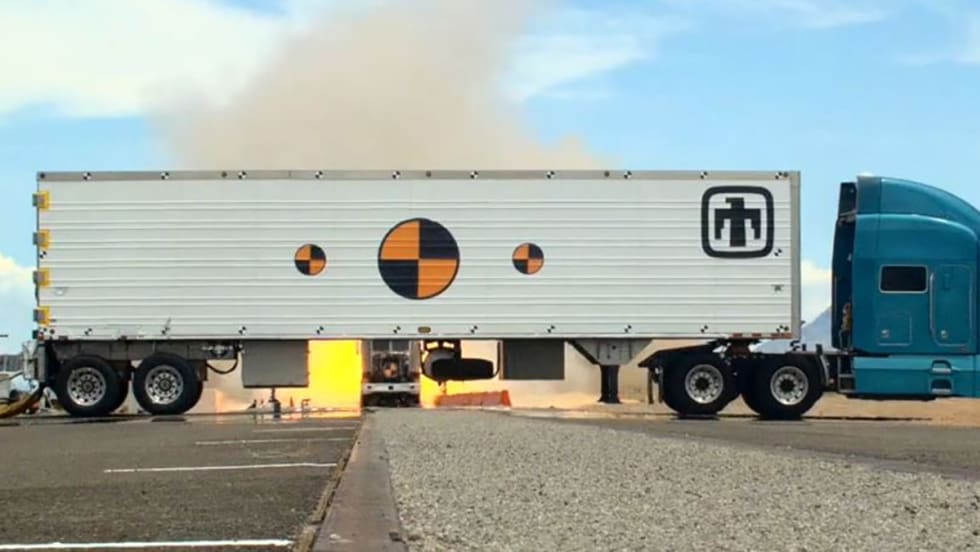
Can You Guess What's in That Trailer?
You don’t always know what’s in the trailers that pass you on the road. But some of those trailers are carrying something a little more dangerous that frozen food or new bedding…like, maybe, a nuclear weapon. But this isn’t an ordinary trailer; this is a trailer specifically made to not only carry this type of payload, but protect it at all costs.
Read More →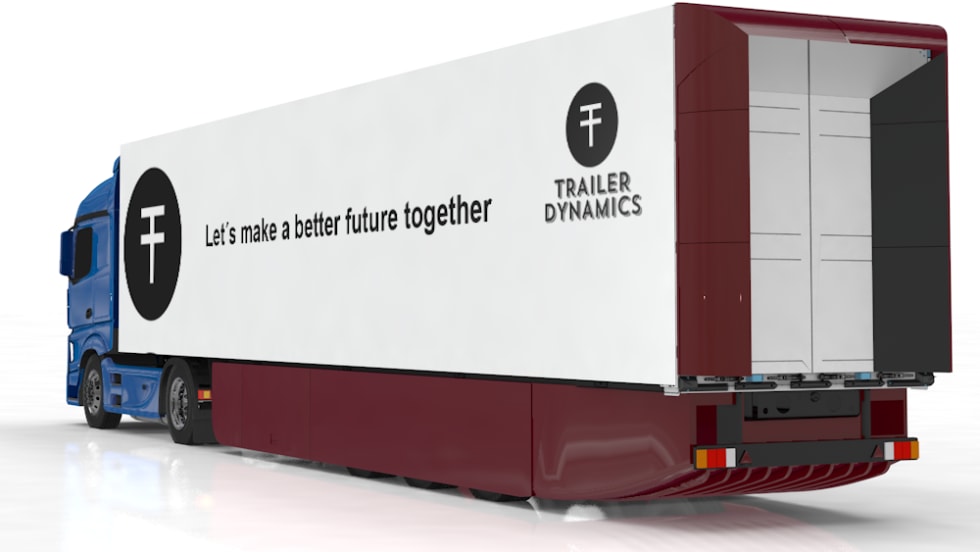
How Trailers Are Harnessing 'Free' Energy
Can trailers play a more active role in sustainable transport beyond aerodynamic add-ons or low-rolling-resistance tires? Some companies think so.
Read More →
Wrapping a Trailer for COVID’s Everyday Heroes
“We don’t only deliver freight. We deliver awareness.” That’s what Jim Barrett, president and CEO of Road Scholar Transport, likes to say about the Dunmore, Pennsylvania-based carrier’s “awareness fleet.” Its latest trailer wrap honors the everyday heroes of the pandemic.
Read More →
How a Tanker Fleet is Using Unorthodox Trailer Lighting to Fight Rear-End Collisions
Groendyke Transport watched the number of rear-end collisions with its trailers rise steadily until it tried an unorthodox and then unapproved method of alerting following drivers that its trucks were applying brakes and slowing down.
Read More →
The Role Trailers are Playing in COVID-19 Funerals
In places such as New York City and Detroit, overwhelmed hospitals and mortuaries are using refrigerated trailers to store the bodies of people killed by COVID-19.
Read More →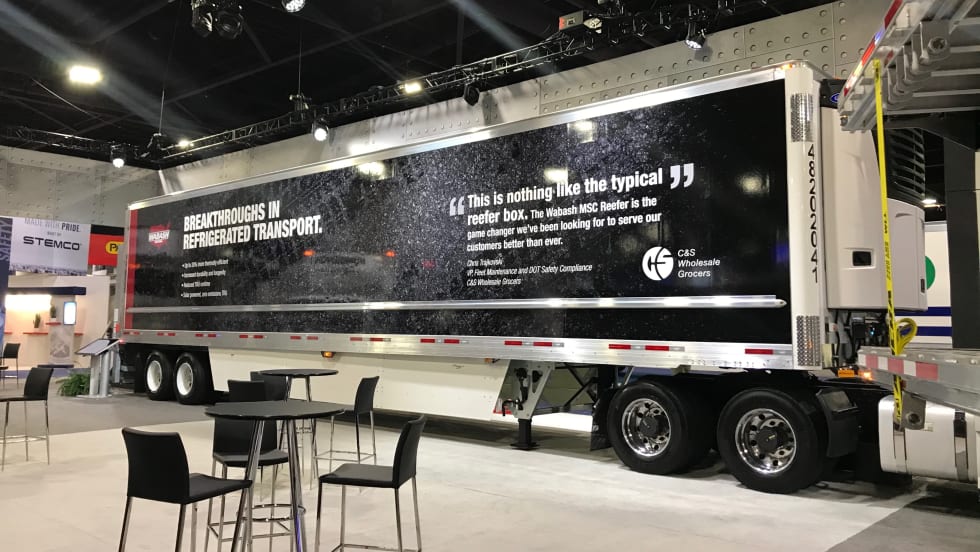
Reefer Trailer Aims to Help Reach Zero Emissions
Wabash National is partnering with C&S Wholesale Grocers to test a new type of zero-emissions refrigerated trailer.
Read More →