




3x3 Drop-Deck Looks Fairly Normal, But Stretches and Steers Itself
A European-built heavy haul trailer from Faymonville has some interesting features.

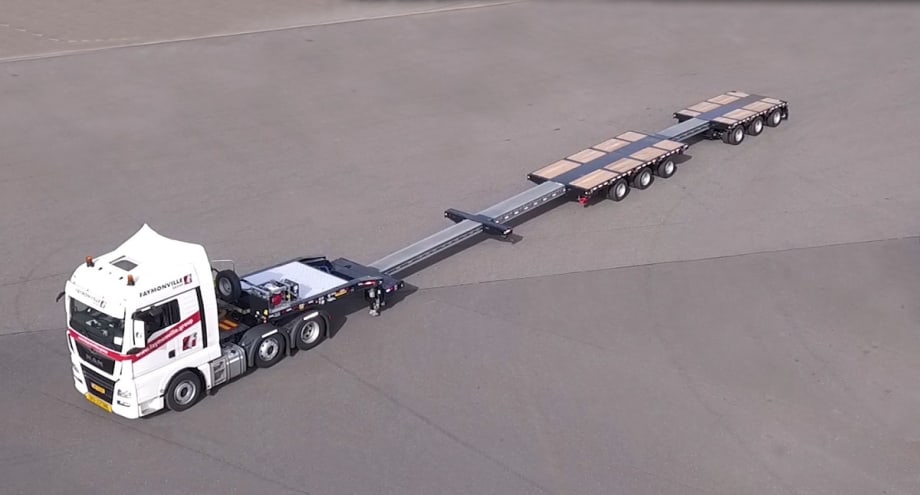
Latest Faymonville heavy-haul trailer for North America is a six-axle, triple-extendable, single-dropdeck flatbed for hauling extra-heavy and oversized cargoes.
Photos: Faymonville Group
Here’s an interesting heavy haul trailer from Faymonville, a European manufacturer based in Luxembourg that sells some of its products in North America.
This one’s called the MultiMax, and is a 3+3 single-drop design that’s extendable up to 77 feet and can be configured in various ways to handle extra heavy and outsized cargo.
“Three plus three” means two sets of three axles each, with timber decks above them. Each axle group is steerable and actively suspended so height of the deck can be raised or lowered to suit the pavement it’s on and the obstacles it moves over. A high railroad crossing is an example.
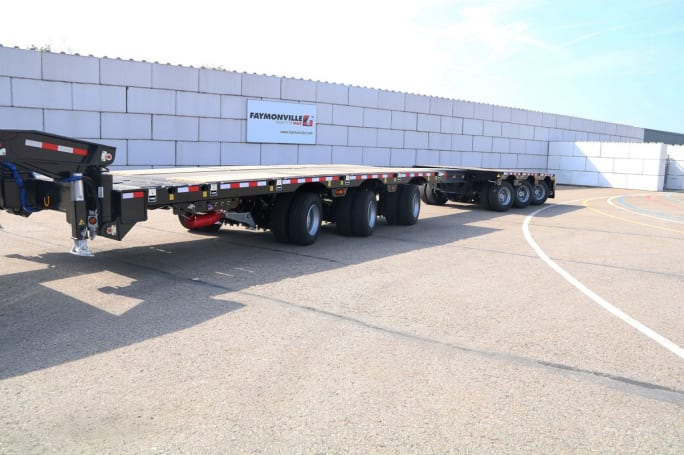
In tight turns, forward tridem caster-steers while the rear group counter-steers with a kingpin-geometry mechanism thaat can be remotely controlled, the builder says.
In tight corners, the forward bogie caster-steers to follow the tractor while the rear bogie counter-steers using a king-pin geometry, and has a remote control override, the company says.
The forward bogie is double extendable, while another extension connects with the rear bogie. For normal transport while empty or loaded, all components are closed up and the trailer becomes a more or less standard 53-footer.
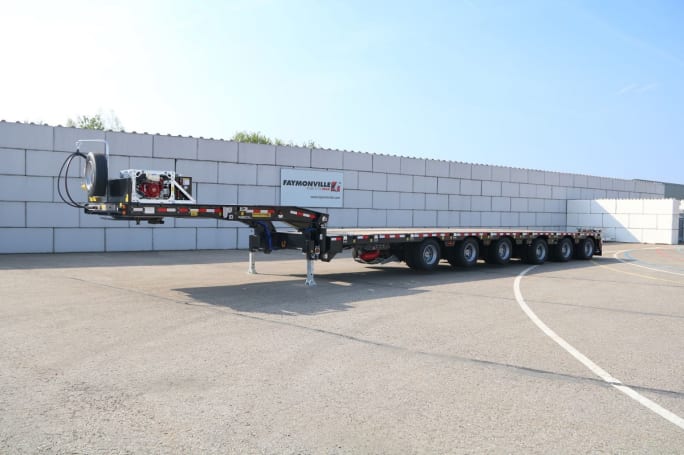
Except for its six axles, a closed-up MultiMax dropdeck looks fairly normal, and is a standard 53-foot length for transporting to a job site with no permits required.
Width is 100 inches, 2.3 inches narrower than your usual 53- by 102 flatbed or van, so it can be moved without permits, unless of course a load puts a combination vehicle over 80,000 pounds gross.
Hale Heavy Haul, a subsidiary of Hale Trailer, Brake & Wheel, sells Faymonville and other specialty trailers from 15 branches along the east coast and as far west as Iowa.
More Blog Posts

Pulsing Back-of-Trailer Lamps Aim to Prevent Crashes
Can the addition of a pulsing brake lamp on the back of a trailer prevent rear-end collisions? FMCSA seems to think so, if its exemptions are any indication.
Read More →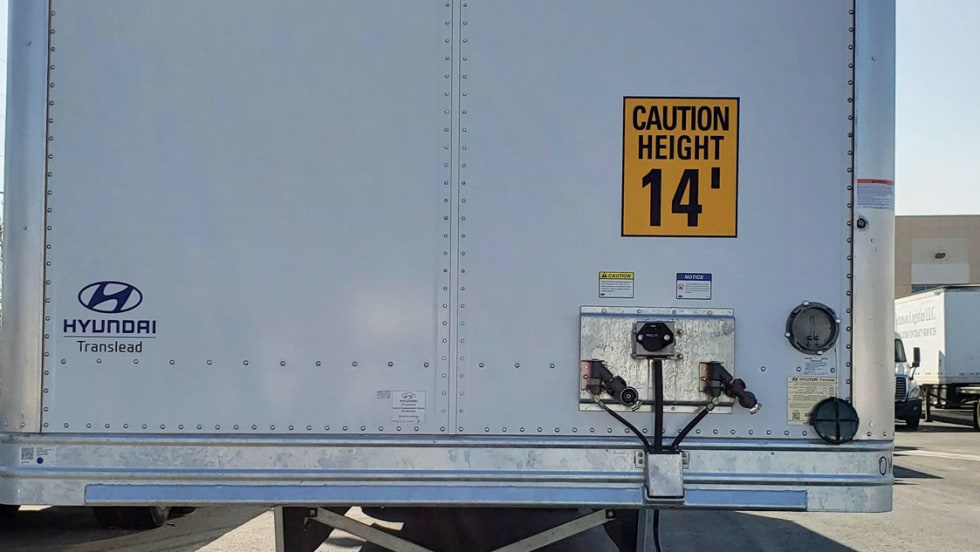
Designing a 14-Foot Trailer
Trailers are 13 feet, 6 inches high, right? Not for Hub Group, which developed a special 14-foot-high trailer spec for a dedicated customer based in California. Learn more in the Trailer Talk blog.
Read More →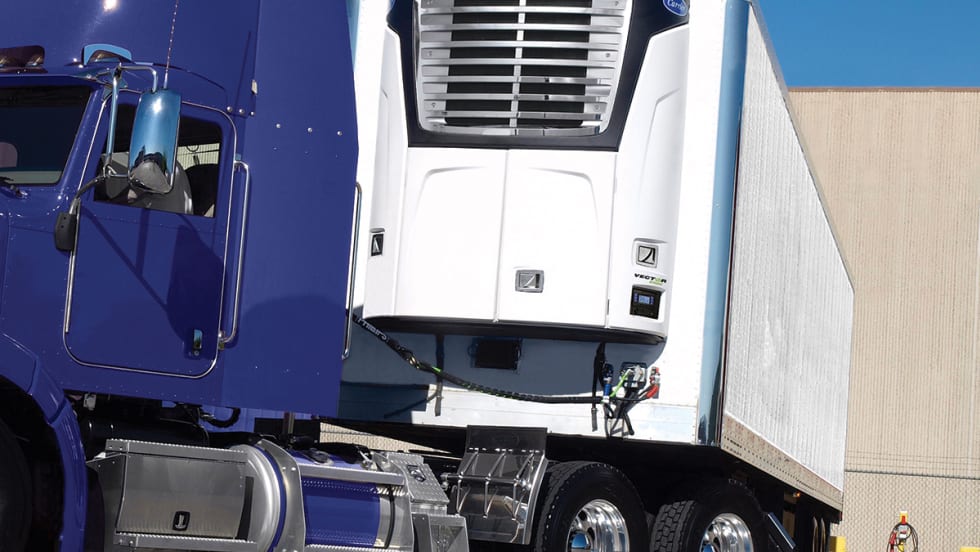
CARB Comes for Reefer Trailers
A new round of emissions control regulations decreed by the California Air Resource Board will begin affecting refrigerated trailer and TRU design and operations next year.
Read More →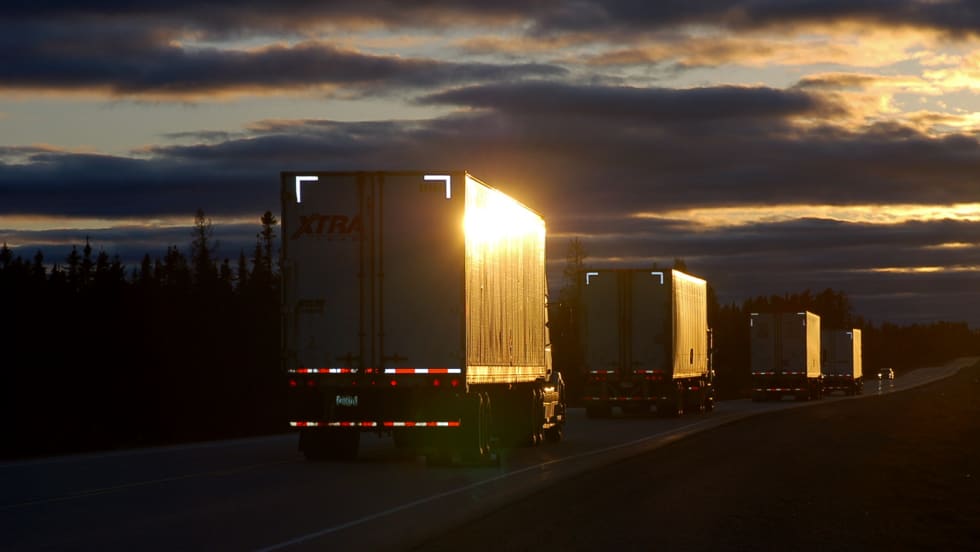
5 Ways Data Analysis Maximizes the Value of Trailer Telematics
Are you getting the most out of your trailer telematics investment?
Read More →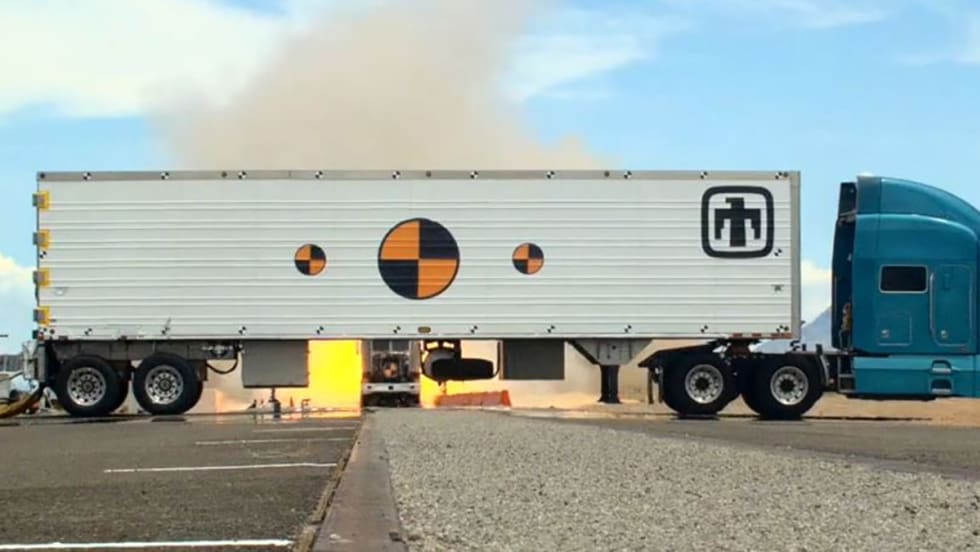
Can You Guess What's in That Trailer?
You don’t always know what’s in the trailers that pass you on the road. But some of those trailers are carrying something a little more dangerous that frozen food or new bedding…like, maybe, a nuclear weapon. But this isn’t an ordinary trailer; this is a trailer specifically made to not only carry this type of payload, but protect it at all costs.
Read More →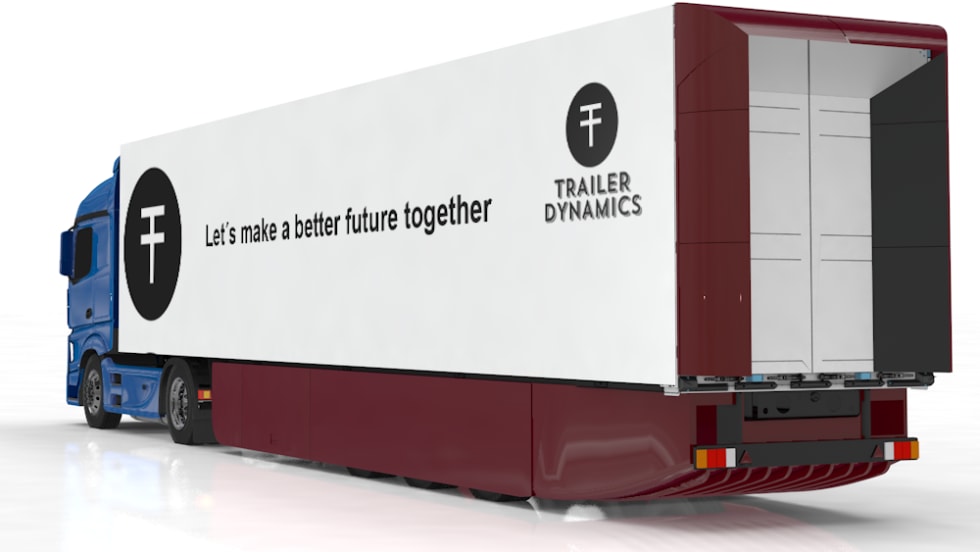
How Trailers Are Harnessing 'Free' Energy
Can trailers play a more active role in sustainable transport beyond aerodynamic add-ons or low-rolling-resistance tires? Some companies think so.
Read More →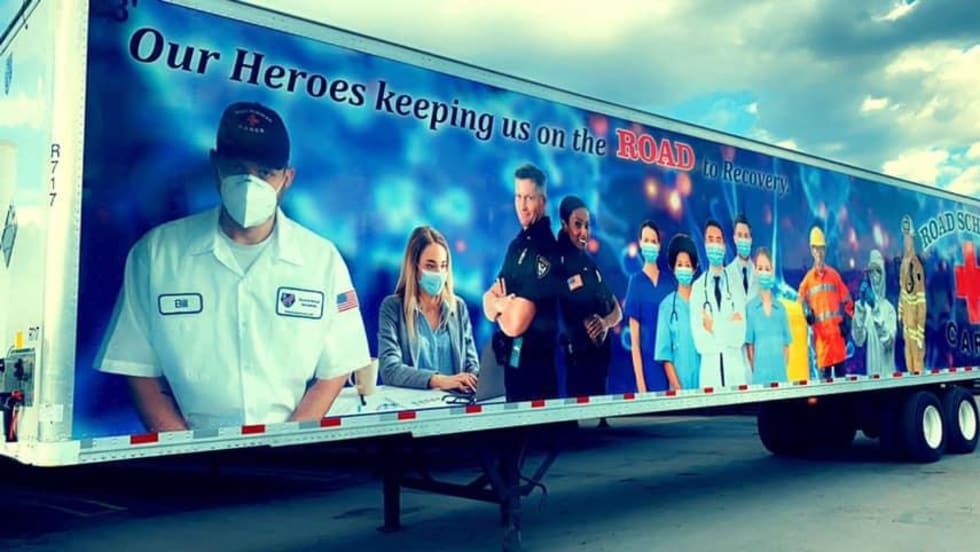
Wrapping a Trailer for COVID’s Everyday Heroes
“We don’t only deliver freight. We deliver awareness.” That’s what Jim Barrett, president and CEO of Road Scholar Transport, likes to say about the Dunmore, Pennsylvania-based carrier’s “awareness fleet.” Its latest trailer wrap honors the everyday heroes of the pandemic.
Read More →
How a Tanker Fleet is Using Unorthodox Trailer Lighting to Fight Rear-End Collisions
Groendyke Transport watched the number of rear-end collisions with its trailers rise steadily until it tried an unorthodox and then unapproved method of alerting following drivers that its trucks were applying brakes and slowing down.
Read More →
The Role Trailers are Playing in COVID-19 Funerals
In places such as New York City and Detroit, overwhelmed hospitals and mortuaries are using refrigerated trailers to store the bodies of people killed by COVID-19.
Read More →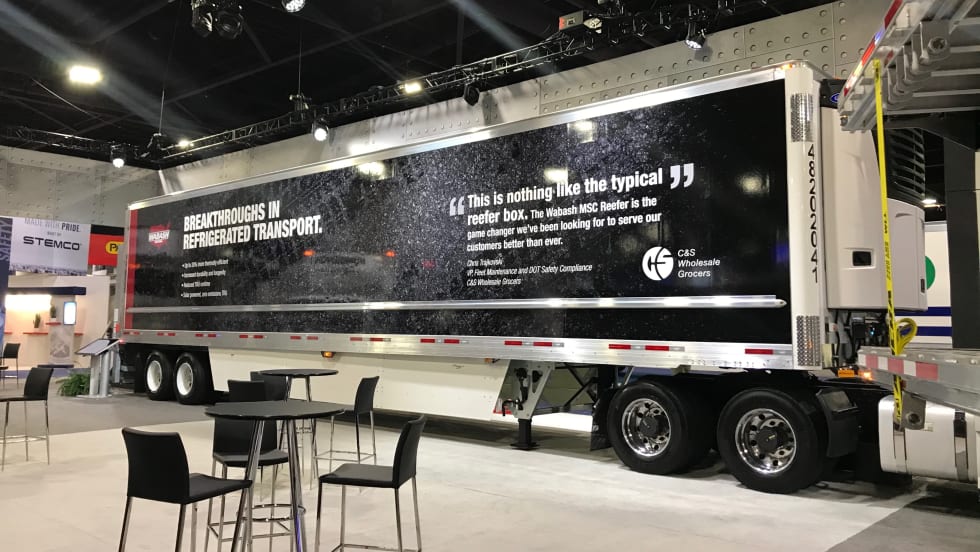
Reefer Trailer Aims to Help Reach Zero Emissions
Wabash National is partnering with C&S Wholesale Grocers to test a new type of zero-emissions refrigerated trailer.
Read More →