




Study Explores Maintenance and Equipment Buying at Fleets
When it comes to maintenance practices and equipment replacement cycles, there are some fairly significant differences between large fleets and small fleets, according to a recent study undertaken by FTR and CK Commercial Vehicle Research.

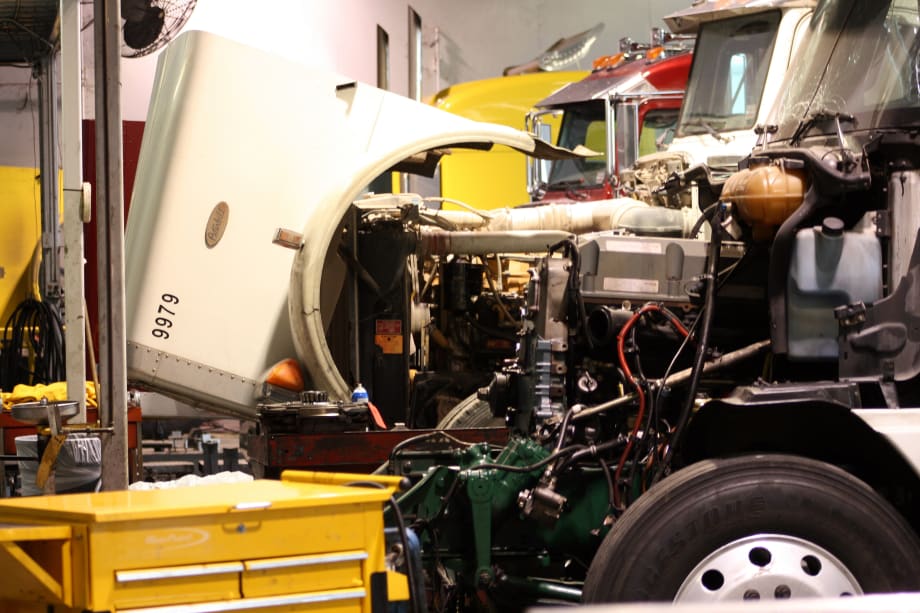

When it comes to maintenance practices and equipment replacement cycles, there are some fairly significant differences between large fleets and small fleets, according to a recent study undertaken by FTR and CK Commercial Vehicle Research.
The study took survey information gathered from fleets canvassed by CKCVR, and overlaid it with FTR data and analysis. That combination makes this report unique, according to the authors.
“Most of the information you see in this area doesn’t get down to the fleet level, to asking the fleets exactly what they’re doing,” explained Don Ake with FTR.
The 30-page report gives a close look at the activity that drives equipment replacement and parts purchases, such as vehicle age, typical trade cycles, miles driven per year, and preventive maintenance intervals.
One of the significant findings, although not necessarily surprising, was that the average Class 8 vehicle age differs significantly between small, medium and large fleets. For small fleets (fewer than 100 trucks), the average age of Class 8 vehicles was 5 years, while large fleets (1,000 trucks or more) reported an average of 2.7 years.
“The one thing I saw was how long some of the small fleets run their equipment,” Ake said in response to a question about anything in the survey that was a surprise. “They run it for a long time, and that’s consistent with some of the trends we’ve seen lately. In this economic recovery, because it hasn’t been robust, small fleets [aren’t] making a lot of money. They’re profitable but not making the amount of money they want, so they will tend to put off new expenditures, or even replacing their equipment with used equipment. They will run their equipment a very long time and use the money they have to repair it rather than replace it, and over time that leads to more maintenance expense in total.”
The survey found that for most fleets, when Class 8 trucks pass the 6-year old mark, average annual part cost can increase by as much as 50%.
However, a lot of small fleets can’t really afford to avoid those increased costs through shorter trade cycles, “the price of new equipment is prohibitive to a fleet who’s making money but not making a lot of money,” Ake explained.
Chris Kemmer with CKCVR explained that a lot the really large fleets heavily invested in new equipment over the last couple of years, “because there was plenty of freight to haul and a lot of nice new equipment offering them more productivity. Plus they were trying to attract new drivers. All those issues created an environment where large fleets were really accelerating their replacement cycle. They really have found some good productivity in these new vehicles. The price has gone up but there have been a lot of benefits to those new vehicles as well.”

Fleet size also was a factor in different maintenance practices. Typical PM schedules for all fleets reporting is 2.3 months for trucks and 2.7 months for trailers.
“A larger fleet, their maintenance capabilities are bigger and better, they have more resources,” Ake said. “They tend to standardize things more, they tend to have more rigid or more structured scheduling and better procedures, they can track stuff better so they’re a little more consistent and careful in their maintenance.”
When asked what fleets might take away from this report, Ake called it “an excellent benchmarking tool.”
Kemmer explained, “knowing what an average PM schedule is, knowing average part costs per year based on the age of vehicle, would be very helpful, both for truck and trailer, because that’s broken down by parts on the truck, parts on the trailer, types of trailers, age of vehicle, and we do the same thing with tire costs. Especially if I’m a small fleet and I don’t have a lot of sources to know where I fit and I look at my average cost is X, and I look at this and see the average is much less than, then I know that I’ve got a problem.”
For more information about the report and how to order a copy, go to ftrintel.com/2016study or contact dake@ftrintel.com or chris@ckcvr.com
More Maintenance
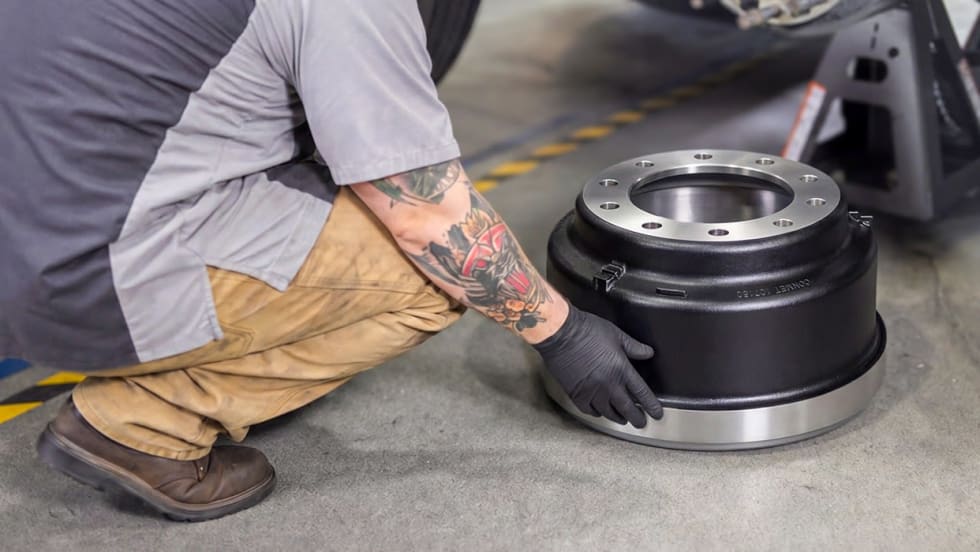
ConMet Expands Aftermarket Brake Drum Lineup With TruCast
A new heavy-duty truck brake drum option in the aftermarket gives customers more flexibility within the ConMet product family.
Read More →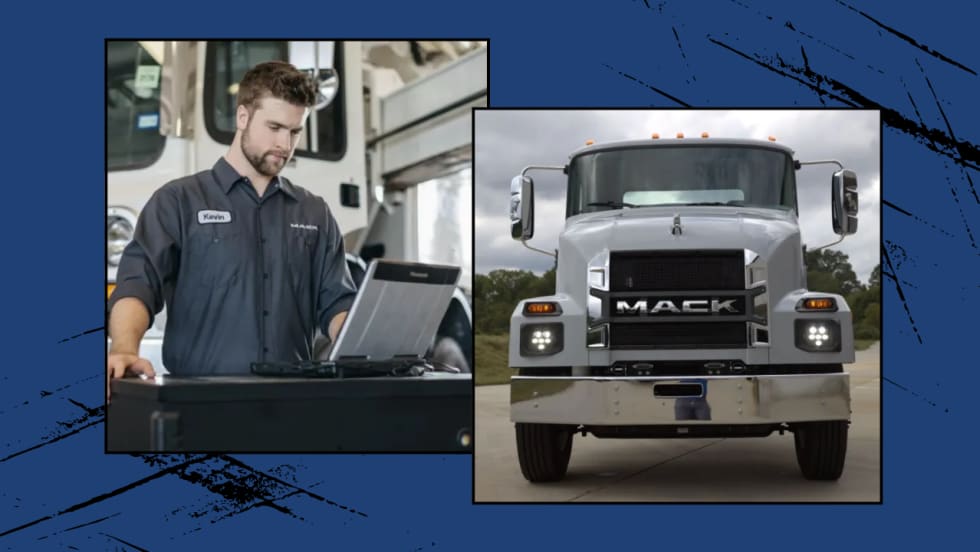
Mack Expands Premium Service Contract Coverage to Medium-Duty MD
With a service contract, inspections, preventive maintenance and repairs can be handled in a single visit instead of multiple ones.
Read More →
Maintenance in the Messy Middle Part 5: Battery-Electric Trucks
No oil changes. No diesel exhaust fluid. No exhaust aftertreatment. But NACFE battery-electric trucks still require specialized maintenance procedures.
Read More →
Trucking Fleets Faced Record Operating Costs During Third Year of Freight Recession
ATRI's annual operational cost report shows carriers trimmed fleets, delayed equipment purchases, and ran older trucks as expenses continued to outpace freight rates.
Read More →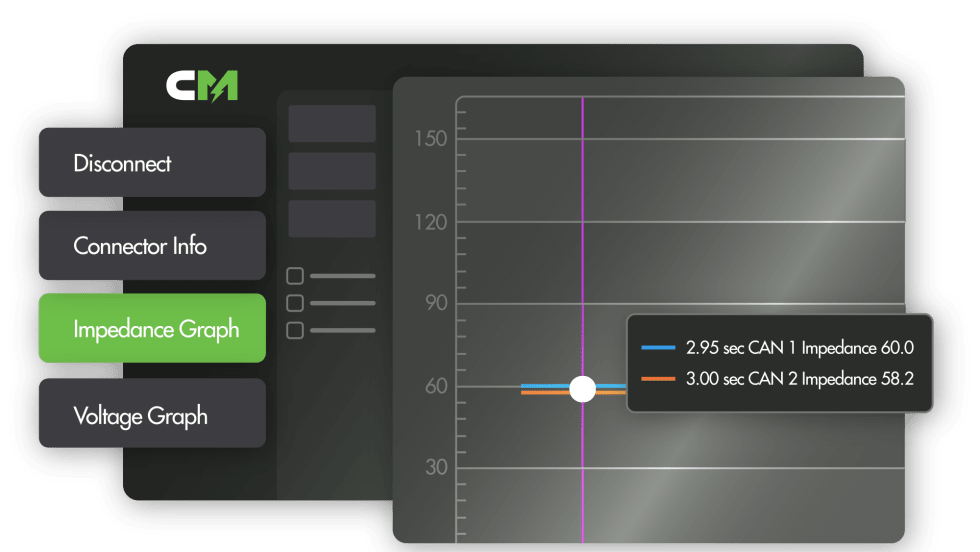
Noregon Launches CAN Mentor to Simplify Vehicle Network Diagnostics
New Noregon software helps technicians identify CAN network issues without requiring advanced diagnostic equipment or specialized training.
Read More →
Maintenance in the Messy Middle Part 4: Renewable Natural Gas
The keys to running renewable natural gas as a fleet fuel depend on specialized technician training, rigorous inspection schedules and an understanding of high-pressure fuel systems.
Read More →
Mack Adds 'Lock & Leave' Feature to Simplify Over-the-Air Software Updates
Mack’s new OTA enhancement allows drivers to start eligible software updates, lock the truck and walk away.
Read More →
Maintenance in the Messy Middle Part 3: Biodiesel
Biodiesel can reduce emissions, improve fuel-system lubricity and use existing diesel infrastructure. But NACFE’s Messy Middle maintenance report says fleets must actively manage storage, cold-weather operation, filters and oil drain intervals to avoid problems.
Read More →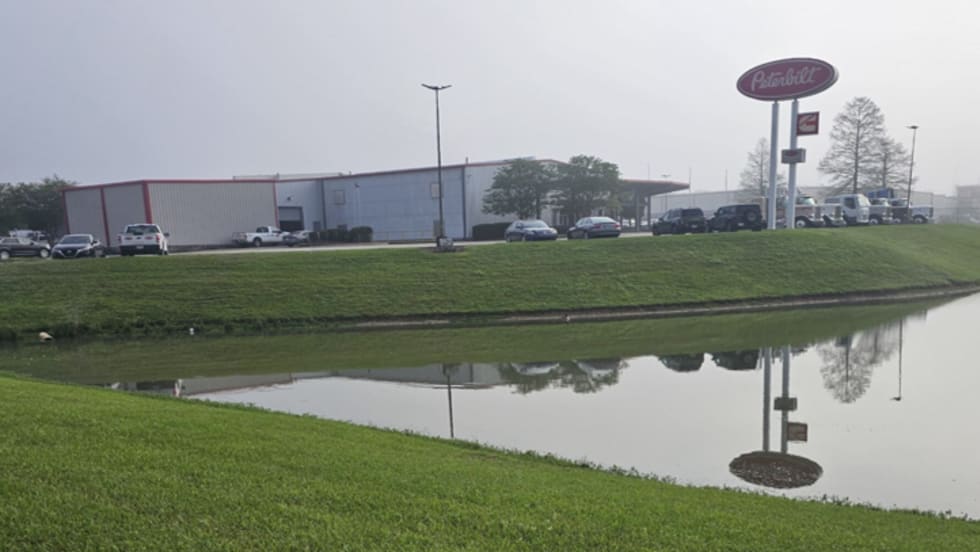
Rush Expands Gulf Coast Peterbilt Network With Louisiana Acquisition
The expanded Rush network gives fleets additional sales, service, leasing and collision repair support across Louisiana's major trucking markets.
Read More →
Is Your Parts Procurement Process Reactive or Proactive?
Ready to revamp your parts procurement process? Learn how now with “Strategic Parts Purchasing: A Process Checklist”
Read More →