





Related: How 3D Printing Breathes New Life Into Old Truck Parts
Reman’s Place in All-Makes Product Lines
There have been a lot of announcements recently about all-makes product lines — and more specifically, the inclusion of remanufactured parts in those programs. So, how do remanufactured parts fit into an all-makes strategy?
July 16, 2019
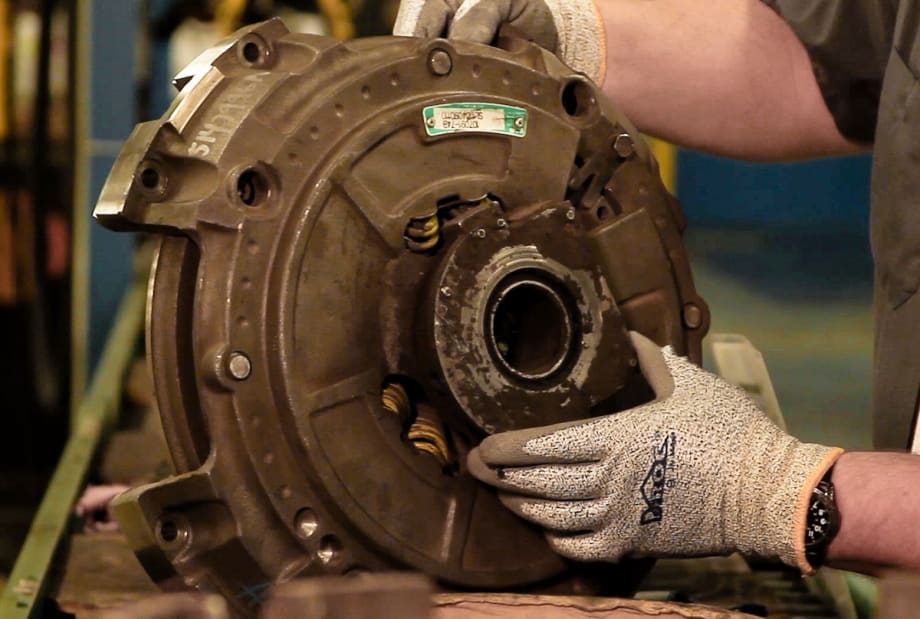
There have been a lot of announcements recently about all-makes product lines — and more specifically, the inclusion of remanufactured parts in those programs.
Photo courtesy Eaton
3 min to read
I’ve seen what seems like a lot of announcements recently about all-makes product lines — and more specifically, the inclusion of remanufactured parts in those programs.
While talking to remanufacturers for an article on design for remanufacturing, I also asked them how remanufactured parts fit into an all-makes product strategy.
“We fully believe that the market has specific price points as [fleets] service the vehicle life cycle,” explains Joe Mejaly, senior vice president, Denso Products and Services Americas. “As the vehicle changes dynamics over the course of its life, different price points take place in the buying decision.”
Reman parts are often available at a lower price, but “there is also a quality standard built into reman that differentiates them [from other options].”
Henry Foxx, director of remanufacturing for Bendix, says the issue has to be looked at from the broader perspective of the serviceability of older trucks. “We as an industry need to provide quality products to the third and fourth owners of trucks. In doing so there are various options, with reman being one of them.”
Later in an asset’s lifecycle, a fleet “might like something that does not have the same level of durability and performance [as the original product], but still meets an adequate level of performance,” says Abe Aon, regional aftermarket sales leader at Wabco. He believes because reman returns products back to their original performance specifications, they provide value to the end customer.
Dale Thomas, marketing manager for Alliance Truck Parts and Detroit Reman, says aftermarket products from low-cost countries are not meeting customer demands for quality, “so they are willing pay a little bit more to ensure that they have a reman product that is going to fit the vehicle that they have and meet all of the demands that they have with that product.”
Foxx adds, “[Manufacturers of] product coming from a low-cost country may not have access to specifications, and they don’t have access to the original content that was in the product, and they don’t necessarily have access to the type of testing that is done here in North America.”
Thom Miles, manager, North America turbo aftermarket, Borg Warner, sees the trend in reman products as part of all-makes programs continuing, but then tapering off. “Offshore product will start to improve in quality. The availability is already there, and as they get better, we will see more organizations look for a coreless option. I think we are going to see more organizations try to shift away from reman whenever they can, and while reman is definitely a way of combatting the low-cost competitors, we have got to find a better way to manage the core.”
Tim Bauer, vice president of aftermarket business, Eaton, offers this caution when it comes to reman as part of all-makes programs: “Not all remanufactured products are equal. Fleets buying remanufactured products need to understand the testing, remanufacturing capability and processes to ensure the product is of the quality they would expect when making the purchase.”
Clay Gaillard, a Cummins product manager, echoes that sentiment. “The term remanufactured gets pretty broad usage. We remanufacture our components to the original engineering specifications and incorporate product updates. A non-Cummins entity remanufacturing our parts will not have access to our proprietary engineering documents and remanufacturing process. They might be able to produce a part that looks virtually the same as ours, but the customer has no way of knowing if the part was built by a true remanufacturer.”
The lesson here? Just like with every other aftermarket product you buy, make sure you purchase remanufactured all-makes parts from a reputable supplier that knows the origins of those parts.
Subscribe to Our Newsletter
More Aftermarket

What Three Fleets Are Doing Differently When Buying Truck Parts in 2026
With freight improving but costs still climbing, fleet maintenance executives explain how they're balancing price, quality, and supplier relationships.
Read More →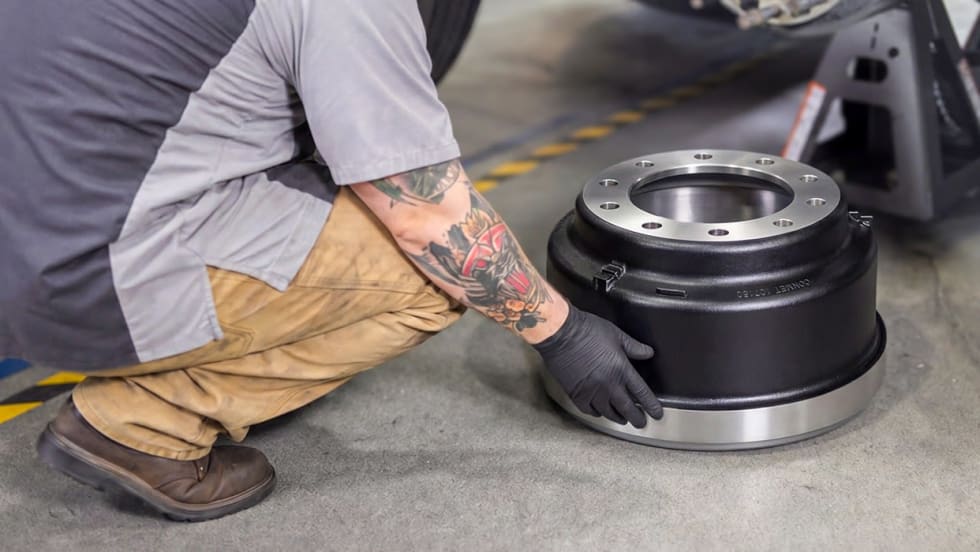
ConMet Expands Aftermarket Brake Drum Lineup With TruCast
A new heavy-duty truck brake drum option in the aftermarket gives customers more flexibility within the ConMet product family.
Read More →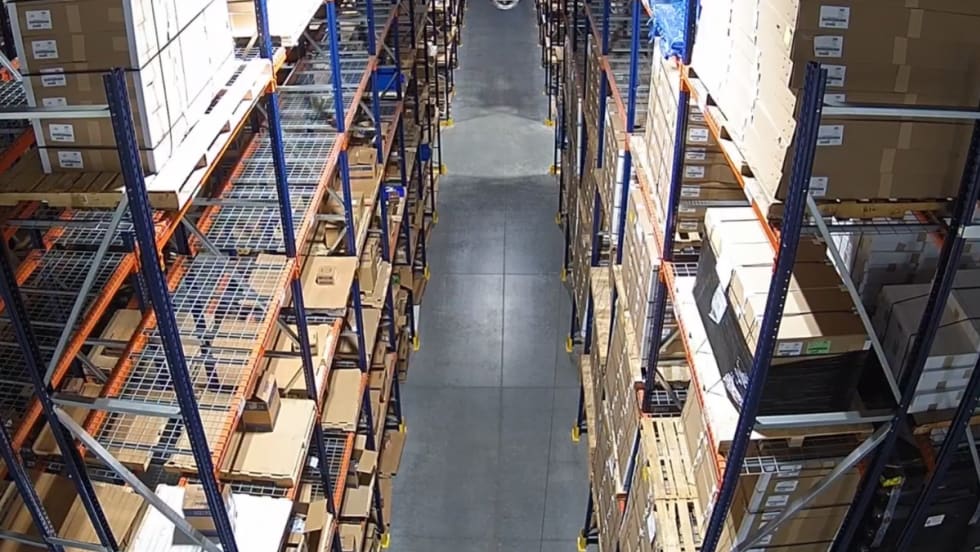
Phillips Opens High-Tech Distribution Center for Faster Parts Delivery
Phillips Industries’ new Cincinnati-area distribution center is now shipping aftermarket trucking parts nationwide, aiming to speed up delivery times for customers.
Read More →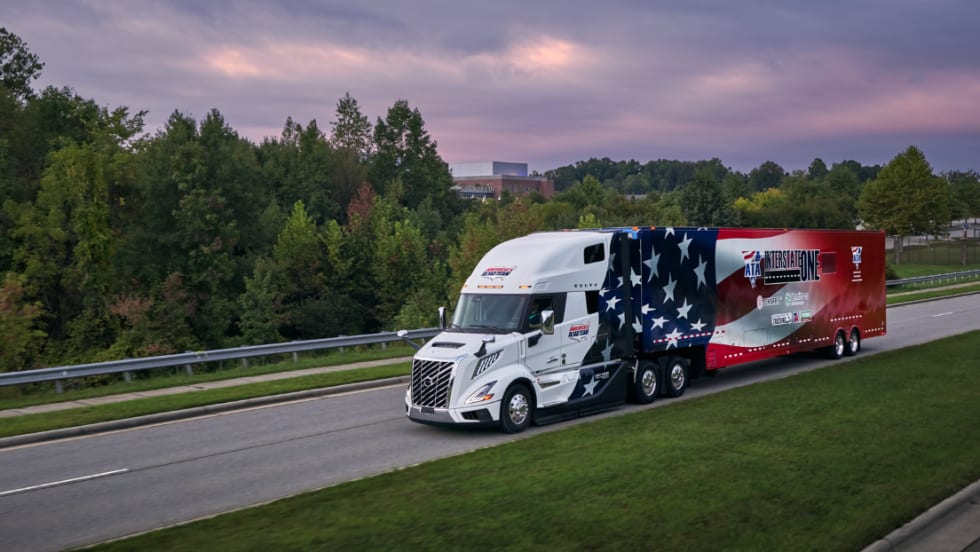
Volvo to Sponsor America’s Road Team for 2025
Volvo Trucks announced that it is extending its exclusive sponsorship of America’s Road Team for 2025.
Read More →
Webb to Start Taking Orders for UltraSet Pre-Adjusted Wheel Hubs
Webb, which recently acquired the Stemco Trifecta pre-adjusted hub program, will soon start taking orders for its replacement pre-assembled hub, the UltraSet.
Read More →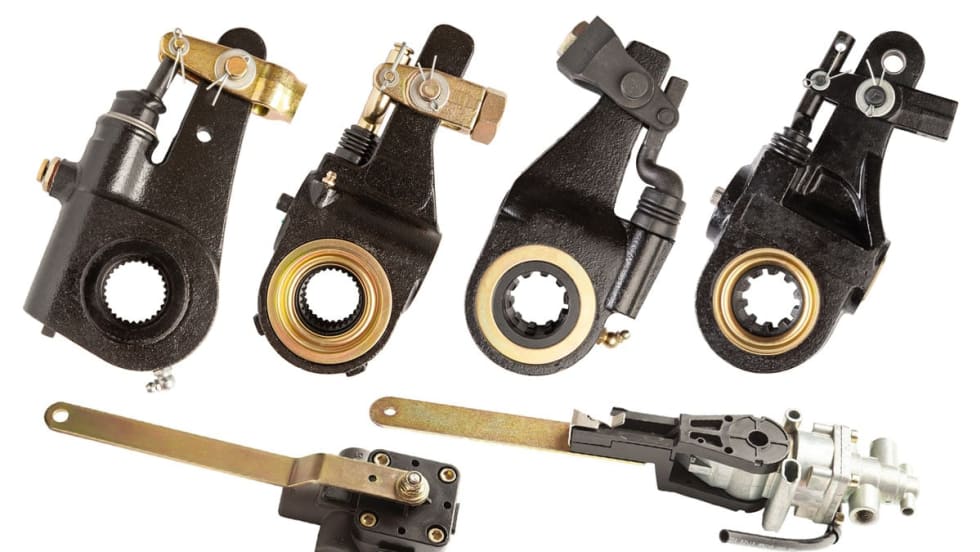
All-Makes Automatic Brake Adjusters, Ride Height Control Valves from Midland
SAF-Holland has added automatic brake adjusters and ride height control valves to its Midland All-Makes Program.
Read More →
ZF Aftermarket Expands [pro]Academy Training
ZF Aftermarket said it is expanding its ZF [pro]Academy training and will be adding 40 new modules this year.
Read More →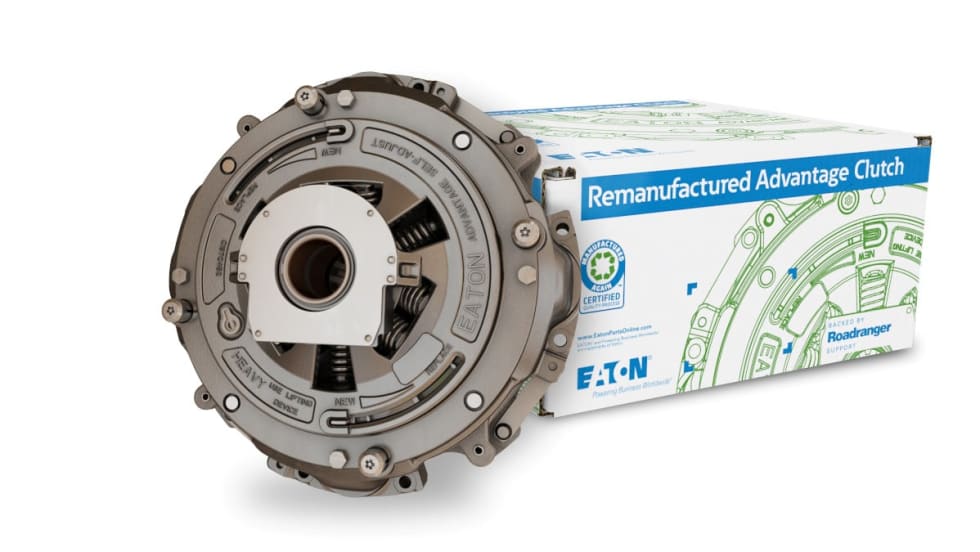
Eaton Adds Remanufactured Advantage Line of Clutches
Eaton has added its Advantage clutches to its remanufactured product line. The clutches feature a unique strap drive intermediate plate designed to allow customers to choose the latest OE specification
Read More →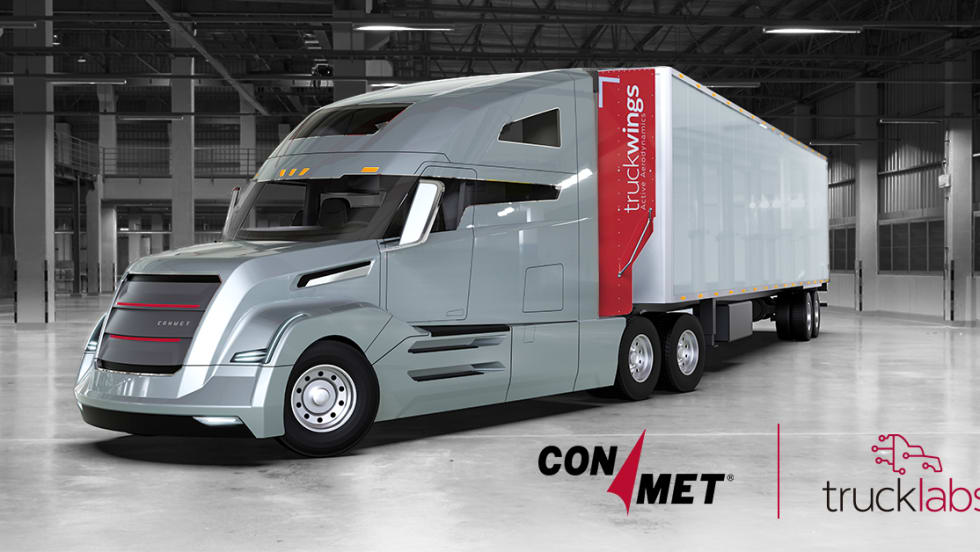
ConMet Acquires TruckLabs, the Creator of TruckWings
Commercial truck and trailer parts provider ConMet acquired TruckLabs, the company that created TruckWings, an aerodynamic device that attaches to truck cabs and deploys to close the gap between truck and trailer. TruckLabs now operates as a subsidiary of ConMet.
Read More →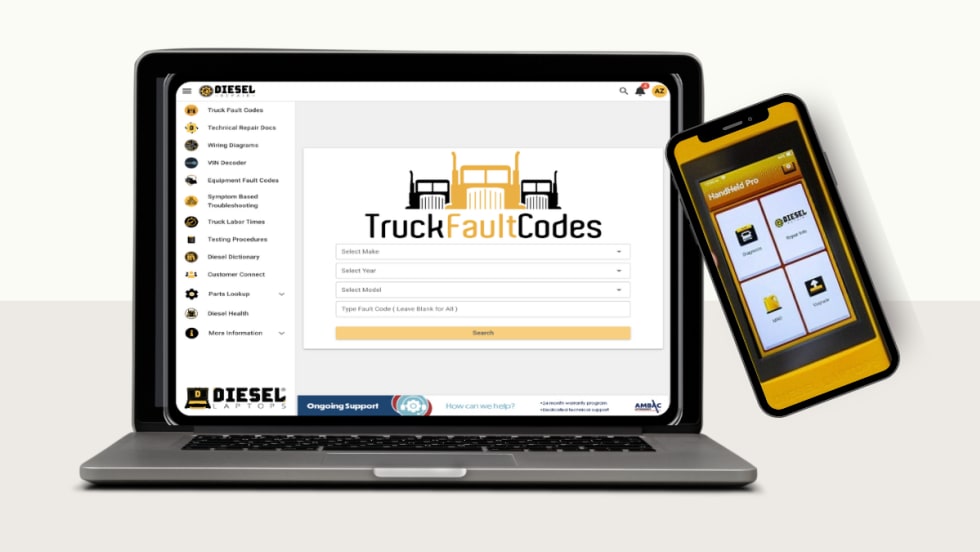
Diesel Laptops Releases Fault-Code-to-Part-Number Tool
Diesel Laptops said its Truck Fault Codes allows users to input a fault code and immediately identify and order the parts needed to complete repair work.
Read More →