




Quick Spin: Crane LET2 Crew Cab Seats 4
Not all trash trucks are born alike. The model LET2 CC is a rather roomy example in a world where most refuse trucks seat two, or three in a pinch. Senior Editor Tom Berg offers his hands-on impressions.

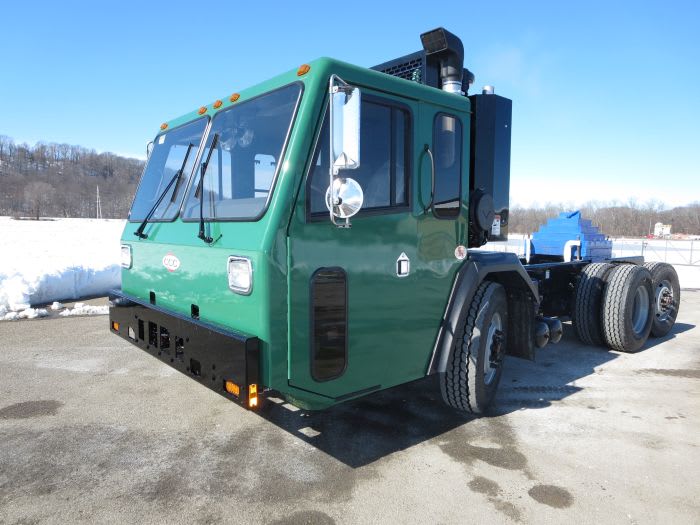
The cab sits low and well forward of the steer axle. One step and the driver and his helpers are inside and ready to go after trash – after a packer body’s installed, of course.
Photo: Tom Berg
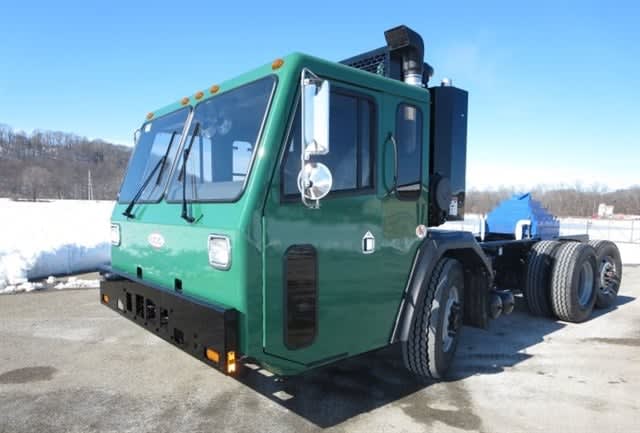
The cab sits low and well forward of the steer axle. One step and the driver and his helpers are inside and ready to go after trash – after a packer body’s installed, of course.
Photo: Tom Berg
Not all trash trucks are born alike. The one you see here is from Crane Carrier Co., better known as Crane and badged “CCC.” It was built in New Philadelphia, in eastern Ohio, and is a model LET2 CC, meaning low-entry tilt, second generation, crew cab. It’s rather roomy in a world where most refuse trucks seat two, or three in a pinch.
Crane now belongs to Hines Corp., a holding company that also owns Kimble Mixer, which serves the concrete industry. Following Hines’ acquisition of Crane a couple of years ago, Kimble’s plant in New Philly made room for CCC production formerly done in Tulsa, Okla. In a way, this grass-green truck is returning to its ancestral roots, for the buyer is the sanitation department in Ponca City, Okla.
The cab is exceptionally roomy because about half of it sits ahead of the engine. This leaves room for a full-width floor and two-man seat in the center, plus individual seats for the driver and a third helper. This is the configuration for operators that employ manpower to “tip” customers’ trash cans into the body’s bin, eliminating complex automated loading apparatus. While on the way to a route or the landfill, the entire crew can be safely seated.
I sampled this vehicle during a visit to the plant where staffers briefed me on it. Soon I fired up its Cummins ISL9 diesel, punched the Allison automatic into D and headed out to the gate and onto nearby streets. The truck was easy to drive, though without a body it accelerated quicker than normal and its ride was a little stiff.
I did some Y-turns and complete circles and found the turning radius was short enough for easy maneuvering on tight city streets, where the truck will spend much of its life. Turning was smooth, too, because the chassis had a single drive axle with a lifted tag axle. Visibility in all directions was excellent. It was a kick to drive, and all I needed were some companions in the cab and a packer body behind, and I’d have gone to work.
More Products

Shell Prepares Rotella Oils for 2027
New CL-4 and FB-4 formulations will begin arriving in early 2027, with improved protection against oil breakdown, wear and deposits, according to Shell.
Read More →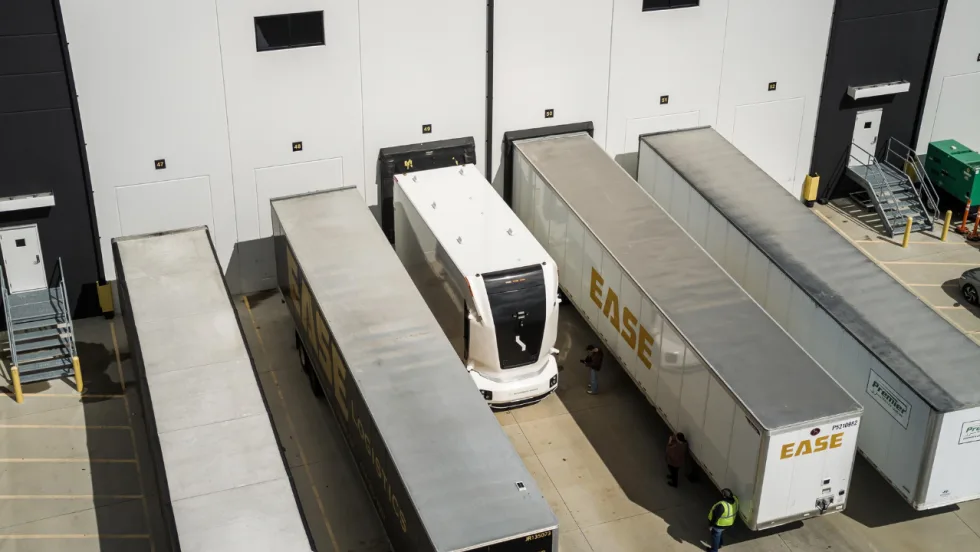
Einride Driverless Electric Trucks Begin Daily Freight Operations in Ohio
Two cabless electric trucks are hauling freight between EASE Logistics facilities in Marysville, Ohio, as part of a multi-state truck automation project.
Read More →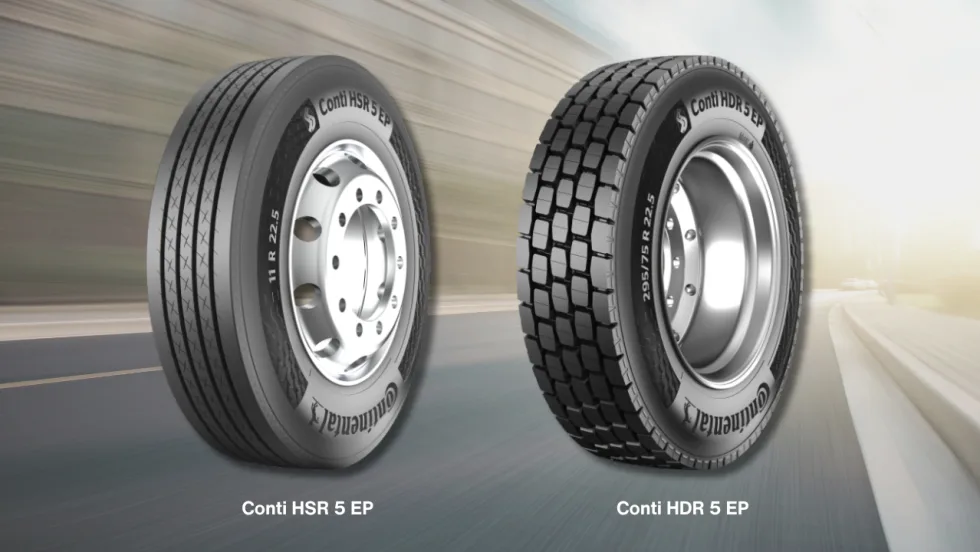
Continental Introduces New Regional Truck Tires
Continental says its new Generation 5 steer and drive tires for regional operations offer longer tread life, with estimated mileage gains of 22% and 19%, respectively.
Read More →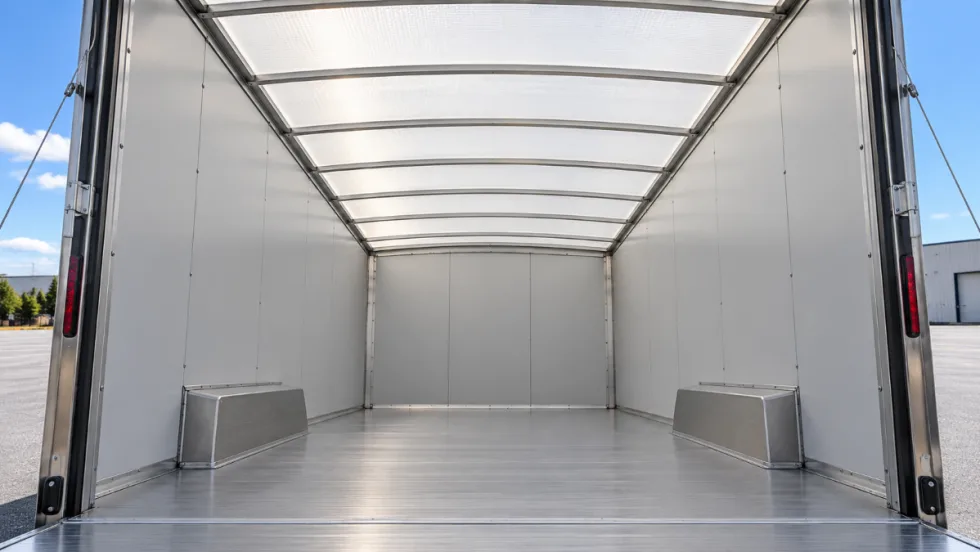
Tekmodo Introduces CargoBright Brand for Translucent Trailer Roofs
CargoBright is designed to diffuse daylight across the cargo area while performing as a working vehicle roof.
Read More →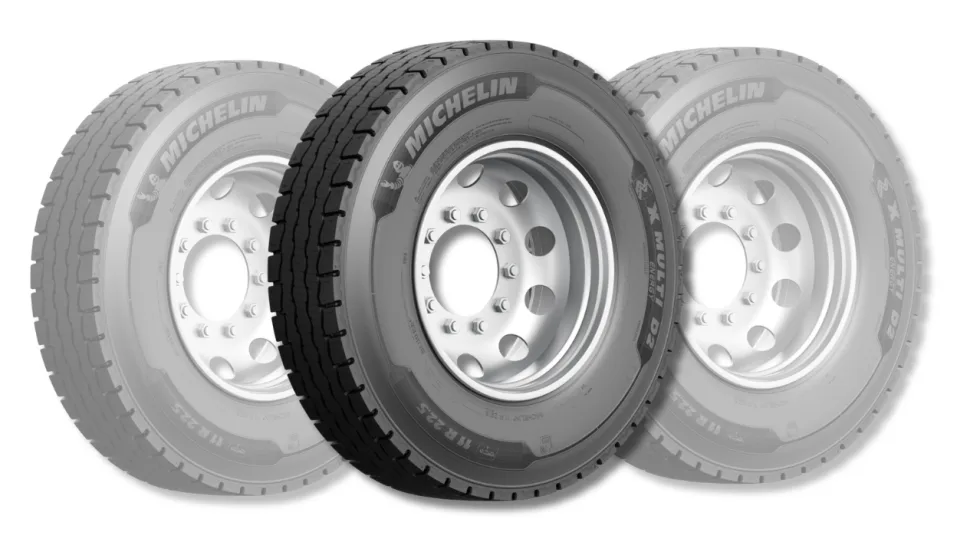
Michelin Tire Improves Efficiency and Durability for Regional Fleets
The Michelin X Multi Energy D2 is a regional haul drive tire engineered to help fleets improve fuel efficiency, durability and traction in demanding stop-and-go operations.
Read More →
What Geotab's New AI Connector Means for Fleets
Fleets can now ask their usual AI assistants questions about maintenance, safety, fuel use, and vehicle performance, using their live Geotab data, and take action on the answers without leaving their preferred AI tool.
Read More →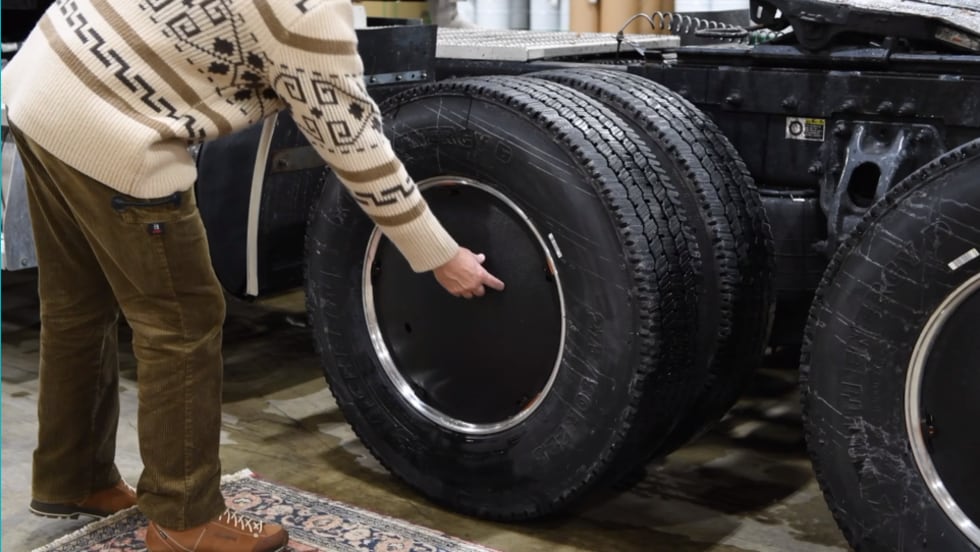
Deflecktor: Hubbub Aerodynamic Wheel Cover Cost-Effective Even for Trailers
Aerodynamic wheel covers can deliver small but meaningful fuel-economy gains for fleets, and Deflecktor says its latest design aims to make the technology easier and more affordable to deploy.
Read More →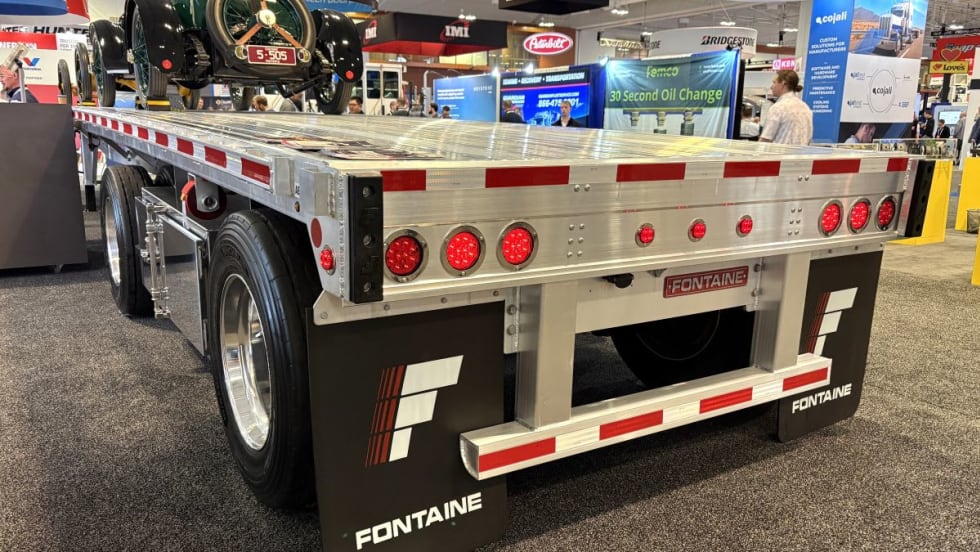
Fontaine Expands Flatbed Lineup with New Fleet-Focused Models, Eyes 2027 Launch
Fontaine is broadening its flatbed lineup with new models aimed at fleets, including a lightweight aluminum trailer expected in 2027 that emphasizes durability, repairability, and lower cost.
Read More →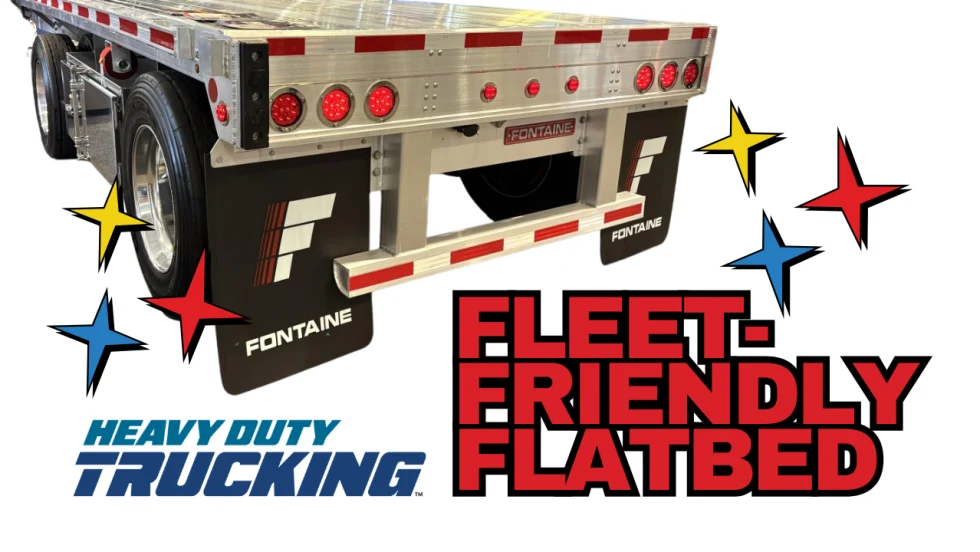
Fontaine's Fleet-Focused Force Flatbed Prototype [Watch]
A new prototype from Fontaine Trailer focuses on what fleets say they need most: easier repairs, lower maintenance costs, and practical, service-friendly design.
Read More →
HDT Honors the Best New Products of 2025 at TMC [Photos]
Heavy Duty Trucking's Top 20 Products awards recognize the best new products and technologies. Check out the award presentations at the 2026 Technology & Maintenance Council annual meeting.
Read More →