




Patent Case Before Supreme Court Could Have 'Chilling' Effect on Reman
The Automotive Parts Remanufacturers Association has joined two other trade associations in filing a friend of the court brief in the United States Supreme Court opposing the right of a patent holder to impose post-sale restrictions on the use of its patented products.
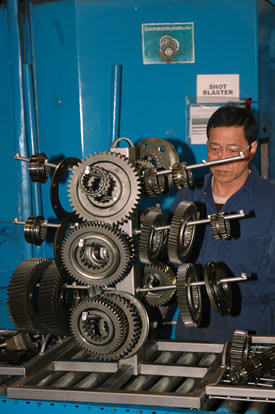
The Automotive Parts Remanufacturers Association has joined two other trade associations in filing a friend of the court brief in the United States Supreme Court opposing the right of a patent holder to impose post-sale restrictions on the use of its patented products.
If the right to impose such restrictions were to be upheld, the manufacturer of a patented product might include restrictive language in its sales documents not only to prevent certain uses of the product, but also to limit or deny the right of all subsequent owners of the product to resell, repair or refurbish that product, says the group.
This could have long-reaching effects far beyond the issue of planting seeds, including on aftermarket remanufacturers of vehicle parts.
The Supreme Court case, Vernon Hugh Bowman v. Monsanto Company, et al., arose out of sales of soybean seeds to farmers. These seeds contained genetically altered materials, which had been patented by Monsanto.
The Monsanto altered seeds were sold subject to a technology agreement which prohibited the replanting of second generation seeds, i.e., seeds from plants grown with the original Monsanto altered seeds. However, second generation seeds could be sold to local grain elevators as a commodity.
Bowman bought some second-generation seeds from the local grain elevator and planted them. Because Bowman had not signed a technology agreement with respect to the second-generation seeds he planted, he believed Monsanto could not allege that he violated its technology agreement.
However, Monsanto claimed that the prohibition against replanting second generation seeds imposed in the technology agreement on the purchaser of the original seeds were allowable post-sale restrictions under patent law. It further alleged that these restrictions applied to any subsequent user of the seeds regardless of whether the user signed the technology agreement or not.
Therefore, even though he was not a party to the technology agreement, Bowman's planting of the second generation seeds violated Monsanto's patent rights in the genetic material in those seeds, the company claims.
The legal issue is whether patent rights terminate at the time of sale of a product or whether a patent holder can impose post-sale restrictions on the purchaser and subsequent users of that product. Since early in the 20th century, U.S. patent law has held that a patent holder's rights are "exhausted" at the time of the first sale of the product.
After that the purchaser and others are free to use, resell or repair the item in any way they wish. In 2008, the Supreme Court upheld this exhaustion doctrine and specifically denied that post-sale restrictions constitute an exception to the application of the exhaustion doctrine. (That case involved post-sale restrictions on the use of computers. APRA also filed an amicus brief in that case.) In the present case, the Federal Circuit Court of Appeals ignored the earlier case and upheld the right of a patent holder to impose post-sale restrictions on all subsequent users.
APRA is again asking the court to overrule the lower court's decision on post-sale restrictions. If Monsanto's position is upheld, any patent holder could effectively dictate to any subsequent owner of a patented product how, when and where the product could be used and reused.
The rights that consumers now have in the goods they buy would be severely curtailed.
"Allowing post-sale restrictions on the subsequent use of a patented product as an exception to the exhaustion doctrine could have a chilling effect on the remanufacturing industry,"
explains APRA General Counsel Michael Conlon. "Any manufacturer of a patented product could impose these conditions in the small print of sales documents, which the original purchaser may never read and subsequent owners will never even see. If consumers, service facilities and remanufacturers are afraid of what unknown conditions might have been imposed on the use of a product, they will be very hesitant to risk a patent suit by selling, repairing or remanufacturing that product."
APRA actively opposes any attempt to restrict the long-standing right of consumers and businesses to repair products. The right to repair is the legal cornerstone on which the rebuilding and remanufacturing industry is based. If companies are allowed to impose sales conditions prohibiting the repair of their products or limiting those who may repair them to authorized representatives, the independent vehicle parts remanufacturing industry would cease to exist.
APRA was joined on the brief by the Automotive Aftermarket Industry Association and the International Imaging Technology Council, the trade association for toner cartridge rechargers.
More Aftermarket

What Three Fleets Are Doing Differently When Buying Truck Parts in 2026
With freight improving but costs still climbing, fleet maintenance executives explain how they're balancing price, quality, and supplier relationships.
Read More →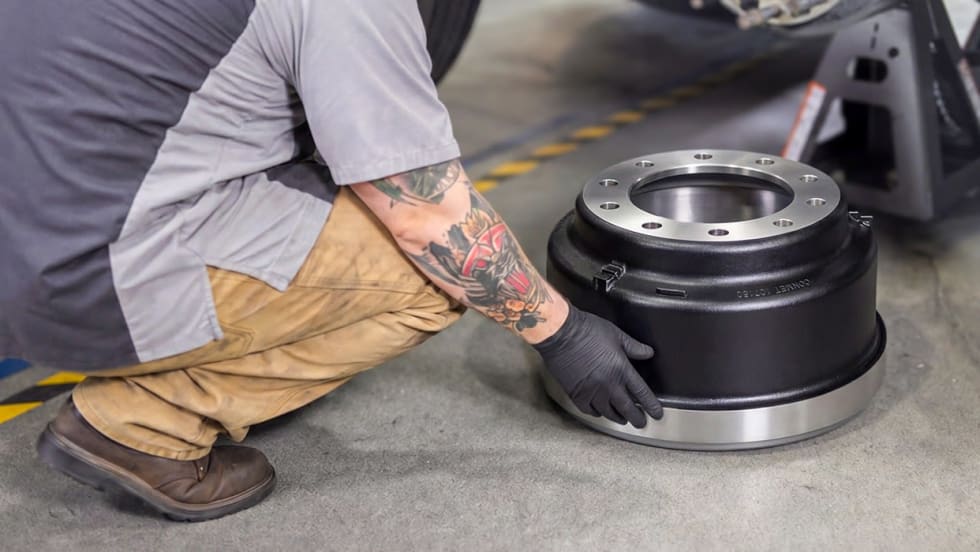
ConMet Expands Aftermarket Brake Drum Lineup With TruCast
A new heavy-duty truck brake drum option in the aftermarket gives customers more flexibility within the ConMet product family.
Read More →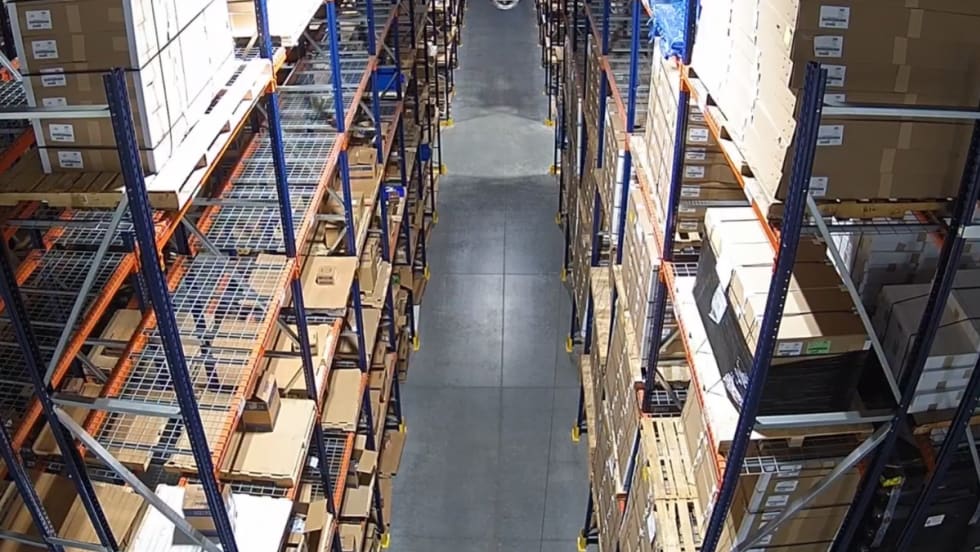
Phillips Opens High-Tech Distribution Center for Faster Parts Delivery
Phillips Industries’ new Cincinnati-area distribution center is now shipping aftermarket trucking parts nationwide, aiming to speed up delivery times for customers.
Read More →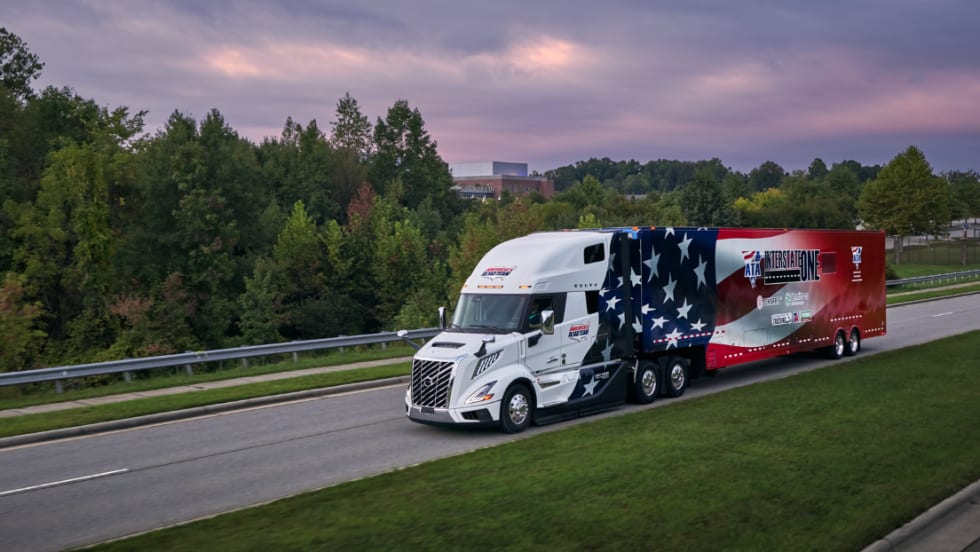
Volvo to Sponsor America’s Road Team for 2025
Volvo Trucks announced that it is extending its exclusive sponsorship of America’s Road Team for 2025.
Read More →
Webb to Start Taking Orders for UltraSet Pre-Adjusted Wheel Hubs
Webb, which recently acquired the Stemco Trifecta pre-adjusted hub program, will soon start taking orders for its replacement pre-assembled hub, the UltraSet.
Read More →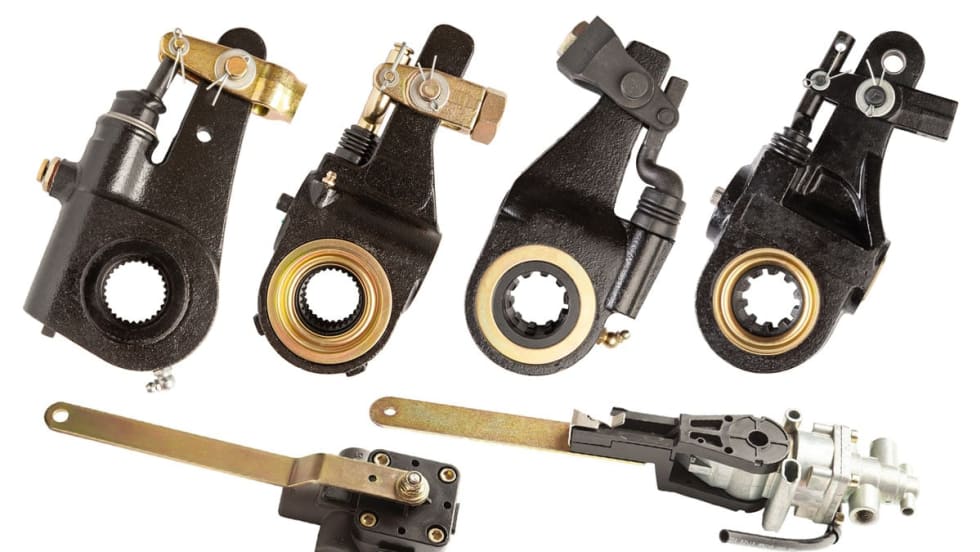
All-Makes Automatic Brake Adjusters, Ride Height Control Valves from Midland
SAF-Holland has added automatic brake adjusters and ride height control valves to its Midland All-Makes Program.
Read More →
ZF Aftermarket Expands [pro]Academy Training
ZF Aftermarket said it is expanding its ZF [pro]Academy training and will be adding 40 new modules this year.
Read More →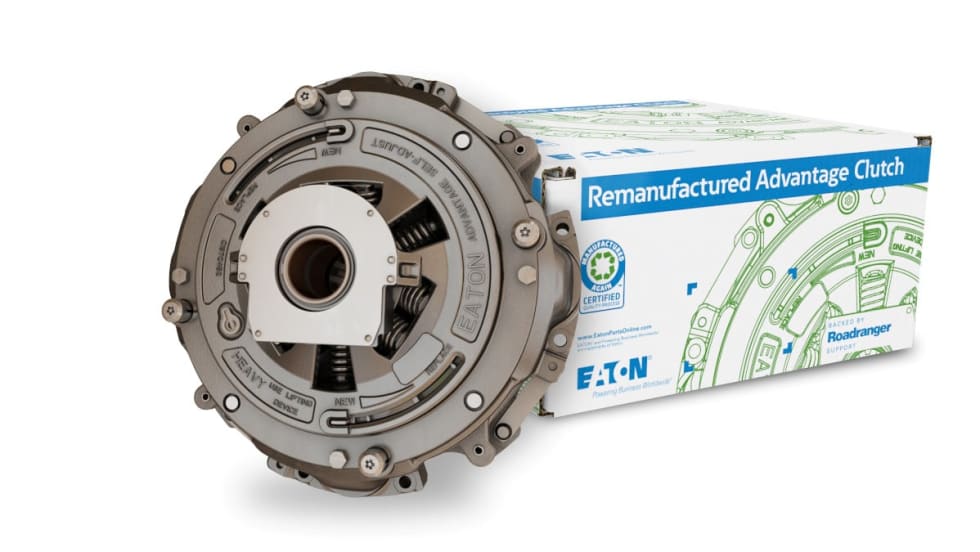
Eaton Adds Remanufactured Advantage Line of Clutches
Eaton has added its Advantage clutches to its remanufactured product line. The clutches feature a unique strap drive intermediate plate designed to allow customers to choose the latest OE specification
Read More →
ConMet Acquires TruckLabs, the Creator of TruckWings
Commercial truck and trailer parts provider ConMet acquired TruckLabs, the company that created TruckWings, an aerodynamic device that attaches to truck cabs and deploys to close the gap between truck and trailer. TruckLabs now operates as a subsidiary of ConMet.
Read More →
Diesel Laptops Releases Fault-Code-to-Part-Number Tool
Diesel Laptops said its Truck Fault Codes allows users to input a fault code and immediately identify and order the parts needed to complete repair work.
Read More →