





Related: Tracking Truck Health
OEMs Step up Efforts to Help Fleets Improve Total Cost of Ownership
It seems like truck makers are acknowledging they have fallen short in their efforts to help fleets improve uptime and lower their total cost of ownership.
December 1, 2015

Denise L. Rondini
3 min to read

Denise L. Rondini
There has been a lot of news coming from truck makers lately about their efforts to help fleets be more efficient. Recent announcements have focused on improving the maintenance and repair process, although they also continue to work on improving the trucks themselves. For most fleets, the biggest gains in efficiency will come from a combination of more reliable trucks and better maintenance and repair experiences.
Friedrich Baumann, senior vice president, aftermarket for Daimler Trucks North America, echoed the message we’re hearing from many companies when he recently said, “DTNA will continue to focus on lowering real cost of ownership and increasing vehicle uptime.”
The OEMs are using technology to anchor their efforts to “make better quicker decisions.” Most trucks now come with remote diagnostics capabilities tied to a service event management process, often managed through a call center.
Conal Deedy, Volvo Trucks director of connected vehicle services, in announcing a new partnership with Omnitracs, noted that “Volvo’s integrated telematics capabilities are key to our industry-leading uptime services, but they also provide customers more options for powerful and cost-effective fleet management services.”
Nichelle Harry, director of marketing for PacLease: “This is really game-changing — allowing us to make better and quicker decisions on road maintenance and repair for our customers,” speaking about the company recently making onboard vehicle diagnostics available to its lease and rental customers.
But key to the success of these technology solutions is the performance of the OEMs’ dealer network. “Our dealers and distributors are on the front line, and we need to arm then with the best tools, systems and resources to deliver a great customer experience,” Baumann says.
If John Blodgett, vice president of sales and marketing at MacKay & Co., is right, there is much work to be done in that area. Speaking at this year’s Heavy Duty Aftermarket Dialogue, MacKay said that in four studies over the past 15 years, fleets have indicated that they want to outsource more of their service work. What’s stopping them is the fact that they can’t find acceptable service suppliers. Fleets cite quality of repair and turnaround time as two of the biggest reasons they continue to do maintenance and repair in house.
Technology can speed up the repair process by pinpointing what failed and finding the closest repair location that has the needed parts in stock, bay space availability and the proper technician skill set. Things like faster check-ins and inspections using mobile technology and dedicated triage bays also help.
It seems like truck makers are acknowledging they have fallen short in their efforts to help fleets improve uptime and by extension lower their total cost of ownership. It’s too soon to tell if these efforts will achieve the desired results, but it is a step in the right direction. It also challenges independent service providers to step up their game to try to get a piece of the service labor market, which Blodgett pegs at nearly $50 billion.
The winners in the effort to capture fleets’ maintenance and repair work will be those companies who best leverage the power of technology with the power of their people to fix trucks quickly, right the first time and at a reasonable price.
When that happens, truck owners come out winners, as well.
Subscribe to Our Newsletter
More Aftermarket

What Three Fleets Are Doing Differently When Buying Truck Parts in 2026
With freight improving but costs still climbing, fleet maintenance executives explain how they're balancing price, quality, and supplier relationships.
Read More →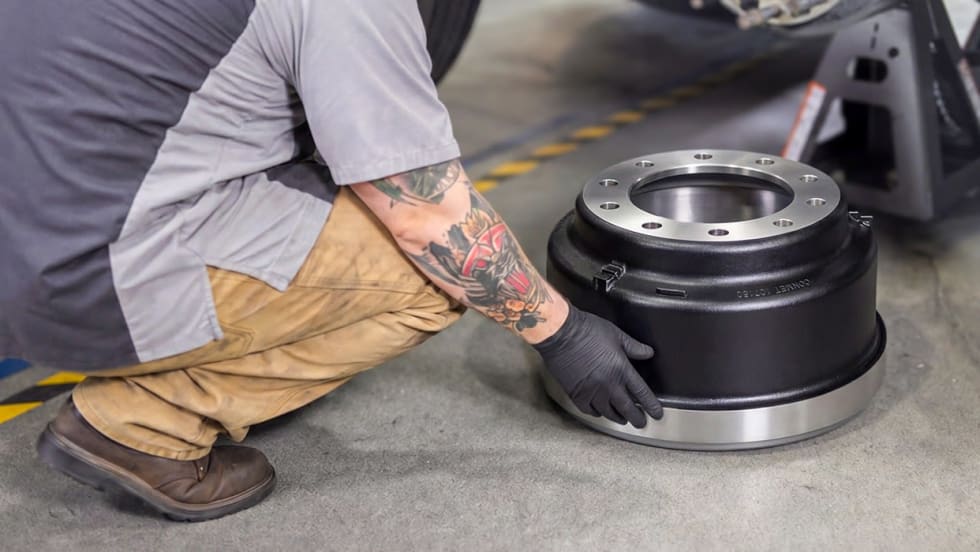
ConMet Expands Aftermarket Brake Drum Lineup With TruCast
A new heavy-duty truck brake drum option in the aftermarket gives customers more flexibility within the ConMet product family.
Read More →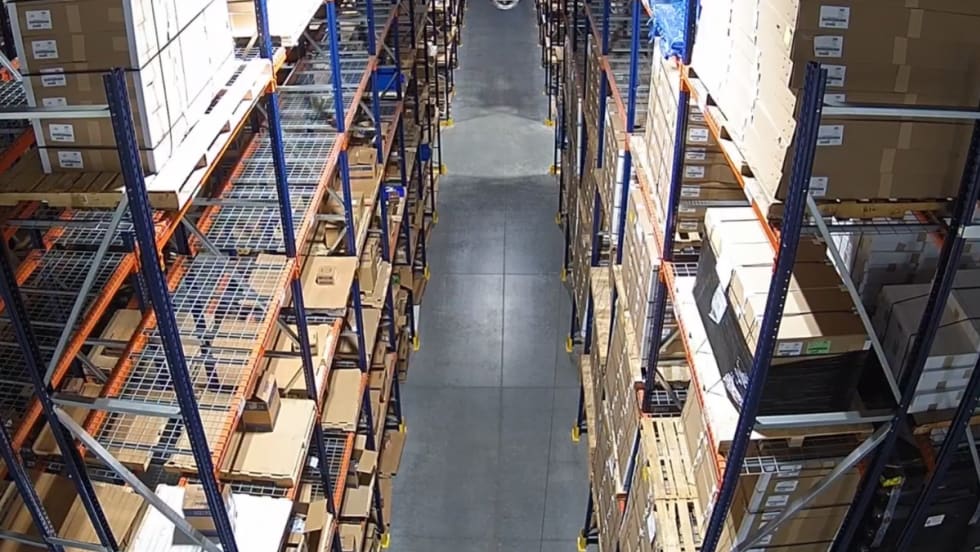
Phillips Opens High-Tech Distribution Center for Faster Parts Delivery
Phillips Industries’ new Cincinnati-area distribution center is now shipping aftermarket trucking parts nationwide, aiming to speed up delivery times for customers.
Read More →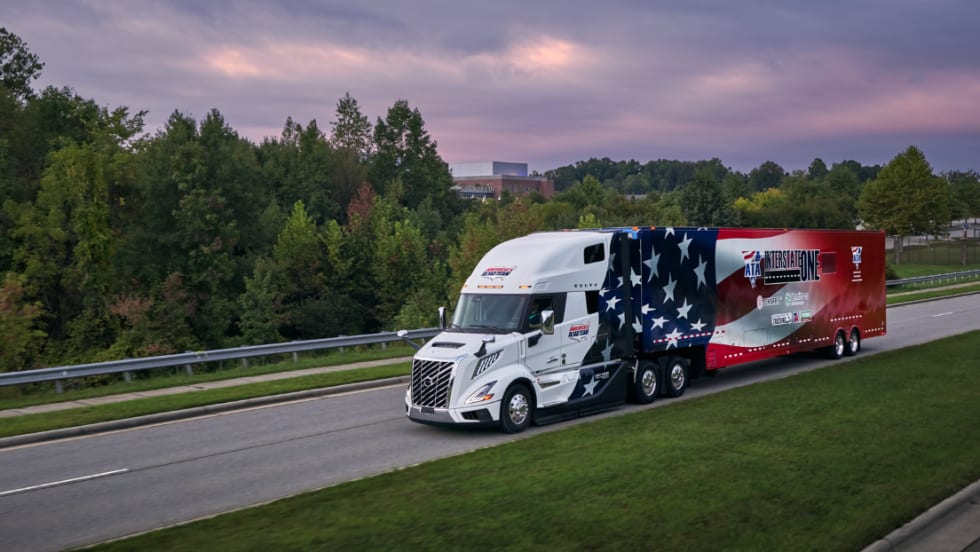
Volvo to Sponsor America’s Road Team for 2025
Volvo Trucks announced that it is extending its exclusive sponsorship of America’s Road Team for 2025.
Read More →
Webb to Start Taking Orders for UltraSet Pre-Adjusted Wheel Hubs
Webb, which recently acquired the Stemco Trifecta pre-adjusted hub program, will soon start taking orders for its replacement pre-assembled hub, the UltraSet.
Read More →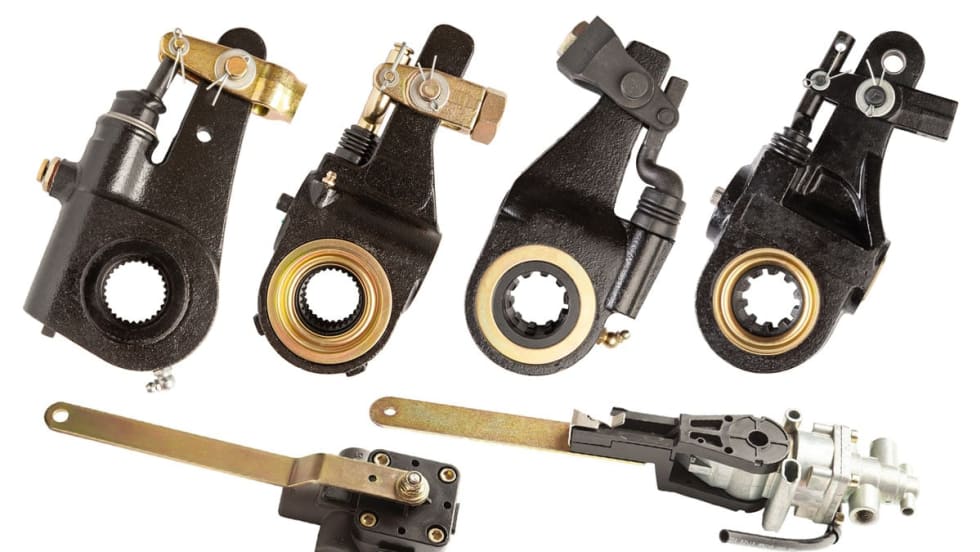
All-Makes Automatic Brake Adjusters, Ride Height Control Valves from Midland
SAF-Holland has added automatic brake adjusters and ride height control valves to its Midland All-Makes Program.
Read More →
ZF Aftermarket Expands [pro]Academy Training
ZF Aftermarket said it is expanding its ZF [pro]Academy training and will be adding 40 new modules this year.
Read More →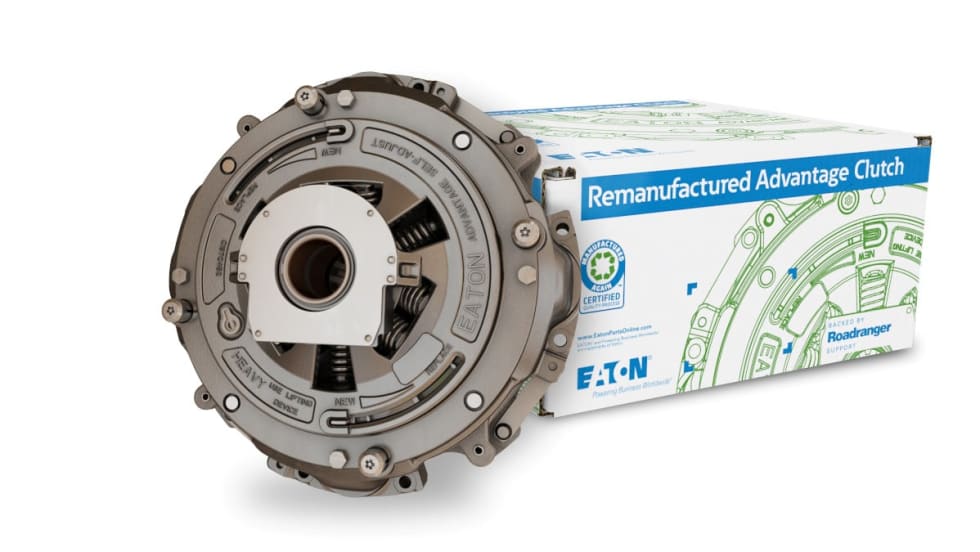
Eaton Adds Remanufactured Advantage Line of Clutches
Eaton has added its Advantage clutches to its remanufactured product line. The clutches feature a unique strap drive intermediate plate designed to allow customers to choose the latest OE specification
Read More →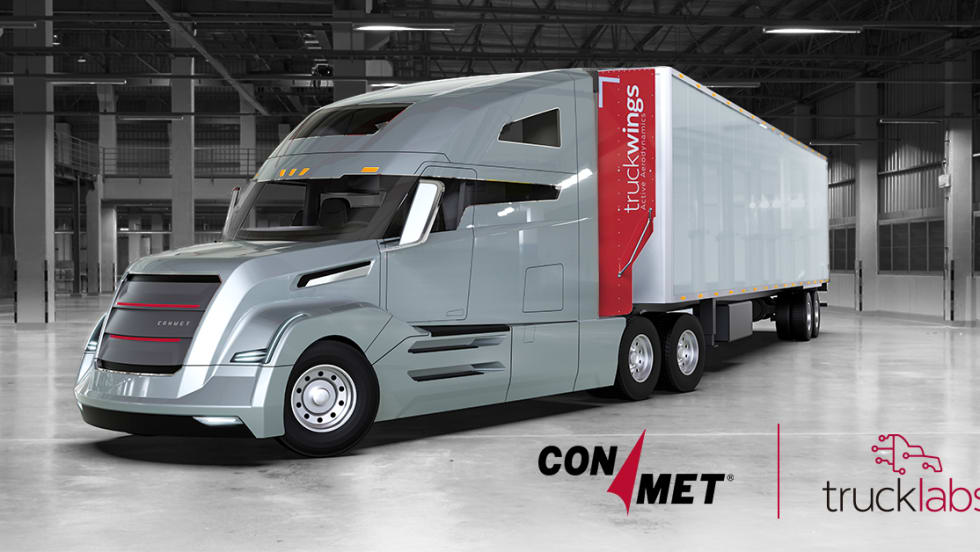
ConMet Acquires TruckLabs, the Creator of TruckWings
Commercial truck and trailer parts provider ConMet acquired TruckLabs, the company that created TruckWings, an aerodynamic device that attaches to truck cabs and deploys to close the gap between truck and trailer. TruckLabs now operates as a subsidiary of ConMet.
Read More →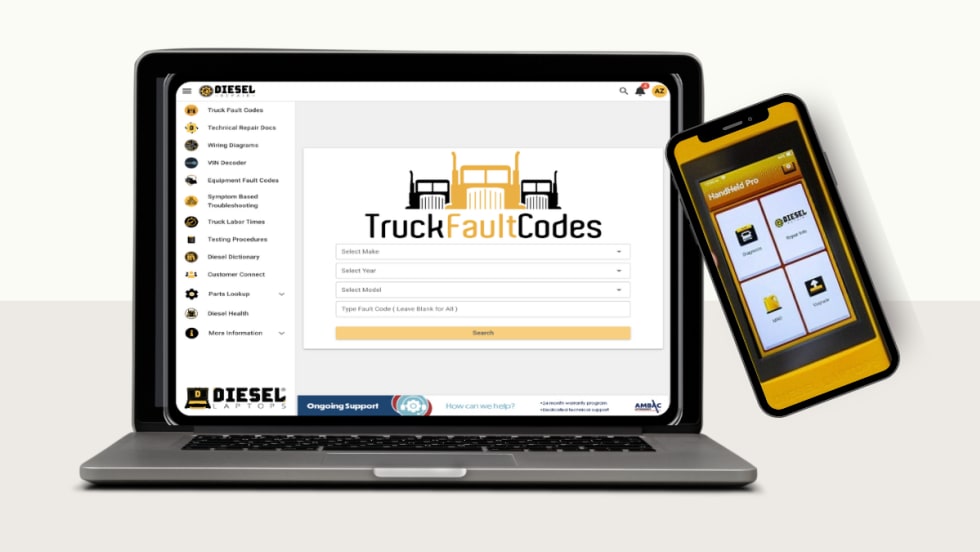
Diesel Laptops Releases Fault-Code-to-Part-Number Tool
Diesel Laptops said its Truck Fault Codes allows users to input a fault code and immediately identify and order the parts needed to complete repair work.
Read More →