




You also might like... Commentary: Driver Training Shouldn't End
Make the Most of Learning Styles When Training Drivers
It’s a natural instinct for driver trainers to teach according to their preferred learning style, but not everyone learns in the same way.
by Jane Jazrawy, CEO and co-founder, CarriersEdge
October 14, 2020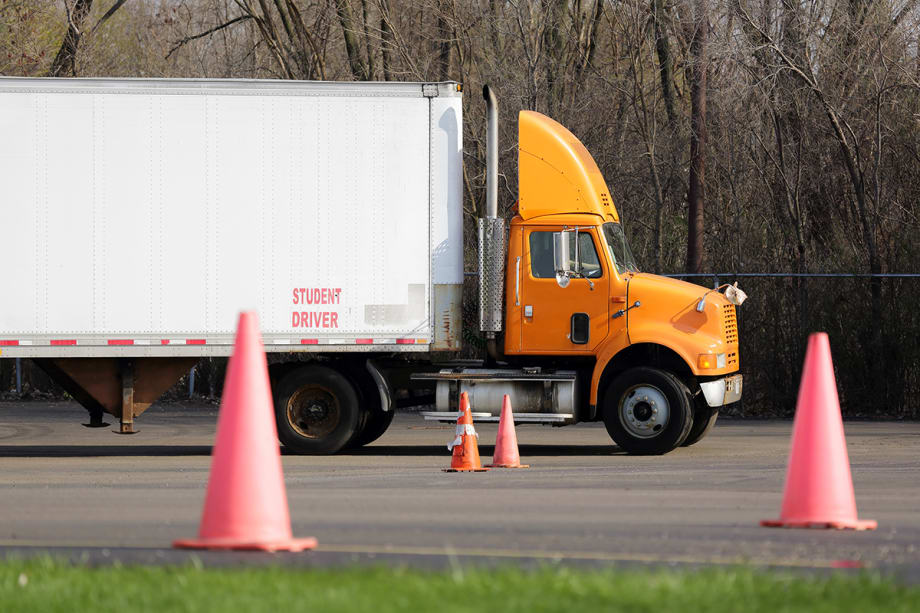
Photo: gk-6mt via iStock.com
4 min to read
A basic principle of education is that everyone learns at a different pace and has a different learning style. Visual learners learn best through diagrams, pictures, and reading text. Auditory learners like listening to someone speak or with music playing in the background. Kinesthetic learners like to “just do it” and figure it out as they go. Most of us have one dominant style and one other one we prefer.
It’s a natural instinct for driver trainers to teach according to their preferred learning style. Visual teachers use video and presentation tools, auditory teachers lecture, and tell stories, and kinesthetic teachers ask learners to get up and participate. As a learner, you don’t get much of a choice in the matter and you learn to cope. The good instructors try to vary their teaching styles to help everyone learn.
One way to vary your teaching style is to use different delivery methods. At CarriersEdge, we specialize in online content, but classroom, video, and hands-on activities are also critical to a complete training solution that resonates with everyone. A combination of approaches naturally helps you teach to all the learning styles. Let’s look at how this works:
Taking it Online
Self-paced training with opportunities to self-check can be great for all types of learners as long as there are visuals, audio, and interactivity. Online training is best for teaching concepts, explaining a process, and how systems work. It builds the participant’s knowledge, but it does not provide opportunities for practical application.
For example, when you want to teach someone about mountain driving, you can teach the theory through online training. However, if that person doesn’t practice first, I would not unleash them in the Rockies.
Meeting in the Classroom
Classroom works well in combination with online training. Start with online to teach general concepts and follow up with a classroom setting or one-on-one instructor-led sessions.
This combination works well for driver orientation, where people can review general content before heading to a classroom. In class, talk more about specific procedures and begin integrating people into your company’s culture. But in-person training may not be enough to help teach to all learning styles. Kinesthetic learners will still be fidgeting and doodling.
Offline Video
Don’t confuse video with online training. Online training can incorporate video, but the training experience should be more interactive than what a video can provide. Company leadership messages, announcements, and demonstrations work well on video.
As a kinesthetic/visual learner, I love photos or video demonstrations. I can see what I’m supposed to do, and I feel more prepared to do it. Facebook Live sessions where people can watch the feed and then use the text chat to ask questions are a great way to reach people.
The Hands-On Approach
This includes using simulators, backing practice, inspection competitions, and any other activity where it’s best to get in the yard and just do it. This appeals to kinesthetic learners, and it gives you the opportunity to develop confidence in newer drivers.
I’ve read many social media posts where a professional driver talks about how difficult it was to master backing a trailer, and how they didn’t properly learn it until they were at a shipping dock and someone else helped them. That’s a case of a carrier not providing enough hands-on practice.
Online training comes in handy here – use it to teach the concepts. Afterwards, practice the activity and provide coaching on specific techniques to improve performance. This uses everyone’s time more wisely.
Don’t fall for the advice that a good training program can only be one delivery method. The best training programs are those that incorporate many types of interactions to appeal to everyone’s learning style. By alternating whether you work on knowledge or skills, you will provide people with a more appealing training experience and get more out of the training time you have.
Jane Jazrawy is CEO of CarriersEdge, a provider of online driver training for the trucking industry, and co-creator of Best Fleets to Drive For, an annual evaluation of the best workplaces in the North American trucking industry produced in partnership with Truckload Carriers Association.This article was authored and edited according to HDT editorial standards and style to provide useful information to our readers.
Subscribe to Our Newsletter
More Drivers

From One Generation to the Next: How Mentorship Builds Safer Truck Drivers
After three decades in trucking, Harold Perry shares what he's learned about driver safety, mentorship, and helping the next generation build confidence behind the wheel.
Read More →
Truck Drivers Need More Than Another Alert
Fleets have more visibility into truck health, safety events, and driver activity than ever. The next challenge is turning all that information into useful guidance for the person who has to decide what to do next.
Read More →
FMCSA Removes 110 Truck Driver Training Schools from Certified ELDT List
Federal regulators also are targeting more than 160 additional training providers and launching a nationwide audit of third-party CDL skills testers as part of a broader crackdown on trucking fraud.
Read More →
Hours of Service Pilot Programs: FMCSA Readies for 2027 Rollout
Two pilot programs could eventually reshape hours-of-service rules, giving truck drivers options to pause their 14-hour clock or use longer split sleeper rest periods.
Read More →
Medical Cards, English Proficiency Reshape Roadcheck Violations
Medical-card violations jumped to the top of the driver out-of-service list during CVSA’s 2026 International Roadcheck, while English-language proficiency violations appeared among the leading violations for the first time.
Read More →
Driver Trust Can Make or Break the Success of Fleet Safety Technology
New Teletrac Navman research suggests that onboarding, transparency about driver data, and positive feedback can play a significant role in how commercial drivers respond to safety and coaching technology.
Read More →
EEOC Sues KLLM Over Alleged Sex Discrimination in Driver Training
KLLM is facing a federal sex-discrimination lawsuit over policies the EEOC alleges put female truck driver trainees at a disadvantage.
Read More →
FMCSA Moves to Codify English Language Requirements for Commercial Drivers
By changing regulations on English-language proficiency requirements for commercial drivers, rather than relying on a guidance memo, the FMCSA said future administrations won't be able to walk back the Trump administration's stricter enforcement with just a memo.
Read More →
Drivers Put Western Star Trucks to the Test at Star Nation Experience
Watch to get an inside look at the Western Star trucks, technology, and community behind the Star Nation Experience 2026!
Read More →
Trump Administration Looks to Put More Veterans Behind the Wheel
The Freedom Haulers program pulls together existing and expanded programs at several federal agencies to recruit veterans to drive commercial heavy-duty trucks and cut the red tape for them to get a CDL, training, and employment.
Read More →