




Inspector Detector
Required driver pre-trip inspections have garnered more attention under the Federal Motor Carrier Safety Administration’s new Compliance, Safety, Accountability enforcement program. And it’s not only the actual inspections you need to think about – it’s also the paperwork component.

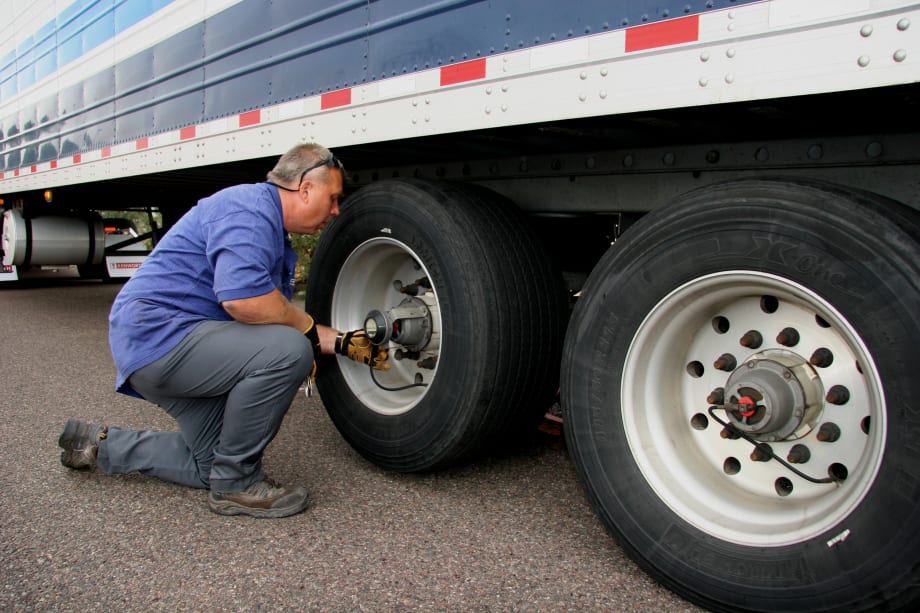

Required driver pre-trip inspections have garnered more attention under the Federal Motor Carrier Safety Administration’s new Compliance, Safety, Accountability enforcement program. And it’s not only the actual inspections you need to think about – it’s also the paperwork component.
Jeff Kaley, a truck lead advisor for GE Capital Fleet Services, works with fleet managers, many of them private fleets, to help them understand how they are affected by CSA. We talked with him particularly about driver vehicle inspection reports.
Q: Why have these pre-trip inspections gotten so much more attention under CSA?
A: With CSA in the driver’s seat measuring both the drivers and the fleets, fleet tolerance levels have been lowered substantially with the extra scrutiny the government has put on them.
The root issue comes down to the Maintenance BASIC as it is being enforced under CSA. Maintenance is one of the key BASICs. I think drivers performing vehicle inspections, no matter what size truck it is, is critical for fleets to identify maintenance issues and correct them before that fleet’s vehicles go out and conduct business.
It gives them a good window into possible maintenance issues they need to address that could potentially cost the company points or put that vehicle out of service at a roadside inspection or weigh station.
The extra scrutiny is driving more fleets to firm up their policy around DVIRs and make sure drivers are doing them.
Q: How do fleets make sure drivers are doing their inspections properly?
A: The biggest thing we push is making sure they get a strong fleet policy in place and strong enforcement to ensure that a driver is complying not only with DVIRs but all aspects of compliance.
Quite a few of the fleets that I’ve talked with have a policy in place. If drivers are not doing inspections there is a series of consequences that may lead to the driver not driving. A lot of times there are point systems or warning systems where they will work with the driver for the first couple of infractions.
Q: What about the paperwork itself?
A: Make sure you have a mechanism in place to guarentee that DVIR documentation is filled out correctly. Check to ensure the information that’s required is on that document, including a driver’s signature, and if there is a defect noted, that there is a mechanic or driver signature indicating that defect has been fixed before that vehicle goes out and conducts business.
There’s a retention period in place for DVIRs. They must be kept for 90 days from the date the document is dated, whether or not there were defects found.
Q: If keeping them for 90 days is good, isn’t keeping them for a year better?
A: No. Make sure you’re watching that 90 days and you’ve got a purging mechanism in place to get rid of those after those 90 days. If the DOT comes in on an audit, they’re going to audit as much information as they can find. If you are not up on your purging requirements and you have over a year’s worth of DVIRs, the DOT’s going to audit a year’s worth. The more information, the more they may audit, and the greater the potential to find errors with that document.
Q: What’s next in DVIRs?
A: There are a few companies that offer electronic DVIRs, usually a handheld device you’re going around the vehicle with. I think that’s going to become a very viable option for fleets. The majority of fleets can tie that to reporting for maintenance trends and other analysis.
The government is looking into electronic onboard recorders for driver logs and other possible uses. The days of a lot of the paper interfaces on these types of transactions are short-lived. One of the biggest challenges may be for the federal government to keep up with the technology and how they interpret that data.
More Safety & Compliance

How HDT’s 2026 Truck Fleet Innovators Are Rethinking Fleet Operations
Meet five trucking leaders who are challenging assumptions, solving operational problems, and putting innovative ideas to work.
Read More →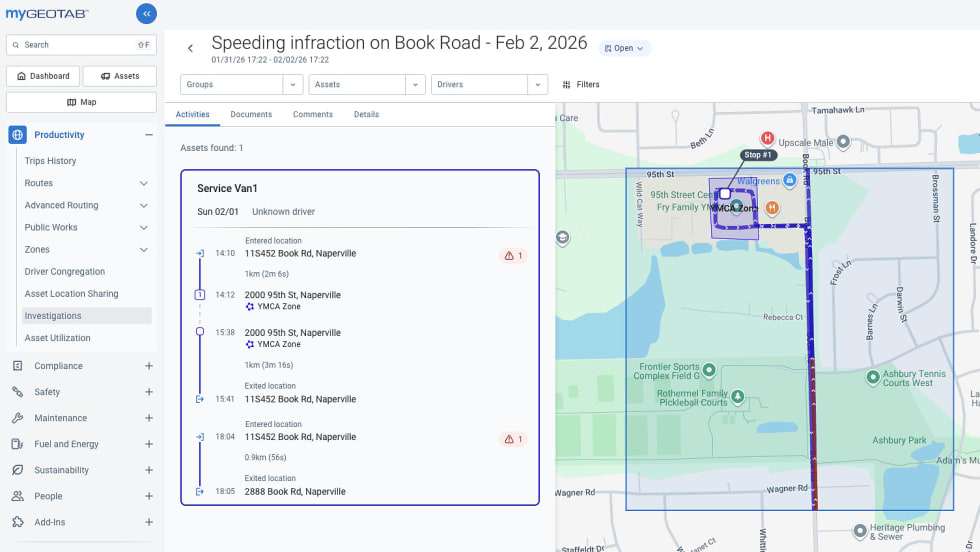
Geotab Launches Tool to Speed Fleet Incident Investigations
Geotab Investigations brings telematics data, video, photos, reports and other evidence into one case file to help fleets determine what happened and resolve incidents faster.
Read More →
FMCSA Moves to Codify English Language Requirements for Commercial Drivers
By changing regulations on English-language proficiency requirements for commercial drivers, rather than relying on a guidance memo, the FMCSA said future administrations won't be able to walk back the Trump administration's stricter enforcement with just a memo.
Read More →
Trump Administration Expands Homeland Security's Role in Trucking Enforcement
The administration's latest trucking crackdown goes beyond roadside inspections, expanding Homeland Security's role in commercial vehicle enforcement and investigations involving CDL training schools.
Read More →
Paccar Recalls 2027 Trucks Built This Summer for Possible Electrical Problem
The nearly 6,000 Kenworth and Peterbilt trucks in the recall could potentially lose engine power, among other things.
Read More →
Brake Safety Week to Focus on Drums and Rotors
Commercial vehicle inspectors will be focusing on brakes during CVSA's Brake Safety Week, August 23-29.
Read More →
Trump Administration Looks to Put More Veterans Behind the Wheel
The Freedom Haulers program pulls together existing and expanded programs at several federal agencies to recruit veterans to drive commercial heavy-duty trucks and cut the red tape for them to get a CDL, training, and employment.
Read More →
$604 Million Verdict Tests Broker Liability After Supreme Court Ruling
C.H. Robinson plans to appeal after a Texas jury found it bore the largest share of responsibility for a fatal 2021 crash, in a case that follows the Supreme Court's Montgomery decision allowing negligent hiring claims against freight brokers.
Read More →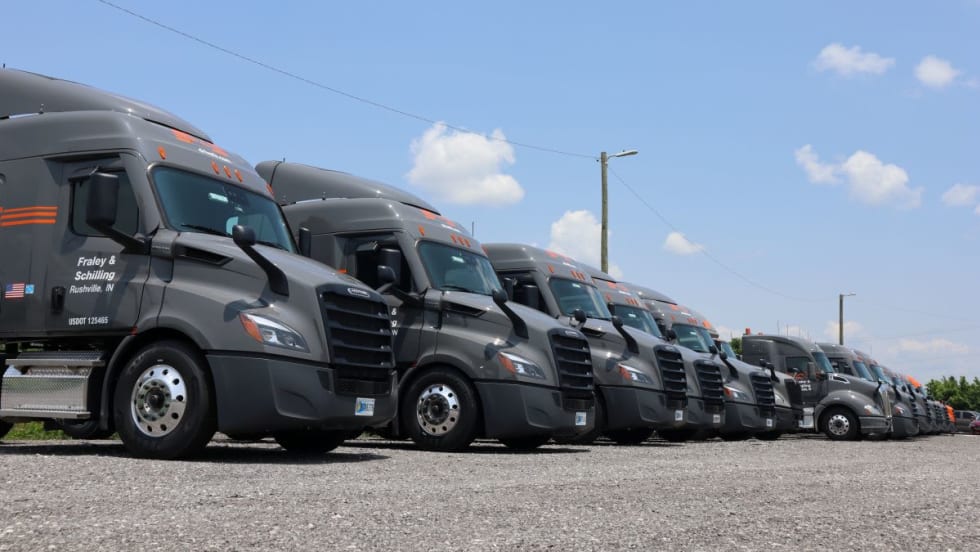
How Fraley & Schilling Improved Logbook Compliance by Over 50%
Fraley & Schilling needed a way to close a compliance workflow gap in its ELD system without adding more work from driver training, reminders, and back-office follow-ups. It found the answer in a custom driver app.
Read More →
Farewell, CDL: Why I'm Giving Up My Commercial Driver's License
After more than 20 years as a CDL holder, HDT Executive Editor Jack Roberts is letting his commercial license expire. Not because he wants to — but because trucking's nuclear verdict crisis has made the risks of public-road test drives too great for editors, manufacturers, and everyone involved.
Read More →