8 ways to protect yourself from inferior parts
While it is not always possible to tell the difference between a genuine part and a counterfeit part simply by looking at it, there are things you can do to protect yourself.
1. Check for markings: One way to ensure you are getting a genuine part, according to William Fouch, aftermarket marketing manager, transmissions at Eaton Corp., is to look for markings on the part. “In our case they all should say Eaton or Fuller on the gears and shafts.”
TJ Thomas, director of corporate marketing at Bendix Commercial Vehicle Systems, says to look beyond the visual aspects of the part to see if it is the same as the one you are replacing or not. “Does it have branding? Is it the same color?”
2. Be aware of price: The old adage “if it’s too good to be true, it probably is” applies to truck parts prices, according to Aaron Bickford, director of brake and wheel end at Meritor. “The markets for our parts are incredibly competitive; there is not a lot of excess profit,” adding that “if someone comes to you selling friction at 25-30% below what you usually pay,” be suspicious.
Stephane Godbout, vice president of fleet management for location at Brossard NationaLease, urges fleets to focus on lowest cost per mile or total cost of ownership.
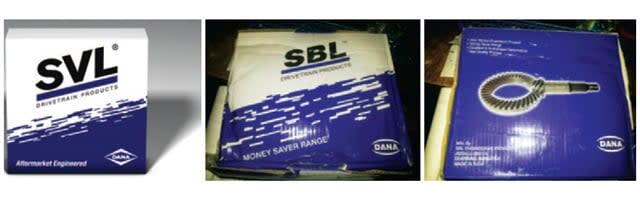
3. Know your supplier: “Purchase from reputable suppliers that understand what your fleet transports,” says Lloyd Hair, director of fleet maintenance at Keen Transport. “Develop a network of suppliers and make sure all your shops are purchasing through those programs. Stay away from white boxes; if they do not have the manufacturer’s name on it, take warning.”
John Devany, sales manager for Betts Truck Parts & Services, says, “The ultimate assurance is to only purchase genuine branded parts from authorized distribution. Carefully review proposals. Verify the accuracy of part numbers. Solicit quotes from multiple sources.”
Phillip Rotman, chief intellectual property counsel for Dana Holding Corp., adds, “If you buy on eBay, Amazon or Alibaba, you don’t know what you’re getting. It may be genuine, but it might not be unless you know the vendor.” He recommends buying from vendors you know and trust.
4. Investigate new suppliers: When looking for a new supplier, look for a distributor with a long business history, says Devany. See what trade associations they belong to. Ask if they offer genuine brands, and confirm that by looking them up on the manufacturers’ websites to determine their authorized status.
5. Ask for what you want: Thomas urges fleets to request the parts they want by brand name. “Request it by name and say ‘I am looking for genuine Bendix.’”
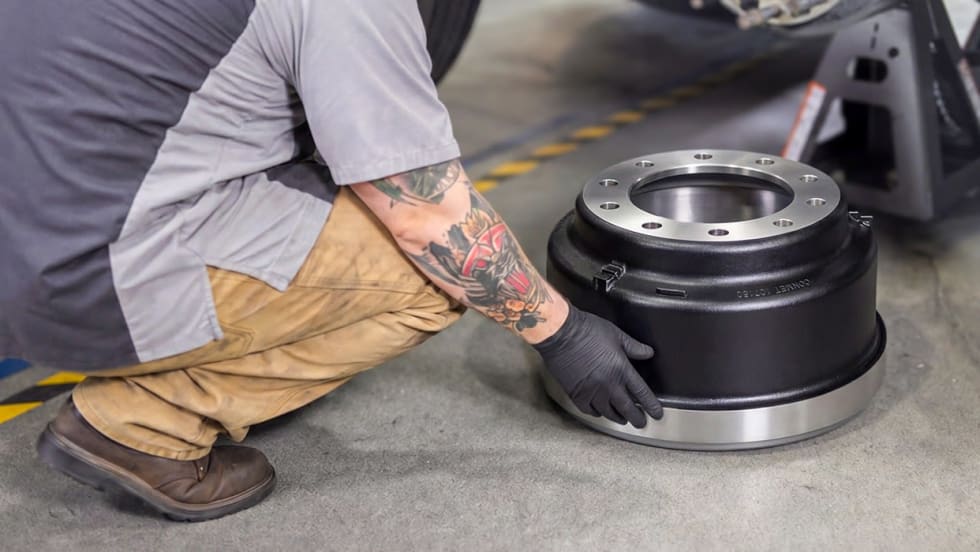
6. Check the part over: Pay very close attention to the details of the part, “especially if the country of origin is different than what you would expect,” says Jane Clark, vice president of member services at NationaLease. “Does the product feel too light or too heavy? Is the color correct? Does the company logo look slightly different than normal? Make sure to check the part numbers.”
Devany suggests looking at the packaging first to determine if “typical and customary packaging standards and disclosures have been followed.” Make sure the country of origin is disclosed. “Handle and inspect the part. Does the workmanship reflect first quality parts? Is workmanship consistent from part to part? Is the part number close to but not the same as the genuine part?”
7. Watch installation issues: If the product looks right but is difficult to install and does not fit the way it is supposed to, be suspicious, Clark says.
8. Contact the supplier or manufacturer: When in doubt about a part, contact the supplier or manufacturer and ask for their assistance.
Devany says fleet managers should contact the OE manufacturer and report when they find counterfeit parts, including the source of distribution.
If you discover that you’ve inadvertently purchased counterfeit parts, take all of them off the shelf, according to Godbout. “Recall all equipped vehicles back to the shop to get retrofitted; schedule a visit at the distributor’s to inquire about their knowledge of it.”