





All That's Trucking Blog: Greener Fuels on the Way to Zero Emissions
Green Transportation: Beyond the Tailpipe [Commentary]
In what has felt a bit this year like a headlong rush toward zero-emission battery-electric and hydrogen-fuel-cell vehicles, are we overlooking other potential environmental impacts?
November 20, 2020
![Green Transportation: Beyond the Tailpipe [Commentary]](https://assets.bobitstudios.com/image/upload/f_auto,q_auto,dpr_auto,c_limit,w_920/footprint-4664709_1920_1768077838932_odylj7.jpg)
Image: Gerd Altmann via Pixabay
3 min to read
In what has felt a bit this year like a headlong rush toward zero-emission battery-electric and hydrogen-fuel-cell vehicles, are we overlooking other potential environmental impacts?
Regulators in California and 15 other states are pushing a transition to zero-emission vehicles. OEMs, component makers, and others are pouring money into research and development. Yet many questions must be addressed before they can be widely adopted commercially. There are those that deal with vehicle operations, such as range, weight, charging/fueling infrastructure, and cost. But there are larger questions that need to be addressed, such as electric grid capacity, the availability of raw materials to make batteries, scaling up hydrogen production, and battery disposal.
In some areas of the country, electricity still comes largely from plants powered by fossil fuels such as coal and natural gas. We could be trading tailpipe emissions for smokestack emissions.

HDT Editor in Chief Deborah Lockridge
Photo: HDT File
On the West Coast, much of the electricity is produced via zero-emissions methods, such as solar, wind, and hydro-electric. Yet all these technologies raise their own environmental concerns outside of emissions.
For instance, environmentalists have criticized large solar farms for their impact on protected animal and endangered plant species. They advocate the use of Distributed Energy Resources instead — microgrids connecting systems of photovoltaic panels across rooftops, parking lot shade structures, and commercial buildings such as warehouses and distribution centers.
The Department of Energy points out that while hydropower generators do not directly emit air pollutants, dams, reservoirs, and the operation of hydroelectric generators can affect the environment, obstructing fish migration, as well as changing natural water characteristics and affecting the plants and animals in and around the river.
Overall, the DOE says, using wind to produce energy has fewer effects on the environment than many other energy sources. But some types of wind turbines and wind projects cause bird and bat deaths — and not everyone wants a view of a wind farm.
So what about hydrogen? Producing hydrogen in itself takes electricity, so it raises all the same questions.
In addition, hydrogen production from steam methane reforming, the most common process, currently releases CO2 into the air. Hydrogen-producing facilities will need to capture that and re-use it to make fuel-cell vehicles more environmentally friendly. Truly getting to “green” hydrogen will take a different process, using the energy from renewable energy to split water into hydrogen and oxygen and capture that hydrogen.
There are also wider environmental and social concerns around the raw materials used in batteries. For example, two-thirds of all cobalt production happens in the Democratic Republic of the Congo, according to the UN, and about 20% of that comes from artisanal mines where up to 40,000 children work in dangerous conditions for meager income.
And in Chile, lithium mining uses nearly 65% of the water in the country’s Salar de Atamaca desert region to pump out brines from drilled wells. This has forced quinoa farmers and llama herders to migrate and has caused soil contamination, groundwater depletion, and pollution, according to the UN.
The industry is researching the possibility of using other materials, but like the transition to green hydrogen, that’s going to take time.
And then there’s the question of what happens to electric-vehicle batteries once they’re depleted. A UK study published a year ago in the scientific journal Nature said governments and industry need to act now to develop a robust recycling infrastructure. Not only will that keep toxic batteries out of landfills, it would allow re-use of the cobalt and lithium.
All this is not to say that we shouldn’t be working toward zero-emission vehicles, especially in areas of the country like Southern California where air pollution is still a major problem. But if you look at a broader definition of green, environmentally friendly, and sustainable, it’s a much more complex issue than what comes out the exhaust stack.
Subscribe to Our Newsletter
More Fuel Smarts
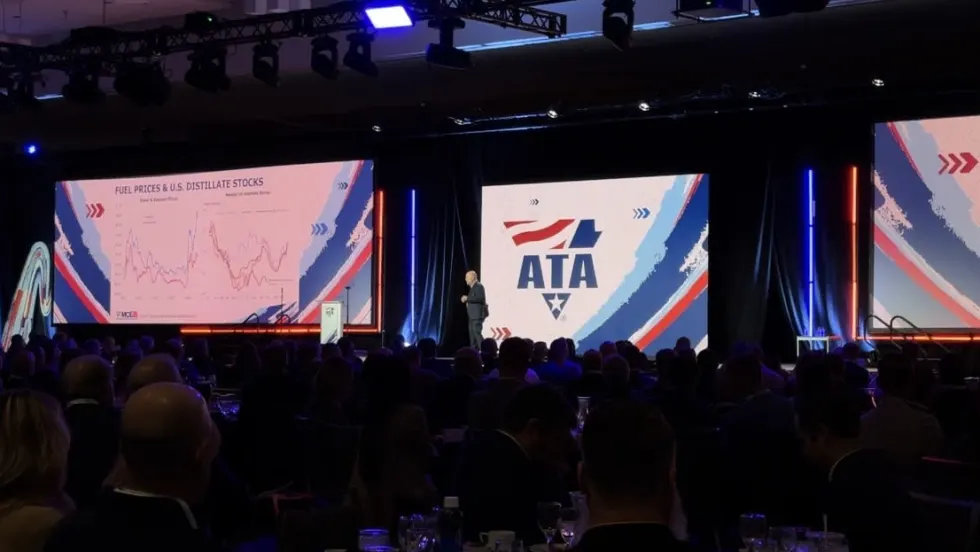
Trucking’s Diesel Squeeze Isn’t Letting Up
With diesel topping $6 a gallon nationally, ATA's Bob Costello explains why fleets should prepare for continued pressure at the pump.
Read More →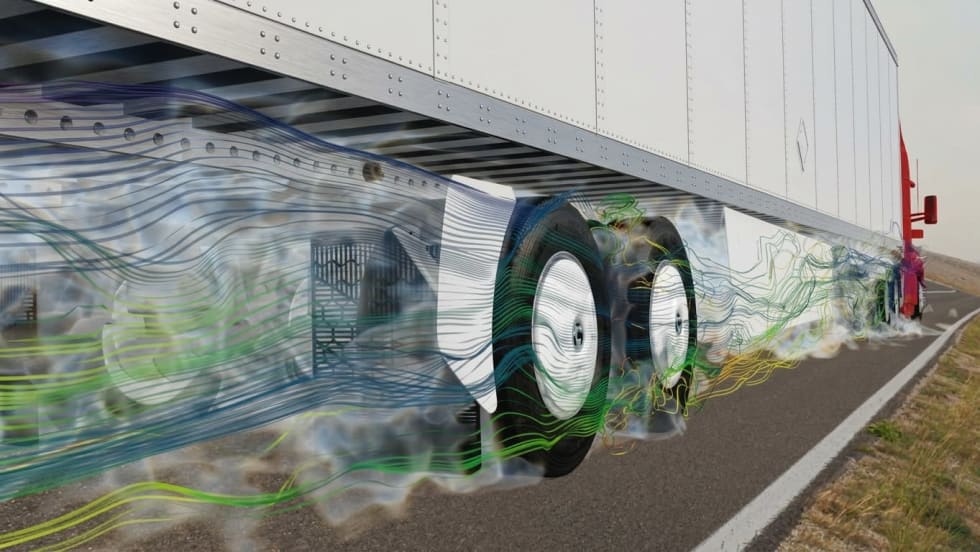
FlowBelow Redesigns Trailer AeroSlider to Cut Fuel Use
The lighter trailer aerodynamic system installs in less than 45 minutes, according to the company, with potential payback in under a year depending on fuel prices and trailer mileage.
Read More →
Why Diesel Price Relief Efforts May Fall Short
Diesel prices have eased from September’s record high, but doubts about additional Russian supply and limits on dyed-diesel tax relief mean trucking fleets still face expensive fuel. And prices could go higher.
Read More →
Why Small Fuel Savings Matter in Trucking
Can better fuel economy help pay for driver raises? In this podcast, GP Transco explains how small efficiency gains create room to reinvest in its people.
Read More →
How GP Transco Cuts Trucking Fuel Costs, a Tenth of a Gallon at a Time
What’s another tenth of a mile per gallon worth? GP Transco shares how equipment upgrades and driver coaching turn small gains into meaningful fuel savings.
Read More →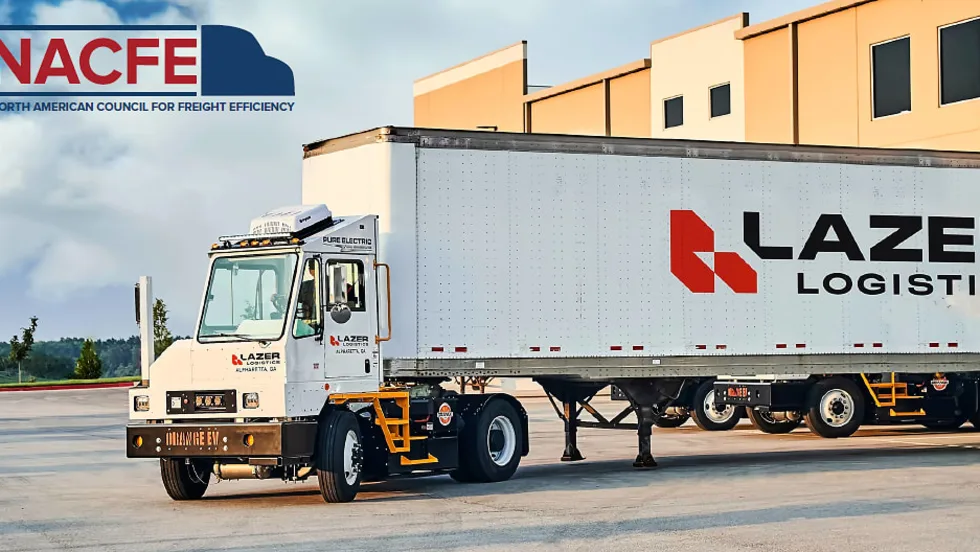
Electric Yard Tractors Move Beyond Pilots
Operating-cost savings have overtaken sustainability goals as the leading reason surveyed fleets are adopting battery-electric terminal tractors, according to new NACFE research.
Read More →
Geotab Links Fleet Card to Vehicle Data
The new card combines fuel discounts with telematics-based purchase controls. Geotab’s analysis also points to potential savings from choosing lower-priced fuel stops.
Read More →
Fleet Economics Shape Electric Truck Outlook
ACT Research expects costs, charging infrastructure, and technology improvements to drive zero-emission commercial vehicle adoption as federal regulations and incentives retreat.
Read More →
Wex Adds Cardless Fuel Payments for Over-the-Road Customers
A new fuel card feature for Wex customers offers convenience and security.
Read More →
New California Law Could Shed Light on Electric Truck Prices
Why do battery-electric Class 8 trucks remain so expensive? A California bill signed by Gov. Gavin Newsom would give fleets and state agencies more visibility into what manufacturers charge.
Read More →