




Ford Unveils New Power Stroke Diesel
Ford has rolled out its Ford-engineered, Ford-tested and Ford-manufactured 6.7-liter Power Stroke V-8 turbocharged diesel engine, which will debut in the next-generation F-Series Super Duty truck
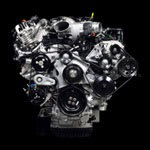
Ford has rolled out its Ford-engineered, Ford-tested and Ford-manufactured 6.7-liter Power Stroke V-8 turbocharged diesel engine, which will debut in the next-generation F-Series Super Duty truck.
The engines for the truck were previously built by Navistar, but that relationship led to years of litigation. Early this year the two companies announced they had reached an agreement to settle the dispute, including ending their diesel engine supply agreement three years early, effective Dec. 31 this year.
The company says the new engine will deliver significant improvements in torque, horsepower and fuel economy while adding more fueling flexibility and easily meeting stringent 2010 emissions requirements.
The engine will use an aftertreatment system to help comply with 2010 federal regulations to reduce nitrogen-oxide levels in diesel emissions by more than 80 percent compared with the previous standard. The Ford aftertreatment system is a three-stage process; a key component is the use of Diesel Exhaust Fluid (DEF).
The 6.7-liter Power Stroke uses an "inboard exhaust" architecture. The engine is made with compacted graphite iron engine block, which is stronger than regular gray cast iron. According to the company, the new engine architecture enables easier service work for all major engine components, which can reduce downtime.
Another change in the engine model is the use of a single turbocharger, which delivers the benefits of a twin-turbocharger system in a smaller, more efficient package, Ford says. The single-sequential turbocharger features a double-sided compressor wheel mounted on a single shaft, which Ford says is an industry first.
"Having one turbocharger eliminates the air-handling noises - the whooshes - as the engine switches from one turbo to the next turbo," said Scott DeRaad, engine noise, vibration and harshness engineer. "Our turbocharger also has ball bearings that pilot the shaft in the turbo, which helps eliminate the potential for the shaft of the turbocharger to gyrate in its housing, which can create noise."
Other improvements have lowered noise and vibration, as well.
The new engine also features the Bosch fuel system, which injects fuel at up to 30,000 psi.
The engine was designed to meet the U.S. EPA's 2010 regulations for emissions through selective catalytic reduction and is compatible with a 20 percent biodiesel blend.
The National Biodiesel Board voiced its support for the new engine design and for its B20 compatibility.
"This is the first of what we expect to be many formal announcements of B20 approval in new clean diesel technology," said Steve Howell, technical director for the National Biodiesel Board.
More info: www.ford.com
More Products

Michelin Tire Improves Efficiency and Durability for Regional Fleets
The Michelin X Multi Energy D2 is a regional haul drive tire engineered to help fleets improve fuel efficiency, durability and traction in demanding stop-and-go operations.
Read More →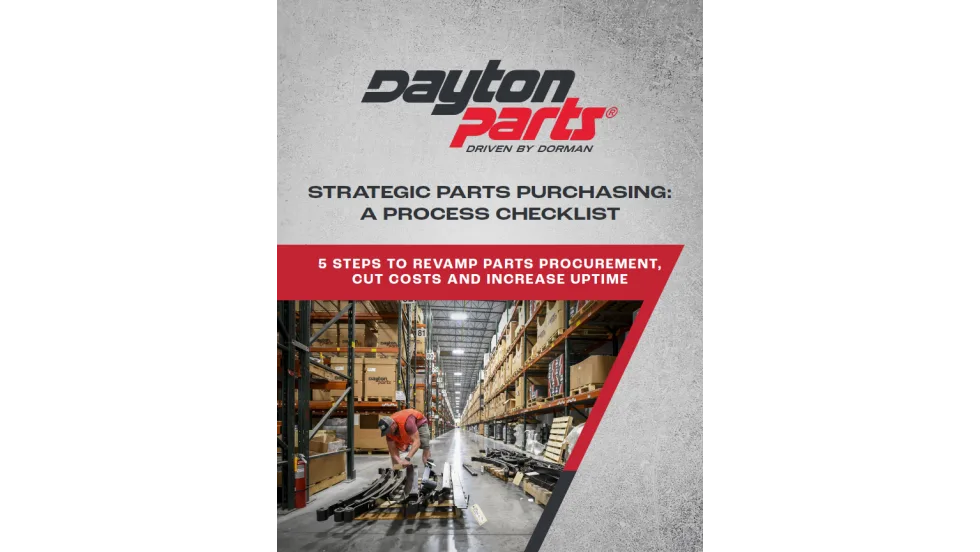
Is Your Parts Procurement Process Reactive or Proactive?
Ready to revamp your parts procurement process? Learn how now with “Strategic Parts Purchasing: A Process Checklist”
Read More →
What Geotab's New AI Connector Means for Fleets
Fleets can now ask their usual AI assistants questions about maintenance, safety, fuel use, and vehicle performance, using their live Geotab data, and take action on the answers without leaving their preferred AI tool.
Read More →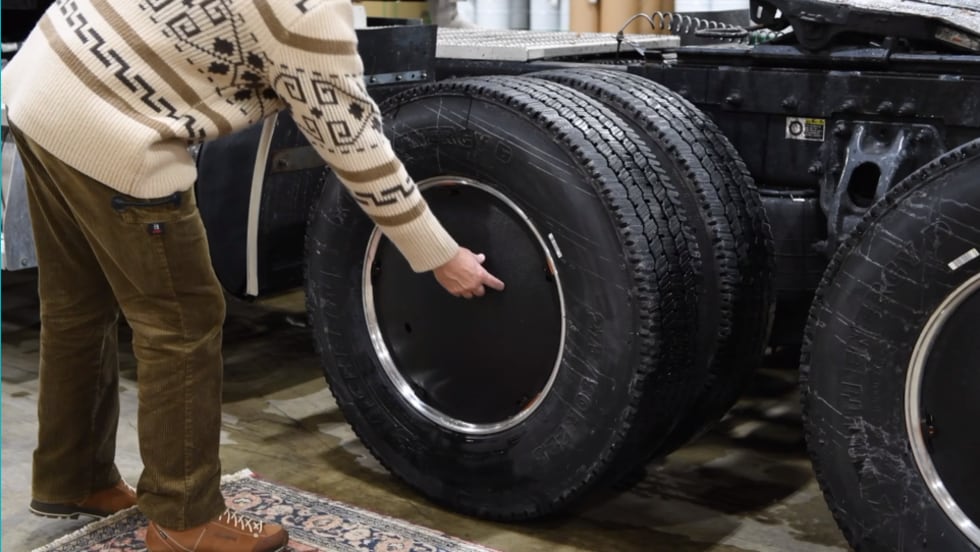
Deflecktor: Hubbub Aerodynamic Wheel Cover Cost-Effective Even for Trailers
Aerodynamic wheel covers can deliver small but meaningful fuel-economy gains for fleets, and Deflecktor says its latest design aims to make the technology easier and more affordable to deploy.
Read More →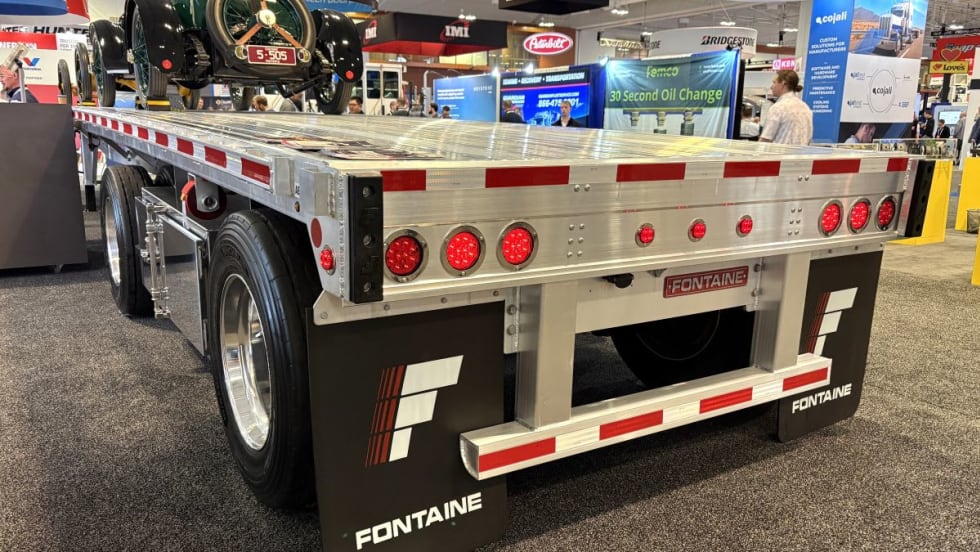
Fontaine Expands Flatbed Lineup with New Fleet-Focused Models, Eyes 2027 Launch
Fontaine is broadening its flatbed lineup with new models aimed at fleets, including a lightweight aluminum trailer expected in 2027 that emphasizes durability, repairability, and lower cost.
Read More →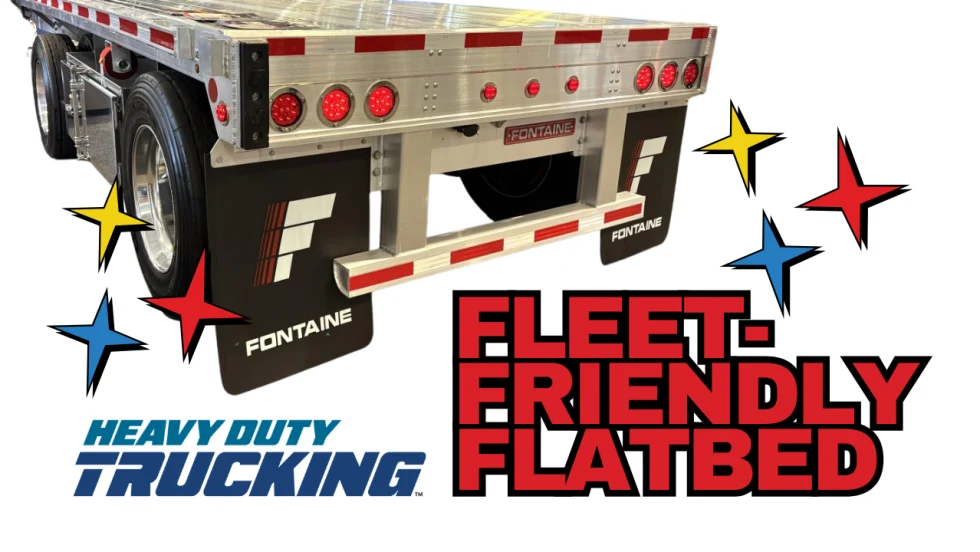
Fontaine's Fleet-Focused Force Flatbed Prototype [Watch]
A new prototype from Fontaine Trailer focuses on what fleets say they need most: easier repairs, lower maintenance costs, and practical, service-friendly design.
Read More →
HDT Honors the Best New Products of 2025 at TMC [Photos]
Heavy Duty Trucking's Top 20 Products awards recognize the best new products and technologies. Check out the award presentations at the 2026 Technology & Maintenance Council annual meeting.
Read More →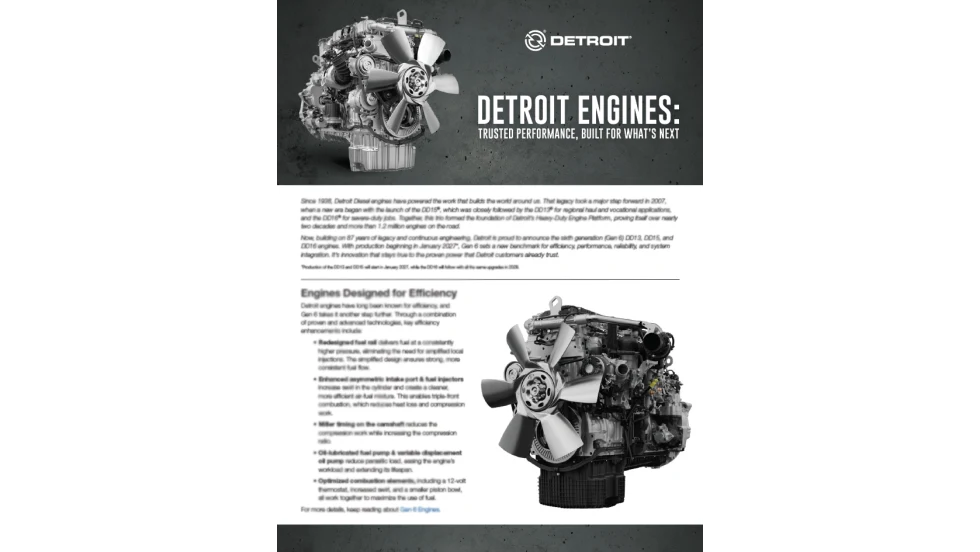
Detroit Engines: Trusted Performance, Built for What's Next
The Detroit® Gen 6 engine platform proves that real progress doesn’t require a complete redesign. Built on 20 years of trusted technology, these engines are designed for efficiency, stronger performance, and greater reliability than before. And they do it all while complying with 2027 EPA standards on every mile.
Read More →
HDT Top 20 Products 2026: The New Tools, Technologies, and Ideas Shaping Trucking
From pricing intelligence and compliance tools to charging infrastructure, diagnostics, tires, and AI, HDT’s 2026 Top 20 Products recognize the new tools, technologies, and ideas heavy-duty trucking fleets are using to run their businesses.
Read More →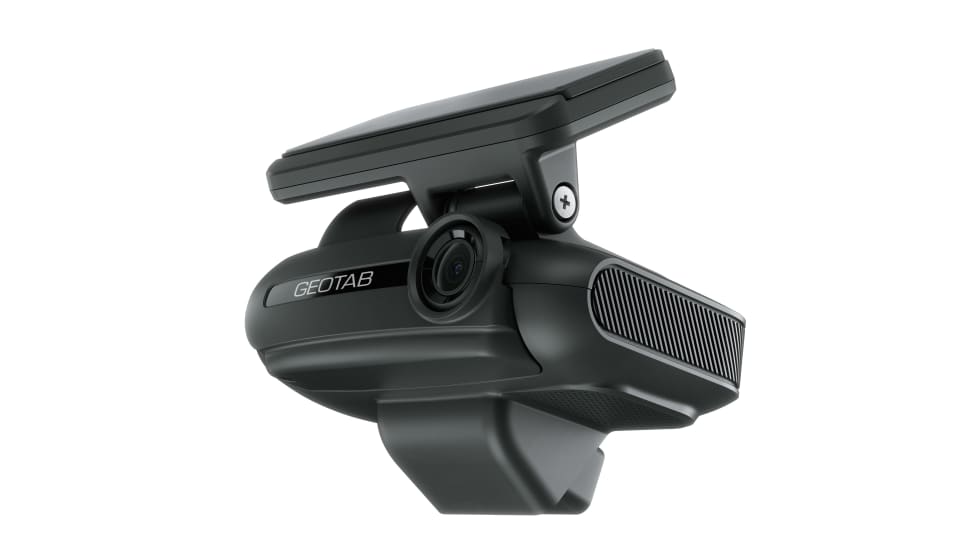
Geotab Launches AI-Powered GO Focus Pro Dash Cam With 360-Degree Visibility
Geotab launches GO Focus Pro, an AI-powered 360-degree dash cam designed to reduce collisions, prevent fraud, and protect fleets from nuclear verdict risk.
Read More →