




Don't Blow a Gasket When Installing Oil and Fuel Filters
At first glance, it appears to be pretty simple to install a new oil or fuel filter on your heavy-duty vehicle: Just line up the threads and give it a spin. This mindset, however, can be dangerous to the vehicle’s operation and overall health.
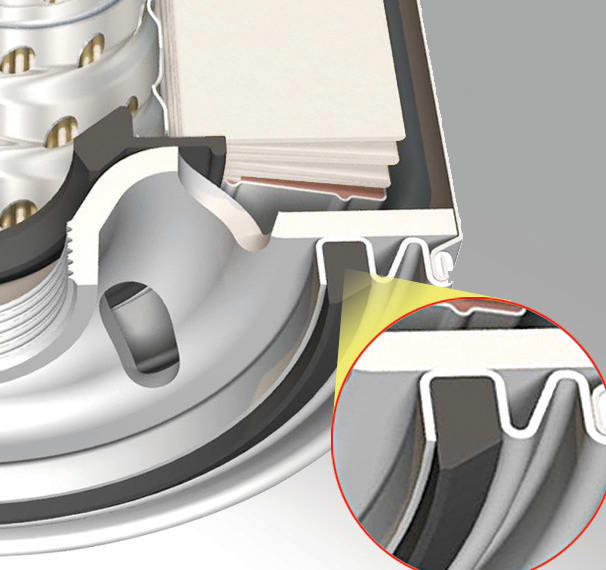
All oil filters feature a gasket at the open end of the filter, which acts like a seal and a lock-washer after installation.
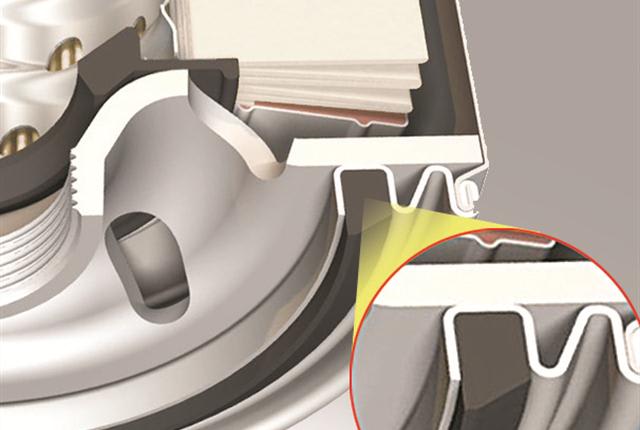
All oil filters feature a gasket at the open end of the filter, which acts like a seal and a lock-washer after installation.
At first glance, it appears to be pretty simple to install a new oil or fuel filter on your heavy-duty vehicle: Just line up the threads and give it a spin. This mindset, however, can be dangerous to the vehicle’s operation and overall health.
The first thing to keep in mind when installing a new filter is that there are torque specs for every component on a vehicle. If the instructions for installing a new filter say it must be tightened to three-quarters of a turn after gasket contact, then tighten it to three-quarters of a turn after gasket contact, no more, no less.
Of course, there are other things to keep in mind in addition to this basic installation principle. All oil filters feature a gasket at the open end of the filter, which acts like a seal and a lock-washer after installation. Depending on the size of the filter, the gasket will be either flat (usually on smaller filters), or bevel-cut (on some larger filters).
The reason some larger filters feature a bevel-cut gasket is that the bevel-cut reduces the amount of installation torque that is required to meet the installation parameters. Since large-diameter filters have a larger amount of gasket surface area, it is harder to compress the filter gasket adequately for full structural performance. Some filters may also feature an internally lubricated gasket, which can reduce the torque required to get the proper number of turns.
But no matter the ease with which an oil filter can be installed, the installer must remember to follow the installation instructions. Whether it says to turn the filter three-quarters, one-half or one-quarter of a turn, it is imperative that those instructions be followed. Those turn values are not just pulled out of thin air; they are the optimum gasket compression for that filter.
A simple way to guarantee that the filter is being installed with the proper turn value is to screw it on until the gasket contacts the head, mark that spot with a marker, then keep turning the filter until it goes around the recommended distance.
In the end, a properly installed oil filter, especially those that are used on heavy-duty vehicles in demanding on-/off-road applications, will not only keep the oil flowing, but will keep the filter from leaking, shaking loose or backing off. Observing the recommended installation instructions will also help ensure that the oil filter will perform reliably throughout the length of its change interval.
For additional “Tech Tips” from Luber-finer, please visit www.luberfiner.com.
More Drivers

Truck Drivers Need More Than Another Alert
Fleets have more visibility into truck health, safety events, and driver activity than ever. The next challenge is turning all that information into useful guidance for the person who has to decide what to do next.
Read More →
FMCSA Removes 110 Truck Driver Training Schools from Certified ELDT List
Federal regulators also are targeting more than 160 additional training providers and launching a nationwide audit of third-party CDL skills testers as part of a broader crackdown on trucking fraud.
Read More →
Hours of Service Pilot Programs: FMCSA Readies for 2027 Rollout
Two pilot programs could eventually reshape hours-of-service rules, giving truck drivers options to pause their 14-hour clock or use longer split sleeper rest periods.
Read More →
Medical Cards, English Proficiency Reshape Roadcheck Violations
Medical-card violations jumped to the top of the driver out-of-service list during CVSA’s 2026 International Roadcheck, while English-language proficiency violations appeared among the leading violations for the first time.
Read More →
Driver Trust Can Make or Break the Success of Fleet Safety Technology
New Teletrac Navman research suggests that onboarding, transparency about driver data, and positive feedback can play a significant role in how commercial drivers respond to safety and coaching technology.
Read More →
EEOC Sues KLLM Over Alleged Sex Discrimination in Driver Training
KLLM is facing a federal sex-discrimination lawsuit over policies the EEOC alleges put female truck driver trainees at a disadvantage.
Read More →
FMCSA Moves to Codify English Language Requirements for Commercial Drivers
By changing regulations on English-language proficiency requirements for commercial drivers, rather than relying on a guidance memo, the FMCSA said future administrations won't be able to walk back the Trump administration's stricter enforcement with just a memo.
Read More →
Drivers Put Western Star Trucks to the Test at Star Nation Experience
Watch to get an inside look at the Western Star trucks, technology, and community behind the Star Nation Experience 2026!
Read More →
Trump Administration Looks to Put More Veterans Behind the Wheel
The Freedom Haulers program pulls together existing and expanded programs at several federal agencies to recruit veterans to drive commercial heavy-duty trucks and cut the red tape for them to get a CDL, training, and employment.
Read More →
Putting Mack’s Command Steer to the Test
A test drive of Mack’s Command Steer active steering system evaluates how it can make truck driving easier and less tiring.
Read More →