




Commentary: The Remanufacturing World's Problem With Cores
The biggest pain point for everyone involved in remanufacturing is cores. Things such as core management traceability, identifying cores, accounting for cores, space to store cores, and even the transportation of cores all add complexity to remanufacturing. Aftermarket Contributing Editor Denise Rondini talks cores in her latest column.


Denise Rondini

Denise Rondini
The biggest pain point for everyone involved in remanufacturing is cores. Things such as core management traceability, identifying cores, accounting for cores, space to store cores, and even the transportation of cores all add complexity to remanufacturing, says Tim Shaw, national sales and product manager for remanufacturing at Haldex.
No single one of these issues is more of a concern than the others, making it harder to address the core issue.
“If you conducted a poll of 10 different customers, they are all going to have a different opinion about what is most difficult for them,” Shaw says. “Some do a really good job at the traceability and tracking of cores, but on the flip side they might not be identifying cores correctly or they might not correctly determine core condition.” Even if you solve one of the problems, you are still left with several others.
Haldex is looking at a more flexible core program that tries to alleviate some of the issues customers have. While Shaw was not at liberty to go into great detail, he did mention speeding up the core process. “We are trying to make sure that the cores are processed in a quick and timely manner.” He also says the company is looking into things like longer time frames to return cores.
There are a couple of other areas where Shaw thinks manufacturers can help make the core process more user-friendly. One is in the area of core identification. Shaw thinks better tools will help fleets and distributors do a better job of identifying cores and understanding core condition to better assess core value.
“For our business model and for us to be in business, we have to have cores, and we have to have good cores,” Shaw says. Damage to the core can render it unusable or require additional processing to bring it up to standards.
Another possibility is moving to a core buyback program. Rather than trying to get the core charge upfront, manufacturers would buy back cores when they need them. At that point, core condition would be determined and the payment for the core would be based on the shape it was in.
While it is obvious why manufacturers need cores, it may be less obvious why fleets should be concerned about cores. Shaw says fleets enjoy lower replacement part acquisition prices when they choose remanufactured parts. “Depending on the product, it can be exponentially cheaper.”
In addition, remanufactured parts have proven quality. “Some of the parts coming from overseas don’t have proven castings, for example, whereas all remanufactured products have already been out in the market, so we know their castings are tried and true,” Shaw explains.
However, he believes the benefits of remanufacturing go beyond lower purchase price. “I think we need to start to focus on the sustainability aspect of remanufacturing,” Shaw says. “When fleets start looking at sustainability and look at what the manufacturing process does compared to buying new and tossing parts in the trash, that will really help the remanufacturing cause.”
For instance, Haldex’s remanufacturing program saves about 6,000 tons of materials annually, and “the end result is an emissions avoidance of about 4,500 tons of CO2.”
Lower price, reduced waste, and lower emissions are already benefits of remanufactured parts. More flexibility in core programs could make them an even more attractive option.
Related: Clearing up Confusion About Reman
More Aftermarket
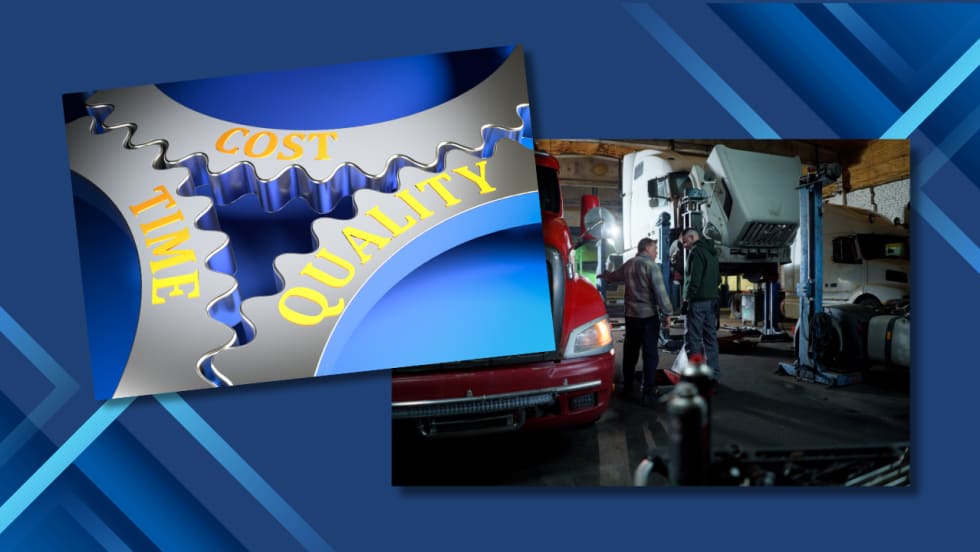
What Three Fleets Are Doing Differently When Buying Truck Parts in 2026
With freight improving but costs still climbing, fleet maintenance executives explain how they're balancing price, quality, and supplier relationships.
Read More →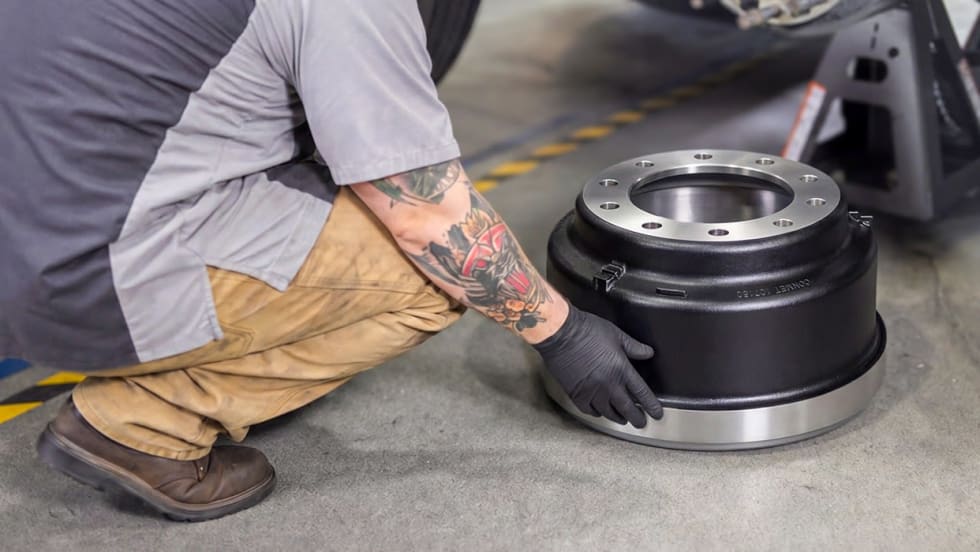
ConMet Expands Aftermarket Brake Drum Lineup With TruCast
A new heavy-duty truck brake drum option in the aftermarket gives customers more flexibility within the ConMet product family.
Read More →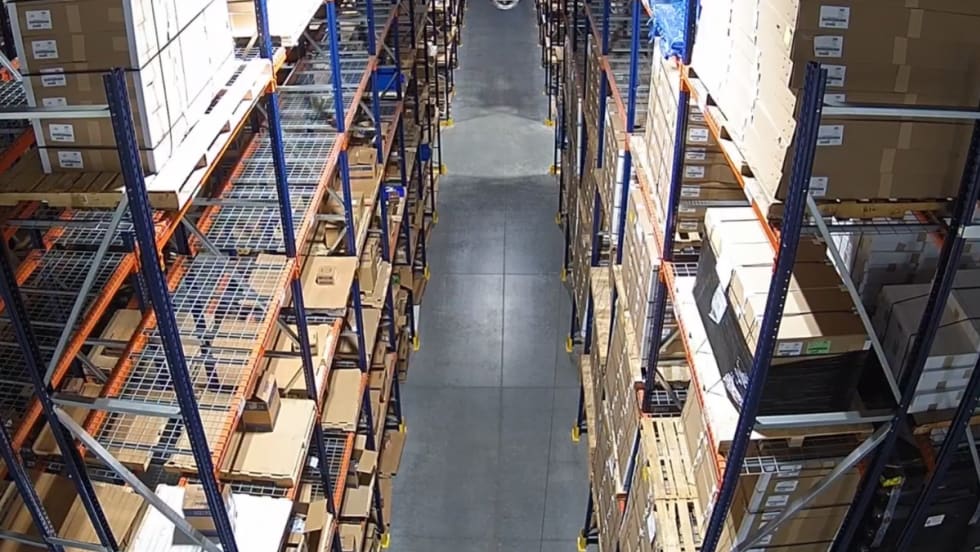
Phillips Opens High-Tech Distribution Center for Faster Parts Delivery
Phillips Industries’ new Cincinnati-area distribution center is now shipping aftermarket trucking parts nationwide, aiming to speed up delivery times for customers.
Read More →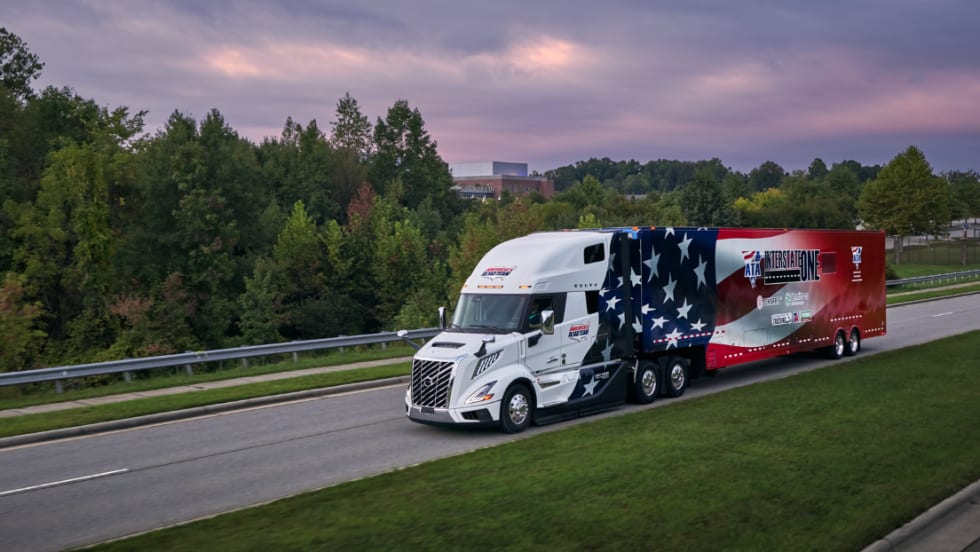
Volvo to Sponsor America’s Road Team for 2025
Volvo Trucks announced that it is extending its exclusive sponsorship of America’s Road Team for 2025.
Read More →
Webb to Start Taking Orders for UltraSet Pre-Adjusted Wheel Hubs
Webb, which recently acquired the Stemco Trifecta pre-adjusted hub program, will soon start taking orders for its replacement pre-assembled hub, the UltraSet.
Read More →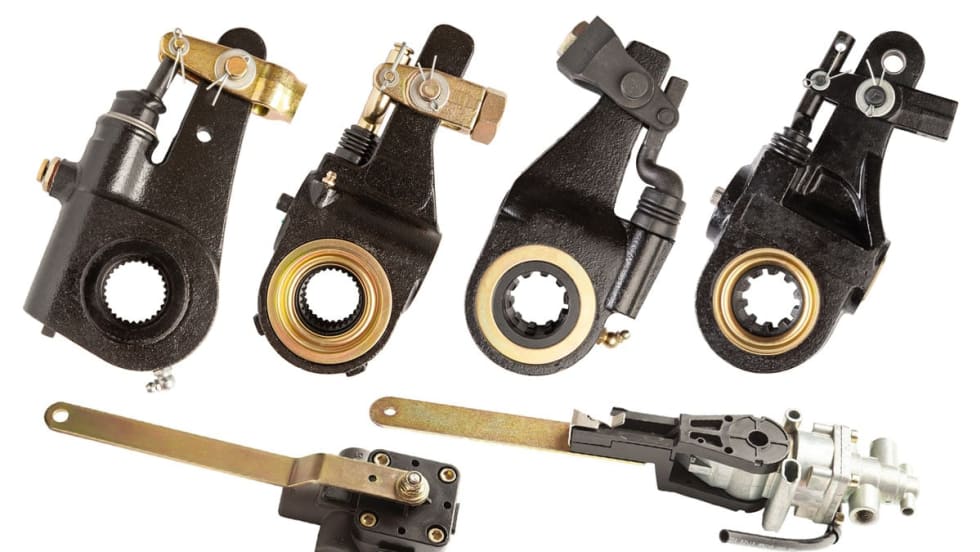
All-Makes Automatic Brake Adjusters, Ride Height Control Valves from Midland
SAF-Holland has added automatic brake adjusters and ride height control valves to its Midland All-Makes Program.
Read More →
ZF Aftermarket Expands [pro]Academy Training
ZF Aftermarket said it is expanding its ZF [pro]Academy training and will be adding 40 new modules this year.
Read More →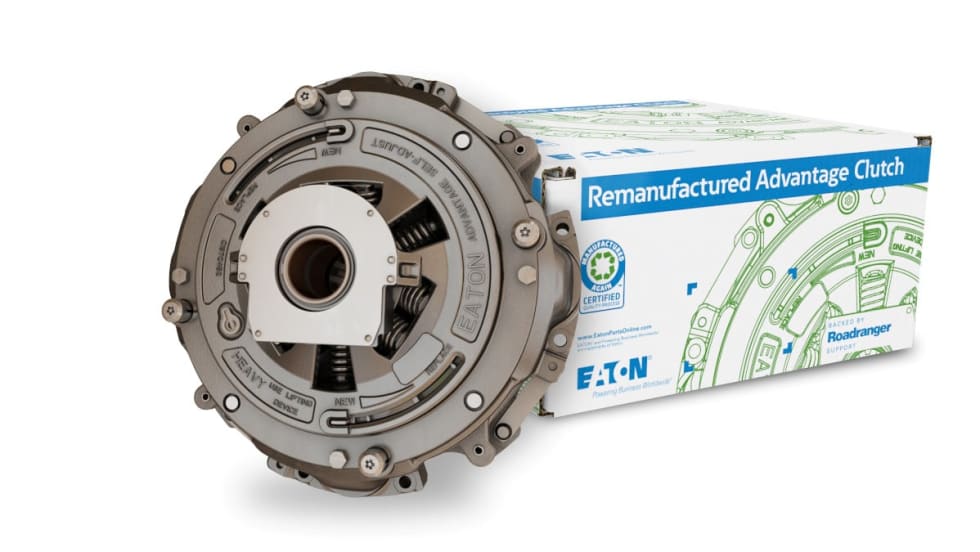
Eaton Adds Remanufactured Advantage Line of Clutches
Eaton has added its Advantage clutches to its remanufactured product line. The clutches feature a unique strap drive intermediate plate designed to allow customers to choose the latest OE specification
Read More →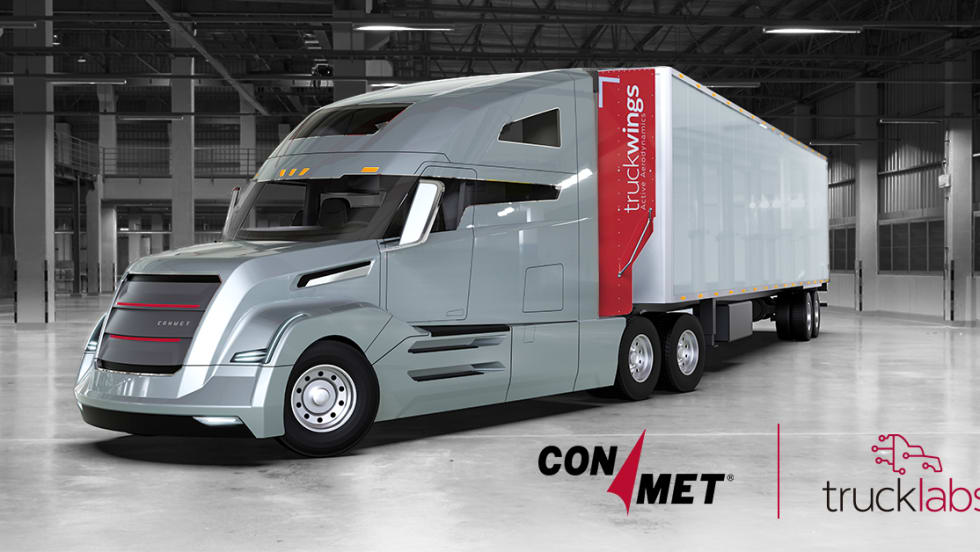
ConMet Acquires TruckLabs, the Creator of TruckWings
Commercial truck and trailer parts provider ConMet acquired TruckLabs, the company that created TruckWings, an aerodynamic device that attaches to truck cabs and deploys to close the gap between truck and trailer. TruckLabs now operates as a subsidiary of ConMet.
Read More →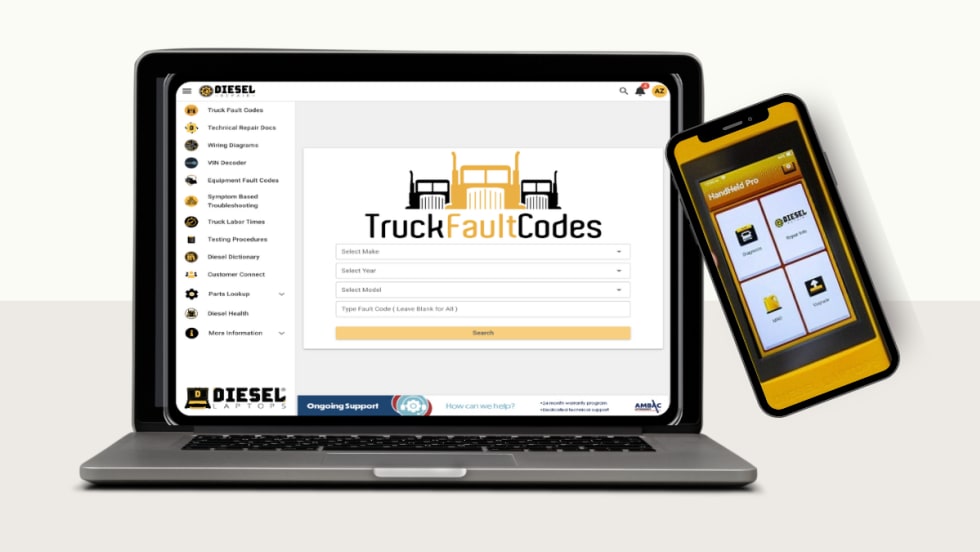
Diesel Laptops Releases Fault-Code-to-Part-Number Tool
Diesel Laptops said its Truck Fault Codes allows users to input a fault code and immediately identify and order the parts needed to complete repair work.
Read More →