




Commentary: No Free Lunch When It Comes to Parts
If you can’t determine that the part is of good quality, bypassing the low-price product is your only option. Commentary by Executive Contributing Editor Rolf Lockwood.

Rolf Lockwood

Counterfeit, will-fit, or knockoff truck parts remain a serious issue, and you should be concerned. There’s a difference between those three, but in the end, one old rule applies: You get what you pay for. And when you see a brake drum or a trailer light or even a wheel fastener that’s cheaper than normal, cheaper than it ought to be, your too-good-to-be-true antennae should be picking up a signal.
Some cheaper parts, usually made offshore in places like India and China, might well be worth your money, but this is definitely buyer-beware territory. And an out-and-out counterfeit is potentially a source of real woe, not to mention the illegal side of it that robs the legitimate manufacturer of rightful profit and can mar its good name.
If you’re doubting me here, just think about this: Hundreds of people have been killed over the years in air crashes blamed not on storms or terrorists but on “unapproved parts.” The Federal Aviation Administration keeps track of such things, of course, and as of a few years back it blamed nearly 200 airplane accidents on poor-quality counterfeit or knockoff parts that just weren’t up to the manufacturer’s design criteria.
The problem was big enough that the FAA established the “Suspected Unapproved Parts Program Office” to deal with the issue.
I know of one truck maker caught in this way, having bought wheel fasteners from a cheaper-than-normal source for use on its assembly line. The wheel nuts in question had been correctly marked, but metallurgically they were not what they pretended to be. They’d been bought offshore, in good faith of course, but the quality was sufficiently low that they caused a wreck and killed a four-wheeler in the process.
I happened to be in the plant manager’s office when he took the call, informing him of the crash investigator’s conclusions blaming the fasteners. He was devastated, nearly brought to tears. Innocent, but oh so guilty.
If it can happen to a major truck maker with a big purchasing department, the individual truck owner is even more easily caught out this way.
To define things a little better, a “counterfeit” part is exactly what the word implies — it’s a part made and packaged to look exactly like the real thing. Sometimes they’re very hard to tell from the actual OEM component because the box has been printed as an exact replica and the part number is correct. The piece itself may be hard to distinguish as a copy even if you look at it side by side with the real thing. In some cases only a metallurgical test would divulge the counterfeit’s real nature.
Your only defense is to deal with reputable suppliers who, we hope, have done their own homework. And, again, to distrust anything that sounds too good to be true. There simply ain’t no free lunch.
A will-fit, perhaps better called a knockoff, will not pretend to be anything but a cheaper version of the original, but it may claim to be just as good. Almost inevitably, it isn’t. Nowhere is this more troublesome than with brake system components, precisely where you can’t afford mistakes with poorly manufactured parts.
Obviously, you owe it to yourself — and everyone around your trucks on the road — to buy carefully.
More Safety & Compliance
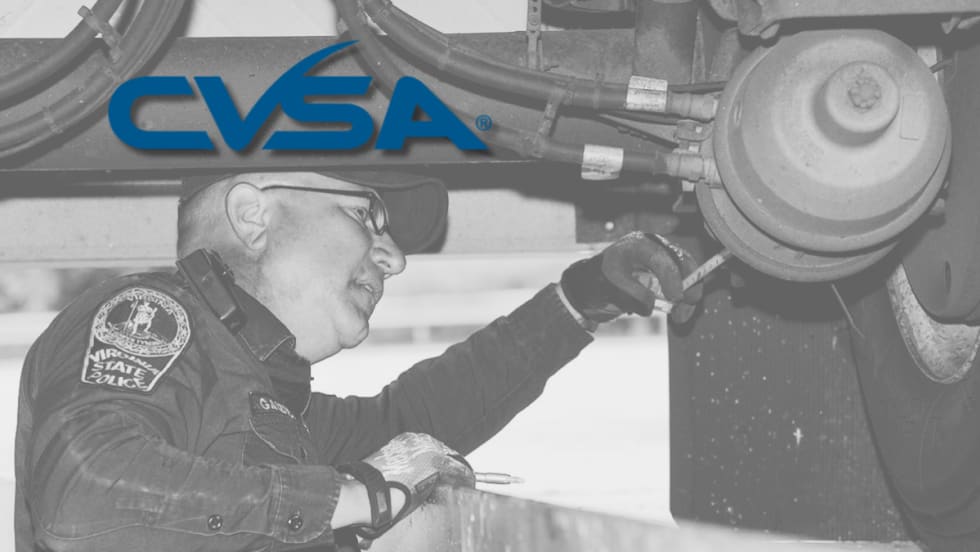
Brake Safety Week to Focus on Drums and Rotors
Commercial vehicle inspectors will be focusing on brakes during CVSA's Brake Safety Week, August 23-29.
Read More →
Trump Administration Looks to Put More Veterans Behind the Wheel
The Freedom Haulers program pulls together existing and expanded programs at several federal agencies to recruit veterans to drive commercial heavy-duty trucks and cut the red tape for them to get a CDL, training, and employment.
Read More →
$604 Million Verdict Tests Broker Liability After Supreme Court Ruling
C.H. Robinson plans to appeal after a Texas jury found it bore the largest share of responsibility for a fatal 2021 crash, in a case that follows the Supreme Court's Montgomery decision allowing negligent hiring claims against freight brokers.
Read More →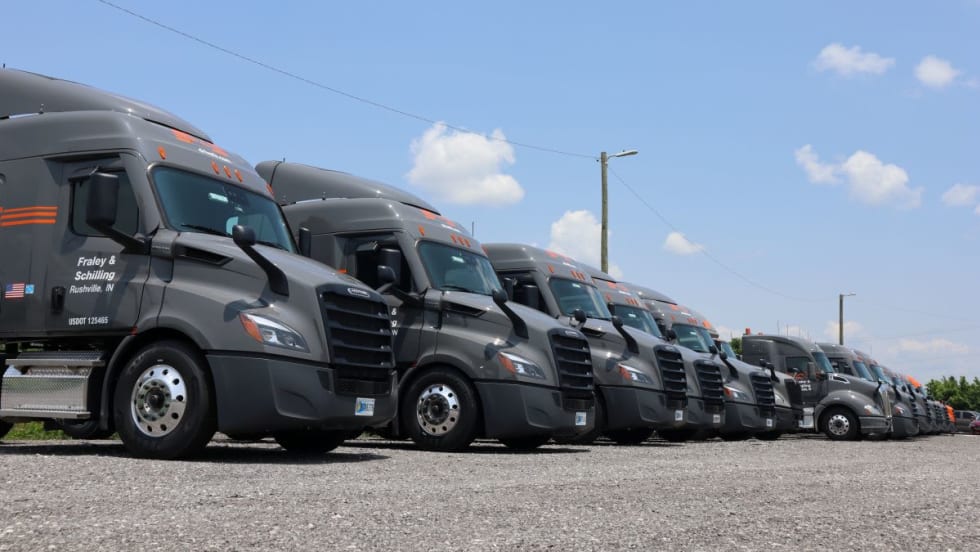
How Fraley & Schilling Improved Logbook Compliance by Over 50%
Fraley & Schilling needed a way to close a compliance workflow gap in its ELD system without adding more work from driver training, reminders, and back-office follow-ups. It found the answer in a custom driver app.
Read More →
Farewell, CDL: Why I'm Giving Up My Commercial Driver's License
After more than 20 years as a CDL holder, HDT Executive Editor Jack Roberts is letting his commercial license expire. Not because he wants to — but because trucking's nuclear verdict crisis has made the risks of public-road test drives too great for editors, manufacturers, and everyone involved.
Read More →
Enhance Fleet Performance with High-Efficiency Auxiliary Power Units
Drive sustainable cost savings while increasing driver comfort during short- and long-haul logistics operations.
Read More →
Wabash Trailers Recalled for Improperly Installed Underride Guards
More than 900 Wabash dry van trailers may not comply with the Federal Motor Vehicle Safety Standard for rear impact guards.
Read More →
Why K&B Trucking Is Embracing AI and Driver Safety Technology
Crunching data and embracing artificial intelligence are key in K&B Trucking's safety efforts, says the company's safety director.
Read More →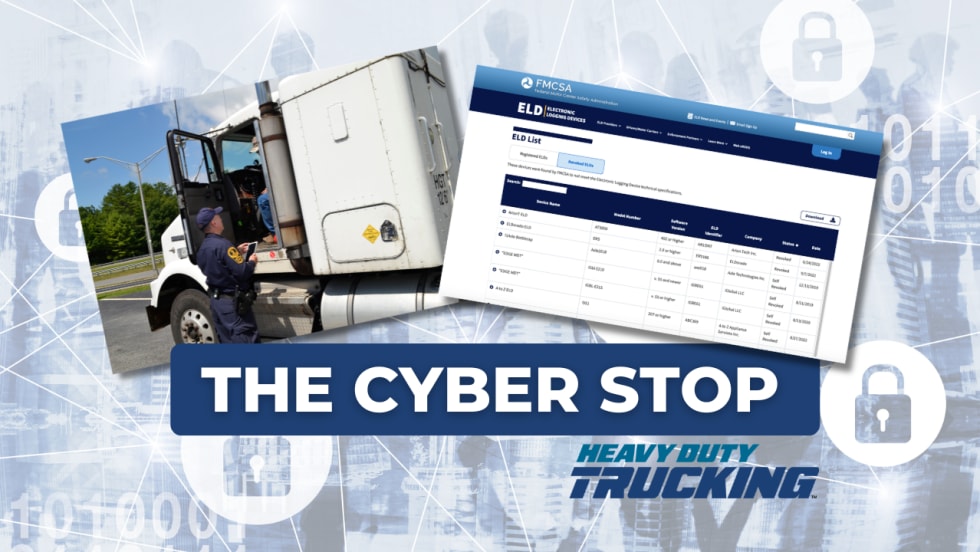
The Hidden Problem Behind FMCSA's ELD Revocations
NMFTA researchers say dozens of registered ELDs may be built on the same software platforms, allowing compliance and security concerns to persist even after individual devices are removed from the market.
Read More →
ATRI Wants Motor Carriers for Driver-Facing Camera Study
In this new study, the American Transportation Research Institute will explore how driver-facing cameras can impact safety and operational metrics in trucking fleets.
Read More →