




But Which Fuel?
Natural gas. Biodiesel. Algae-based diesel. Hydrogen fuel cells. Dimethyl-ether. Hybrids. There's a virtual smorgasbord of potential fuel sources or supplements for truck and engine makers to choose from. The critical question becomes which one, or which combinations of fuel sources, represent the best path forward.

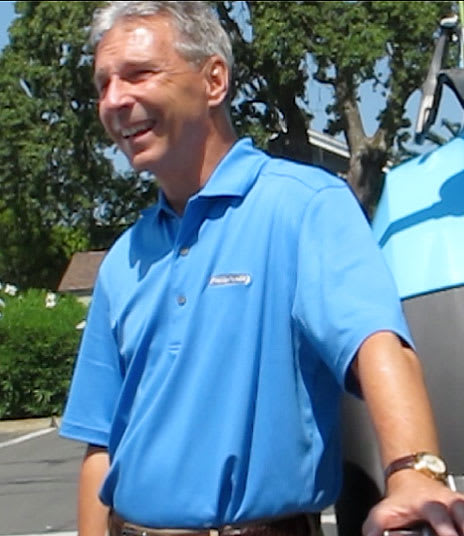
Daimler's Mark Lampert says diesel and natural gas are the fuels to watch going forward.

Daimler's Mark Lampert says diesel and natural gas are the fuels to watch going forward.
Natural gas. Biodiesel. Algae-based diesel. Hydrogen fuel cells. Dimethyl-ether. Hybrids. There's a virtual smorgasbord of potential fuel sources or supplements for truck and engine makers to choose from. The critical question becomes which one, or which combinations of fuel sources, represent the best path forward.
While natural gas is now enjoying significant uptake in trucking, it was considered a fringe fuel just a few years ago. There were many barriers to natural gas, at first, with conversion costs and availability topping the list. With those two largely dismissed, and many of the other hurdles disappearing as we move forward, is natural gas a solid prospect for a future fuel? It had better be, given the investment industry has made in the fuel so far.
People like Mark Lampert, senior vice president of sales and marketing at Daimler Trucks North America, need to know the future of fuel. They can't simply drop one technology in favor or another at the drop of a hat.
"It’s a very interesting time in engine technologies," Lampert tells Heavy Duty Trucking. "Without a doubt the most discussed topic in the last 12 to 18 months in North America has been the emergence of natural gas. How big is it, what’s the technology path we’re going to use, and where is it most applicable?"
Despite all the recent hype over natural gas, it still represents less than 1% of the total Class 8 marketplace in North America right now.
"You would think that by the level of conversation and interest driven by the shippers to the carriers and ultimately back to us, the manufacturers, [that] it's 25% or 30% of the marketplace," Lampert says. "To put it in perspective, if [natural gas] increases five or six fold, we’re still talking about a single-digit market share player. We don’t see significantly aggressive adoption of natural gas, but we see steady increases with it."
Lampert says Freightliner's natural gas efforts will concentrate on regional distribution and general day-cab applications.
"Now that the infrastructure is developing and we’ve gone from 9-liter engines to 12-liter engines, it has opened up new applications," he says. "There is still a lot of work that needs to be done, and will be done, but I think it will be a key subject of discussion in the foreseeable future."
Is there a natural gas version of the Detroit Diesel DD series engines in the works? Lampert says no. Cummins Westport is currently providing the natural gas engines for Freightliner trucks.
"We’re very pleased with the development that our engine partner Cummins has, and with a technology that is 1%, we’re not going to spend our dollars there right now," he says. "As we take a look at the different alternatives out there, we’re most comfortable with Cummins and we think that’s where the industry will be. It’s the technology path that we’re most comfortable with."
Diesel, Lampert says, will continue to be the fuel of choice for trucking. "Diesel is absolutely not going away," he says. "[On] the diesel side, we feel that there are some key things we can do to further increase fuel efficiency and our leadership position in diesel engine technology.
"At this point in time we’re concentrating on diesel and natural gas because clean diesel is here to stay for a long time," Lampert says. "As for some of the other alternatives, we do some electric vehicles, we do some hybrids, but to put it in perspective, that’s not even a fraction of what natural gas is. There’s no leverage or scale for those technologies."
To put the emergence of natural gas and other potential alternatives to diesel, Lampert says he recently read an article about Saudi Arabia talking about the potential impact of their economy based upon North American energy and dependence on foreign oil. If the Saudis are looking over their shoulder, you can bet there's a future to alternative fuels.
More Fuel Smarts
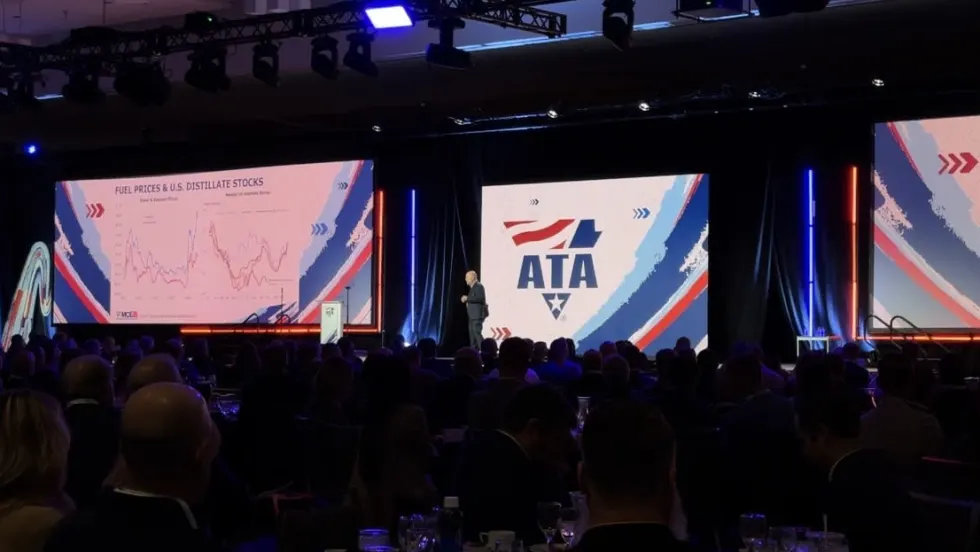
Trucking’s Diesel Squeeze Isn’t Letting Up
With diesel topping $6 a gallon nationally, ATA's Bob Costello explains why fleets should prepare for continued pressure at the pump.
Read More →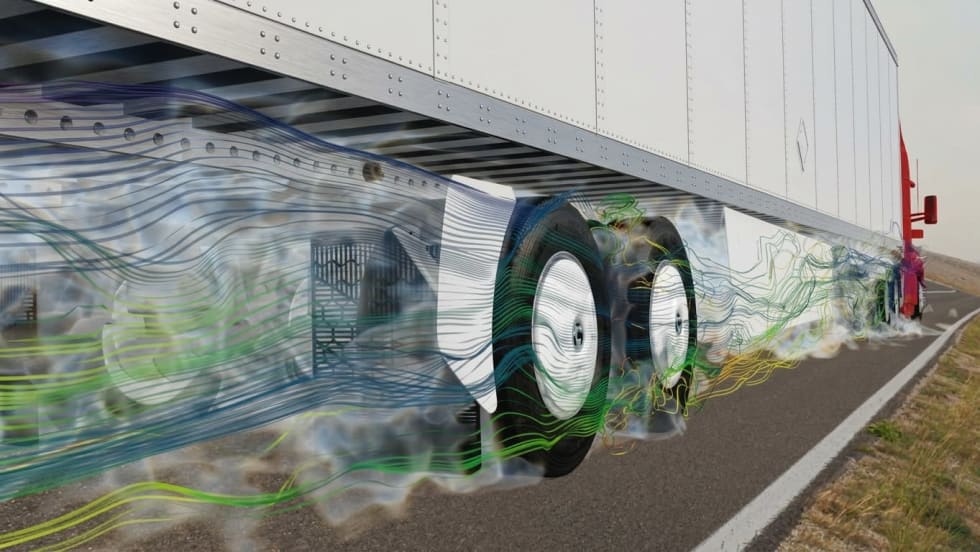
FlowBelow Redesigns Trailer AeroSlider to Cut Fuel Use
The lighter trailer aerodynamic system installs in less than 45 minutes, according to the company, with potential payback in under a year depending on fuel prices and trailer mileage.
Read More →
Why Diesel Price Relief Efforts May Fall Short
Diesel prices have eased from September’s record high, but doubts about additional Russian supply and limits on dyed-diesel tax relief mean trucking fleets still face expensive fuel. And prices could go higher.
Read More →
Why Small Fuel Savings Matter in Trucking
Can better fuel economy help pay for driver raises? In this podcast, GP Transco explains how small efficiency gains create room to reinvest in its people.
Read More →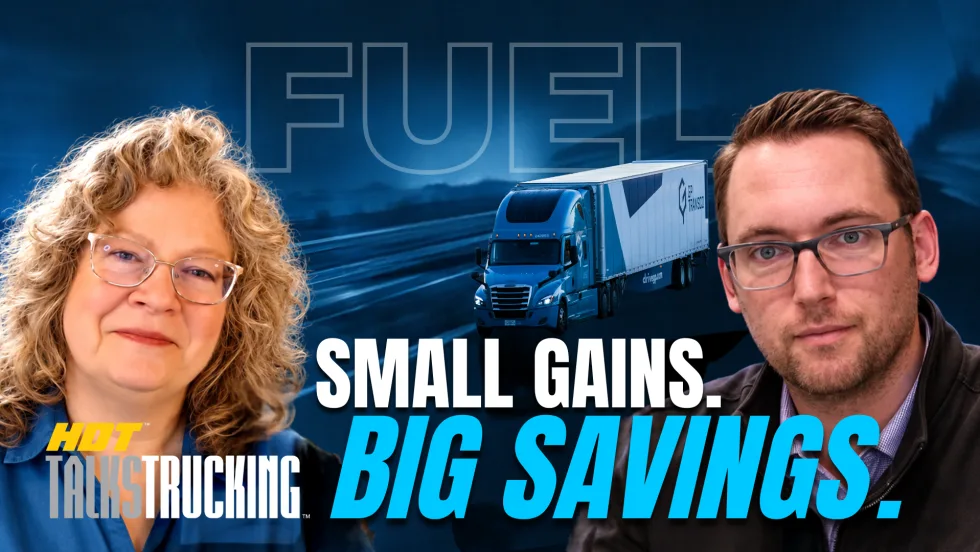
How GP Transco Cuts Trucking Fuel Costs, a Tenth of a Gallon at a Time
What’s another tenth of a mile per gallon worth? GP Transco shares how equipment upgrades and driver coaching turn small gains into meaningful fuel savings.
Read More →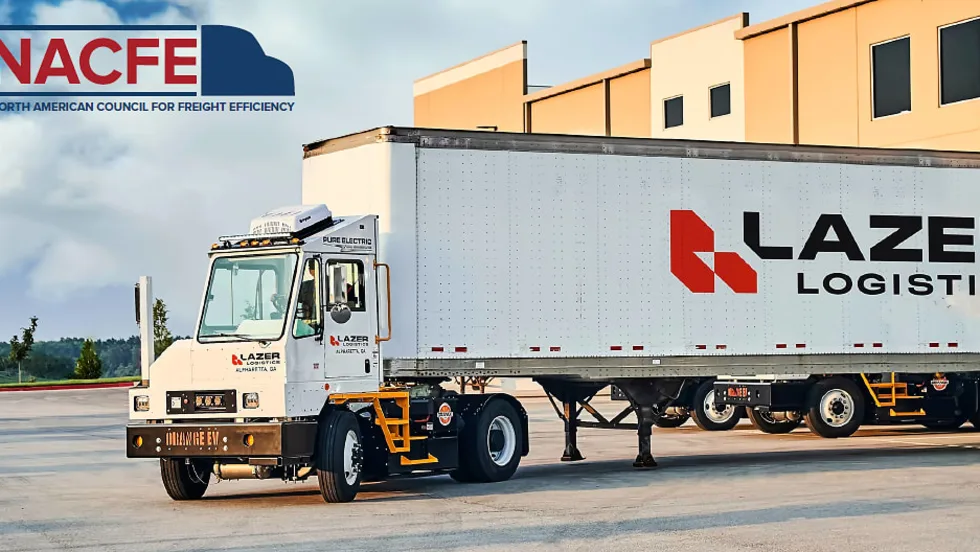
Electric Yard Tractors Move Beyond Pilots
Operating-cost savings have overtaken sustainability goals as the leading reason surveyed fleets are adopting battery-electric terminal tractors, according to new NACFE research.
Read More →
Geotab Links Fleet Card to Vehicle Data
The new card combines fuel discounts with telematics-based purchase controls. Geotab’s analysis also points to potential savings from choosing lower-priced fuel stops.
Read More →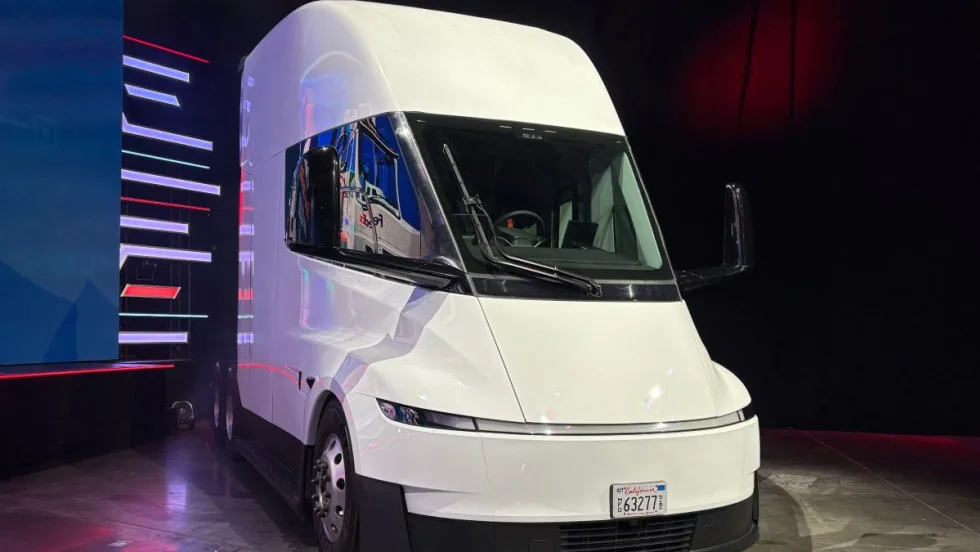
Fleet Economics Shape Electric Truck Outlook
ACT Research expects costs, charging infrastructure, and technology improvements to drive zero-emission commercial vehicle adoption as federal regulations and incentives retreat.
Read More →
Wex Adds Cardless Fuel Payments for Over-the-Road Customers
A new fuel card feature for Wex customers offers convenience and security.
Read More →
New California Law Could Shed Light on Electric Truck Prices
Why do battery-electric Class 8 trucks remain so expensive? A California bill signed by Gov. Gavin Newsom would give fleets and state agencies more visibility into what manufacturers charge.
Read More →