





Related: Truck Drivers Need Communication More than Ever During COVID-19 Crisis
5 Takeaways from the Pandemic [Commentary]
Essential workers are all out there putting in long hours doing their jobs, all the while at a higher risk of contracting the potentially deadly novel coronavirus.
April 23, 2020
![5 Takeaways from the Pandemic [Commentary]](https://assets.bobitstudios.com/image/upload/f_auto,q_auto,dpr_auto,c_limit,w_920/coronavirus-news-on-screen-3970332-1_1768078443692_d0vn61.jpg)
The trucking industry has risen to the challenge of COVID-19.
Photo: Markus Spiske via Pexels
4 min to read
On Friday the 13th of last month (a fitting date), the first diagnosed case of COVID-19 was reported in Alabama, where I live. I joined the throngs of panic-buyers at the grocery store (but I did not buy a cart full of toilet paper). The next day, I was with the Girl Scout troop I lead as we wrapped up our last cookie booth of the season — with plenty of hand sanitizer. That was my last venture out of the house, except to buy groceries or go for walks in carefully chosen places and times where we can easily practice social distancing.
I’m fortunate that I can shelter in place — unlike health-care workers, the people providing essential supplies like groceries and medical supplies, and of course truck drivers, delivery drivers, and warehouse employees. These essential workers are all out there putting in long hours doing their jobs, all the while at a higher risk of contracting the potentially deadly novel coronavirus.

For Editor in Chief Deborah Lockridge, working at home is nothing new.
Photo: HDT file photo
Meanwhile, our HDT team has been working hard to try to help our readers make sense of and figure out how to deal with this unprecedented and stressful time. You’ll find full coverage online at www.truckinginfo.com/COVID-19.
Here are a few of my takeaways as of the end of March:
Drivers are finally getting the appreciation they deserve. Maybe America finally truly understands the message, “If you got it, a truck brought it,” on a real and personal level. My Google news alert emails are filled with stories from newspapers and TV stations across the country about how truckers are on the road during this crisis, often facing a hard time getting a hot meal or a place to park. There also are stories about how the public and companies are showing their appreciation, organizing free meals, and more.
The industry is rising to the challenge. Drivers, of course, aren’t the only ones going above and beyond. Many fleets have been running hard to meet the demand for essential goods such as medical supplies, groceries, and of course toilet paper. Others have pivoted, often in creative ways, to turn their talents to addressing COVID-19 needs. For instance, Upstaging, a fleet specializing in events, quickly lost all its business when concerts were cancelled. So they started moving essential goods and manufacturing face shields for medical workers. SEKO Logistics started identifying space in warehouses that could be used to stage medical devices, hospital beds, masks and other supplies for quick deployment to outbreak hotspots, reported Reuters. On the supplier side, Dana has been using the 3-D printers at its Advanced Manufacturing Center to make parts for face shields.
Things are about to get worse. While fleets that are hauling high-demand goods such as groceries are busier than they’ve ever been, others are tightening their belts. So far, many fleets have been able to reassign capacity from hauling things like auto parts, furniture, or electronics to hauling groceries and medical supplies. But FTR predicts that as the economy slows, freight volumes will drop sharply, driving total goods movement down 24% from the first quarter to the second quarter.
Technology is making things possible that wouldn’t have been a decade ago. Or at least making them easier. For employees that have moved to working at home, technology such as email, cloud computing, and videoconferencing have helped make that possible. Sophisticated load-matching algorithms and apps are helping fleets maximize their capacity if they’re busy and find different freight if they’ve seen a drop in business.
Personal connections matter. I’ve worked at home since 1998, so I know it’s possible, and it has a lot of advantages. But I also know the isolation can be difficult. In normal times, I travel to events, trade shows, and press conferences, and I’ve found there’s nothing like the networking you get in-person. Social distancing, while necessary, is hard.
Many trucking industry events have been cancelled or postponed. That includes our own Heavy Duty Trucking Exchange, where we feature our HDT Truck Fleet Innovators awards and panel discussion, which has been rescheduled for November. I encourage you, once things improve, to make time in your schedule for one or more of these events. And I look forward, eventually, to seeing many of you in person. In the meantime, we’re collecting stories and photos about how you’re navigating the COVID-19 crisis. If you’d like to share what you’re doing, I’d love to hear from you.
Subscribe to Our Newsletter
More Safety & Compliance

More Trailer Data Through the Same Seven-Way [Video]
Can trucking’s standard seven-way connector handle more cameras and trailer data? Grote’s Adam Slade shows HDT how the company is using new technology with its 4See trailer system, not only to add a new backup camera but also to expand other capabilities — without adding another connection.
Read More →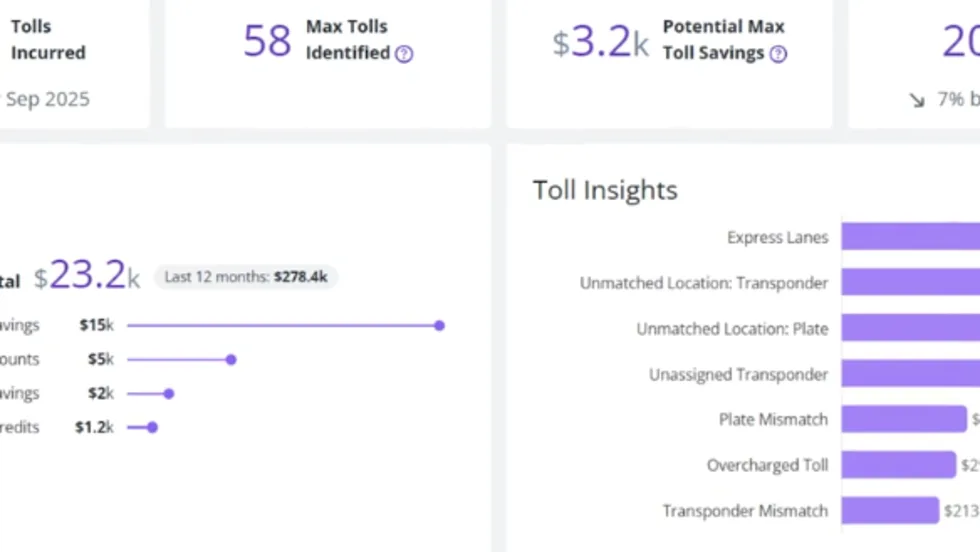
PrePass Intelligence Mines Fleet Bypass, Toll and Safety Data
PrePass Intelligence helps fleets measure bypass savings, flag potential toll overcharges, and spot suspicious transactions by combining data from separate systems.
Read More →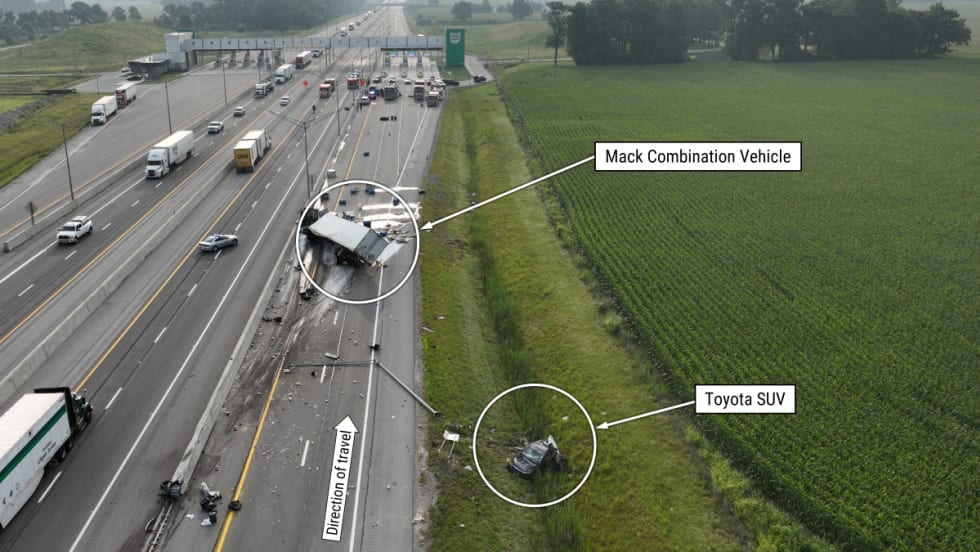
Fatal Crash Exposes Toll Plaza Risks
An NTSB investigation found that last-minute lane changes and large speed differences at an Ohio toll plaza created a hazard the truck driver couldn't avoid in time.
Read More →
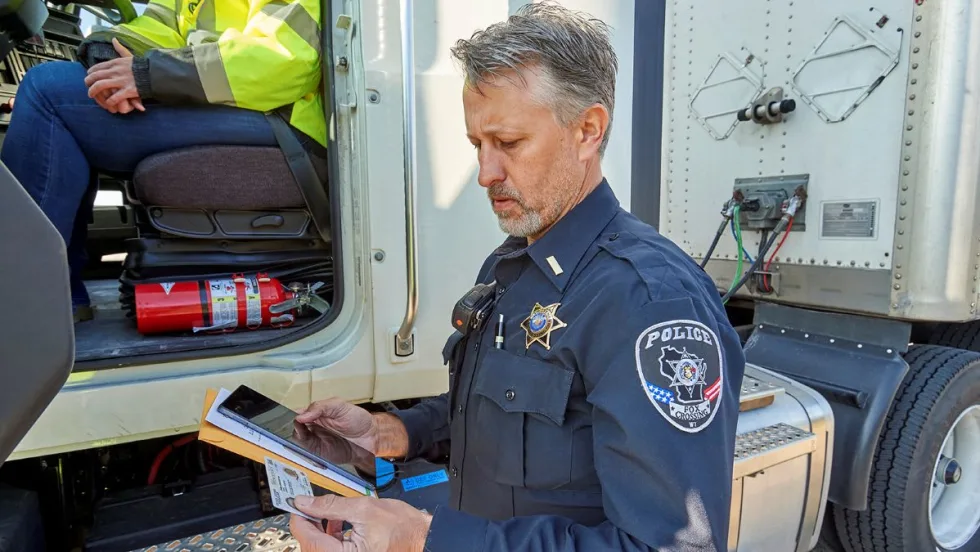
When Language Stops the Truck: The Return of ELP Out-of-Service Orders
English language proficiency rules for commercial drivers aren’t new, but renewed out-of-service enforcement has raised the stakes. Here’s what carriers need to know before a driver reaches a roadside inspection.
Read More →
Sponsored•October 6, 2026
A Camera Isn't a Safety Program. Here's What Brokers Are Screening for Now
Footage alone may not be enough to pass broker vetting processes. Here's what counts as a defensible safety program now.
Read More →
Marijuana and Trucking’s Drug-Testing Dilemma
Marijuana is getting stronger, laws are changing, and drug tests still can’t reliably establish impairment. What does that mean for truck drivers and the fleets that employ them?
Read More →
PrePass, Kodiak Connect Driverless Trucks to Roadside Enforcement
The system will allow enforcement agencies to verify Enhanced Inspection information and decide whether Kodiak’s autonomous trucks can bypass roadside screening sites.
Read More →
From One Generation to the Next: How Mentorship Builds Safer Truck Drivers
After three decades in trucking, Harold Perry shares what he's learned about driver safety, mentorship, and helping the next generation build confidence behind the wheel.
Read More →
FMCSA Pauses Biennial-Update Enforcement Amid Motus Transition
Carriers whose updates were due on or after June 1 have more time, while FMCSA works to stabilize its new registration system and warns of phishing sites impersonating its new carrier registration system, Motus.
Read More →
ZF Expands Commercial Vehicle Push in North America
ZF is expanding its North American commercial-vehicle presence with new transmission applications, electrification, trailer technology and autonomous-driving systems.
Read More →