




4 Ways to Avoid Selling Counterfeit or Substandard Parts
One of your customers gets sued when his truck is involved in a fatal crash. Faulty brake parts are blamed. Before you know it, you get dragged into court because you sold it to him. You may say, "I didn't make it! I didn't know it wasn't safe!" The answer from the courts may well be, "You should have.

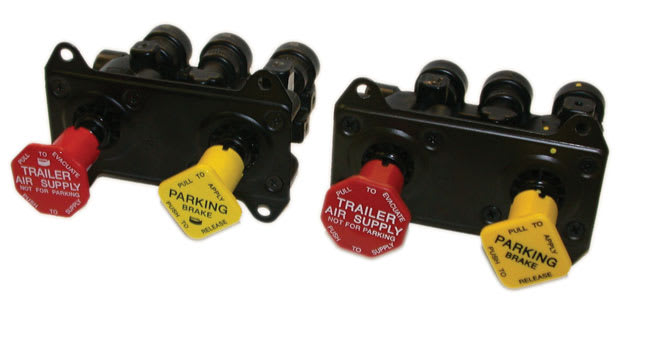
Can you tell the difference? On the left is a genuine Bendix MV-3 dash valve. On the right is a counterfeit version.
One of your customers gets sued when his truck is involved in a fatal crash. Faulty brake parts are blamed. Before you know it, you get dragged into court because you sold it to him.
You may say, "I didn't make it! I didn't know it wasn't safe!" The answer from the courts may well be, "You should have."
One of the most common misconceptions is that a distributor can't be liable for distributing a counterfeit good or a project subject to a lawsuit or recall. Distributors are increasingly being held liable for the distribution of counterfeit or defective products, say attorneys, even if they did not know the products were bad.
If courts decide that distributors "should have known" the products they were selling were inferior, it's called being "willfully blind."
Some examples, from real court decisions, of situations where the court said the distributor should have been tipped off that parts were counterfeit:
- Purchase are outside the usual distribution network of the manufacturer.
- The goods are sold without authenticating documentation or with altered documentation.
- The quality of the purchased goods differs dramatically from the quality expected.
- The price you paid was dramatically below the reasonable or suggested price
- Billing slips use mysterious or cryptic codes to describe the products purchased.
And it's not just counterfeits. According to a special report by the Automotive Aftermarket Suppliers Association, distributors also can be held responsible for private label or will-fit products.
For example, the report says, the National Highway Traffic Safety Administration took action against the distributor of a tail light that did not meet required federal safety standards. The distributor faced fines of around $650,000.
Here are four things you can do to help know you're selling genuine, reliable parts:
1. Take complaints seriously. If you start getting complaints about the way a product is performing, you should contact the manufacturer and stop selling it until you get things resolved.
2. Pay attention to details. Check packing slips to make sure they don't look tampered or altered. Check the quality of the product. Check the country of origin -- if it normally comes from Europe and this shipment came from India, for instance, that could be a red flag. (However, there are reputable companies that make quality products overseas.)
Look for visual cues that something is amiss. Minor markings on a product can be telltale differentiators between a real and a fake part. Are the part numbers and RMA codes on the part accurate? If you are buying a particular brand name, make sure the name of the company is on the product, not just the box. Take a close look at the packaging. Is the brand name spelled correctly? Are the colors what you expect from the original manufacturer? Is the paint job poor?
If you run into any of these types of things, don't hesitate to call the manufacturer.
3. Buy brands you trust, through the manufacturer's normal channels. You should buy from a trusted source. If you find someone on the Internet offering a pallet load of unnamed product that you can pick up at the dock in California, that's probably not genuine product. Most reputable manufacturers sell through their own reps or a different channel. You're not going to be able to buy them by the boxload from a guy you met in the corner at a trade show.
You need to think about who is distributing the parts, what kind of reputation they have, and if they stand behind what they sell.
4. If a deal sounds too good to be true, it probably is. When you look at the real competition, and they're all within a certain price range, there's a reason behind that pricing. If you find a product being offered at a huge discount, it should set off warning bells.
Even if you never get hauled to court, the fact is, your company's reputation is on the line. Better do your homework.
More Aftermarket
What Three Fleets Are Doing Differently When Buying Truck Parts in 2026
With freight improving but costs still climbing, fleet maintenance executives explain how they're balancing price, quality, and supplier relationships.
Read More →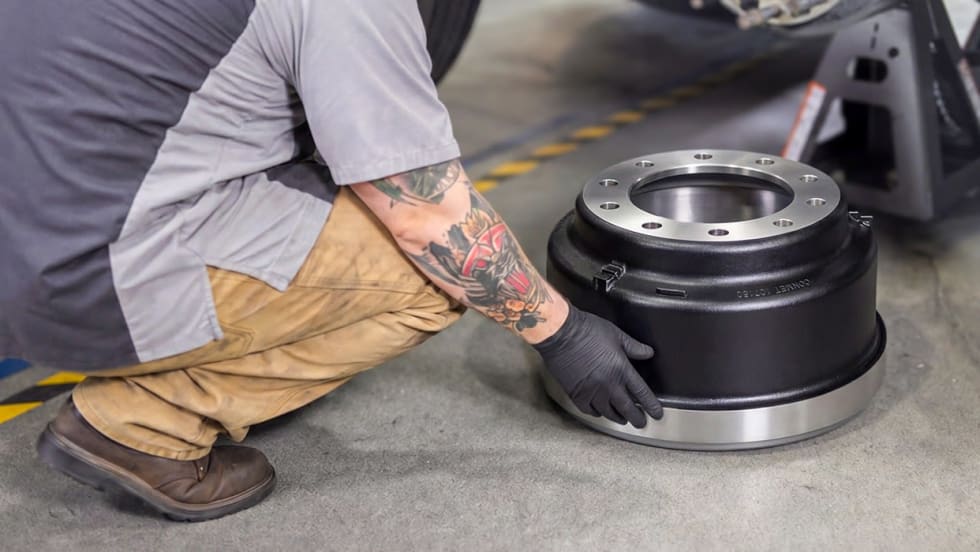
ConMet Expands Aftermarket Brake Drum Lineup With TruCast
A new heavy-duty truck brake drum option in the aftermarket gives customers more flexibility within the ConMet product family.
Read More →
Phillips Opens High-Tech Distribution Center for Faster Parts Delivery
Phillips Industries’ new Cincinnati-area distribution center is now shipping aftermarket trucking parts nationwide, aiming to speed up delivery times for customers.
Read More →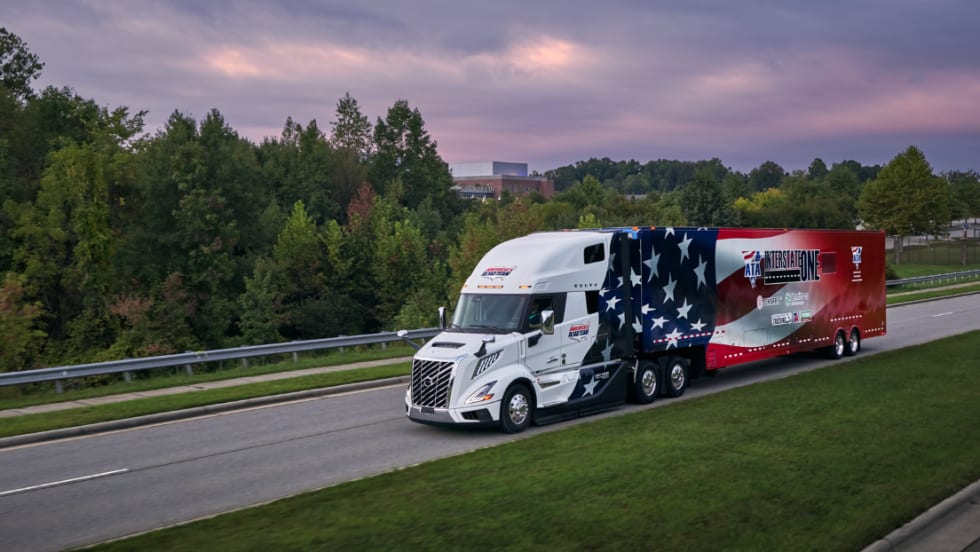
Volvo to Sponsor America’s Road Team for 2025
Volvo Trucks announced that it is extending its exclusive sponsorship of America’s Road Team for 2025.
Read More →
Webb to Start Taking Orders for UltraSet Pre-Adjusted Wheel Hubs
Webb, which recently acquired the Stemco Trifecta pre-adjusted hub program, will soon start taking orders for its replacement pre-assembled hub, the UltraSet.
Read More →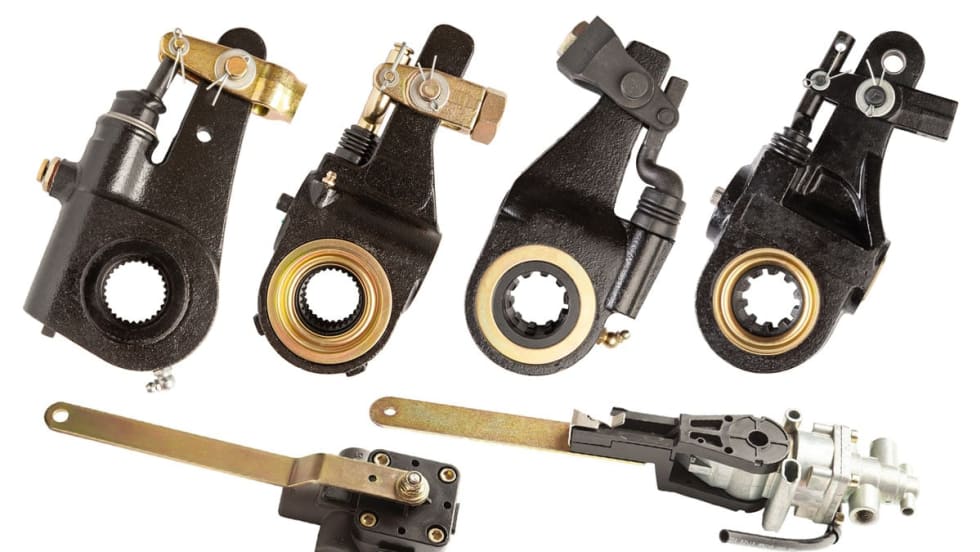
All-Makes Automatic Brake Adjusters, Ride Height Control Valves from Midland
SAF-Holland has added automatic brake adjusters and ride height control valves to its Midland All-Makes Program.
Read More →
ZF Aftermarket Expands [pro]Academy Training
ZF Aftermarket said it is expanding its ZF [pro]Academy training and will be adding 40 new modules this year.
Read More →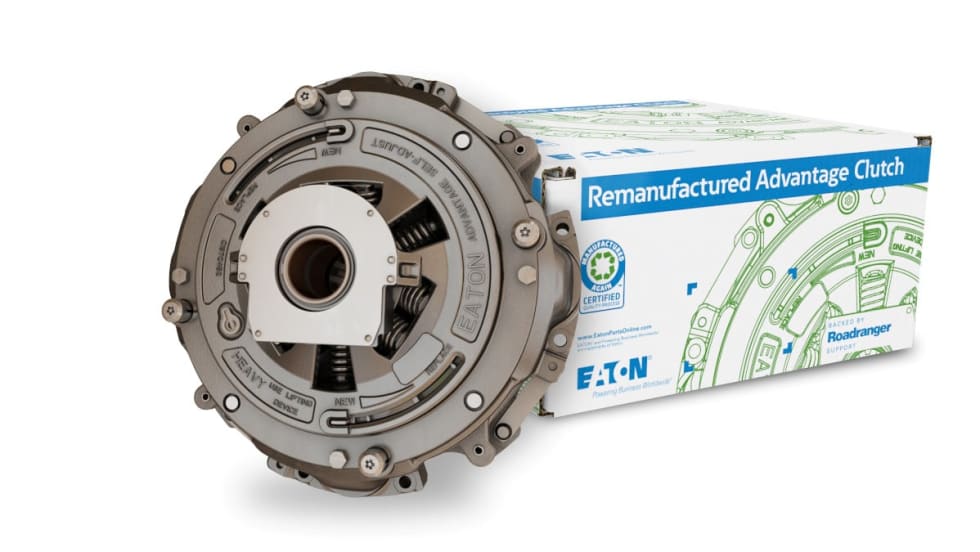
Eaton Adds Remanufactured Advantage Line of Clutches
Eaton has added its Advantage clutches to its remanufactured product line. The clutches feature a unique strap drive intermediate plate designed to allow customers to choose the latest OE specification
Read More →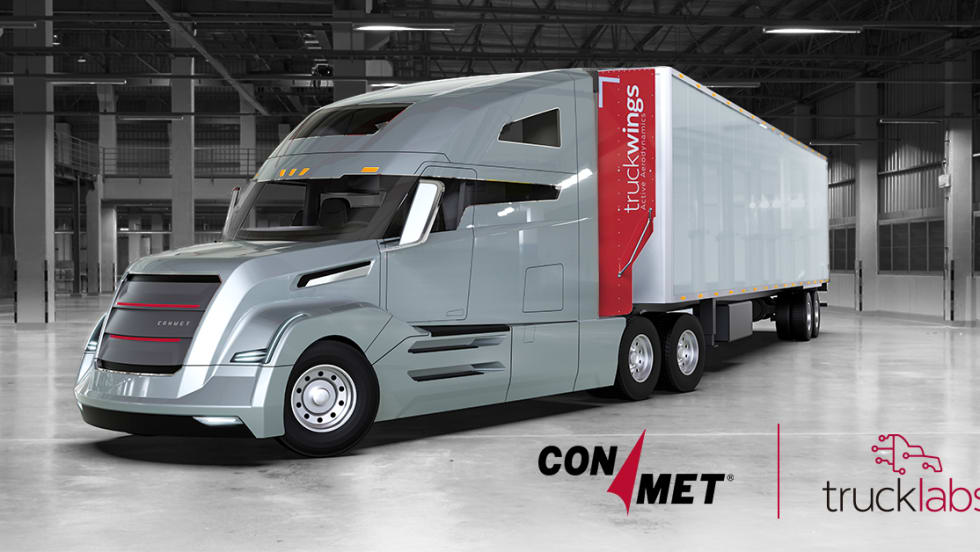
ConMet Acquires TruckLabs, the Creator of TruckWings
Commercial truck and trailer parts provider ConMet acquired TruckLabs, the company that created TruckWings, an aerodynamic device that attaches to truck cabs and deploys to close the gap between truck and trailer. TruckLabs now operates as a subsidiary of ConMet.
Read More →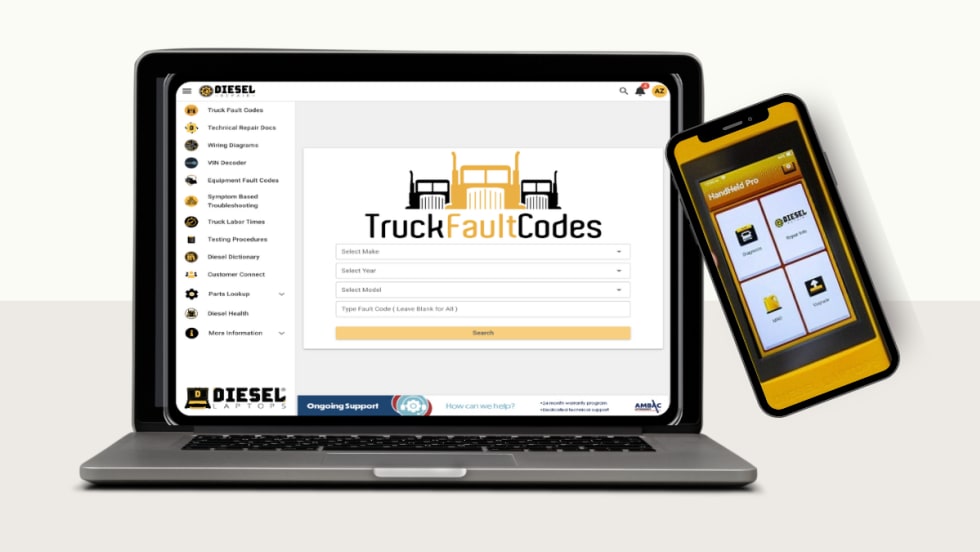
Diesel Laptops Releases Fault-Code-to-Part-Number Tool
Diesel Laptops said its Truck Fault Codes allows users to input a fault code and immediately identify and order the parts needed to complete repair work.
Read More →