




3 Steps to a Better Culture: Improve CSA Compliance by Valuing Your Drivers
In my 38 years of involvement with highway safety, and even more recently as a safety consultant, I have observed a unique situation distinctive to safe and compliant companies: They value their employees by creating a safety culture
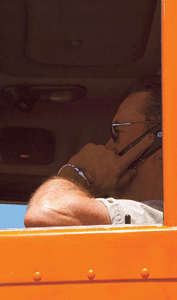
In my 38 years of involvement with highway safety, and even more recently as a safety consultant, I have observed a unique situation distinctive to safe and compliant companies: They value their employees by creating a safety culture.
This is more important than ever under the Federal Motor Carrier Safety Administration's Compliance, Safety, Accountability program.
How does a company go about demonstrating that drivers are valued?
1. Leadership needs to establish a safety culture
If a company attempts to enforce compliance without adopting safety as a culture, it will eventually end in failure. Employees will readily recognize if their management and owners are committed to doing things safely or if they are just trying to minimally comply with regulatory requirements or evade detection.
Here are some suggestions for demonstrating your commitment to a safety culture:
- Develop and maintain written policies and procedures, provided to every employee and thoroughly explained.
- The CEO can make safety a part of every management meeting, com pany newsletter or webinars.<!break>
- Senior leadership should peri odically attend safety meetings with drivers and not just delegate it to their safety department.
- Financially reward drivers and explain how the company is invest ing to make safety a culture and not simply an activity.
- Safety officials must have direct access to upper management, not subordinated to operations.
It does not take a driver very long to determine if his or her employer is more committed to financial gain, or conducting the business responsibly with concern for the employees and the general public. If a company fails in creating a safety culture, it will simply be spending money and time chasing compliance and reacting to unsafe occurrences.
2. Explain to drivers what is expected and how they contribute to your mission
Drivers must realize they are essential to your company's ability to get favorable insurance rates, have access to premium shippers and quality brokered loads, and enjoy favorable enforcement and good CSA scores.
Explain to drivers how insurance claims have positively or negatively affected the carrier's profitability (and perhaps give them a share of the savings).
Educate them concerning shipper and broker requirements for CSA performance thresholds. This will give you an opportunity to sit with drivers and go through CSA scores for both the driver and the carrier.
Invest in training employees. This communicates your concern for their professional development and also affirms your safety commitment.
The FMCSA has published an important chart for truck and bus companies to use in adhering to safety regulations. Called the Safety Management Cycle, this is the agency's view of how to instill a safety ethos in an organization. This chart should be prominently displayed and referred to, so employees know how safety activities fit into the overall management plan.
3. Monitor safety compliance daily
Don't wait until you learn that the FMCSA safety investigator is coming to do an audit or when your vehicle and driver are put out of service. FMCSA gives each interstate motor carrier access to their "portal," which includes the most recent inspection, enforcement and crash data on all registered motor carrier vehicles and drivers.
There is no legitimate reason for any motor carrier not to have a personal identification number and use that number to log in and check its safety data every single day. The agency knows if you have a pin and whether or not you regularly review available safety data.
When a company tries to argue it is committed to obeying the rules but it's not checking on drivers this way, it speaks volumes about that company's internal safety culture. Third-party CSA compliance tools and scorecards are good, but the FMCSA portal is vital for reviewing time-sensitive events.
However, monitoring and tracking safety data is only the diagnostic work. The cure is in meeting with drivers, demonstrating the value of safety to them and explaining how they can become safer and contribute to the company's safety culture.
Taking meaningful action with drivers, including listening, training, and when warranted, discipline, allows the safety professional and management to better understand how operations and future strategies should evolve.
CSA will culminate in higher standards for drivers, and this should lead to better working conditions and compensation for drivers. When the economy fully recovers and the driver shortage rears its head once again, companies that invest in their drivers will benefit far more than those who simply employ them.
John Hill was administrator of the Federal Motor Carrier Safety Administration. He now heads up The Hill Group, a transportation consulting company.
From the December issue of HDT
More Safety & Compliance

How HDT’s 2026 Truck Fleet Innovators Are Rethinking Fleet Operations
Meet five trucking leaders who are challenging assumptions, solving operational problems, and putting innovative ideas to work.
Read More →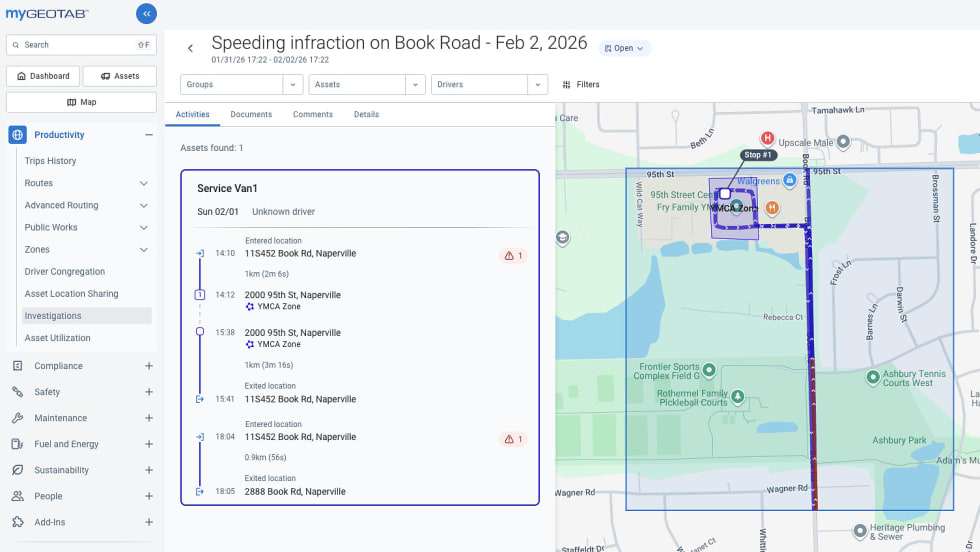
Geotab Launches Tool to Speed Fleet Incident Investigations
Geotab Investigations brings telematics data, video, photos, reports and other evidence into one case file to help fleets determine what happened and resolve incidents faster.
Read More →
FMCSA Moves to Codify English Language Requirements for Commercial Drivers
By changing regulations on English-language proficiency requirements for commercial drivers, rather than relying on a guidance memo, the FMCSA said future administrations won't be able to walk back the Trump administration's stricter enforcement with just a memo.
Read More →
Trump Administration Expands Homeland Security's Role in Trucking Enforcement
The administration's latest trucking crackdown goes beyond roadside inspections, expanding Homeland Security's role in commercial vehicle enforcement and investigations involving CDL training schools.
Read More →
Paccar Recalls 2027 Trucks Built This Summer for Possible Electrical Problem
The nearly 6,000 Kenworth and Peterbilt trucks in the recall could potentially lose engine power, among other things.
Read More →
Brake Safety Week to Focus on Drums and Rotors
Commercial vehicle inspectors will be focusing on brakes during CVSA's Brake Safety Week, August 23-29.
Read More →
Trump Administration Looks to Put More Veterans Behind the Wheel
The Freedom Haulers program pulls together existing and expanded programs at several federal agencies to recruit veterans to drive commercial heavy-duty trucks and cut the red tape for them to get a CDL, training, and employment.
Read More →
$604 Million Verdict Tests Broker Liability After Supreme Court Ruling
C.H. Robinson plans to appeal after a Texas jury found it bore the largest share of responsibility for a fatal 2021 crash, in a case that follows the Supreme Court's Montgomery decision allowing negligent hiring claims against freight brokers.
Read More →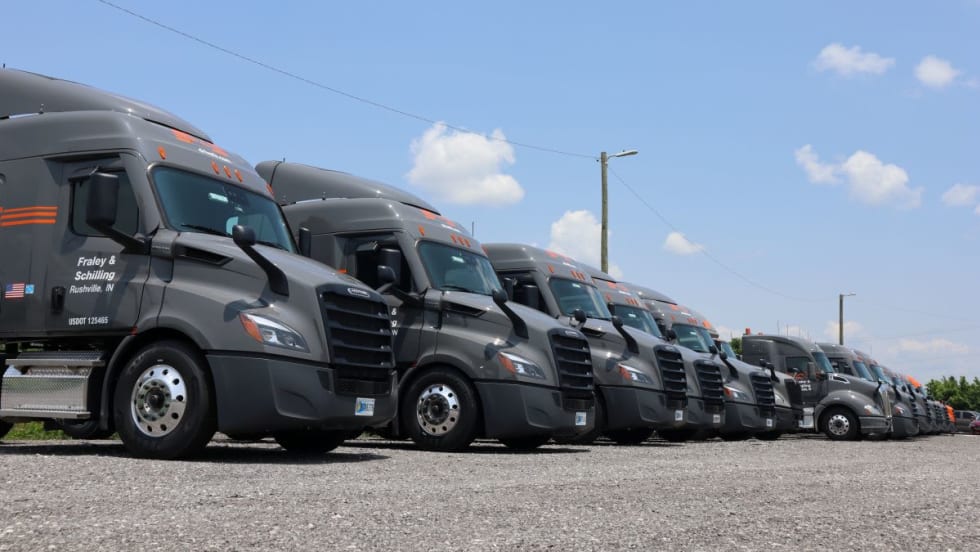
How Fraley & Schilling Improved Logbook Compliance by Over 50%
Fraley & Schilling needed a way to close a compliance workflow gap in its ELD system without adding more work from driver training, reminders, and back-office follow-ups. It found the answer in a custom driver app.
Read More →
Farewell, CDL: Why I'm Giving Up My Commercial Driver's License
After more than 20 years as a CDL holder, HDT Executive Editor Jack Roberts is letting his commercial license expire. Not because he wants to — but because trucking's nuclear verdict crisis has made the risks of public-road test drives too great for editors, manufacturers, and everyone involved.
Read More →