




The U.S. Department of Transportation’s Research and Special Programs Administration has proposed revisions to the Uniform Hazardous Waste Manifest rules that would make sure emergency personnel had the proper information, even when electronic manifests are used.
The uniform manifest is the central tracking element for hazardous waste shipments. Under regulations developed jointly by RSPA and the U.S. Environmental Protection Agency, it must accompany each shipment during transportation.
EPA has recently proposed that waste generators be allowed to prepare and transmit uniform manifests electronically to disposal facilities, transporters and government agencies. RSPA says that would work for tracking, but does not give on-site emergency personnel needed information if an accident occurs. Thus the agency has recommended that, when electronic manifests are used, each shipment travel with either a copy of the electronic manifest or a similar document with the required information.
Comments are due Oct/ 4. The notice appeared in the August 8 Federal Register, which can be accessed at www.nara.gov/fedreg.
RSPA Wants Haz-Waste Manifest to Accompany Shipments
The U.S. Department of Transportation’s Research and Special Programs Administration has proposed revisions to the Uniform Hazardous Waste Manifest rules that would make sure emergency personnel had the proper information, even when electronic manifests are used
More Drivers

FMCSA Locks in Non-Domiciled CDL Restrictions
After a legal pause last fall, FMCSA has finalized its rule limiting non-domiciled commercial driver's licenses. The agency says the change closes a safety gap, and its revised economic analysis suggests workforce effects will be more gradual than first thought.
Read More →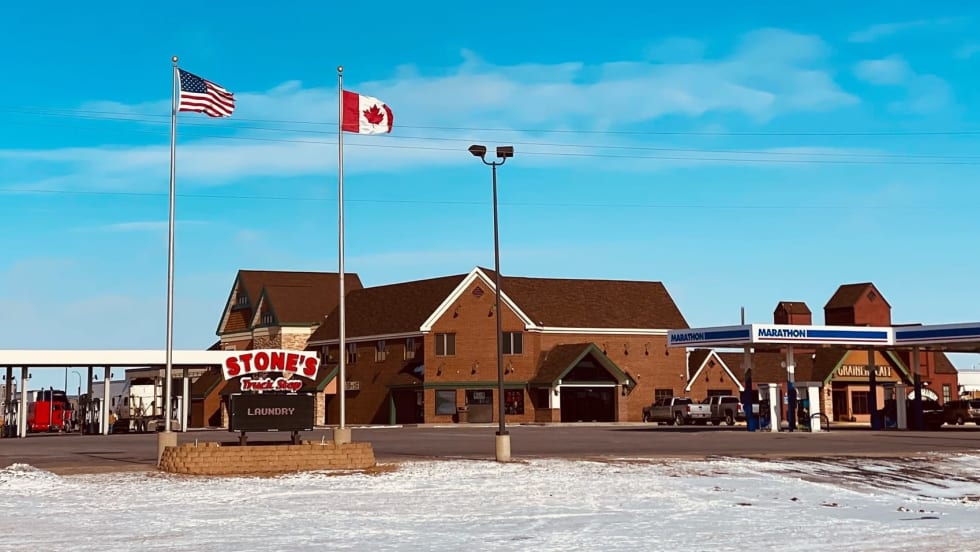
Trucker Path Names Top Truck Stops for 2026
Truck driver ratings reveal the best chain and independent truck stops in the country.
Read More →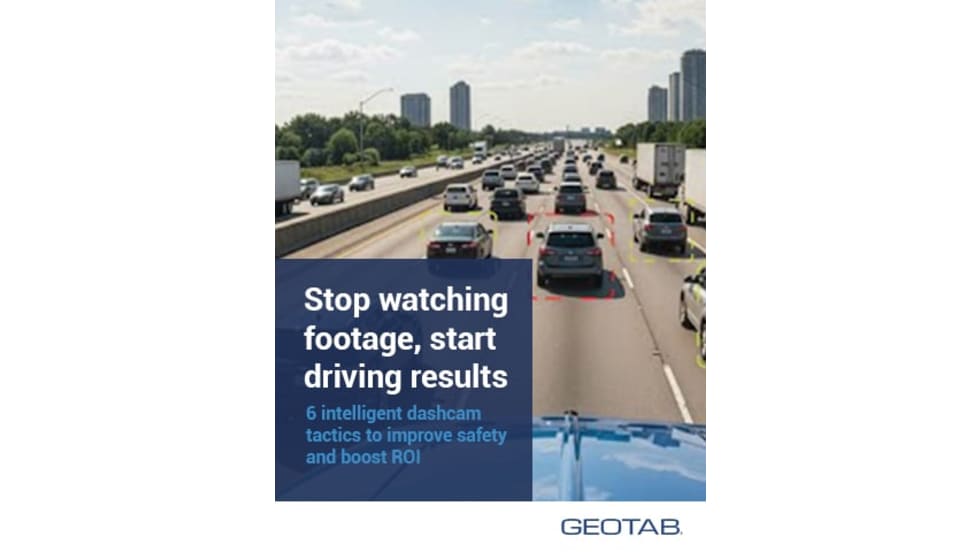
Stop Watching Footage, Start Driving Results
6 intelligent dashcam tactics to improve safety and boost ROI
Read More →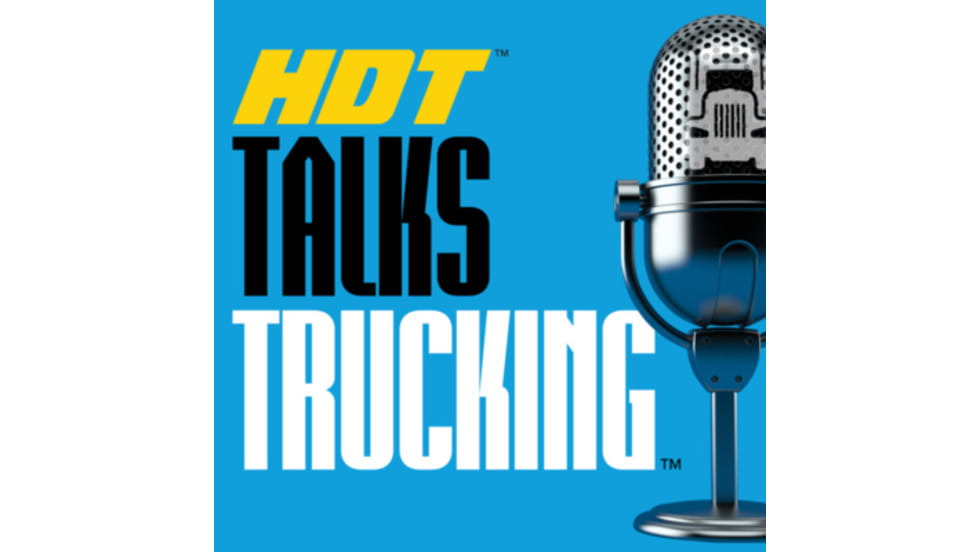
What FMCSA’s New Enforcement Push Means for Fleets in 2026 [Podcast]
Listen as transportation attorney and TruckSafe Consulting President Brandon Wiseman joins the HDT Talks Trucking podcast to unpack the “regulatory turbulence” of last year and what it means for trucking fleets in 2026.
Read More →How Pilot Is Using AI in Truck Maintenance
A practical look at how artificial intelligence is helping Pilot's trucking fleet move from reactive maintenance to a more proactive approach.
Read More →
3 New Ways Fleet Software Pays: ROI opportunities for modern fleet managers
Safety, uptime, and insurance costs directly impact profitability. This eBook looks at how fleet software is evolving to deliver real ROI through proactive maintenance, AI-powered video telematics, and real-time driver coaching. Learn how fleets are reducing crashes, defending claims, and using integrated data to make smarter operational decisions.
Read More →
Basic Tracking vs Next Generation Fleet Technology
Fleet software is getting more sophisticated and effective than ever, tying big data models together to transform maintenance, safety, and the value of your existing tech stack. Fleet technology upgrades are undoubtedly an investment, but updated technology can offer a much higher return. Read how upgrading your fleet technology can increase the return on your investment.
Read More →
Streetline Expands Smart Truck Parking System on West Coast
Streetline is expanding smart truck parking tools, including a new I-5 deployment in Washington and a no-upfront-cost pilot model for state DOTs.
Read More →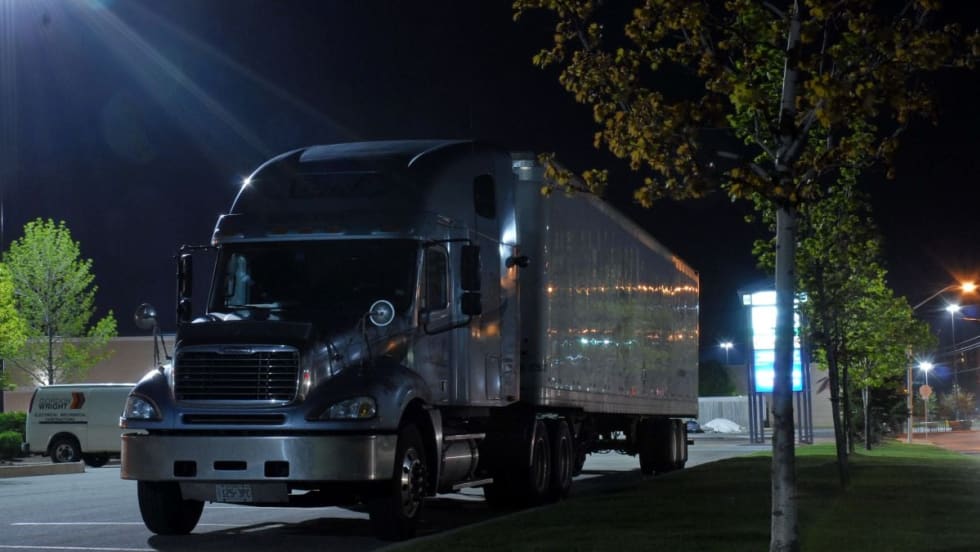
Third 'Jason's Law' Truck Parking Survey Under Way
The Federal Highway Administration is asking motor carriers and truck drivers to give input on where and when drivers have difficulty finding truck parking, and on how drivers prefer to get information on available parking.
Read More →FMCSA Continues Focus on State Issuance of Non-Domiciled CDLs
The Federal Motor Carrier Safety Administration continues a crackdown on an increasing number of states it says have been issuing non-domiciled CDLs improperly.
Read More →