





Related: Lights Help with Hooking Up, But Inspections Still Necessary
European Cargo Securement Devices are Diverse
Like here, tying down the goods is a concern in Europe, because a dominant German trailer builder recently displayed a van with numerous securement options aboard. Tom Berg has more in his Trailer Talk blog.
November 30, 2016
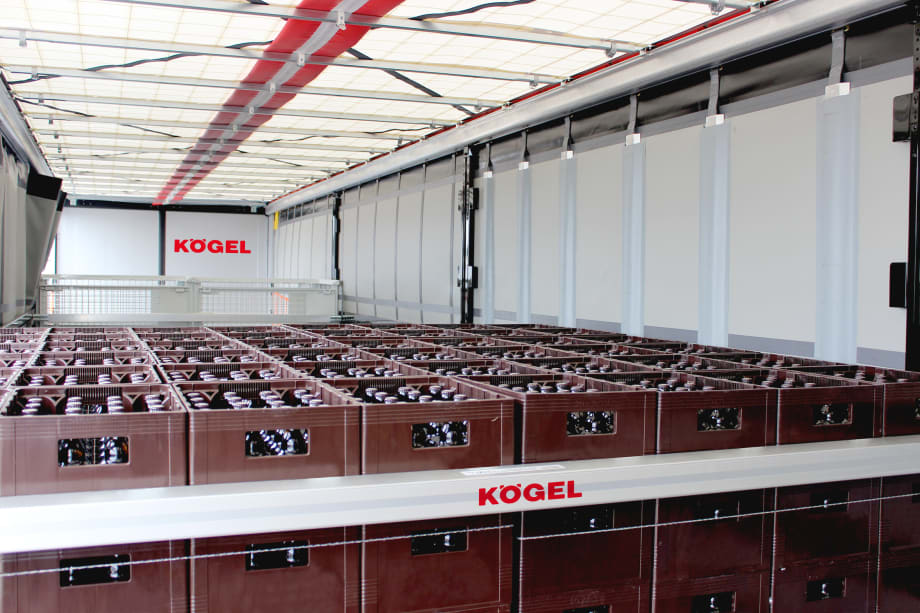
Koegel equipped its Cargo display trailer with various types of load-securing devices for several kinds of freight. This one includes curtain sides and a fold-up roof tarp for side and top loading. Photos: Koegel
2 min to read

Every once in a while cargo securement seems to become an issue, whether from a coil of steel that’s fallen off a flatbed trailer and killed someone, or boxed merchandise busting through the walls of an overturned van that has formed a traffic-stopping mess.
Securement straps and chains are visible on a flatbed but not inside a van, so many cargoes travel with nothing but pressure from adjacent commodities and trailer walls keeping them in place. Federal rules require stuff in a van or reefer to be tied down, too, but it’s ought of sight and evidently often overlooked by inspectors.
Apparently this is a concern in Europe, too, because Koegel, a dominant trailer builder in Germany, recently displayed a van with numerous securement options aboard. That was at the giant IAA show in Hannover.
The trailer’s called the Cargo, and according to a Koegel press release, its features include a VarioFix perforated steel external frame equipped with 13 pairs of lashing rings for securing the load. Each ring can take 2,000 kilograms (4,400 pounds) of tensile force.
Inside, the IAA trailer had several optional load-securing packages in three rung sections for hauling waste paper, beverages, and tires, the release said. In addition to a riveted pallet limiting rail, the waste paper package had two rows of steel anchoring rails, a series of aluminum insertable slats or lattices, and aluminum telescoping beams to secure the load in or against the direction of travel.

“Individual equipment for securing crates and barrels demonstrates how a plank tarpaulin can be used with six vertical aluminum slats on the left-hand side,” the release said. “On the right-hand side, this variant features two rows of aluminum lattices,” something like our logistics-tracks.
Steel and aluminum tie-down points and lashing hooks and rails were on board to handle the other cargoes. “Koegel's solutions now match the guidelines set out by Michelin for the transport of tires” – an observation that describes some European customers’ demands that shipments to be transported safely and without damage.
In North America, it’s not unusual for trailers to arrive at docks and upon opening doors, receivers see a jumble of boxes instead of items neatly stacked as they should be. There’s no shortage of equipment available from American and Canadian manufacturers to secure cargo, from load bars to straps and log channels to plastic wrap, that keeps individual items on their pallets. They just have to be used.
Subscribe to Our Newsletter
More Blog Posts
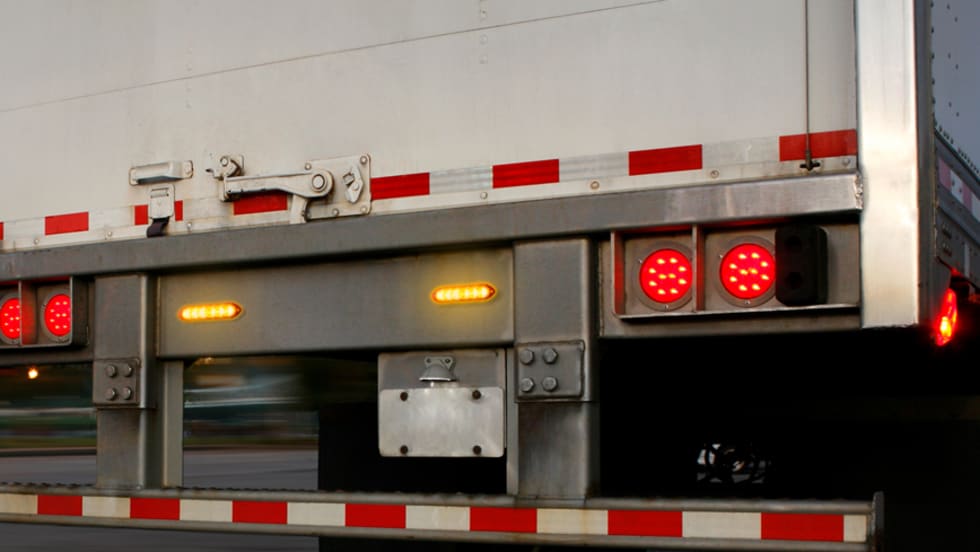
Pulsing Back-of-Trailer Lamps Aim to Prevent Crashes
Can the addition of a pulsing brake lamp on the back of a trailer prevent rear-end collisions? FMCSA seems to think so, if its exemptions are any indication.
Read More →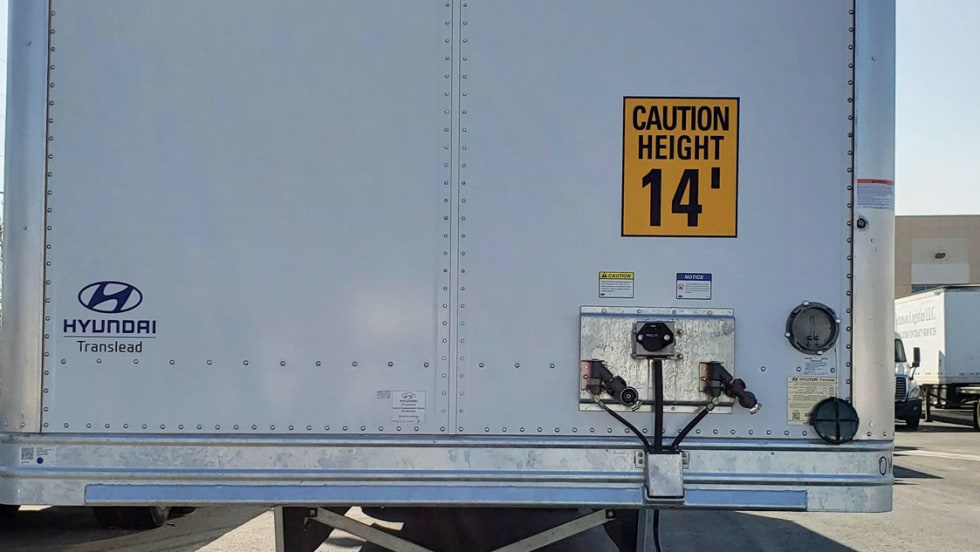
Designing a 14-Foot Trailer
Trailers are 13 feet, 6 inches high, right? Not for Hub Group, which developed a special 14-foot-high trailer spec for a dedicated customer based in California. Learn more in the Trailer Talk blog.
Read More →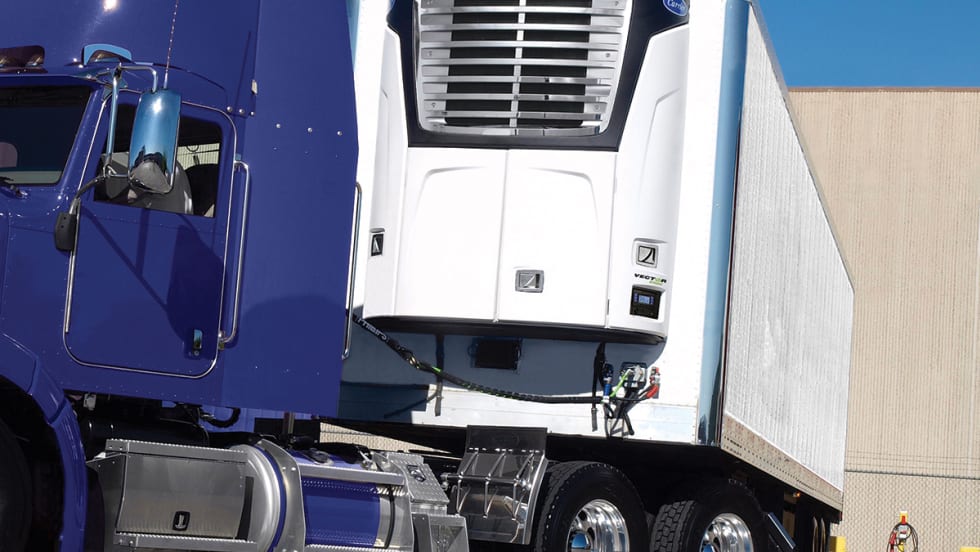
CARB Comes for Reefer Trailers
A new round of emissions control regulations decreed by the California Air Resource Board will begin affecting refrigerated trailer and TRU design and operations next year.
Read More →
5 Ways Data Analysis Maximizes the Value of Trailer Telematics
Are you getting the most out of your trailer telematics investment?
Read More →
Can You Guess What's in That Trailer?
You don’t always know what’s in the trailers that pass you on the road. But some of those trailers are carrying something a little more dangerous that frozen food or new bedding…like, maybe, a nuclear weapon. But this isn’t an ordinary trailer; this is a trailer specifically made to not only carry this type of payload, but protect it at all costs.
Read More →
How Trailers Are Harnessing 'Free' Energy
Can trailers play a more active role in sustainable transport beyond aerodynamic add-ons or low-rolling-resistance tires? Some companies think so.
Read More →
Wrapping a Trailer for COVID’s Everyday Heroes
“We don’t only deliver freight. We deliver awareness.” That’s what Jim Barrett, president and CEO of Road Scholar Transport, likes to say about the Dunmore, Pennsylvania-based carrier’s “awareness fleet.” Its latest trailer wrap honors the everyday heroes of the pandemic.
Read More →
How a Tanker Fleet is Using Unorthodox Trailer Lighting to Fight Rear-End Collisions
Groendyke Transport watched the number of rear-end collisions with its trailers rise steadily until it tried an unorthodox and then unapproved method of alerting following drivers that its trucks were applying brakes and slowing down.
Read More →
The Role Trailers are Playing in COVID-19 Funerals
In places such as New York City and Detroit, overwhelmed hospitals and mortuaries are using refrigerated trailers to store the bodies of people killed by COVID-19.
Read More →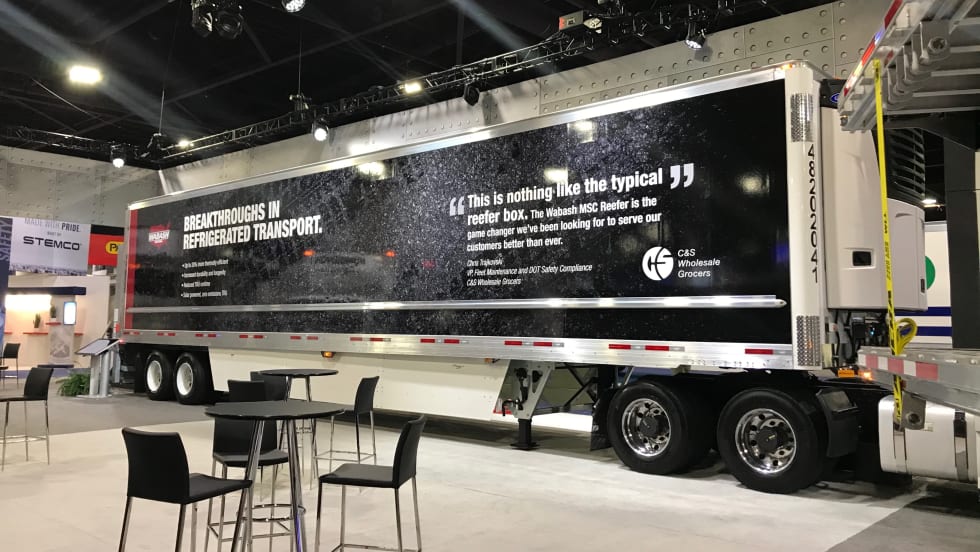
Reefer Trailer Aims to Help Reach Zero Emissions
Wabash National is partnering with C&S Wholesale Grocers to test a new type of zero-emissions refrigerated trailer.
Read More →