


 MENU
MENU SEARCHMENUSEARCH
Freight transportation capacity has been subject to enormous pressure from a number of sources for a little more than a year, leading to higher rates and even jeopardizing some long-standing business relationships
Read More →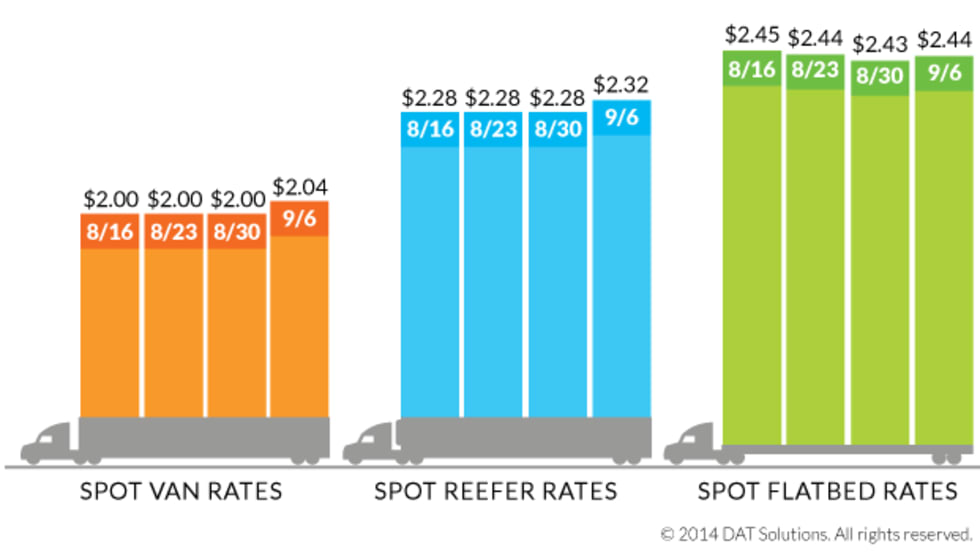
The increases happened despite a 19% drop in the total number of spot market loads available, due to an end-of-month push that coincided with Labor Day weekend.
Read More →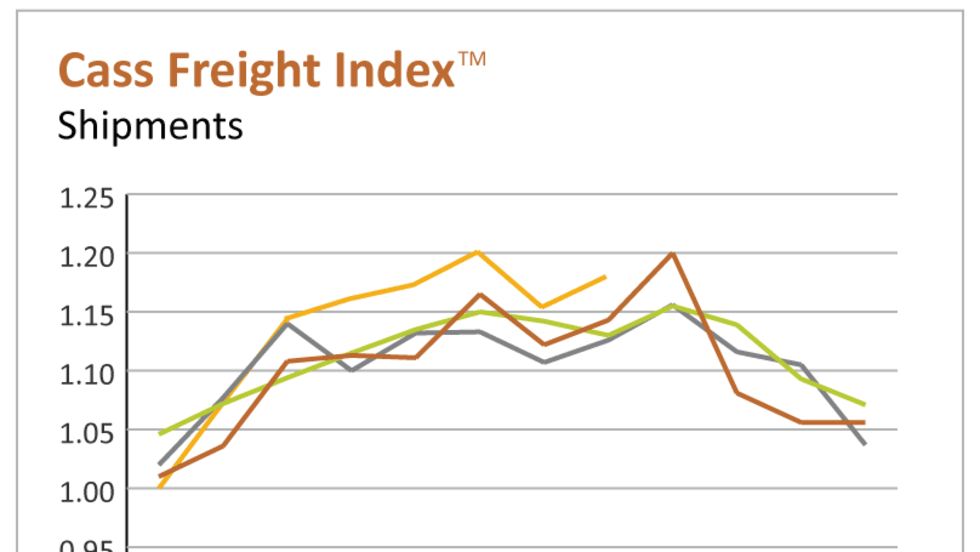
North American freight volumes bounced back in August from a normal July dip, but it did not lead to a similar increase in freight spending, according to the Cass Freight Index.
Read More →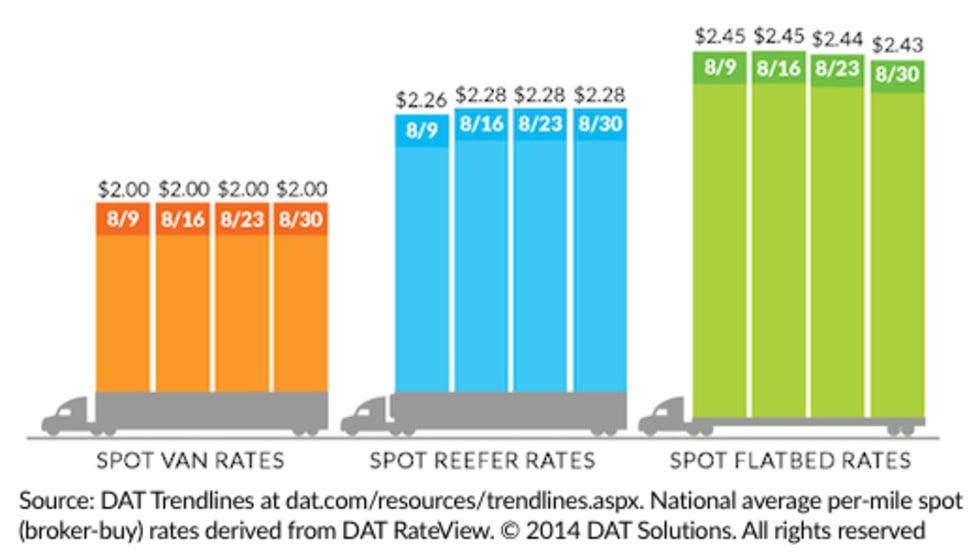
The number of posted loads on the spot-freight market outpaced available truckload capacity across all three major equipment types Aug. 24 through Aug. 30 compared to the previous seven days, however, rates generally remained in a holding pattern.
Read More →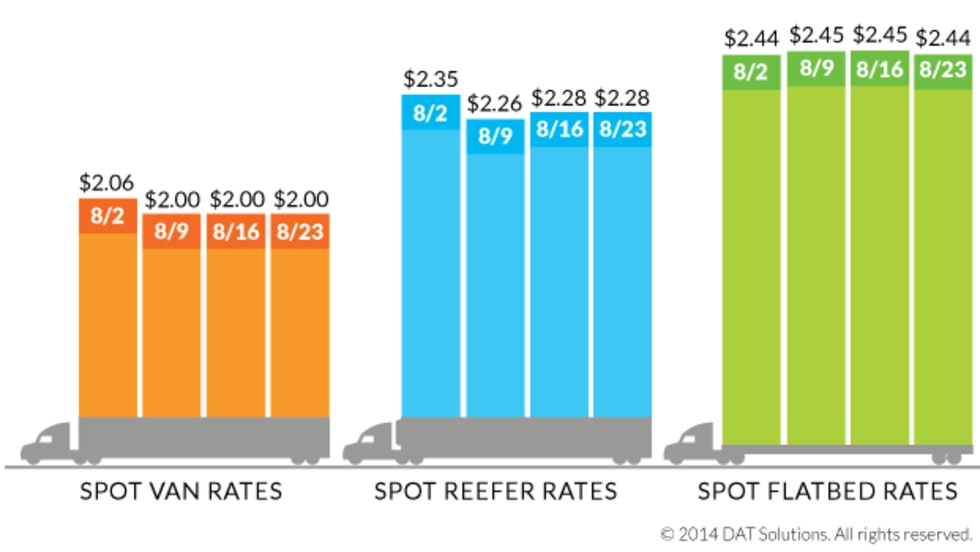
The summer doldrums appear to have kicked in on the spot freight market, with rates barely moving for the second straight week, according to the freight matching service provider DAT.
Read More →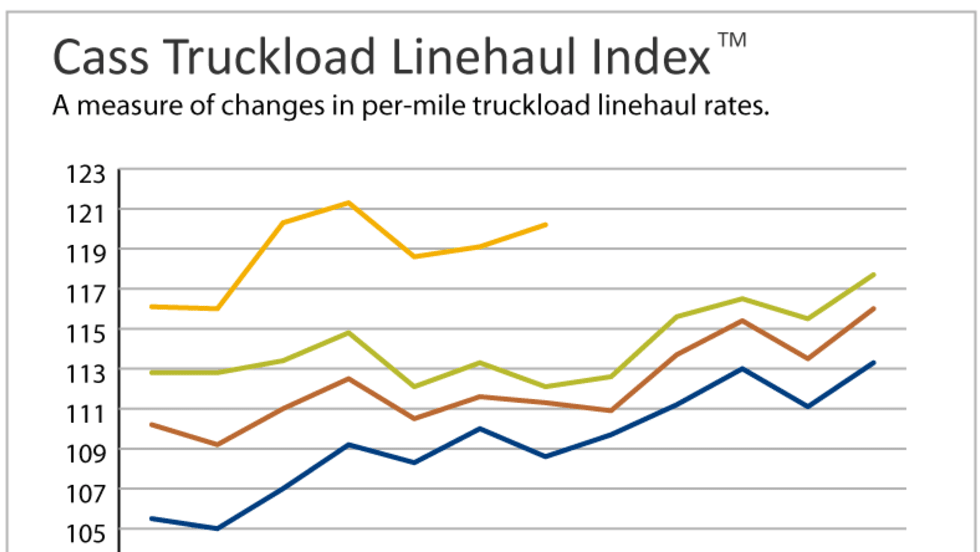
Linehaul rates for truckload shipping continue to rise, according to the latest Cass Linehaul Rate Index. On average, North American shippers paid 7.2% more in July of this year than last in their truckload linehaul rates.
Read More →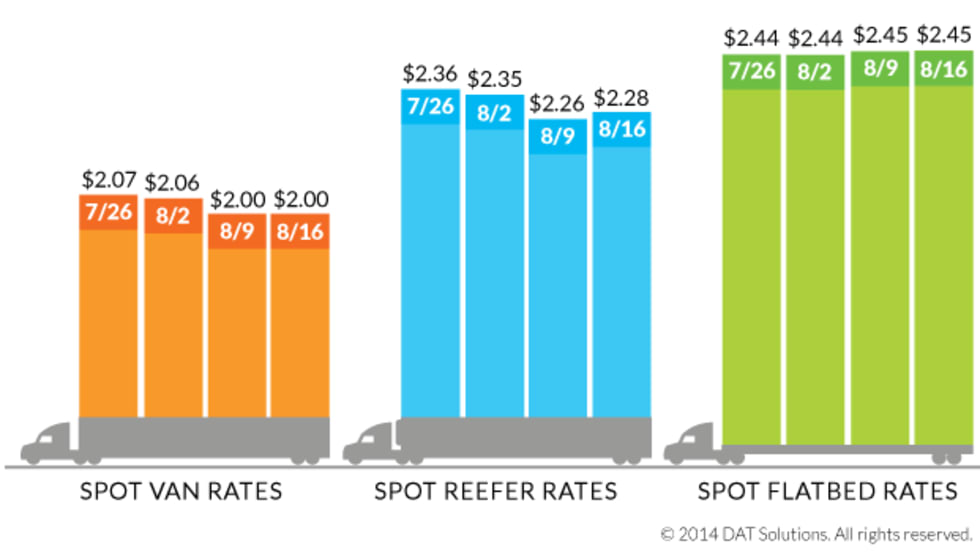
Spot market freight availability has increased nicely in the most recent period while rates appear to have ended their recent decline, according to the freight matching service provider DAT.
Read More →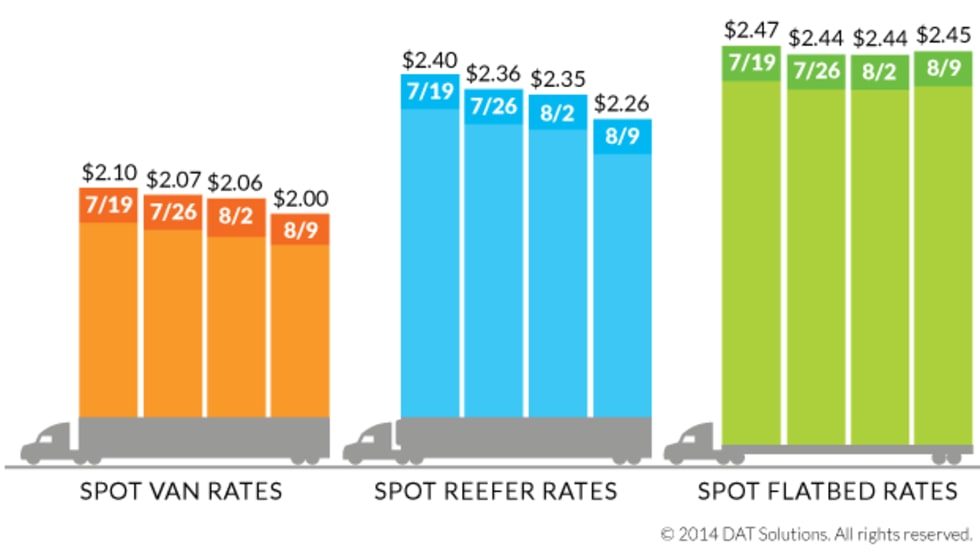
The amount of freight available on the spot market remained stable over the past week, while rates have improved little if any, according to freight matching service provider DAT -- but things could turn around soon.
Read More →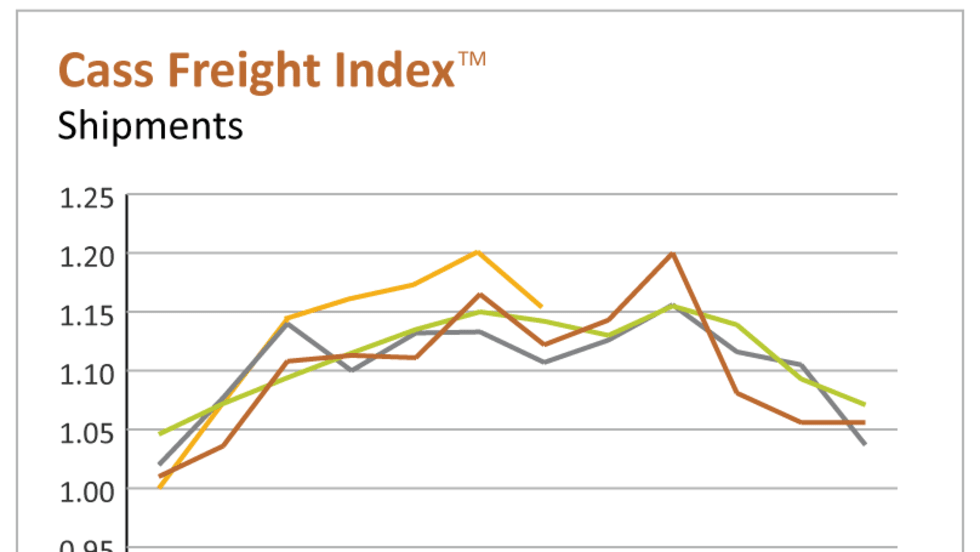
The freight logistics sector slowed in July, following a seasonal trend, with both freight shipments and freight payments down 3.9% from the previous month, according to the latest Cass Freight Index.
Read More →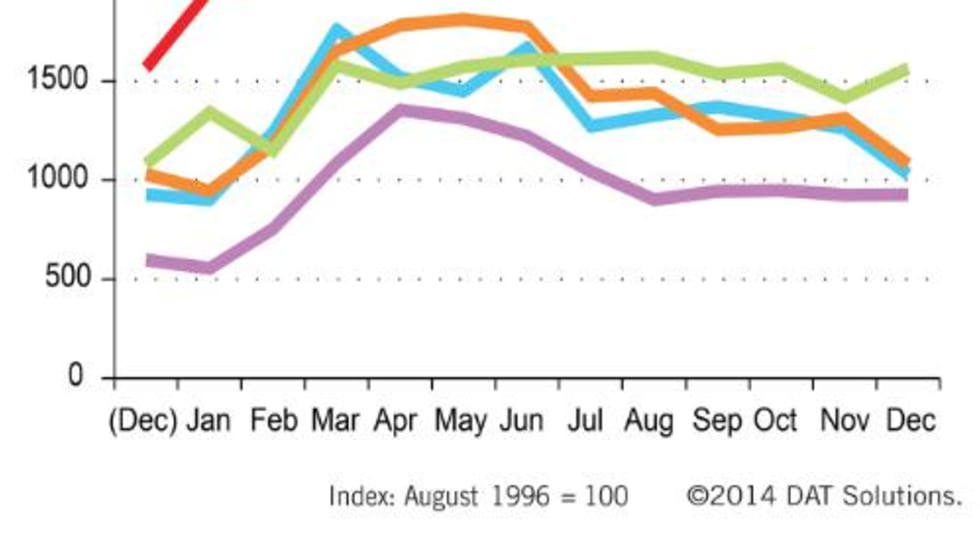
Truckload freight availability remained elevated in July compared to previous years despite a seasonal dip, according to the DAT North American Freight Index released Friday.
Read More →