




World Energy Outlook Says More Needs to Be Done to Promote Energy Efficiency
The International Energy Agency predicts that global demand for energy could lead to another oil price spike, unless more is done to use energy more efficiently. The IEA report predicts oil prices will average $113 a barrel (in year-2009 dollars) by 2035 and could go as high as $135 a barrel

The International Energy Agency predicts that global demand for energy could lead to another oil price spike, unless more is done to use energy more efficiently. The IEA report predicts oil prices will average $113 a barrel (in year-2009 dollars) by 2035 and could go as high as $135 a barrel.
The agency, in a report released Tuesday, forecasts global energy consumption to reach 16.7 billion metric tons of oil equivalent by 2035. The 36-percent jump in demand will be driven by China, which is expected to see demand for energy increase by 75 percent.
"The Copenhagen Accord and the agreement among G20 countries to phase out subsidies are important steps forward. But, these moves still fall a very long way short of what is required to set us on the path to a truly sustainable energy system," said Nobuo Tanaka, Executive Director of the International Energy Agency in London at the launch of the latest edition of the IEA's annual World Energy Outlook.
"It is hard to overstate the growing importance of China in global energy. How the country responds to the threats to global energy security and climate posed by rising fossil-fuel use will have far-reaching consequences for the rest of the world," Tanaka added.
China is at the forefront of efforts to increase the share of new low-carbon energy technologies, including alternative vehicles, which will help to drive down their costs through faster rates of technology learning and economies of scale, and boost their deployment worldwide, the agency reports.
The agency's scenario sees production of natural gas liquids (NGLs) and unconventional oil - notably Canadian oil sands - growing strongly.
"Renewable energy can play a central role in reducing carbon-dioxide emissions and diversifying energy supplies, but only if strong and sustained support is made available," Tanaka said. The agency's scenario sees the share of modern renewable energy sources, including sustainable hydro, wind, solar, geothermal, modern biomass and marine energy, tripling between 2008 and 2035, and their combined share in total primary energy demand increasing from 7 percent to 14 percent.
The Organization of Petroleum Exporting Countries, which already pumps 40 percent of the world's oil, will grow in importance, the IEA said. The report predicts OPEC will account for 50 percent of the worlds oil supply by 2035 as production from outside the group drops.
OPEC is also predicting a rise in oil demand. Last week it forecast world energy demand would rise by 40 percent in the next three decades. The oil cartel predicts that world oil demand will grow to a daily 105.5 million barrels in 2030, an increase of 21 million barrels a day over last year, according to an Associated Press report.
The energy trends envisioned in the IEA's report imply that national commitments to reduce greenhouse-gas emissions, while expected to have some impact, are inadequate to meet the Copenhagen Accord's overall goal of holding the global temperature increase to below 2 degrees C.
Reaching that goal "would require a phenomenal policy push by governments around the world," the agency said in a press release. "The technology exists today to enable such a change, but the required rate of technological transformation would be unprecedented."
"The message here is clear," Tanaka said. "We must act now to ensure that climate commitments are interpreted in the strongest way possible and that much stronger commitments are adopted and taken up after 2020, if not before. Otherwise, the 2 degree C goal could be out of reach for good."
More Drivers

Truck Drivers Need More Than Another Alert
Fleets have more visibility into truck health, safety events, and driver activity than ever. The next challenge is turning all that information into useful guidance for the person who has to decide what to do next.
Read More →
FMCSA Removes 110 Truck Driver Training Schools from Certified ELDT List
Federal regulators also are targeting more than 160 additional training providers and launching a nationwide audit of third-party CDL skills testers as part of a broader crackdown on trucking fraud.
Read More →
Hours of Service Pilot Programs: FMCSA Readies for 2027 Rollout
Two pilot programs could eventually reshape hours-of-service rules, giving truck drivers options to pause their 14-hour clock or use longer split sleeper rest periods.
Read More →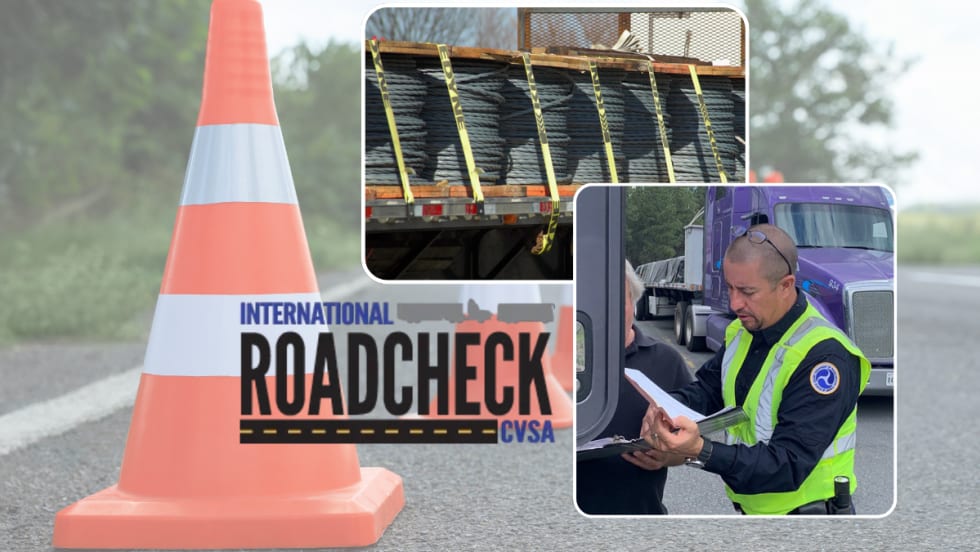
Medical Cards, English Proficiency Reshape Roadcheck Violations
Medical-card violations jumped to the top of the driver out-of-service list during CVSA’s 2026 International Roadcheck, while English-language proficiency violations appeared among the leading violations for the first time.
Read More →
Driver Trust Can Make or Break the Success of Fleet Safety Technology
New Teletrac Navman research suggests that onboarding, transparency about driver data, and positive feedback can play a significant role in how commercial drivers respond to safety and coaching technology.
Read More →
EEOC Sues KLLM Over Alleged Sex Discrimination in Driver Training
KLLM is facing a federal sex-discrimination lawsuit over policies the EEOC alleges put female truck driver trainees at a disadvantage.
Read More →
FMCSA Moves to Codify English Language Requirements for Commercial Drivers
By changing regulations on English-language proficiency requirements for commercial drivers, rather than relying on a guidance memo, the FMCSA said future administrations won't be able to walk back the Trump administration's stricter enforcement with just a memo.
Read More →
Drivers Put Western Star Trucks to the Test at Star Nation Experience
Watch to get an inside look at the Western Star trucks, technology, and community behind the Star Nation Experience 2026!
Read More →
Trump Administration Looks to Put More Veterans Behind the Wheel
The Freedom Haulers program pulls together existing and expanded programs at several federal agencies to recruit veterans to drive commercial heavy-duty trucks and cut the red tape for them to get a CDL, training, and employment.
Read More →
Putting Mack’s Command Steer to the Test
A test drive of Mack’s Command Steer active steering system evaluates how it can make truck driving easier and less tiring.
Read More →