




Volvo Trucks Increases Maintenance Intervals for Engine Oil, DPFs
Volvo Trucks in North America extended its recommended maintenance intervals for diesel engine oil and diesel particulate filters on all model year 2011 and newer Volvo trucks equipped with Volvo’s D11, D13 or D16 engines.
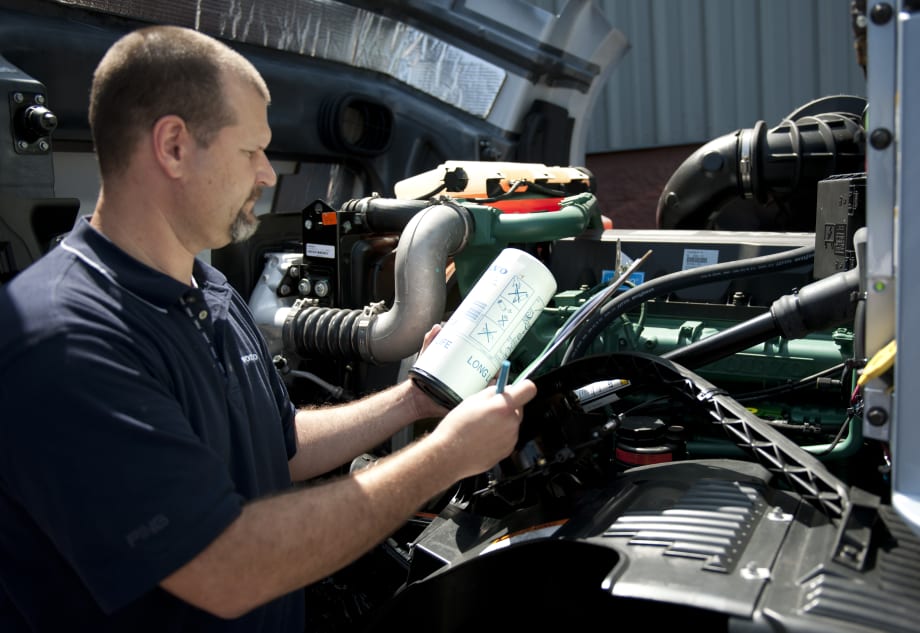
Volvo Trucks’ new recommended maintenance intervals for model year 2011 and newer trucks with Volvo engines could eliminate four to 16 oil drains over a 600,000-mile life of a truck, depending on duty cycle. Photo courtesy Volvo Trucks.
Volvo Trucks’ new recommended maintenance intervals for model year 2011 and newer trucks with Volvo engines could eliminate four to 16 oil drains over a 600,000-mile life of a truck, depending on duty cycle. Photo courtesy Volvo Trucks.
Volvo Trucks in North America extended its recommended maintenance intervals for diesel engine oil and diesel particulate filters on all model year 2011 and newer Volvo trucks equipped with Volvo’s D11, D13 or D16 engines.
Volvo says the longer intervals can save customers thousands of dollars during the life of a truck.
For engine oil and filters, the new recommended maintenance intervals add 10,000 miles to the previous life of an oil change for each of three duty cycles – long haul, regional haul and heavy haul – as defined by fuel consumption. Those intervals were increased to be 45,000 miles for long haul, 35,000 miles for regional and 25,000 miles for heavy. As before, owners must use engine oils that meet Volvo’s VDS-4 standard. In addition, if engine idle time is greater than 30%, operators should use the next shorter drain interval.
For long- and regional-haul applications, the previous interval of 250,000 miles between cleaning or replacement of DPFs is extended to 400,000 miles.
The updated recommendations followed more than a year of testing and analysis of customers’ trucks and returned parts to ensure the changes would not shorten vehicle life or degrade performance or reliability.
“We are always looking for opportunities to reduce our customers’ operating costs, and these new recommended maintenance intervals can significantly help their bottom line,” said John Moore, Volvo Trucks product marketing manager-powertrain. “Now that we have some experience with and data from EPA 2010-compliant trucks, we have confirmed our assumption that the reduction in particulate matter means longer-lasting engine oil and less ash in DPFs. In addition to saving money, longer intervals mean trucks are more productive because they spend less time in the shop.”
Assuming a 600,000-mile vehicle life in over-the-road applications, the new engine oil intervals will allow truck owners to forego between four and 16 oil drains, depending on duty cycle, compared to the prior maintenance schedule. In oil costs alone, that represents a savings of hundreds of dollars even for the lightest duty cycles. Those savings would be substantially larger for operations that do not perform preventive maintenance in-house. The extended interval for DPFs would allow many owners to have filters cleaned just once rather than twice during the life of the truck, which could save several hundred dollars.
More Maintenance

Color Match Smarter: Tools That Restore & Perform
For fleet managers and collision repair professionals keeping heavy-duty trucks on the road, getting the color right the first time isn't just about appearance — it's about efficiency, turnaround time, and bottom-line results. Discover how today's digital color tools are transforming the repair process from guesswork to precision.
Read More →
Wrong Repair Prompts Recall of Freightliner, Western Star 4x2 Trucks
DTNA is recalling more than 2,400 trucks that received an incompatible software fix instead of the hardware repair required to address brake valve corrosion.
Read More →
Truck Drivers Need More Than Another Alert
Fleets have more visibility into truck health, safety events, and driver activity than ever. The next challenge is turning all that information into useful guidance for the person who has to decide what to do next.
Read More →
The Maintenance Checks Trucking Fleets Should Prioritize Before Fall Freight Picks Up
Making it through August isn’t the same as being ready for the next several months of operation. Find out what systems may have suffered from summer heat and need to be checked out before fall.
Read More →
What Three Fleets Are Doing Differently When Buying Truck Parts in 2026
With freight improving but costs still climbing, fleet maintenance executives explain how they're balancing price, quality, and supplier relationships.
Read More →
Paccar Recalls 2027 Trucks Built This Summer for Possible Electrical Problem
The nearly 6,000 Kenworth and Peterbilt trucks in the recall could potentially lose engine power, among other things.
Read More →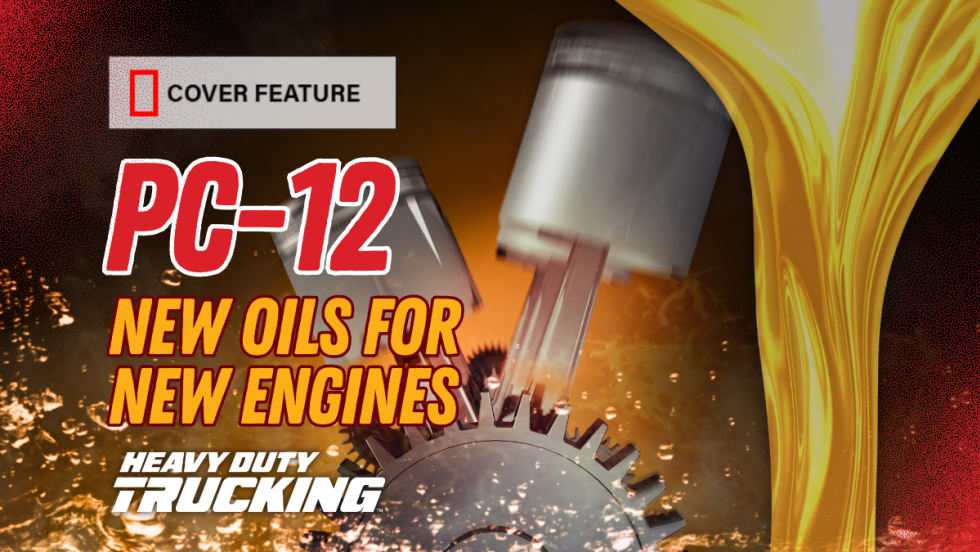
Will API PC-12 Oil Change Trucking Fleet Maintenance?
The new API PC-12 heavy-duty engine oil category reflects the changing demands of modern diesel engines. But fleets like Foodliner are looking to getting their own data before making decisions on adopting the new oils and questions such as extending oil drain intervals.
Read More →
Brake Safety Week to Focus on Drums and Rotors
Commercial vehicle inspectors are focusing on truck brakes during CVSA's Brake Safety Week, August 23-29.
Read More →Possible Battery-Cable Fires Prompt Recall of 15,000+ International MV and HV Trucks
On the recalled vehicles, manufacturing variations can cause the battery interconnect cable to contact the auxiliary stud and hold down the bracket.
Read More →
Rush, MCT Team Up to Grow Refrigeration Service Network
The joint venture will operate MCT's network of Carrier Transicold dealerships and mobile service locations, with the companies promising greater service capacity and uptime for refrigerated fleets.
Read More →