




Traffic Congestion On the Rise After Reaching a Bottom
After bottoming out in the second quarter, traffic congestion across the country is on the rise amid signs of economic recovery, new stimulus-funded highway construction projects and lower fuel price
After bottoming out in the second quarter, traffic congestion across the country is on the rise amid signs of economic recovery, new stimulus-funded highway construction projects and lower fuel prices
, according to a mid-year National Traffic Scorecard special report by Inrix.
Inrix, which provides traffic and navigation services in North America, found that 64 of the top 100 most populated cities in the U.S. had increased traffic congestion levels at the beginning of this year. The company also said its freight corridor analysis showed the need for a national freight strategy.
"Traffic congestion decreased over the past 18 months and hit bottom in the second quarter of 2009," said Bryan Mistele, INRIX president and CEO. "Now, our nation's roadways are starting to jam up again. Traffic is a great indicator of the pulse of the economy, and as the economy improves, we expect gridlock to head towards 2007's record levels as people return to work, freight transportation increases, and consumers switch back to vacations from staycations."
According to the scorecard, New York City, Los Angeles and Chicago were ranked the worst traffic bottlenecks in the country, with the westbound side of the Cross Bronx Expressway in New York the worst.
Inrix also analyzed commercial freight traffic concentration, and found that while the nation's busiest long haul freight roadways cut across 28 states, more than 95 percent of this mileage comes from just 10 states, including Arkansas, Georgia, Tennessee and Texas. There appeared to be more long haul freight usage on roads in the middle of the country that serve as thoroughfares, such as I-40, I-75, I-81 and I-35.
"Our findings highlight the national interconnectivity of the truck and highway portion of our national freight system and demonstrate that changes in freight movement trends and the effects of system improvements can have a significant impact on overall traffic congestion," said Rick Schuman, vice president of public sector at Inrix. "The analysis highlights that long haul freight movement is spread equally between urban and rural roadways, underscoring that the development of a national freight strategy to optimize highway network efficiency and reliability - for both trucks and passenger vehicles - is in the interest of both rural and urban constituencies."
According to the report, the top 10 most congested cities in the first half of 2009 were:
1. Los Angeles, Calif.
2. New York, N.Y.
3. Chicago, Ill.
4. Washington, D.C. (from 5th in first half of 2008)
5. Dallas, Texas (from 4th in first half of 2008)
6. Houston, Texas
7. San Francisco, Calif.
8. Boston, Mass.
9. Seattle, Wash.
10. Philadelphia, Pa.
More info: inrix.com/scorecard
More Drivers
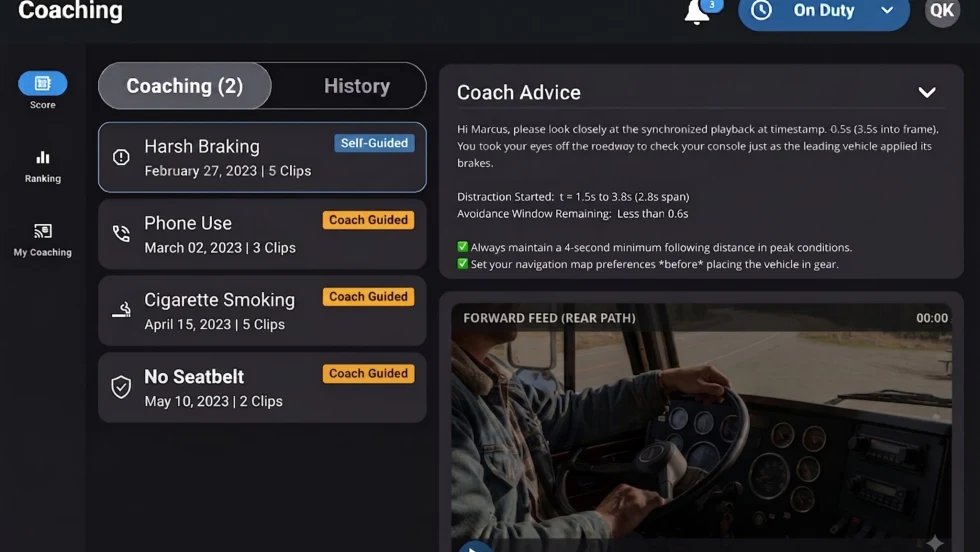
Platform Science Adds Dispatch and Safety Tools
Four additions to PS Fleet help fleets monitor loads, manage driver coaching, share truck locations and adjust video system settings.
Read More →
When Language Stops the Truck: The Return of ELP Out-of-Service Orders
English language proficiency rules for commercial drivers aren’t new, but renewed out-of-service enforcement has raised the stakes. Here’s what carriers need to know before a driver reaches a roadside inspection.
Read More →
Samsara Launches Custom AI Agent Builder
Agent Studio lets fleets create AI tools for hours-of-service monitoring, reporting and driver support, including agents that communicate by phone.
Read More →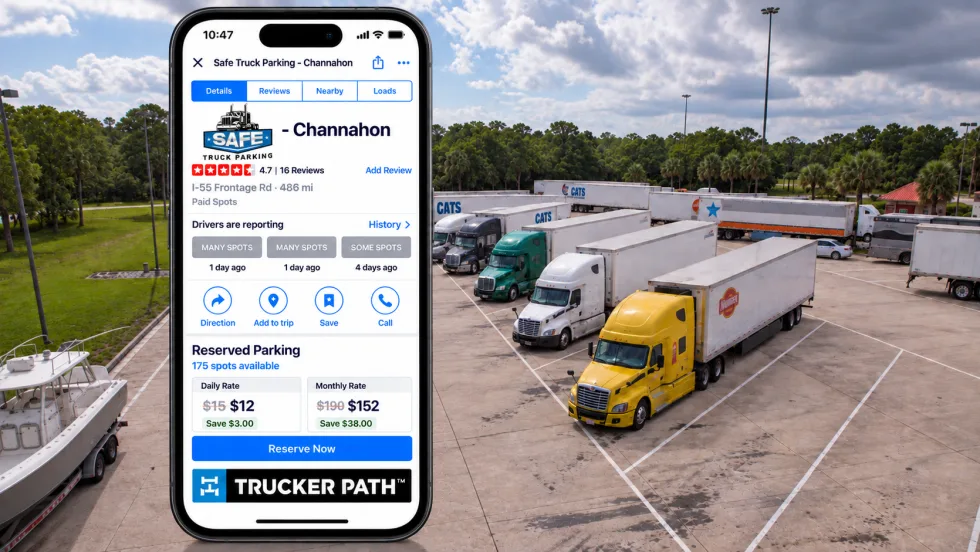
Trucker Path Expands Reserved Parking Network
Trucker Path has added close to 6,000 more truck parking spaces to its Trucker Path Reserved Parking Network with the addition of Safe Truck Parking.
Read More →
EEOC Sues Texas Trucking Company Over Driver Age Limits
The agency says Trancasa USA rejected applicants over 65 and applied tougher driving-record standards to those over 60.
Read More →
Nussbaum, Roehl Announce Second Driver Pay Increase This Year
This year has seen a swath of major truck driver pay increases as freight capacity has tightened.
Read More →
From One Generation to the Next: How Mentorship Builds Safer Truck Drivers
After three decades in trucking, Harold Perry shares what he's learned about driver safety, mentorship, and helping the next generation build confidence behind the wheel.
Read More →
Truck Drivers Need More Than Another Alert
Fleets have more visibility into truck health, safety events, and driver activity than ever. The next challenge is turning all that information into useful guidance for the person who has to decide what to do next.
Read More →
FMCSA Removes 110 Truck Driver Training Schools from Certified ELDT List
Federal regulators also are targeting more than 160 additional training providers and launching a nationwide audit of third-party CDL skills testers as part of a broader crackdown on trucking fraud.
Read More →
Hours of Service Pilot Programs: FMCSA Readies for 2027 Rollout
Two pilot programs could eventually reshape hours-of-service rules, giving truck drivers options to pause their 14-hour clock or use longer split sleeper rest periods.
Read More →