




A road-building approach pioneered in the late 1980s and early 1990s that supposedly makes for more durable highways is slowly gaining converts, but some questions have been raised about whether it is being implemented to the full extent its developers intended.
Only seven states have fully embraced the technique known as Superpave (SUperior PERforming Asphalt PAVEments), which is more expensive than traditional asphalt highway construction. Some researchers tout the system, while others say the innovations may not be as good as they were touted to be.
At Washington State University in Pullman, WA, civil engineering professors Tom Papagiannakis and Eyad Masad are big believers in Superpave, which basically tailors the asphalt mix to the specific climate and traffic conditions. For instance, making sure the rocks in the mix are angular rather than round, and bound tightly with liquid asphalt, can help prevent the "shoving" that happens at intersections by the force of vehicles, especially trucks, stopping at traffic lights.
Papagiannakis and Masad consider Superpave the biggest advance in the field since the late 1940s, saying it put researchers on the right track to look at the scientific reasons behind pavement failures. The two professors head the Washington Center for Asphalt Technology, which opened earlier this year.
The center, supported in part by donations from the road construction industry and the state Department of Transportation, features $300,000 in equipment that allows the researchers to design asphalt mixes to meet Superpave specifications. A $40,000 compactor can simulate 10 years of road wear in 24 hours, and ovens test asphalt in temperatures ranging from minus 30 to 180 degrees.
In Washington, a fifth of the state's major road projects use Superpave methods, with plans to completely switch over by 2005.
On the other end of the country, the University of Central Florida in Orlando is one of five universities chosen by the state to teach the art of Superpave. The university's new Geotech and Pavement Lab will help determine the right mix to use in Florida's tricky conditions of high groundwater and sinkholes. Engineering students at UCV will learn Superpave techniques, while the state DOT will use the lab to train employees.
A local engineering firm is conducting Superpave testing for construction of the first Superpave project in central Florida, Highway 429, a 32-mile toll road west of Orlando.
While Washington and Florida are pushing ahead with Superpave, researchers at the University of Arkansas claim that questions remain about the durability of Superpave.
To fully implement Superpave specifications, a shear tester is supposed to be used to check a mixture's performance. But with a price tag of $250,000, the researchers say, few Superpave projects are using the tester.
Superpave-type mixtures are much more porous than traditional asphalt mixtures. When it is installed over existing asphalt, water often seeps through and puddles between the old and new layers, says civil engineering professor Kevin Hall. That can cause wet spots on the road surface and increased rutting in the new layers.
Hall and other Arkansas researchers have been developing a cheaper lab-based test for asphalt mixture durability.
Super Asphalt Gets Mixed Reviews
A road-building approach pioneered in the late 1980s and early 1990s that supposedly makes for more durable highways is slowly gaining converts, but some questions have been raised about whether it is being implemented to the
More Drivers

New Trojan Driver Cargo Theft Scam Bypasses Carrier Vetting Systems
Cargo theft rings plant operatives as drivers inside legitimate, fully vetted carriers, then execute coordinated thefts that look like a traditional straight theft from the outside.
Read More →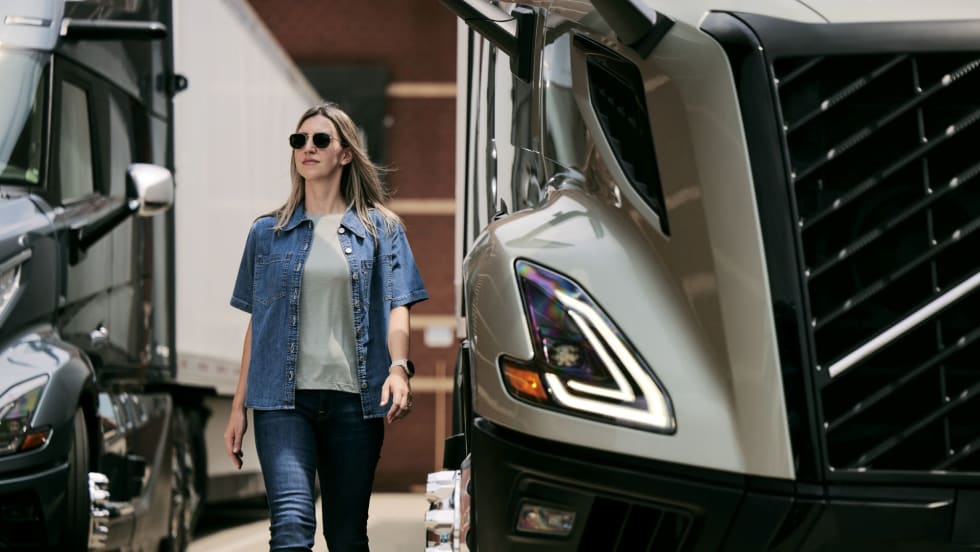
WIM, Trucker Path Name Top 3 Women-Friendly Truck Stops
ATA’s Women In Motion Council and Trucker Path highlight three truck stops that meet all seven safety-focused criteria and rank highest among female drivers.
Read More →
FMCSA Extends Paper Medical Card Exemption … Again
Five states still aren't ready to accept commercial driver medical exam information directly from the medical examiner's registry.
Read More →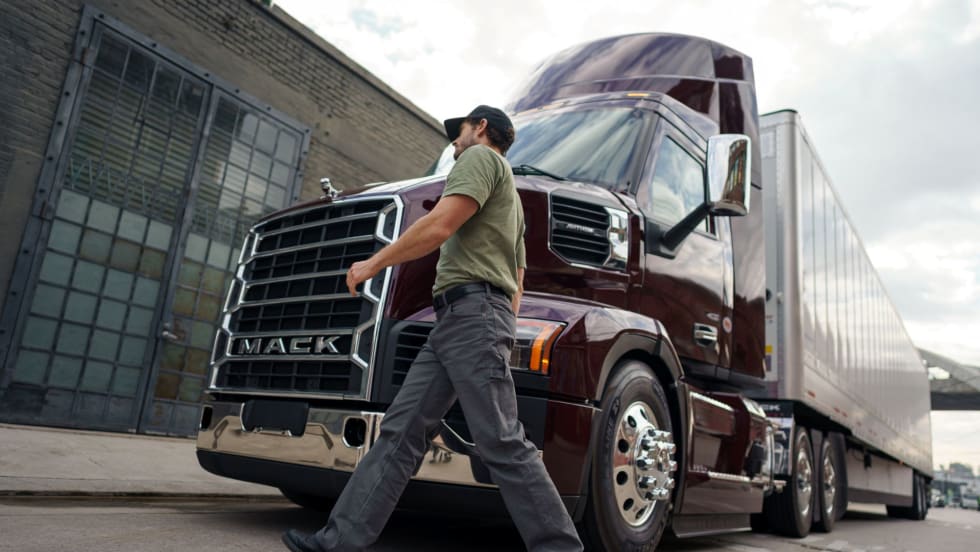
Mack Launches Digital Driver Guide for Chassis-Specific Truck Info
Mack’s new, virtual owner’s manual delivers VIN-based, on-demand guidance for vehicle systems via web, app, and soon in-cab displays.
Read More →
Western Star Showcases Truckers' Pride and Skill
Western Star is expanding its Star Nation Experience in 2026, adding new competitions and dealer participation to highlight operator skills and promote careers in trucking.
Read More →
Best Fleets to Drive For: Two Carriers Earn Overall Award for First Time
CarriersEdge announced the 2026 Best Fleets to Drive For overall winners, with Crawford Trucking, Fortigo Freight Services, and FTC Transportation receiving top awards.
Read More →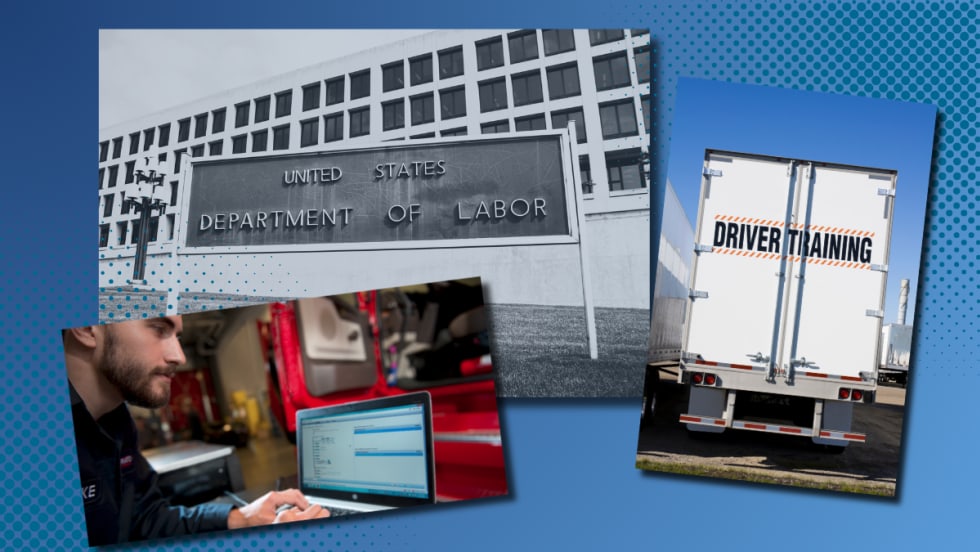
Federal Proposal Would Allow Pell Grants for Shorter-Term Job Training
The Department of Labor plans to expand Pell Grant eligibility to some shorter workforce training programs, a move the American Trucking Associations said will help strengthen commercial driver training schools and diesel technician training programs.
Read More →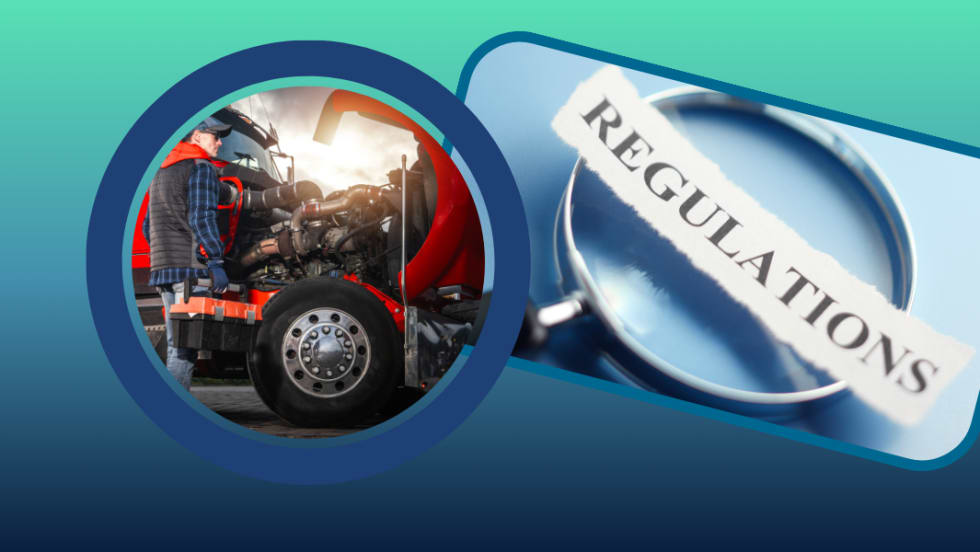
Owner-Operator Model Gets Boost as DOL Proposes 2024 Independent Contractor Definition Reversal
For an industry that has watched this issue go back and forth for years, the independent contractor proposal marks the latest swing in the regulatory pendulum.
Read More →
FMCSA Reinstates Field Warrior ELD to Registered Device List
One electronic logging device has been reinstated to the FMCSA's list of registered ELDs.
Read More →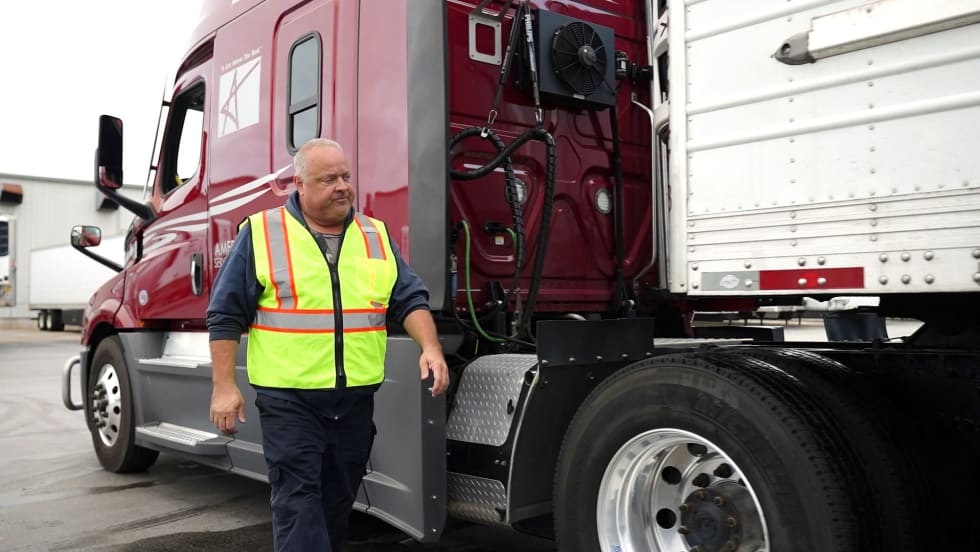
How One Company is Using Smart Suspension Technology to Reduce Driver Injuries and Improve Retention
America’s Service Line adopted Link’s SmartValve and ROI Cabmate systems to address whole-body vibration, repetitive strain, and driver turnover. The trucking fleet is already seeing measurable results.
Read More →