




Study Points to Negative Impacts of I-80 Tolls
A recently released study analyzing the impact of tolls on Interstate 80 in Pennsylvania outlines the negative costs of the tolls, including increased crash rates and decreased consumer spending and production along the route
A recently released study analyzing the impact of tolls on Interstate 80 in Pennsylvania outlines the negative costs of the tolls, including increased crash rates and decreased consumer spending and production along the route.
In an effort to rake in more state funds, the Pennsylvania Turnpike Commission plans on trying to add tolls on I-80, for the second time around. The Federal Highway Administration rejected the state's initial application last year, saying the planned use of toll revenues did not meet federal requirements.
The impact study, which was conducted by Tracy Miller, associate professor of economics at Grove City College, found that trucks and cars would have to use alternative routes to avoid tolls, resulting in more injuries and fatalities. Because injuries and fatalities are almost three times as high on roads that are not Interstate highways as on Interstate highways in the state, the study concludes that adding tools could boost deaths by between two to four and injuries by between 100 and 200 per year.
In addition, the study points out that the tolls would act more as a tax or tariff because the funds would go toward purposes other than maintaining and improving the highway. Vehicles that use I-80 already pay for maintaining it via fuel taxes and other taxes, the study says.
With a toll of 31 cents per mile for Class 5-7 trucks, the initiative would raise the costs of operating a truck by just under 50 percent, compared to its current level, the study says. In addition, the toll would cause consumers to spend less and raise the cost of shipping goods, which would result in fewer goods being shipped along the route.
The toll would also affect businesses along the Interstate, including industries such as firms that produce manufactured homes, wood product manufacturers, manufacturers of transportation equipment, gas stations and truckstops, trucking companies, and warehouses. The increased costs associated with the toll could cause these businesses to cut back and even push some over the edge, the study says.
"While it is not clear how many plants would shut down due to the impact of tolls on Interstate 80, one or more employers that are just barely surviving could find it unprofitable to continue to operate if there were tolls on Interstate 80," the study said. "The result would be that between a few hundred and a few thousand workers could lose their jobs."
To view the study, click here.
More Drivers
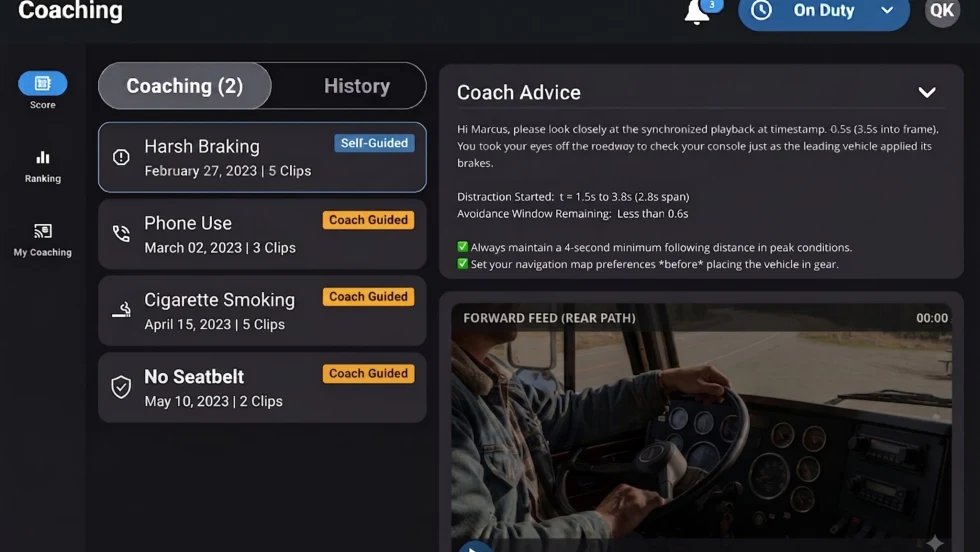
Platform Science Adds Dispatch and Safety Tools
Four additions to PS Fleet help fleets monitor loads, manage driver coaching, share truck locations and adjust video system settings.
Read More →
When Language Stops the Truck: The Return of ELP Out-of-Service Orders
English language proficiency rules for commercial drivers aren’t new, but renewed out-of-service enforcement has raised the stakes. Here’s what carriers need to know before a driver reaches a roadside inspection.
Read More →
Samsara Launches Custom AI Agent Builder
Agent Studio lets fleets create AI tools for hours-of-service monitoring, reporting and driver support, including agents that communicate by phone.
Read More →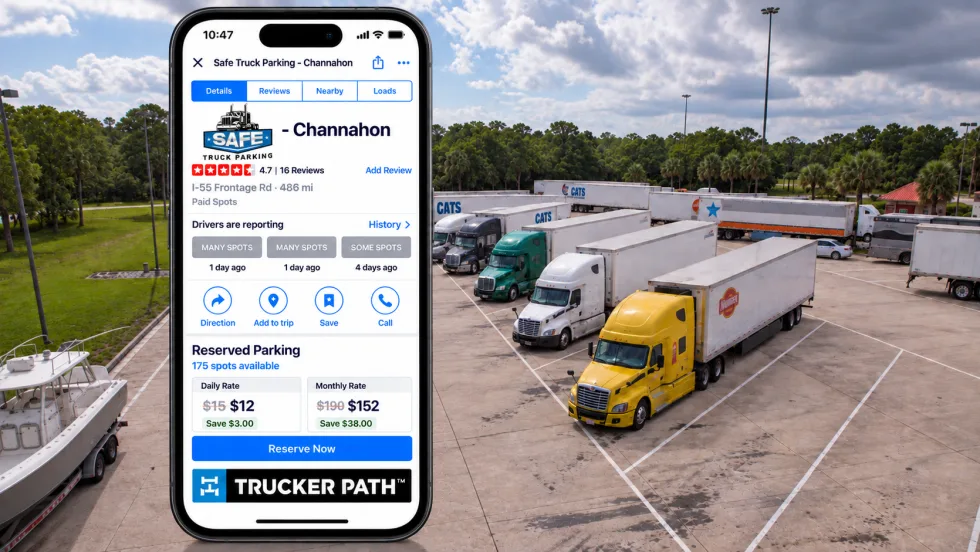
Trucker Path Expands Reserved Parking Network
Trucker Path has added close to 6,000 more truck parking spaces to its Trucker Path Reserved Parking Network with the addition of Safe Truck Parking.
Read More →
EEOC Sues Texas Trucking Company Over Driver Age Limits
The agency says Trancasa USA rejected applicants over 65 and applied tougher driving-record standards to those over 60.
Read More →
Nussbaum, Roehl Announce Second Driver Pay Increase This Year
This year has seen a swath of major truck driver pay increases as freight capacity has tightened.
Read More →
From One Generation to the Next: How Mentorship Builds Safer Truck Drivers
After three decades in trucking, Harold Perry shares what he's learned about driver safety, mentorship, and helping the next generation build confidence behind the wheel.
Read More →
Truck Drivers Need More Than Another Alert
Fleets have more visibility into truck health, safety events, and driver activity than ever. The next challenge is turning all that information into useful guidance for the person who has to decide what to do next.
Read More →
FMCSA Removes 110 Truck Driver Training Schools from Certified ELDT List
Federal regulators also are targeting more than 160 additional training providers and launching a nationwide audit of third-party CDL skills testers as part of a broader crackdown on trucking fraud.
Read More →
Hours of Service Pilot Programs: FMCSA Readies for 2027 Rollout
Two pilot programs could eventually reshape hours-of-service rules, giving truck drivers options to pause their 14-hour clock or use longer split sleeper rest periods.
Read More →