




Some Truckers Win, Others Lose In Pennsy Pike Strike; Strike Strains Beginning to Show
A strike by unionized Pennsylvania Turnpike toll takers and other workers continued through the Thanksgiving holiday weekend and into Monday
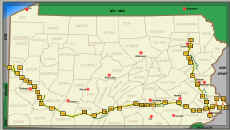
Map from the Pa. Turnpike web site at www.paturnpike.com.
A strike by unionized Pennsylvania Turnpike toll takers and other workers continued through the Thanksgiving holiday weekend and into Monday.
Teamster locals involved in the strike Sunday posted web site messages claiming slow progress and urging members to stay united. The Turnpike web site carried a stark message denying any progress at all and advising striking workers they could return to work under the terms of the old contract. The Turnpike said Friday it has hired 50 temporary workers and will hire more if the strike continues. The Turnpike employs 2,192 union workers and 446 management personnel. The strike is the first in the toll road's more than 60-year history.
Meanwhile, Turnpike managers continued collecting flat-rate tolls of $2 per car and $15 per truck regardless of distance traveled -- a bargain for big trucks crossing the state from New Jersey to Ohio, a trip that normally costs $140. However, there is no bargain for unionized carriers with contracts that forbid drivers from crossing picket lines. Rather than enjoying a bargain, those carriers have been forced to route trucks around the 531 overall miles of toll road, including the 359 east-west miles and a 110-mile extension runs from King of Prussia to Scranton.
"It stinks," Mark Watkins, a terminal manager for the Hess Trucking Co. in Harrisburg told the Pittsburgh Post-Gazette. "My real loss will be in driver productivity and time.” Most Turnpike alternates involve steep grades, two-lane roads and congestion, he explained.
According to some reports, some drivers are expensing posted tolls, paying the flat rate and hoping to pocket the difference.
At issue in the strike are wages, benefits and job security. According to some reports the Turnpike wants the contractual ability to lay off employees.
That’s probably due to the increasing popularity of E-ZPass. The Turnpike instituted E-ZPass automated toll collection on a limited basis in November of 2000, expanding E-ZPass to the entire system in December of 2001, though only for cars. E-ZPass was made available for trucks in December of 2002. As of that date two years ago, the roadway had already issued almost a quarter of a million E-ZPass tags.
The Pennsylvania Turnpike was the first major toll road in the U.S. and opened its first 160 mile section between the Harrisburg and Pittsburgh areas in 1940. The Turnpike serves approximately 61,090 commercial vehicles and 412,318 cars a day, according to 2002 figures.
More Drivers
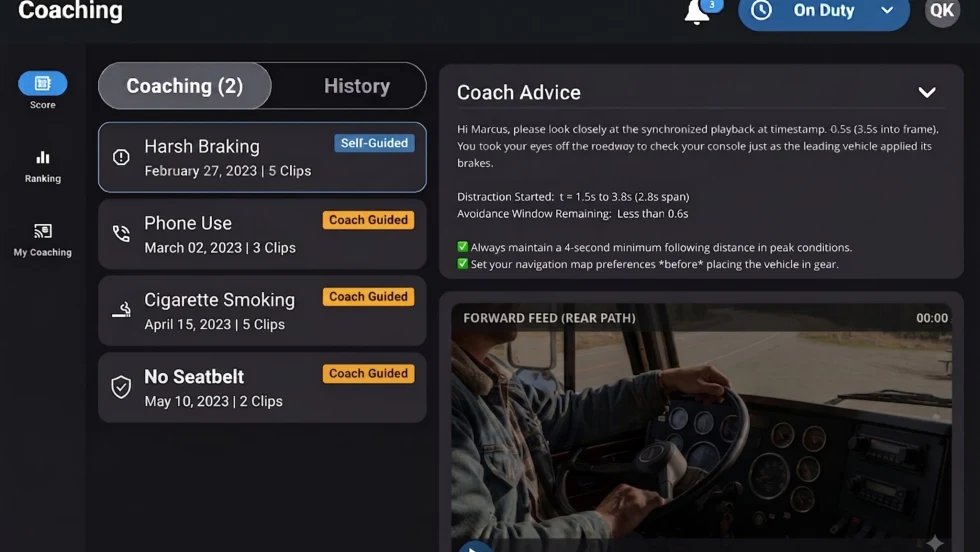
Platform Science Adds Dispatch and Safety Tools
Four additions to PS Fleet help fleets monitor loads, manage driver coaching, share truck locations and adjust video system settings.
Read More →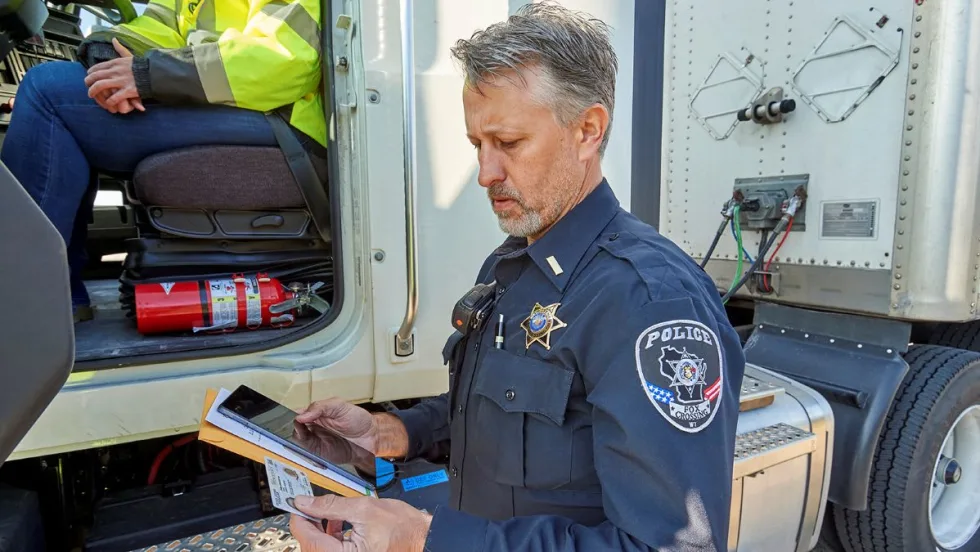
When Language Stops the Truck: The Return of ELP Out-of-Service Orders
English language proficiency rules for commercial drivers aren’t new, but renewed out-of-service enforcement has raised the stakes. Here’s what carriers need to know before a driver reaches a roadside inspection.
Read More →
Samsara Launches Custom AI Agent Builder
Agent Studio lets fleets create AI tools for hours-of-service monitoring, reporting and driver support, including agents that communicate by phone.
Read More →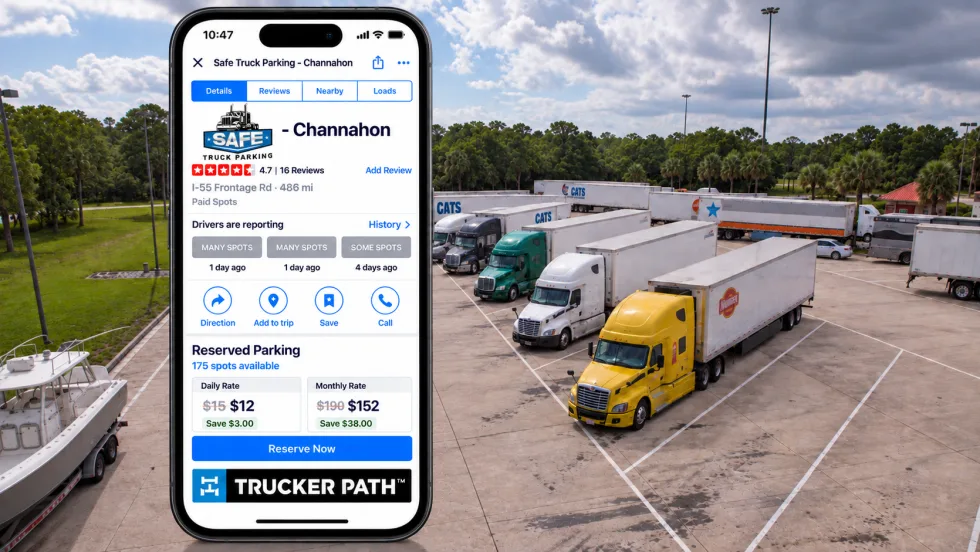
Trucker Path Expands Reserved Parking Network
Trucker Path has added close to 6,000 more truck parking spaces to its Trucker Path Reserved Parking Network with the addition of Safe Truck Parking.
Read More →
EEOC Sues Texas Trucking Company Over Driver Age Limits
The agency says Trancasa USA rejected applicants over 65 and applied tougher driving-record standards to those over 60.
Read More →
Nussbaum, Roehl Announce Second Driver Pay Increase This Year
This year has seen a swath of major truck driver pay increases as freight capacity has tightened.
Read More →
From One Generation to the Next: How Mentorship Builds Safer Truck Drivers
After three decades in trucking, Harold Perry shares what he's learned about driver safety, mentorship, and helping the next generation build confidence behind the wheel.
Read More →
Truck Drivers Need More Than Another Alert
Fleets have more visibility into truck health, safety events, and driver activity than ever. The next challenge is turning all that information into useful guidance for the person who has to decide what to do next.
Read More →
FMCSA Removes 110 Truck Driver Training Schools from Certified ELDT List
Federal regulators also are targeting more than 160 additional training providers and launching a nationwide audit of third-party CDL skills testers as part of a broader crackdown on trucking fraud.
Read More →
Hours of Service Pilot Programs: FMCSA Readies for 2027 Rollout
Two pilot programs could eventually reshape hours-of-service rules, giving truck drivers options to pause their 14-hour clock or use longer split sleeper rest periods.
Read More →