




Ryder: Soft Economy Slows Demand for Rental Trucks & Some Logistics Services
A decline in commercial truck rentals coupled with lower demand for logistics services held Ryder System second quarter revenues to $1.29 billion, down 2.9% from the same period last year
A decline in commercial truck rentals coupled with lower demand for logistics services held Ryder System second quarter revenues to $1.29 billion, down 2.9% from the same period last year.
Pre-tax earnings from continuing operations, before restructuring and other charges, were $40.1 million compared to $47 million in second quarter 2000. Net income, including $19.4 million in restructuring charges related mainly to downsizing, was $19.9 million compared to $29.6 million last year.
"Similar to so many other companies, Ryder’s revenue and profitability have been impacted by the economy," said President and CEO Gregory Swienton. "As a great number of our customers experience business downturns, Ryder has also been affected."
In its Fleet Management Solutions unit, full service lease and programmed maintenance revenue was up 1%, but was more than offset by a 10.6% decline in commercial rental revenue attributed to continued softness in the U.S. economy. Excluding fuel, revenue for the quarter was $685 million, down 2% from a year ago. Due to a reduction in fuel sales volume, fuel revenue decreased 6%. Contribution margin was $87.1 million, down 10.8% from second quarter 2000.
Ryder’s Supply Chain Solutions unit, which offers logistics services, posted second quarter revenues of $387.8 million, down 3.6% from the same period last year. Second quarter 2001 operating revenue (gross revenue less freight under management) was $281.1 million, down 3.8 percent from a year ago. Contribution margin was $16.2 million, compared with $17.8 million in the same quarter of 2000. The decrease was due primarily to volume reductions resulting from slowdowns in many industries in the U.S. and Latin America.
In the U.S., quarterly operating revenues from Supply Chain Solutions were up 19.9% in the electronics, high tech and telecommunications group; but volume was down in the automotive and consumer packaged goods sectors. International operating revenue was also down, attributable primarily to the continued decline in the economies of Argentina and Brazil, the sale of Ryder’s Brazilian outbound logistics business in the first quarter and the impact of exchange rate changes in the United Kingdom.
The economic downturn has had an uneven impact on Supply Chain Solutions, the company noted. For example, U.S. services-based revenue increased more than 2% in a quarterly comparison, while U.S. vehicle-based revenue decreased almost 5%. In general, services-based revenue reflects broader, more complex offerings such as network management and supplier logistics centers, while vehicle-based revenue reflects work performed in the manufacturing and industrial sectors, Ryder explained.
Second quarter revenues for Ryder's Dedicated Contract Carriage operations totaled $128.6 million, down 4% from a year ago. Contribution margin dollars increased to $14.5 million from $14.2 million last year. The increase was due mainly to reduced overhead spending.
More Drivers
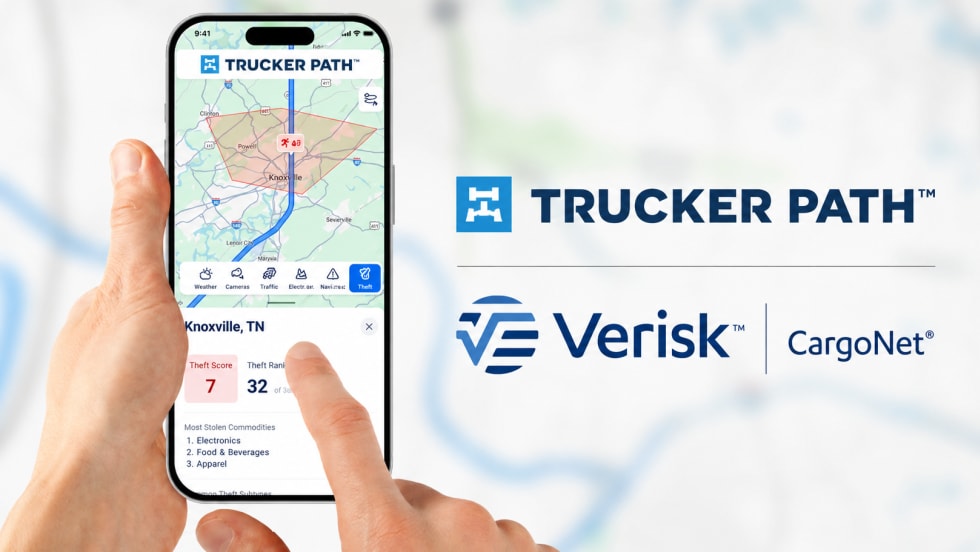
Trucker Path Adds Verisk CargoNet Theft Data to Navigation Platform
Trucker Path’s new cargo theft risk overlays give drivers and fleets visibility into high-risk areas, stolen commodity trends, and theft hotspots.
Read More →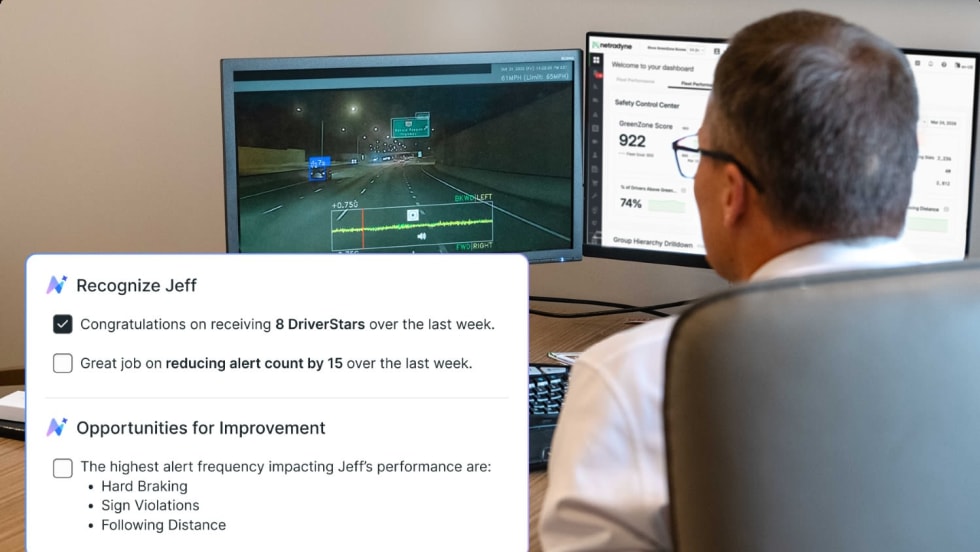
Netradyne Intelligence Uses New AI Agents to Automate Response to In-Cab Camera Data
The company called the next-generation in-cab camera safety platform "a fundamental shift from systems that report on what happened to systems that actively drive what should happen next."
Read More →
Why Truck Detention Keeps Costing Fleets Time and Money
A 2024 ATRI study found detention affects nearly 40% of truckload stops and costs the industry more than $15 billion annually. Despite the toll on drivers, fleets, and supply chains, the problem remains stubbornly persistent.
Read More →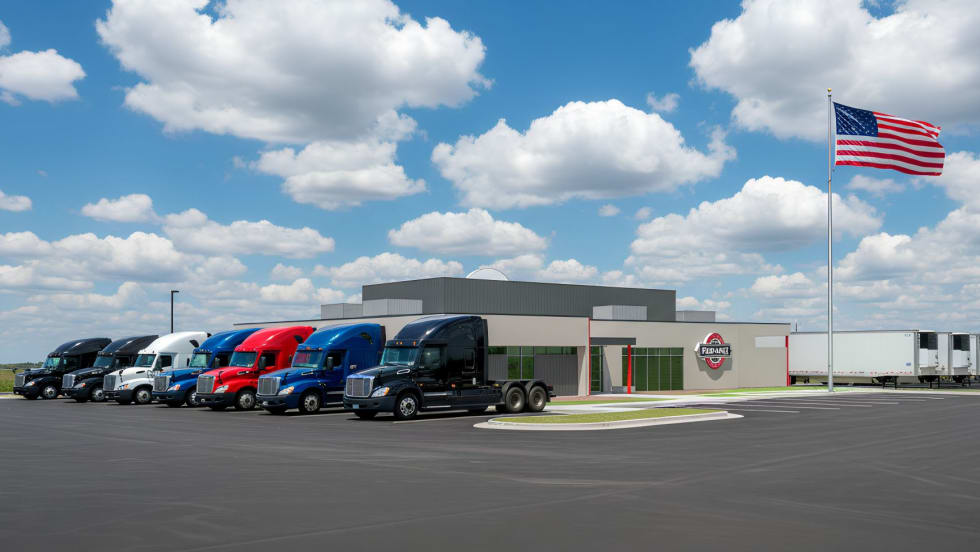
Prime Inc. to Open $7.9M Flagship Used-Truck Dealership
A new driver-focused facility to sell Prime Inc's used trucks and trailers will be the first purpose-built location in the company's history.
Read More →
Short Takes: Inside K&B’s Truck Safety Tech
Listen to learn how K&B Transportation uses cellphone-blocking technology, speed management systems, weather geofencing, bridge avoidance tools, and more to improve driver safety.
Read More →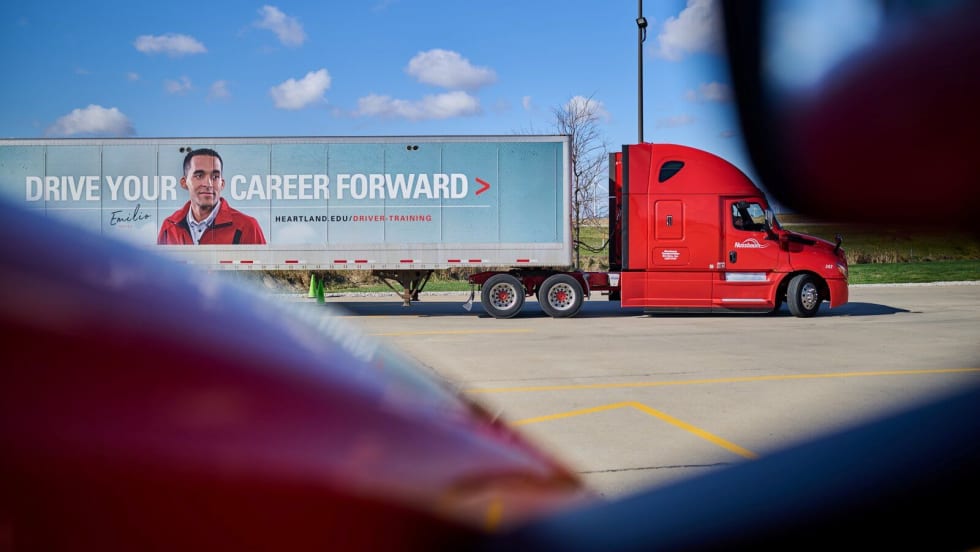
Nussbaum Expands Driver Compensation with Pay Raises, Profit Sharing
Nussbaum Transportation said its latest compensation package could push first-year driver earnings above $90,000 in key hiring markets.
Read More →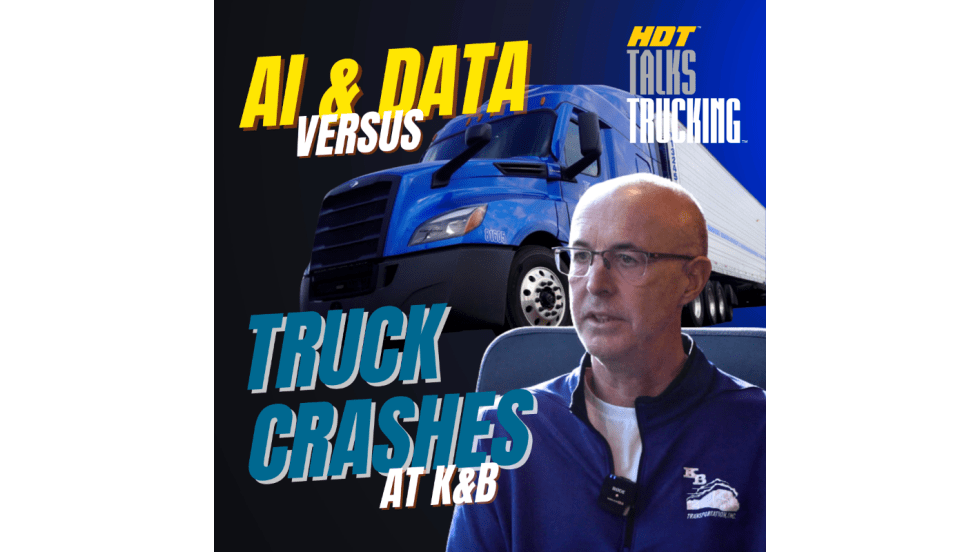
Listen: Inside Modern Fleet Safety: AI, Cameras & Speed Control at K&B Transportation
Fleet safety is evolving fast—and technology is at the center of it. Learn how a former commercial vehicle enforcement officer turned director of safety at K&B Transportation is embracing real-world safety technology.
Read More →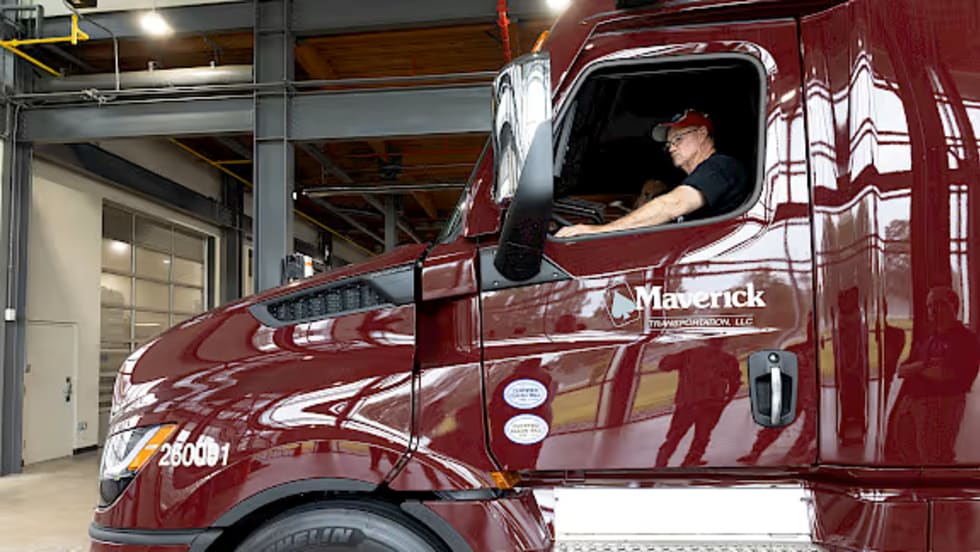
Maverick Announces 2026 Driver Pay Raises
New raises for Maverick Transportation drivers will take effect on May 31, 2026.
Read More →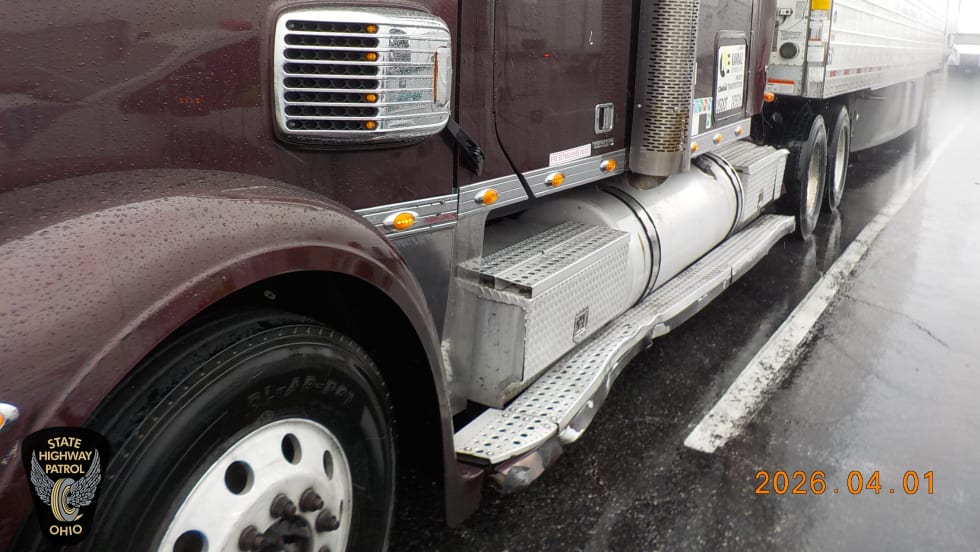
Illinois Trucker Indicted for Nearly $22,000 in Ohio Turnpike Toll Evasion
Authorities say an Illinois trucker avoided paying tolls for two years, and now faces felony charges, possible prison time, and forfeiture of his Freightliner tractor.
Read More →
New Trojan Driver Cargo Theft Scam Bypasses Carrier Vetting Systems
Cargo theft rings plant operatives as drivers inside legitimate, fully vetted carriers, then execute coordinated thefts that look like a traditional straight theft from the outside.
Read More →