




Rough Road Ahead For The NAFTA Superhighway
Little work has been done in the five years since Congress authorized Interstate 69, the so-called NAFTA Superhighway, a new interstate that would span the United States, linking Canada to Mexico
Little work has been done in the five years since Congress authorized Interstate 69, the so-called NAFTA Superhighway, a new interstate that would span the United States, linking Canada to Mexico.
The $8.5-billion project is expected to ease truck congestion while improving international access for U.S. goods, according to an Associated Press story.
But many roadblocks have occurred at the state level, where disputes have raged from Indiana to Texas about where to locate sections of the new highway.
Debate is likely to linger over whether the highway is needed and if Congress will follow through with funding.
Proponents say the interstate will make travel easier, spur economic growth along it and aid in the transportation of international goods. Opponents say the project costs too much and would destroy farmland and forestry.
The transportation department will ask Congress next year for $6.6 billion for Interstate 69 as part of reauthorization of the Transportation Equity Act for the 21st Century, said James Newland, executive director of the I-69 Mid-Continent Highway Coalition. The remaining funding would come from matched dollars by the individual states.
The interstate would go through Michigan, Indiana, Kentucky, Tennessee, Arkansas, Mississippi, Louisiana and Texas. It already exists from Canada, through Michigan, to Indianapolis.
"In a worldmarket, we need faster, efficient ways of getting our goods to market," said Rep. John Hostettler, a Republican who represents southern Indiana. "I think it's really an issue of fairness, and an issue of future economic stability."
Already, two transportation corridors that make up I-69 have received about $245 million in federal funds, in addition to funding from other appropriations and other states, according to the Mid-Continent Highway Coalition.
The new interstate is expected to link 10 urban areas with 50,000 or more people, save four hours in travel time between Indianapolis and the Mexican border and help control an increase in truck flow because of the 1993 North American Free Trade Agreement.
Divided into 32 sections for construction, it is possible they would not fully be linked until 2020, said James McDowell, a political science professor at Indiana State University.
The interstate is projected to create 27,000 jobs by 2025, resulting in $11 billion in additional wages, according to a government study.
But opponents question the quality of the jobs, saying any form of economic growth would be in the form of truckstops and sprawl. In Indiana alone, building the interstate could mean the loss of up to 682 acres of core forest habitat or 5,730 acres of prime farmland depending on the chosen route.
They also contend federal studies show it would primarily be used for local and regional travel.
"I think there are already north-south highways connecting the three countries," said John Moore, attorney for the Environmental Law and Policy Center in Chicago, who opposes it for budget and environmental reasons. "I think that budget concerns and environmental concerns are more important. There are already roads that can get you from A to B."
McDowell said an argument could be made that I-69 is "not absolutely necessary" but support remains strong -- especially among many politicians and business leaders.
An I-69 caucus of congressional heavy hitters like House Majority Whip Tom Delay of Texas and Senate Republican leader Trent Lott of Mississippi support the project. The interstate would go through the Lower Mississippi Delta Region and the Lower Rio Grande Valley in Texas -- two regions backers say could only be helped by the interstate.
More Drivers
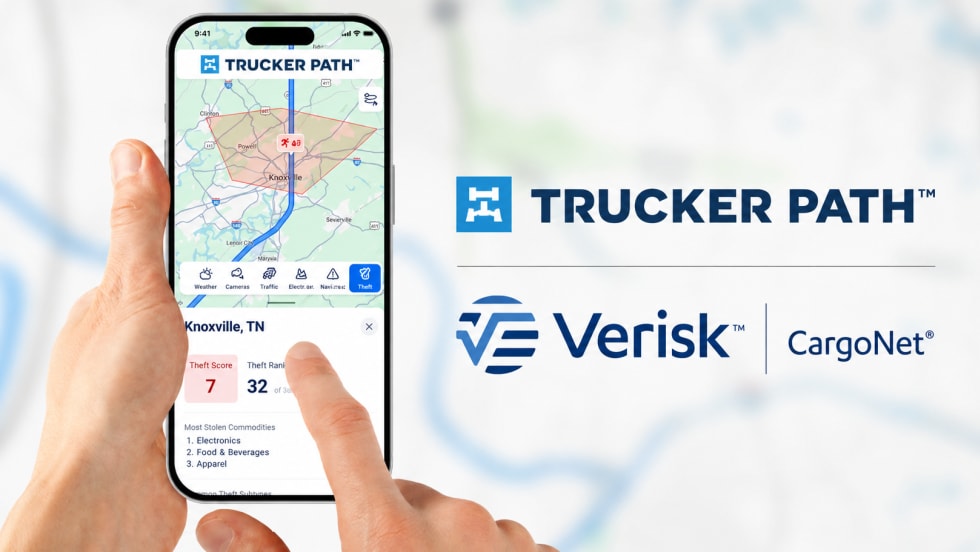
Trucker Path Adds Verisk CargoNet Theft Data to Navigation Platform
Trucker Path’s new cargo theft risk overlays give drivers and fleets visibility into high-risk areas, stolen commodity trends, and theft hotspots.
Read More →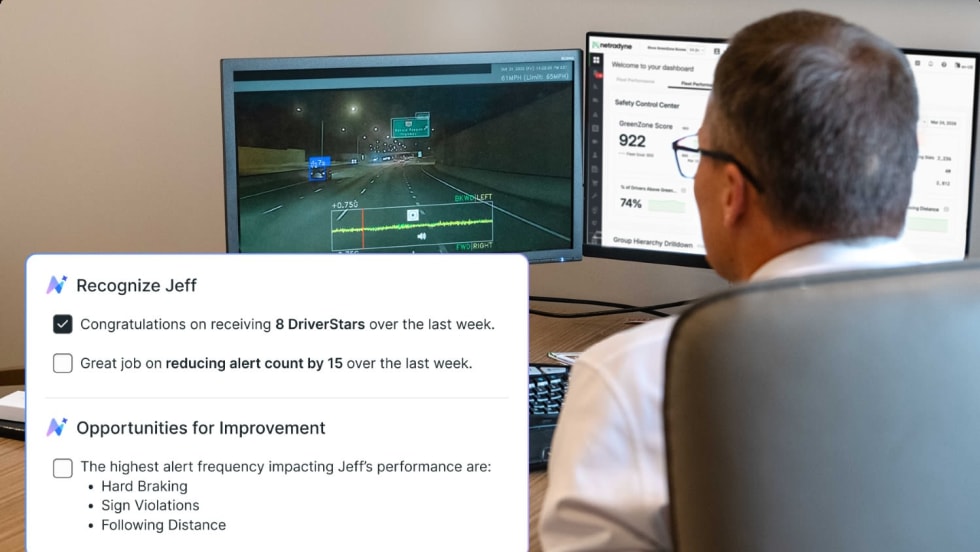
Netradyne Intelligence Uses New AI Agents to Automate Response to In-Cab Camera Data
The company called the next-generation in-cab camera safety platform "a fundamental shift from systems that report on what happened to systems that actively drive what should happen next."
Read More →
Why Truck Detention Keeps Costing Fleets Time and Money
A 2024 ATRI study found detention affects nearly 40% of truckload stops and costs the industry more than $15 billion annually. Despite the toll on drivers, fleets, and supply chains, the problem remains stubbornly persistent.
Read More →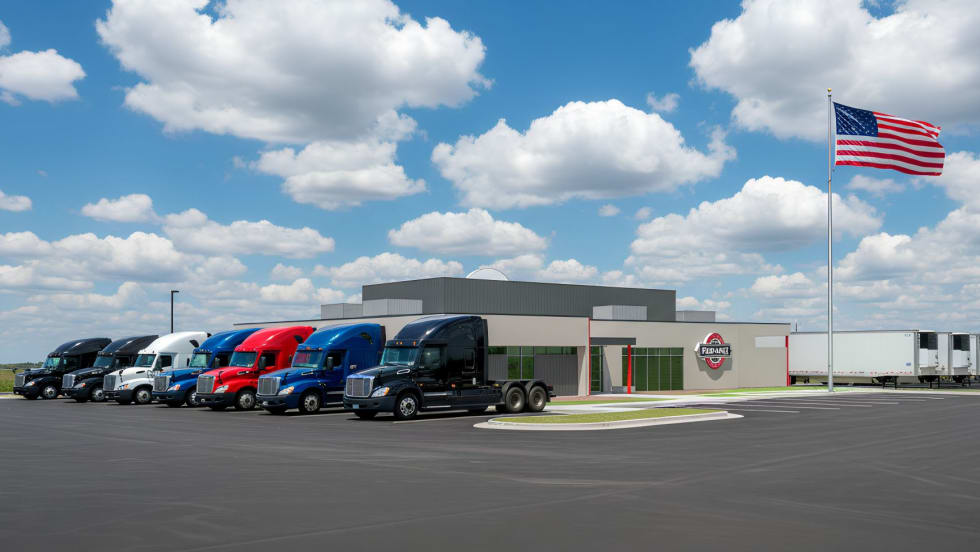
Prime Inc. to Open $7.9M Flagship Used-Truck Dealership
A new driver-focused facility to sell Prime Inc's used trucks and trailers will be the first purpose-built location in the company's history.
Read More →
Short Takes: Inside K&B’s Truck Safety Tech
Listen to learn how K&B Transportation uses cellphone-blocking technology, speed management systems, weather geofencing, bridge avoidance tools, and more to improve driver safety.
Read More →
Nussbaum Expands Driver Compensation with Pay Raises, Profit Sharing
Nussbaum Transportation said its latest compensation package could push first-year driver earnings above $90,000 in key hiring markets.
Read More →
Listen: Inside Modern Fleet Safety: AI, Cameras & Speed Control at K&B Transportation
Fleet safety is evolving fast—and technology is at the center of it. Learn how a former commercial vehicle enforcement officer turned director of safety at K&B Transportation is embracing real-world safety technology.
Read More →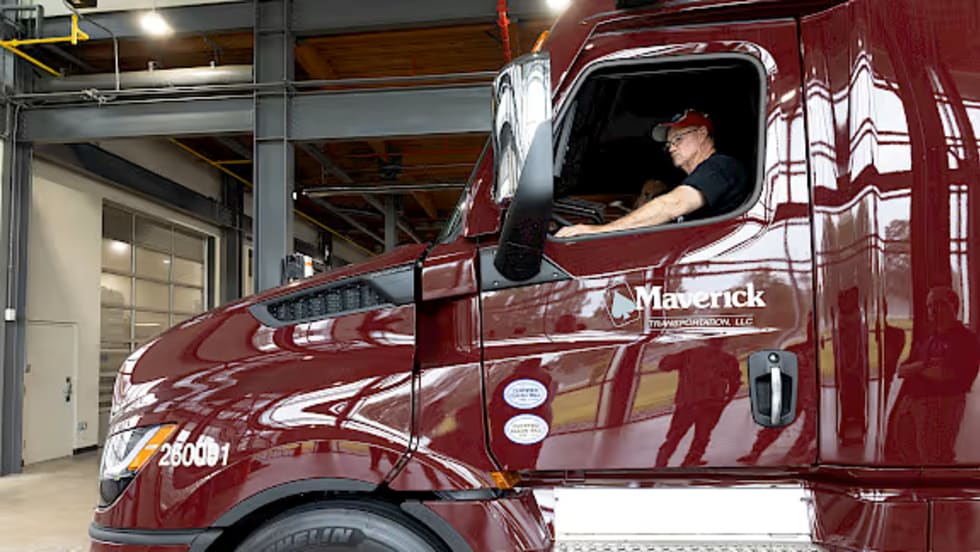
Maverick Announces 2026 Driver Pay Raises
New raises for Maverick Transportation drivers will take effect on May 31, 2026.
Read More →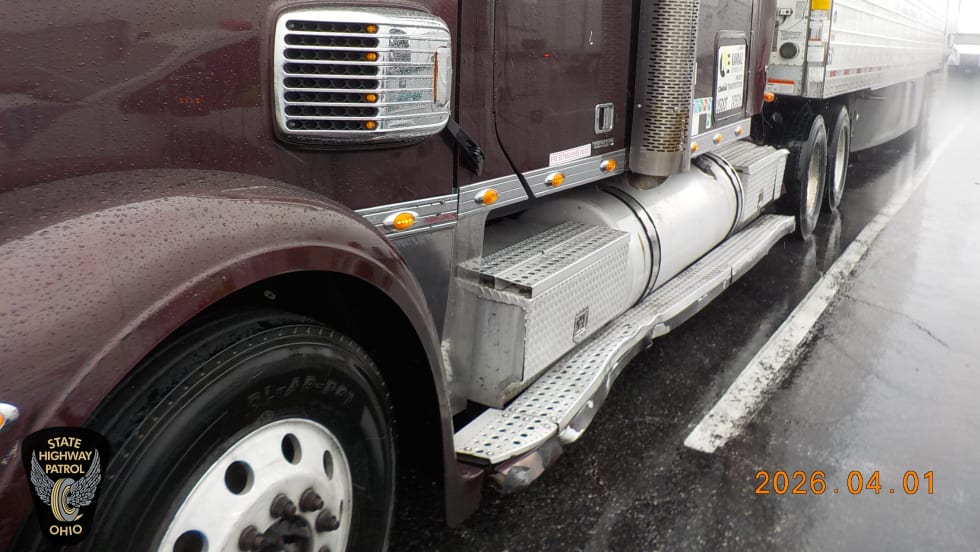
Illinois Trucker Indicted for Nearly $22,000 in Ohio Turnpike Toll Evasion
Authorities say an Illinois trucker avoided paying tolls for two years, and now faces felony charges, possible prison time, and forfeiture of his Freightliner tractor.
Read More →
New Trojan Driver Cargo Theft Scam Bypasses Carrier Vetting Systems
Cargo theft rings plant operatives as drivers inside legitimate, fully vetted carriers, then execute coordinated thefts that look like a traditional straight theft from the outside.
Read More →