




Poll Finds Americans Sympathetic to Weight Limit Increase -- IF it Helps Economy, Safety
The majority of Americans favor raising truck weight limits, according to a survey by the Coalition for Transportation Productivity - if such an increase would contribute to improvements in safety, fuel economy and congestio
The majority of Americans favor raising truck weight limits, according to a survey by the Coalition for Transportation Productivity - if such an increase would contribute to improvements in safety, fuel economy and congestion
.
The survey found that more than half of Americans surveyed support allowing trucks with proper safeguards to carry more weight on U.S. interstates as a way to make roads safer, reduce environmental impact and strengthen the economy.
Such truck weight reform is outlined in The Safe and Efficient Transportation Act of 2009, sponsored by Reps. Michael Michaud (D-Maine) and Jean Schmidt (R-Ohio). The legislation would give states the option of increasing their interstate vehicle weight limit to 97,000 pounds for trucks equipped with a sixth axle.
The Coalition for Transportation Productivity is a group of more than 100 companies and associations, consisting largely of shippers, agricultural and forestry groups, as well as the National Private Truck Council and the Agricultural Transportation Efficiency Coalition.
"Americans solidly back the same truck weight reform proposed by H.R. 1799 - providing strong support for Congress to responsibly raise the federal vehicle weight limit," said John Runyan, co-chair of the coalition. "With truck traffic already increasing 11 times faster than road capacity and freight expected to double by 2025, H.R. 1799 would make sure America's shipping needs are met in a way that improves highway safety and reduces our carbon footprint."
The survey also found that 66 percent would be more likely to support the legislation if trucks add an extra axle after learning that additional axles would make the tractor-trailers safer and better for road surfaces. Those surveyed were also more likely to favor increasing weight limits when considering the positive impact on the environment. Sixty-three percent said they would support the legislation if it would reduce carbon emissions and fuel consumption.
However, the Owner-Operator Independent Drivers Association, which is against the move to raise the weight limit, questioned the validity of the survey results.
"The conclusion announced by the coalition is a far stretch considering the suggestive nature of the survey questions," said OOIDA spokesperson Norita Taylor. "The wording in the questions make a false claim of safety, forcing the respondent to give an answer assuming the claim is true. Therefore, this cannot be considered a valid survey by any means since the questions were not straightforward."
An example of one of the questions: "Considering the state of our economy, if it could be demonstrated that a reasonable increase in the truck weight limit could contribute to safer roads, greater fuel economy and more productive highway transportation by enabling companies to consolidate loads and deliver products with fewer trucks, would you favor or oppose higher weight limits for properly outfitted tractor-trailers?"
Using live operator telephone calls, pollster Wilson Research Strategies surveyed 1,000 American adults from June 16-22, 2009. The sample was stratified to be demographically and geographically representative of the national adult population.
More info: www.transportationproductivity.org.
For more on the issue, see "Trailer Report" in the June issue of Heavy Duty Trucking magazine.
More Drivers

Driver Trust Can Make or Break the Success of Fleet Safety Technology
New Teletrac Navman research suggests that onboarding, transparency about driver data, and positive feedback can play a significant role in how commercial drivers respond to safety and coaching technology.
Read More →
EEOC Sues KLLM Over Alleged Sex Discrimination in Driver Training
KLLM is facing a federal sex-discrimination lawsuit over policies the EEOC alleges put female truck driver trainees at a disadvantage.
Read More →
FMCSA Moves to Codify English Language Requirements for Commercial Drivers
By changing regulations on English-language proficiency requirements for commercial drivers, rather than relying on a guidance memo, the FMCSA said future administrations won't be able to walk back the Trump administration's stricter enforcement with just a memo.
Read More →
Drivers Put Western Star Trucks to the Test at Star Nation Experience
Watch to get an inside look at the Western Star trucks, technology, and community behind the Star Nation Experience 2026!
Read More →
Trump Administration Looks to Put More Veterans Behind the Wheel
The Freedom Haulers program pulls together existing and expanded programs at several federal agencies to recruit veterans to drive commercial heavy-duty trucks and cut the red tape for them to get a CDL, training, and employment.
Read More →
Putting Mack’s Command Steer to the Test
A test drive of Mack’s Command Steer active steering system evaluates how it can make truck driving easier and less tiring.
Read More →
Competition Heating Up for Truck Drivers
New report reveals rising driver hiring costs, the return of sign-on bonuses, growing AI advantages, and the operational factors shaping driver retention.
Read More →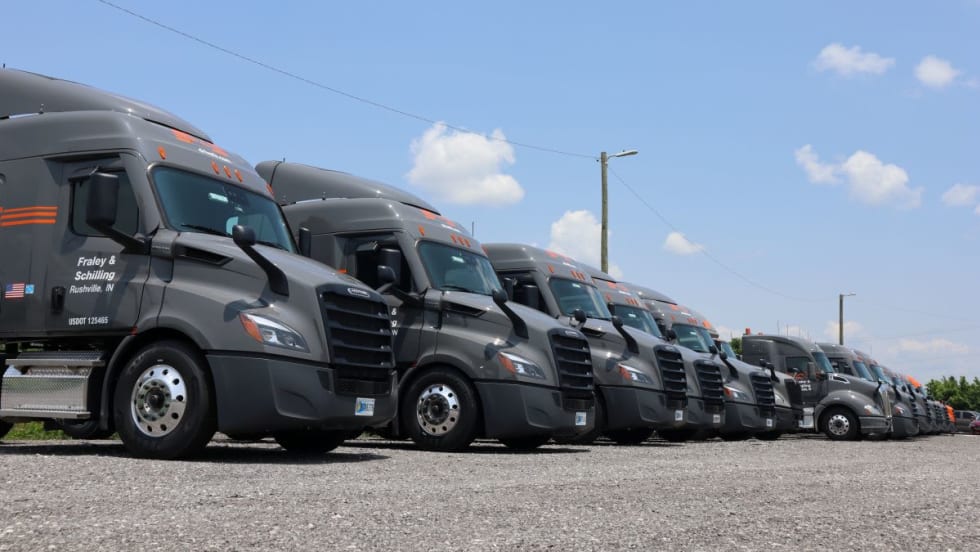
How Fraley & Schilling Improved Logbook Compliance by Over 50%
Fraley & Schilling needed a way to close a compliance workflow gap in its ELD system without adding more work from driver training, reminders, and back-office follow-ups. It found the answer in a custom driver app.
Read More →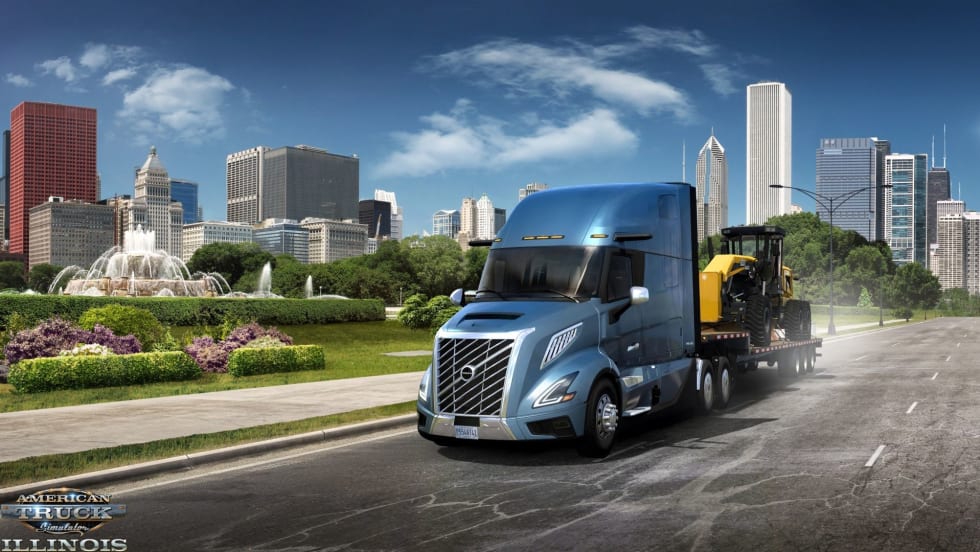
Volvo Goes Gaming
Volvo has roared into American Truck Simulator with two new flagship trucks.
Read More →
What the Best Fleets to Drive For Teach About Driver Retention
Survey fatigue, AI-powered routing, owner-operator expectations, and the decline of social media all emerged as themes from this year's Best Fleets to Drive For program.
Read More →