




Point of No Return
Oregon's old McKenzie Highway between Sisters and McKenzie Bridge is a scenic route frequently used by campers and tourists during the summer months. But for drivers carrying a long load, this 35-mile stretch of Oregon 242 is a nightmare
Oregon's old McKenzie Highway between Sisters and McKenzie Bridge is a scenic route frequently used by campers and tourists during the summer months. But for drivers carrying a long load, this 35-mile stretch of Oregon 242 is a nightmare.
It's steep and narrow, has poor alignment and numerous switchbacks. That's why it's off limits to commercial vehicles.
Nevertheless, truckers have more than once ventured onto the highway come to a point of no return and put themselves and other motorists in danger.
"There is no way to keep a tractor and trailer on the road safely and at the same time deal with oncoming traffic," said Jerry Page, operations engineer for the Oregon Department of Transportation's District 10.
Shortly after the highway opened last spring, Oregon State Police cited three truck drivers for traversing the highway. Several years ago, a truck traveling the mountain pass tipped over and pinned a camper against a rock bluff. One section of the highway has vertical rock walls right next to the road and the pavement width is only 20 feet.
"Almost every driver that gets caught up there says the same thing. Once they get started, there's no way to turn around. So they have to keep going," Page said.
To keep trucks off the road, Page developed a system to tell truckers the highway is off limits. He calls it the McKenzie Truck Turnaround Project.
"I know what truck drivers are up against," added Page, who drove a million miles in a big rig during the 1970s. "A lot of times they don't have a choice. Dispatchers tell them which route to take."
Page is using standard traffic loops, similar to those used at traffic signals, to provide truck drivers an opportunity to turnaround before it's too late. The loops are embedded in the pavement and spaced a certain distance apart. The first set of loops detects a long load and sends a recorded message to Channel 17 on the CB. The message explains that a long load has been detected and tells the driver about a turnaround site located a mile ahead.
A second set of loops, located about 100 feet beyond the turnaround, triggers a camera that sends an image to the OSP Dispatch Center in Bend. The camera gives OSP confirmation that a truck tripped the system before they dispatch an officer. The set of loops also activates three pagers, one at the Sisters weigh station, one at the dispatch center, and the other at the Deschutes County Sheriffs Station in Sisters.
The intent of the system is to have the majority of trucks turn around after the first set of loops, thereby eliminating the need for the second set.
Installing the device presented several challenges. Page had to use solar panels since there is no electricity along this section of highway. Power generated from the solar panels is sent to large batteries that run the recorded message and activates flashing lights located on a sign near the turnaround.
An old logging road connection, developed with ODOT personnel and materials, serves as the turnaround. It is located near the snow gate used for closing the highway during the winter. Several signs displaying a "Last Chance Turnaround - 35 Foot Length Limit Ahead" message also are located along the route.
If truckers use the old McKenzie Highway, they can be fined more than $400. When Motor Carrier Enforcement personnel discover a trucker on the highway, they make certain the vehicle is parked safely off the road. It is then up to the driver to find transportation into town and hire certified flaggers and a pilot car to get the rig turned around and out of the area.
More Drivers
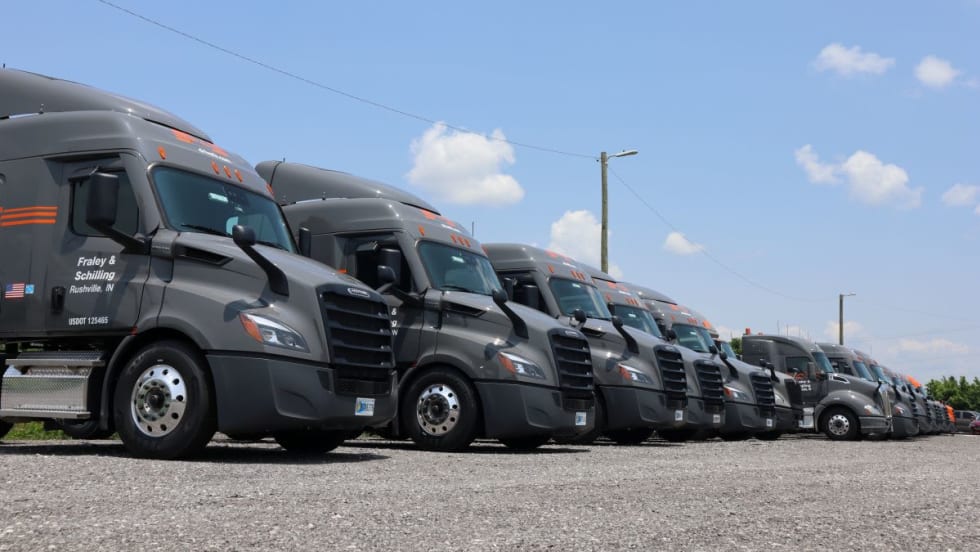
How Fraley & Schilling Improved Logbook Compliance by Over 50%
Fraley & Schilling needed a way to close a compliance workflow gap in its ELD system without adding more work from driver training, reminders, and back-office follow-ups. It found the answer in a custom driver app.
Read More →
Volvo Goes Gaming
Volvo has roared into American Truck Simulator with two new flagship trucks.
Read More →
What the Best Fleets to Drive For Teach About Driver Retention
Survey fatigue, AI-powered routing, owner-operator expectations, and the decline of social media all emerged as themes from this year's Best Fleets to Drive For program.
Read More →
Driver Retention Lessons From the Best Fleets to Drive For
What separates trucking's best workplaces from the rest? Jane Jazrawy shares the biggest lessons from this year's Best Fleets to Drive For program on driver retention, communication, AI, and workforce trends on the HDT Talks Trucking podcast.
Read More →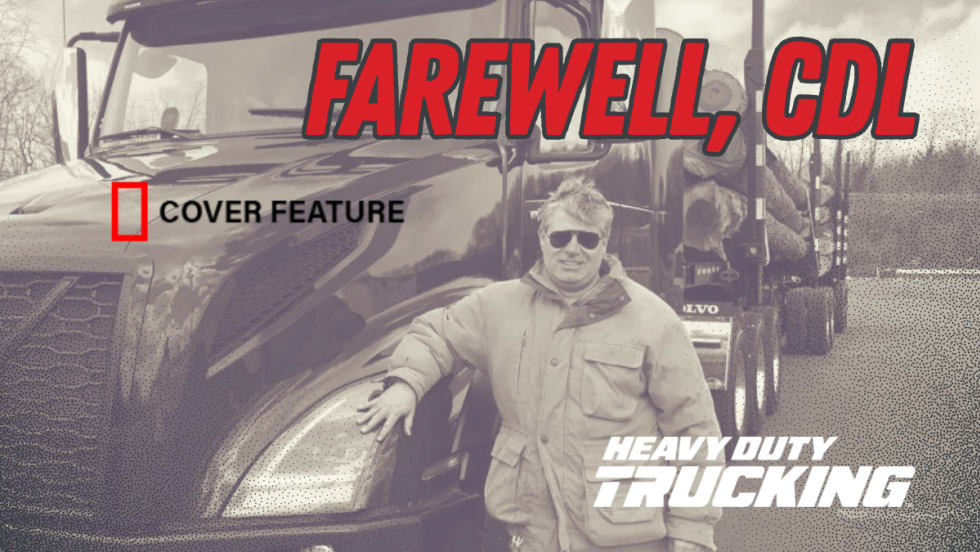
Farewell, CDL: Why I'm Giving Up My Commercial Driver's License
After more than 20 years as a CDL holder, HDT Executive Editor Jack Roberts is letting his commercial license expire. Not because he wants to — but because trucking's nuclear verdict crisis has made the risks of public-road test drives too great for editors, manufacturers, and everyone involved.
Read More →
How Top Trucking Fleets Improve Driver Retention [Video]
What do healthy snacks, optimized routing, and just picking up the phone have in common? They're all strategies the Best Fleets to Drive For are using to retain truck drivers.
Read More →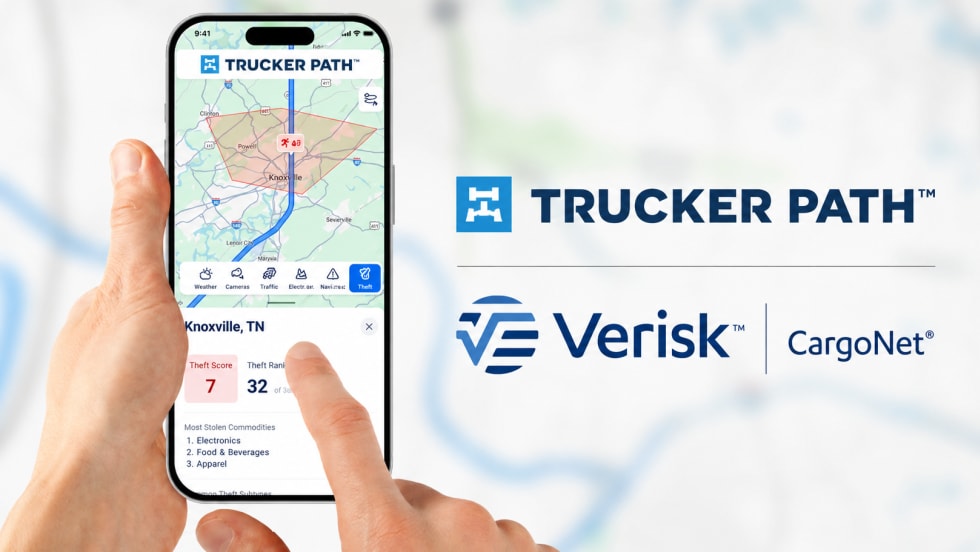
Trucker Path Adds Verisk CargoNet Theft Data to Navigation Platform
Trucker Path’s new cargo theft risk overlays give drivers and fleets visibility into high-risk areas, stolen commodity trends, and theft hotspots.
Read More →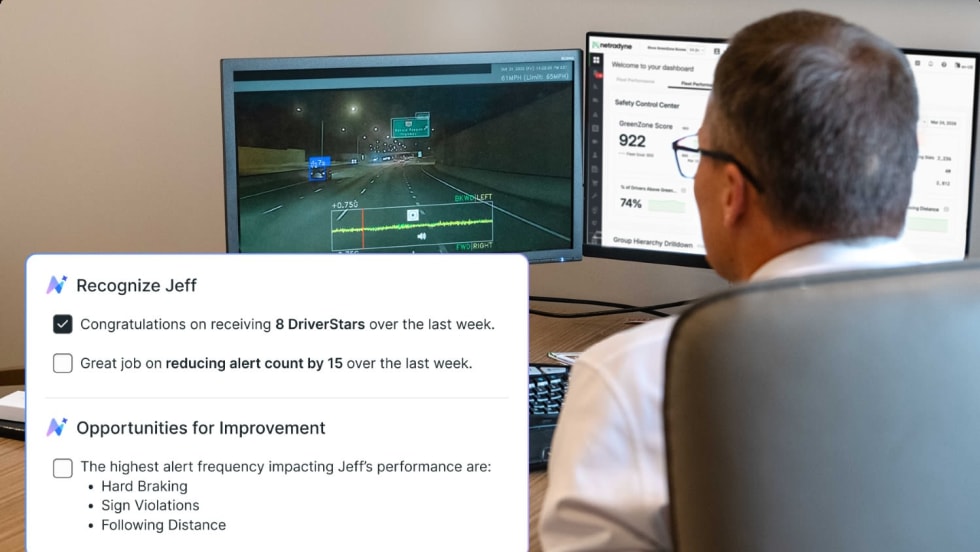
Netradyne Intelligence Uses New AI Agents to Automate Response to In-Cab Camera Data
The company called the next-generation in-cab camera safety platform "a fundamental shift from systems that report on what happened to systems that actively drive what should happen next."
Read More →
Why Truck Detention Keeps Costing Fleets Time and Money
A 2024 ATRI study found detention affects nearly 40% of truckload stops and costs the industry more than $15 billion annually. Despite the toll on drivers, fleets, and supply chains, the problem remains stubbornly persistent.
Read More →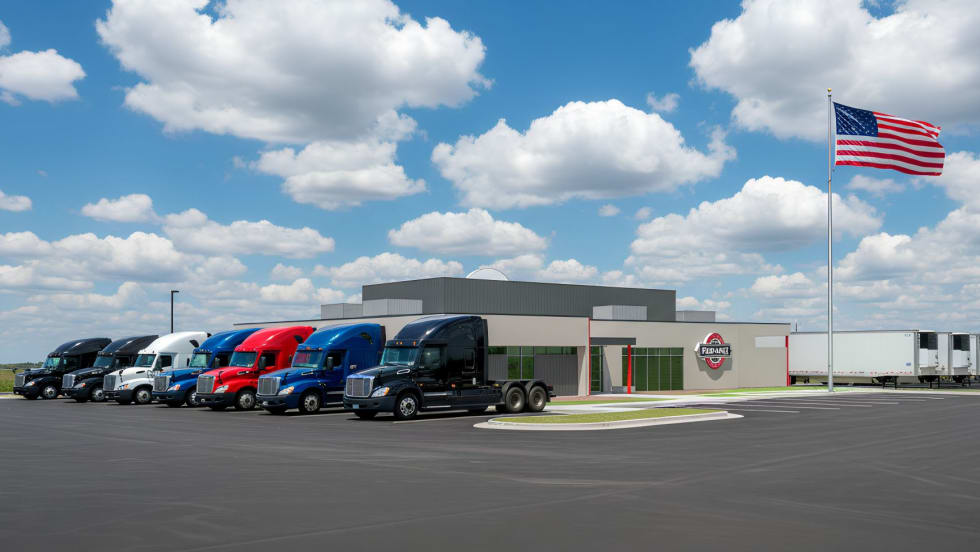
Prime Inc. to Open $7.9M Flagship Used-Truck Dealership
A new driver-focused facility to sell Prime Inc's used trucks and trailers will be the first purpose-built location in the company's history.
Read More →