




Oil Prices: How High Can They Go?
Crude oil hit a record $126 on the New York Mercantile Exchange Friday, almost double the price of a year ago, and analysts disagreed sharply last week on where oil prices are headed in the future
Crude oil hit a record $126 on the New York Mercantile Exchange Friday, almost double the price of a year ago, and analysts disagreed sharply last week on where oil prices are headed in the future.
Goldman Sachs predicted early last week that crude prices could soar to $150-$200 a barrel as non-OPEC producers struggle to maintain output, let alone increase it. (The firm predicted three years ago that oil prices would break through $100 - a prediction that came true in January of this year, and then some.)
"We believe the current energy crisis may be coming to a head, as a lack of adequate supply growth is becoming apparent and resulting in needed demand rationing in the OECD areas in particular the United States," the Goldman Sachs analysts wrote in the report dated May 5.
However, a Lehman Brothers analyst begs to differ, saying in a report released Friday that oil prices will fall as low as $80 next year as world demand drops, and Saudi Arabia tries to impress whoever the incoming president by pumping more crude oil.
Several big projects in Saudi Arabia could boost the nation's output by 1.3 million barrels a day, more than the expected increase in global demand next year. Other factors that could change next year are the fact that the Chinese will no longer be stockpiling oil in advance of the Olympics, and an estimated 28 million barrels Iran is storing in tankers could find a market willing to deal with the difficult-to-refine crude.
Meanwhile, OPEC continues to say it does not see a shortage of oil, and would pump more if it were needed. The group's secretary-general, Adbullah al-Badri, said in a statement Thursday that the 13-member Organization of the Petroleum Exporting Countries holds more than 3 million barrels per day of spare production capacity for use if needed. "There is clearly no shortage of oil in the market," the statement quoted him as saying.
And a survey of oil and gas executives by KPMG's Global Energy Institute found that most of them think the price of oil will drop significantly by the end of the year - to below $100.
In this year's KPMG survey, which polled 372 financial executives from oil and gas companies in April 2008, 55 percent of the respondents think that the price-per-barrel of crude oil will drop below $100 by the end of the year. Twenty-one percent think that the price will close between $101 and $110; 15 percent think between $111 and $120; and nine percent believe it will close at above $120. And, while 44 percent felt that prices would peak by the end of the year, a further 39 percent thought that they would not peak until after 2010.
"The combination of traders moving resources into commodities and the weak dollar has had a significant role in the surge in pricing in recent weeks," said Bill Kimble, executive director for KPMG's Global Energy Institute. "However, in addition, there are underlying, issues in the energy industry, such as escalating energy demand in emerging markets and declining oil reserves, which will continue to contribute to upward pricing pressure for years to come."
Despite the fact that the majority of executives questioned expect the price of oil to fall below $100 a barrel, 44 percent plan to increase their upstream capital spending by more than 10 percent over the next year, an increase of nine percent over last year. Twenty-six percent say that investment will increase by up to ten percent, and increase of ten percent over last year. Only five percent anticipate a decrease in investment in the coming year.
More Drivers

Hours of Service Pilot Programs: FMCSA Readies for 2027 Rollout
Two pilot programs could eventually reshape hours-of-service rules, giving truck drivers options to pause their 14-hour clock or use longer split sleeper rest periods.
Read More →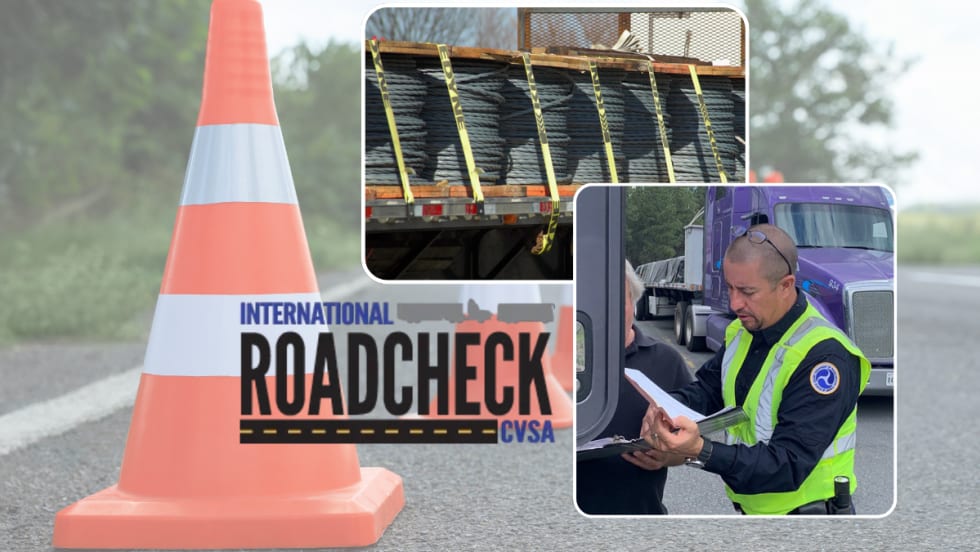
Medical Cards, English Proficiency Reshape Roadcheck Violations
Medical-card violations jumped to the top of the driver out-of-service list during CVSA’s 2026 International Roadcheck, while English-language proficiency violations appeared among the leading violations for the first time.
Read More →
Driver Trust Can Make or Break the Success of Fleet Safety Technology
New Teletrac Navman research suggests that onboarding, transparency about driver data, and positive feedback can play a significant role in how commercial drivers respond to safety and coaching technology.
Read More →
EEOC Sues KLLM Over Alleged Sex Discrimination in Driver Training
KLLM is facing a federal sex-discrimination lawsuit over policies the EEOC alleges put female truck driver trainees at a disadvantage.
Read More →
FMCSA Moves to Codify English Language Requirements for Commercial Drivers
By changing regulations on English-language proficiency requirements for commercial drivers, rather than relying on a guidance memo, the FMCSA said future administrations won't be able to walk back the Trump administration's stricter enforcement with just a memo.
Read More →
Drivers Put Western Star Trucks to the Test at Star Nation Experience
Watch to get an inside look at the Western Star trucks, technology, and community behind the Star Nation Experience 2026!
Read More →
Trump Administration Looks to Put More Veterans Behind the Wheel
The Freedom Haulers program pulls together existing and expanded programs at several federal agencies to recruit veterans to drive commercial heavy-duty trucks and cut the red tape for them to get a CDL, training, and employment.
Read More →
Putting Mack’s Command Steer to the Test
A test drive of Mack’s Command Steer active steering system evaluates how it can make truck driving easier and less tiring.
Read More →
Competition Heating Up for Truck Drivers
New report reveals rising driver hiring costs, the return of sign-on bonuses, growing AI advantages, and the operational factors shaping driver retention.
Read More →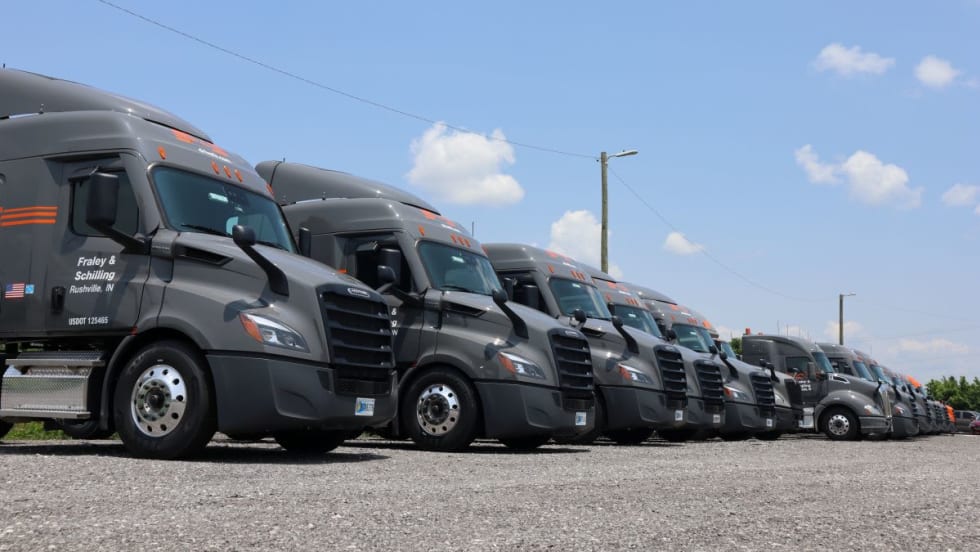
How Fraley & Schilling Improved Logbook Compliance by Over 50%
Fraley & Schilling needed a way to close a compliance workflow gap in its ELD system without adding more work from driver training, reminders, and back-office follow-ups. It found the answer in a custom driver app.
Read More →