




New Report Calls For Infrastructure Funding Through VMT
A new report by Rand Corporation suggests the pending reauthorization of the federal transportation bill should look at more direct ways to fund the U.S. transportation system, such as charging drivers directly for the miles they travel
A new report by Rand Corporation suggests the pending reauthorization of the federal transportation bill should look at more direct ways to fund the U.S. transportation system, such as charging drivers directly for the miles they travel.
"Failure to raise fuel taxes in recent years to keep pace with inflation and improved fuel economy has created significant transportation funding shortfalls at the federal and state levels," said Paul Sorensen, lead author of the report and an operations researcher at Rand, a nonprofit research organization.
The report, "Implementable Strategies for Shifting to Direct Usage-Based Charges for Transportation Funding," focused on the strengths and limitations of alternate mechanisms for adopting mileage-based road use fees. The report was requested by the American Association of State Highway and Transportation Officials and prepared for the National Cooperative Highway Research Program of the Transportation Research Board, a division of the National Research Council.
"The prospect of more fuel-efficient conventional vehicles and alternative-fuel vehicles in the coming decades-though clearly beneficial in terms of the environment and energy security-threatens to make funding challenges worse," Sorensen said. "Shifting from fuel taxes to mileage-based road use fees would help to overcome this problem, and there are several promising options for implementing such a shift."
The report found that the motivations for transitioning to a system based on vehicle miles traveled fees--to raise revenue and address additional policy goals--are strong.
Rand researchers explored several options for calculating VMT by drivers. The most promising options include estimating mileage based on fuel consumption; metering mileage based on a device that combines cellular service and a connection to an on-board diagnostics port; and metering mileage based on a device featuring a global positioning system receiver. Systems that rely on self-reported odometer readings or annual odometer inspections were found to be unreliable and too difficult or expensive to administer and enforce.
According to the report, real-world trials of these options could be funded now, to determine which system ultimately will have the best combination of accuracy, cost-effectiveness and ease of implementation.
But Martin Wachs, director of the Transportation, Space, and Technology Program at Rand, said another major concern for policymakers will be privacy issues.
"Even though people's movements can now be tracked to some extent through their cellular phone records, law enforcement officials often need a court order to access that data," Wachs said. "Consumers will be understandably concerned about on-board devices tracking their vehicle's position and movement, and will want safeguards as to what kinds of data are recorded and who has access to that information."
Liisa Ecola, another co-author of the report, said that there is no guarantee that instituting fees based on vehicle miles traveled will be any less controversial than increasing fuel taxes. Also, the collection of VMT fees will likely be more costly and more burdensome than the collection of fuel taxes.
"However, it's clear that the present system isn't working and fees based on vehicle miles traveled, if properly implemented, could result not only in more money to support the nation's transportation system, but also spread the cost burden in a more fair and equitable way," Ecola said.
To download the full Rand report, click here.
More Drivers
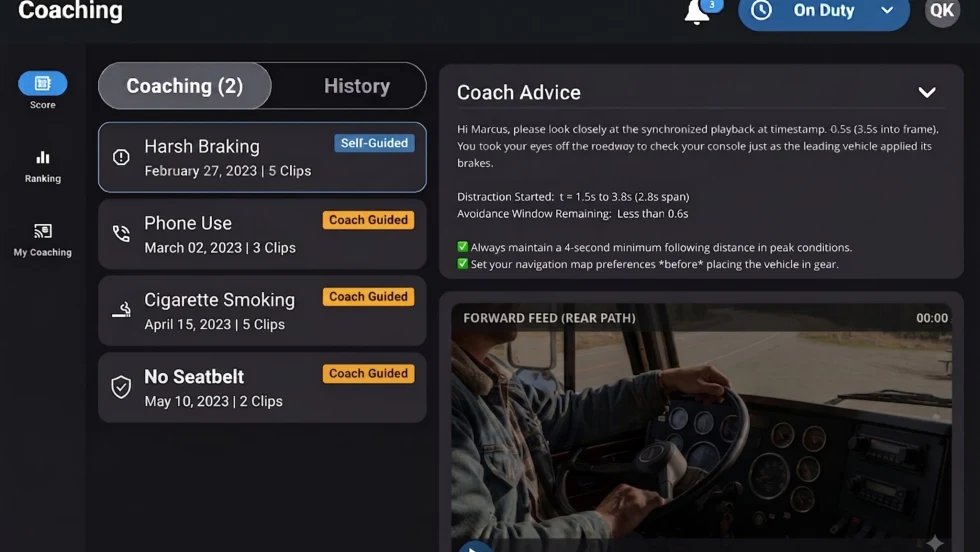
Platform Science Adds Dispatch and Safety Tools
Four additions to PS Fleet help fleets monitor loads, manage driver coaching, share truck locations and adjust video system settings.
Read More →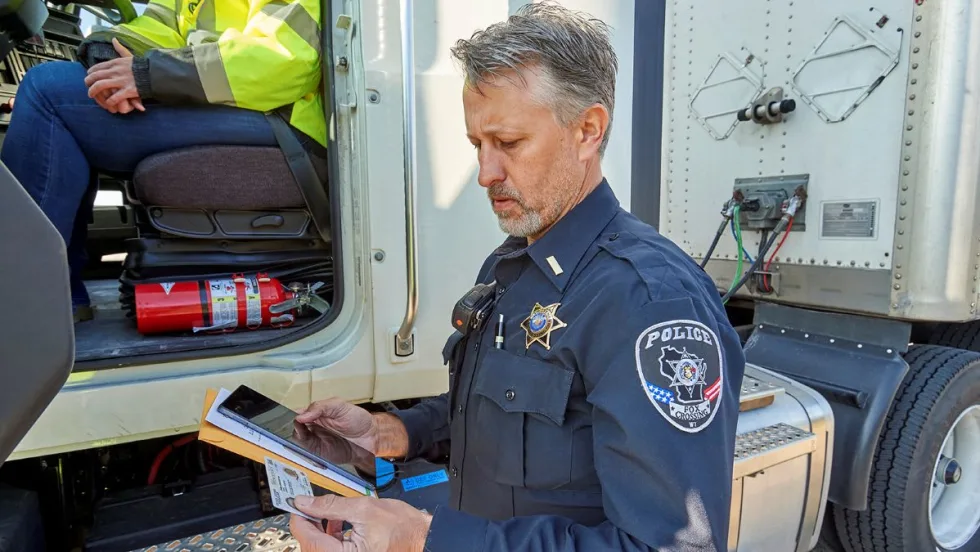
When Language Stops the Truck: The Return of ELP Out-of-Service Orders
English language proficiency rules for commercial drivers aren’t new, but renewed out-of-service enforcement has raised the stakes. Here’s what carriers need to know before a driver reaches a roadside inspection.
Read More →
Samsara Launches Custom AI Agent Builder
Agent Studio lets fleets create AI tools for hours-of-service monitoring, reporting and driver support, including agents that communicate by phone.
Read More →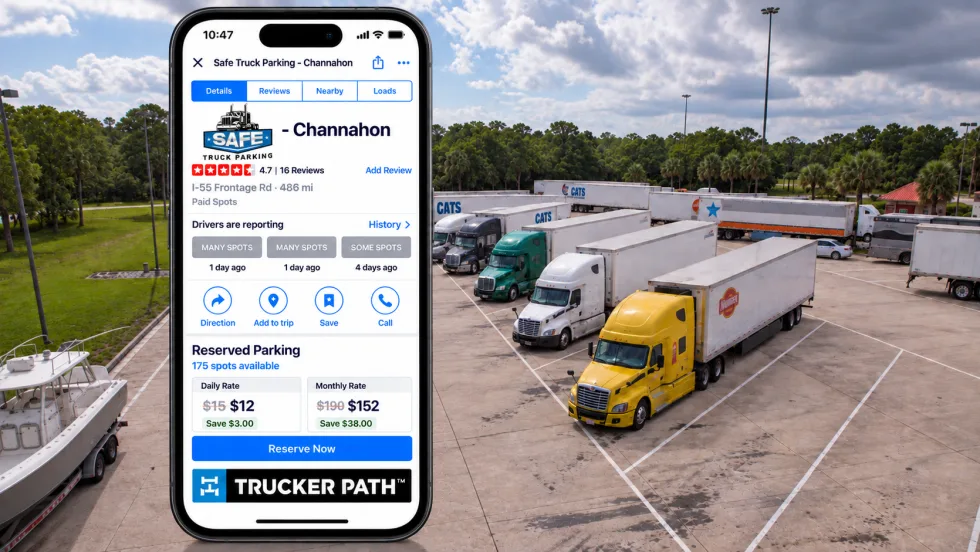
Trucker Path Expands Reserved Parking Network
Trucker Path has added close to 6,000 more truck parking spaces to its Trucker Path Reserved Parking Network with the addition of Safe Truck Parking.
Read More →
EEOC Sues Texas Trucking Company Over Driver Age Limits
The agency says Trancasa USA rejected applicants over 65 and applied tougher driving-record standards to those over 60.
Read More →
Nussbaum, Roehl Announce Second Driver Pay Increase This Year
This year has seen a swath of major truck driver pay increases as freight capacity has tightened.
Read More →
From One Generation to the Next: How Mentorship Builds Safer Truck Drivers
After three decades in trucking, Harold Perry shares what he's learned about driver safety, mentorship, and helping the next generation build confidence behind the wheel.
Read More →
Truck Drivers Need More Than Another Alert
Fleets have more visibility into truck health, safety events, and driver activity than ever. The next challenge is turning all that information into useful guidance for the person who has to decide what to do next.
Read More →
FMCSA Removes 110 Truck Driver Training Schools from Certified ELDT List
Federal regulators also are targeting more than 160 additional training providers and launching a nationwide audit of third-party CDL skills testers as part of a broader crackdown on trucking fraud.
Read More →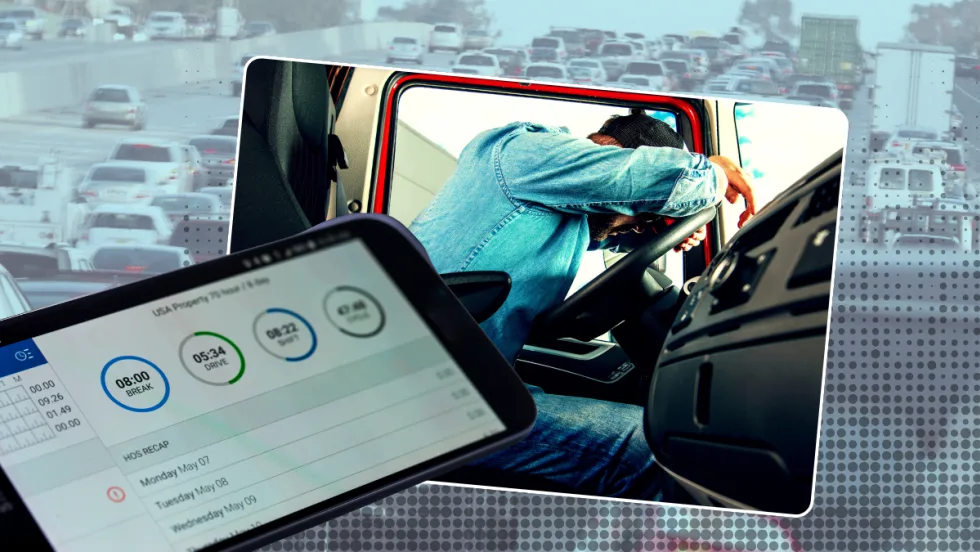
Hours of Service Pilot Programs: FMCSA Readies for 2027 Rollout
Two pilot programs could eventually reshape hours-of-service rules, giving truck drivers options to pause their 14-hour clock or use longer split sleeper rest periods.
Read More →