




New Jersey Truck Ban Grows Wider
The New Jersey Department of Transportation has moved to further restrict big, interstate trucks in the state. Under some circumstances, the agency now wants 102-inch-wide trucks, standard since the 1980s, limited to what it calls the “National Network” of highways even if those trucks are domiciled in the state. The DOT has issued the necessary proposed rule change and will accept written comments until October 18
The New Jersey Department of Transportation has moved to further restrict big, interstate trucks in the state.
Under some circumstances, the agency now wants 102-inch-wide trucks, standard since the 1980s, limited to what it calls the “National Network” of highways even if those trucks are domiciled in the state. The DOT has issued the necessary proposed rule change and will accept written comments until October 18.
The American Trucking Associations has sued New Jersey over the initial ban, instituted last year, which it claims unlawfully restricts interstate commerce. Most of the affected truck traffic is being forced off traditional truck routes such as Routes 1 and 130 and onto the New Jersey Turnpike, a toll road.
Until now, the New Jersey Motor Truck Association has remained on the sidelines because its members were exempted under the ban. But the new proposal cuts into the exemption, and that could turn the association into an active opponent of the ban.
New Jersey Motor Truck Association President Sam Cunninghame would only say that the proposed rule "narrows our original understanding with the state." The association has asked the DOT to ease the ban on four-lane, divided highways such as Routes 1, 130 and 17, all of which are traditional interstate truck routes, Cunninghame said.
According to some sources, the new DOT initiative resulted from a May accident in which a truck New Jersey-based truck hauling garbage from Massachusetts to Pennsylvania crashed into a video store on Route 179 in Lambertville, killing a 54-year-old woman. The truck ban has been championed by the Tri-State Transportation Group, a New York-based coalition of activist organizations, which has gained the cooperation of many New Jersey politicians.
The group has also asked that local police be allowed to enforce the ban. Enforcement is currently limited to the state police. Cunninghame said that in some instances, local departments have already issued tickets to out-of-state trucks. However, he said, local police are still not authorized to enforce the DOT rule.
Local enforcement could lead to trucks being stopped in every local jurisdiction along a particular highway. That would cause delays even for state-based fleets.
The new proposed rule change would carefully define the term "trip" in DOT regulations. The result would restrict New Jersey-based trucks on runs between two out-of-state points. A New Jersey-based truck picking up in New York City, for example, would be forced onto the New Jersey Turnpike with a load to Philadelphia. It would only be allowed on the restricted highways on its way to or from its actual domicile.
Due to the state’s small size and proximity to major metropolitan areas, many New Jersey-based fleets haul between out-of-state points and would be made subject to the ban. In most cases, they would be forced to pay tolls on the New Jersey Turnpike.
Details of the proposed ban and other information can be found on the Web at: www.state.nj.us/transportation/truck/index.html.
More Drivers
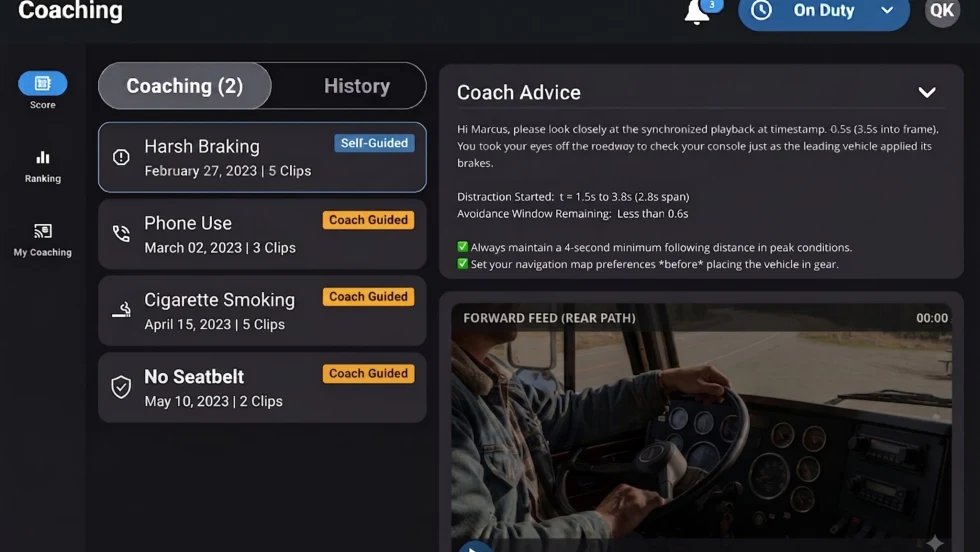
Platform Science Adds Dispatch and Safety Tools
Four additions to PS Fleet help fleets monitor loads, manage driver coaching, share truck locations and adjust video system settings.
Read More →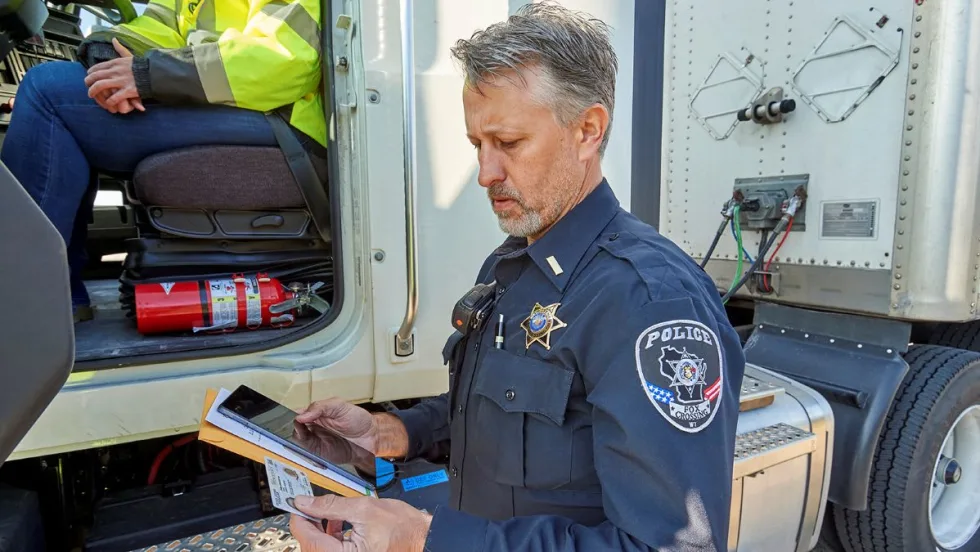
When Language Stops the Truck: The Return of ELP Out-of-Service Orders
English language proficiency rules for commercial drivers aren’t new, but renewed out-of-service enforcement has raised the stakes. Here’s what carriers need to know before a driver reaches a roadside inspection.
Read More →
Samsara Launches Custom AI Agent Builder
Agent Studio lets fleets create AI tools for hours-of-service monitoring, reporting and driver support, including agents that communicate by phone.
Read More →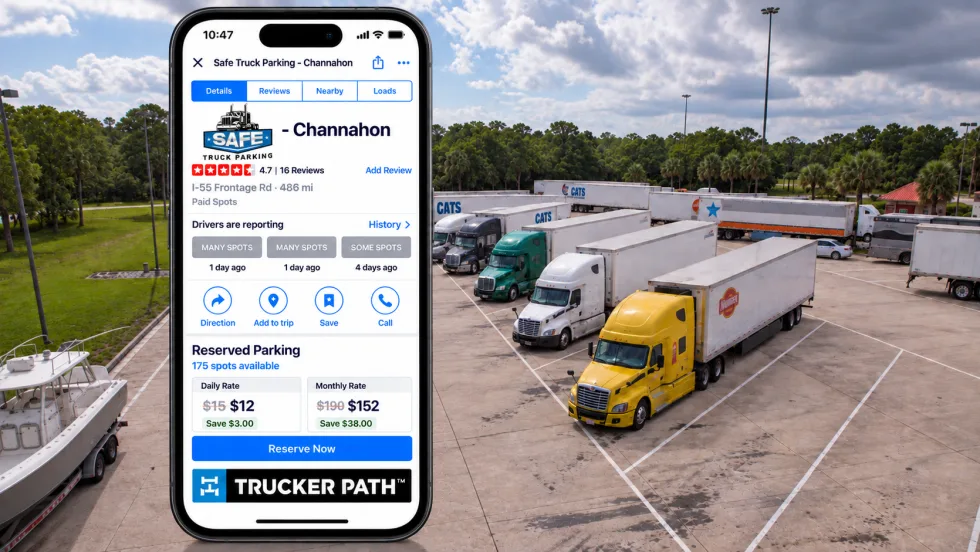
Trucker Path Expands Reserved Parking Network
Trucker Path has added close to 6,000 more truck parking spaces to its Trucker Path Reserved Parking Network with the addition of Safe Truck Parking.
Read More →
EEOC Sues Texas Trucking Company Over Driver Age Limits
The agency says Trancasa USA rejected applicants over 65 and applied tougher driving-record standards to those over 60.
Read More →
Nussbaum, Roehl Announce Second Driver Pay Increase This Year
This year has seen a swath of major truck driver pay increases as freight capacity has tightened.
Read More →
From One Generation to the Next: How Mentorship Builds Safer Truck Drivers
After three decades in trucking, Harold Perry shares what he's learned about driver safety, mentorship, and helping the next generation build confidence behind the wheel.
Read More →
Truck Drivers Need More Than Another Alert
Fleets have more visibility into truck health, safety events, and driver activity than ever. The next challenge is turning all that information into useful guidance for the person who has to decide what to do next.
Read More →
FMCSA Removes 110 Truck Driver Training Schools from Certified ELDT List
Federal regulators also are targeting more than 160 additional training providers and launching a nationwide audit of third-party CDL skills testers as part of a broader crackdown on trucking fraud.
Read More →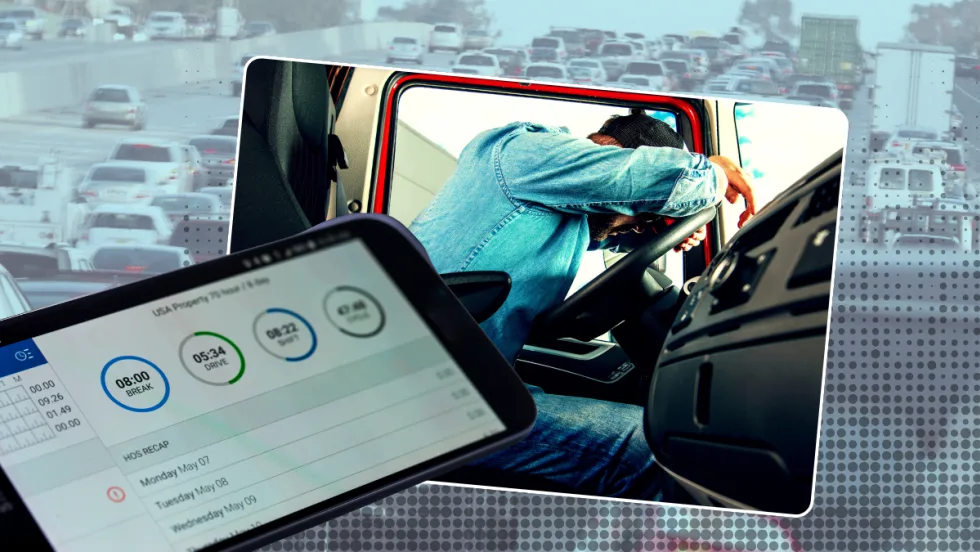
Hours of Service Pilot Programs: FMCSA Readies for 2027 Rollout
Two pilot programs could eventually reshape hours-of-service rules, giving truck drivers options to pause their 14-hour clock or use longer split sleeper rest periods.
Read More →