




LTL Carriers Like Hours Of Service The Way They Are
The current hours of service regulations work just fine for less-than-truckload carriers, and do not need to be changed, says Tim Lynch, president and CEO of the Motor Freight Carriers Assn. In fact, changing the rules could be damaging to the economy, he says
The current hours of service regulations work just fine for less-than-truckload carriers, and do not need to be changed, says Tim Lynch, president and CEO of the Motor Freight Carriers Assn. In fact, changing the rules could be damaging to the economy, he says.
“We will push to retain the rules,” Lynch said in remarks at a press luncheon in Washington, D.C. His organization represents the six biggest unionized LTL carriers in the country, including Roadway Express and Consolidated Freightways.
The Department of Transportation is supposed to publish proposed changes in the 65-year-old rules this year.
Lynch views the pending rule change as an issue of national economic significance. The rules define how trucks operate, and since trucks move 80% of the nation’s freight, a reduction in trucking productivity triggered by a change in the rules could be damaging to the economy.
Lynch said he intends to raise the issue with Federal Reserve Chairman Alan Greenspan and U.S. Chamber of Commerce President Tom Donohue, as well as with shipper organizations such as the National Industrial Transportation League and the National Small Shipments Traffic Conference.
There are days when LTL companies need 15 hours of on-duty time in order to deliver the freight and get drivers home, he explained. They are able to work safely with that rule: MFCA member companies have a driver out-of-service rate of .84% -- almost 90% better than the industry rate.
Lynch acknowledged that the 15-hour requirement puts MFCA at odds with the American Trucking Associations, which is proposing a 14-hour on-duty rule.
That out-of-service performance also gives Lynch reason to reject the use of onboard recorders to track driver hours. Recorders would do nothing to improve MFCA drivers’ compliance, he points out. Neither would they save any money by cutting back on paperwork, he said.
He also gave notice that MFCA will oppose changes in driver pay methods. DOT is laying the groundwork for a study of the impact of mileage pay on truck safety – some say it pressures drivers to exceed their limits. But from Lynch’s perspective, the change is not needed.
Teamster drivers are the safest in the industry, and they are paid by the mile, he said.
More Drivers
How Top Trucking Fleets Improve Driver Retention [Video]
What do healthy snacks, optimized routing, and just picking up the phone have in common? They're all strategies the Best Fleets to Drive For are using to retain truck drivers.
Read More →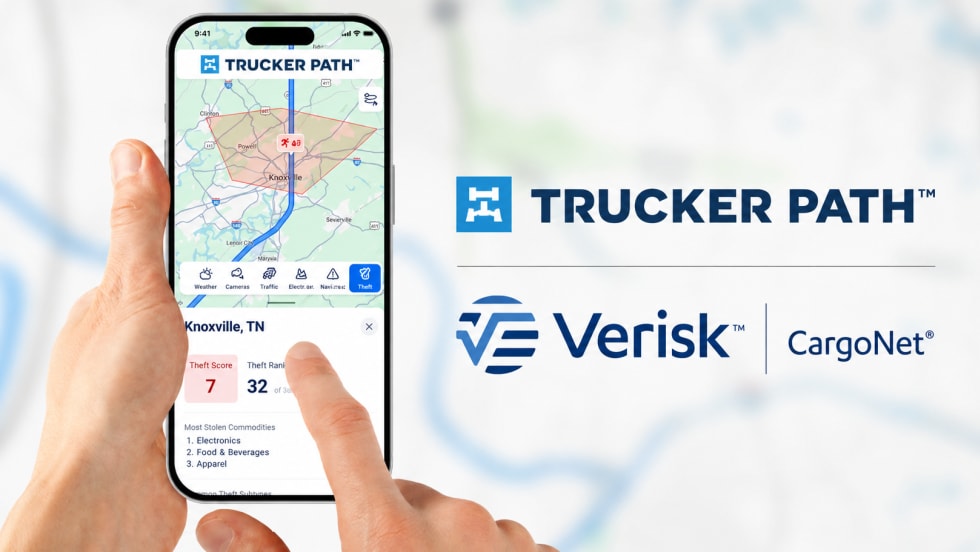
Trucker Path Adds Verisk CargoNet Theft Data to Navigation Platform
Trucker Path’s new cargo theft risk overlays give drivers and fleets visibility into high-risk areas, stolen commodity trends, and theft hotspots.
Read More →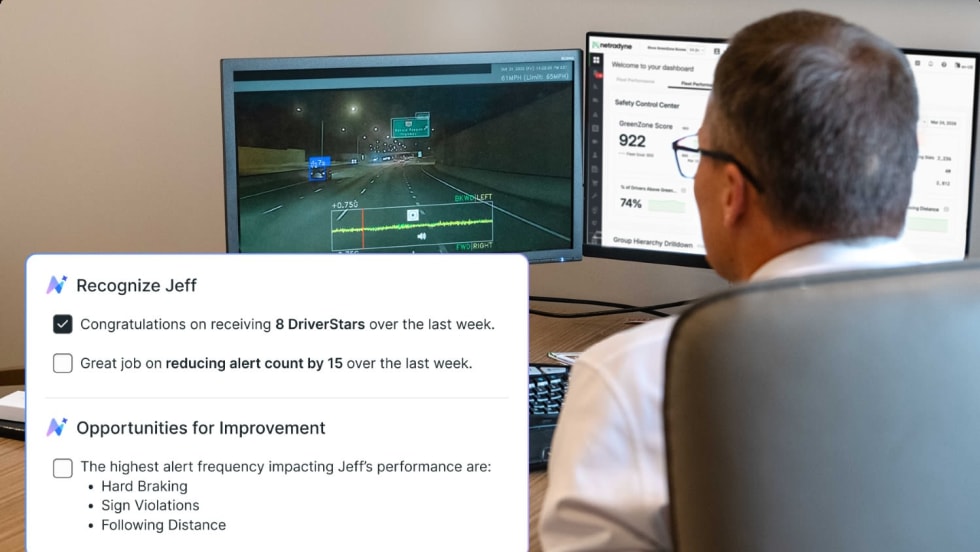
Netradyne Intelligence Uses New AI Agents to Automate Response to In-Cab Camera Data
The company called the next-generation in-cab camera safety platform "a fundamental shift from systems that report on what happened to systems that actively drive what should happen next."
Read More →
Why Truck Detention Keeps Costing Fleets Time and Money
A 2024 ATRI study found detention affects nearly 40% of truckload stops and costs the industry more than $15 billion annually. Despite the toll on drivers, fleets, and supply chains, the problem remains stubbornly persistent.
Read More →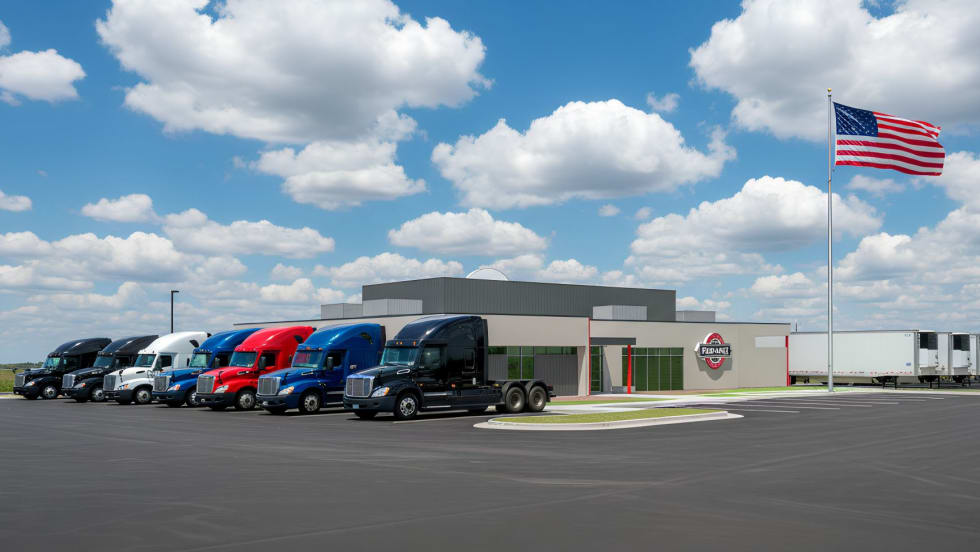
Prime Inc. to Open $7.9M Flagship Used-Truck Dealership
A new driver-focused facility to sell Prime Inc's used trucks and trailers will be the first purpose-built location in the company's history.
Read More →
Short Takes: Inside K&B’s Truck Safety Tech
Listen to learn how K&B Transportation uses cellphone-blocking technology, speed management systems, weather geofencing, bridge avoidance tools, and more to improve driver safety.
Read More →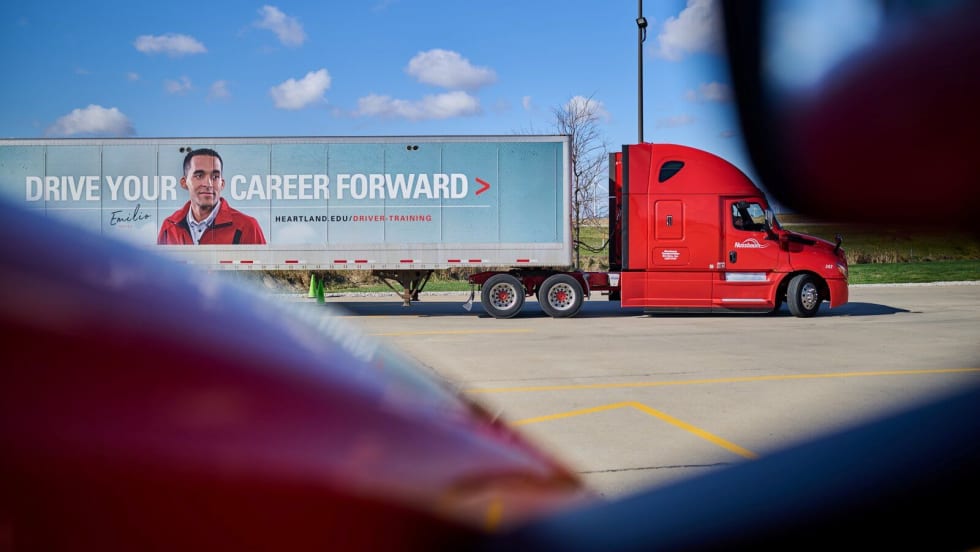
Nussbaum Expands Driver Compensation with Pay Raises, Profit Sharing
Nussbaum Transportation said its latest compensation package could push first-year driver earnings above $90,000 in key hiring markets.
Read More →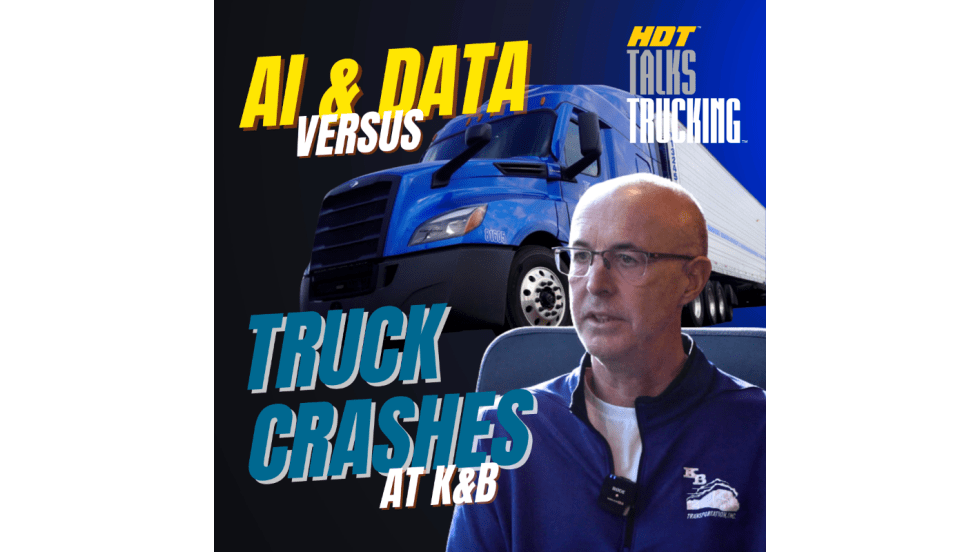
Listen: Inside Modern Fleet Safety: AI, Cameras & Speed Control at K&B Transportation
Fleet safety is evolving fast—and technology is at the center of it. Learn how a former commercial vehicle enforcement officer turned director of safety at K&B Transportation is embracing real-world safety technology.
Read More →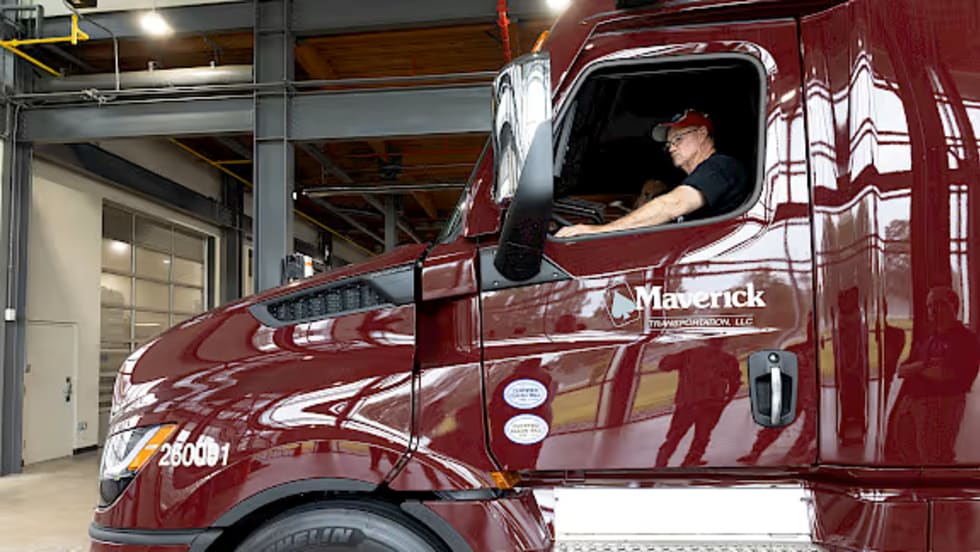
Maverick Announces 2026 Driver Pay Raises
New raises for Maverick Transportation drivers will take effect on May 31, 2026.
Read More →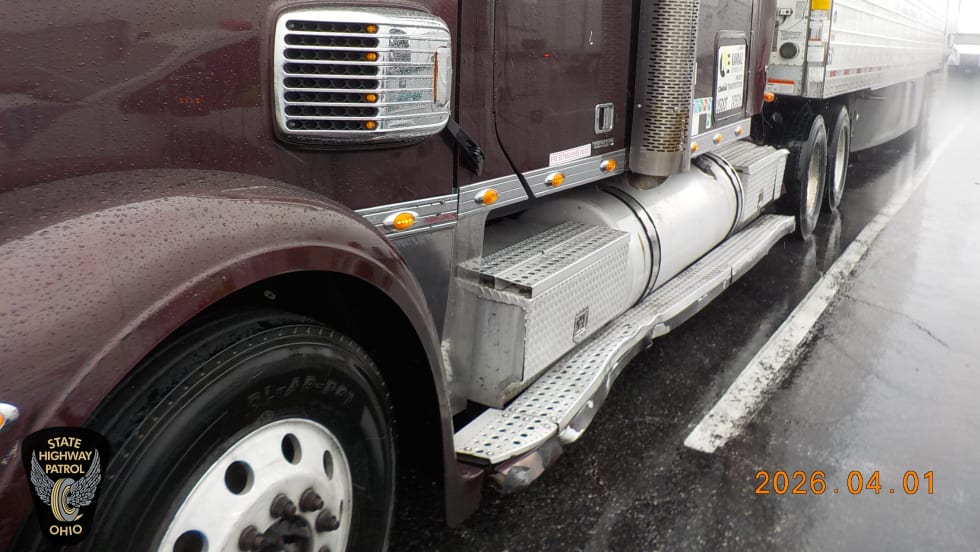
Illinois Trucker Indicted for Nearly $22,000 in Ohio Turnpike Toll Evasion
Authorities say an Illinois trucker avoided paying tolls for two years, and now faces felony charges, possible prison time, and forfeiture of his Freightliner tractor.
Read More →