




Increased Investment in Rural Transportation System Key to Keeping Freight Moving
The government needs to invest more in America's rural transportation system to keep agriculture, new energy products and freight moving, according to the American Association of State Highway and Transportation Officials' newest stud
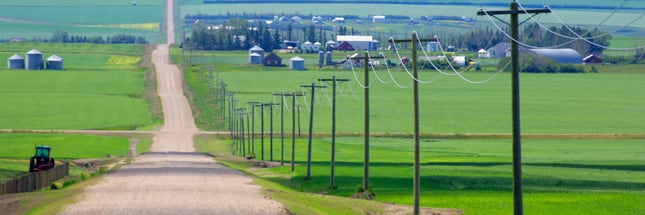
In the U.S., 66 cities with populations of 50,000 or more do not have immediate access to the Interstate system.
The government needs to invest more in America's rural transportation system to keep agriculture, new energy products and freight moving, according to the American Association of State Highway and Transportation Officials' newest study
, Connecting Rural and Urban America.
The report points out that rural areas need more attention to improve access for the travel, recreation and tourism industries; to connect new and emerging cities; and to ensure reliable access to key defense installations.
"Improving connectivity and mobility for the 60 million Americans who live in rural areas is just as important as improving mobility for those who live in metropolitan areas," said John Horsley, executive director of the AASHTO. "Rural states are essential to the nation's success, not only to meet the needs of their own citizens, but also to maintain their part of the national network on which the U.S. economy depends."
The Rural Problem
According to the report, there are 66 cities with populations of 50,000 or more that do not have immediate access to the Interstate system.
During the next 30 years, 80 percent of the nation's population growth is expected to concentrate in the South and West.
In 2008, almost one out of eight people aged 65 and older lived in rural areas. This elderly population exceeds 9.6 million people and relies heavily on rural roads and public transit systems for their transportation.
In addition, many of the nation's most popular tourist destinations, including ski slopes, seashores, and national parks, experience significant traffic delays. Many of these destinations are not close to Interstate or National Highway System routes, the report found.
"Arkansas is a rural state with many more highway needs than funds to meet those needs," said Dan Flowers, director of the Arkansas State Highway and Transportation Department and president of Southeastern Association of State Highway and Transportation Officials. "We have over 16,000 highway miles in our system - 12th largest state highway system in the nation. While nationally there are cities with populations over 50,000 that are not served by an interstate - we have a city of 20,000 not even connected to an interstate with a four-lane highway - El Dorado."
"In Mississippi, we're fortunate to have waterways, ports, highways, and rail, but we must ensure that all rural states have good transportation options that will enable them to generate jobs and create strong economic growth," said Larry L. "Butch" Brown, AASHTO president and Mississippi DOT executive director.
Some Possible Solutions
In its report, the AASHTO offers a three-point plan to improving the connectivity of rural and urban America.
According to its plan, AASHTO believes any reauthorization of federal transportation legislation should:
* Continue to fund rural portions of the Interstate Highway System and other federal-aid highways that connect America.
* Double federal investment in rural transit systems to meet rising demand.
* Expand the existing capacity of the Interstate system; upgrade rural routes to Interstate standards; and connect newly urbanized areas to Interstate system.
The report also finds that rural economic development efforts depend on access to Interstate and National Highway System routes.
"Rural roads are critically important to the success of our industry," said Marvin Childers, president of The Poultry Federation. "Getting feed delivered to our farms and the chickens, turkeys and eggs delivered from the farms to our processing plants in a timely manner must take place for our industry to succeed. Trucking is a critical mode of transportation for rural America. It carries 70 percent of agricultural and food products and provides the link between farmers, manufacturers, processors and markets. We cannot survive without a quality transportation system. Improving and keeping our transportation infrastructure in good repair is very, very important to the economy of this region."
Connecting Rural and Urban America is the third in a series of reports generated by AASHTO to identify the need to increase capacity in our transportation system to unlock gridlock, generate jobs, deliver freight, and connect rural and urban America.
For more information, go to expandingcapacity.transportation.org.
More Drivers
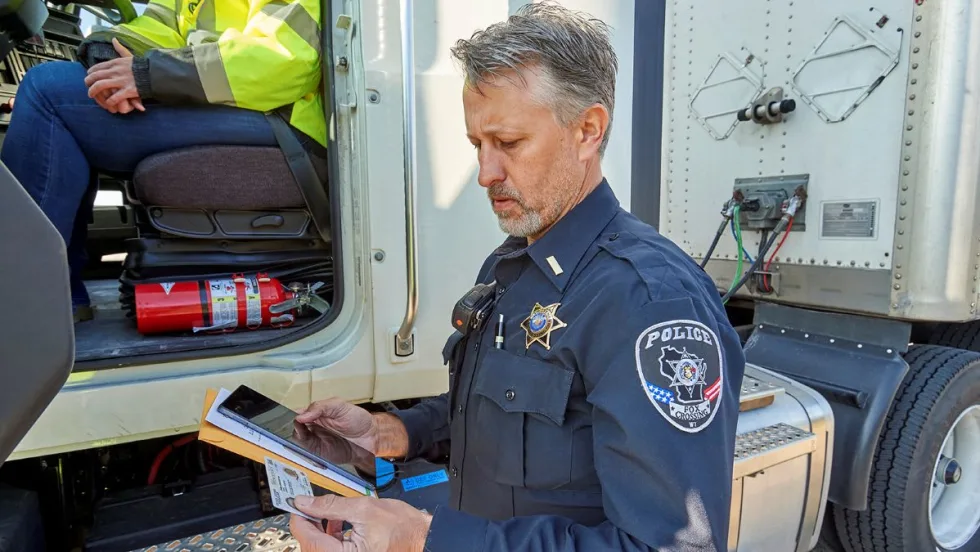
When Language Stops the Truck: The Return of ELP Out-of-Service Orders
English language proficiency rules for commercial drivers aren’t new, but renewed out-of-service enforcement has raised the stakes. Here’s what carriers need to know before a driver reaches a roadside inspection.
Read More →
Samsara Launches Custom AI Agent Builder
Agent Studio lets fleets create AI tools for hours-of-service monitoring, reporting and driver support, including agents that communicate by phone.
Read More →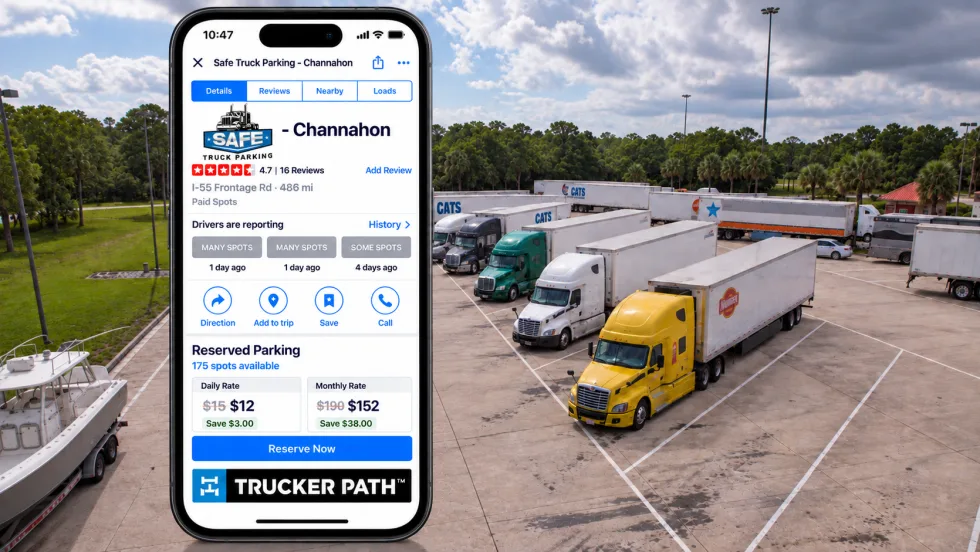
Trucker Path Expands Reserved Parking Network
Trucker Path has added close to 6,000 more truck parking spaces to its Trucker Path Reserved Parking Network with the addition of Safe Truck Parking.
Read More →
EEOC Sues Texas Trucking Company Over Driver Age Limits
The agency says Trancasa USA rejected applicants over 65 and applied tougher driving-record standards to those over 60.
Read More →
Nussbaum, Roehl Announce Second Driver Pay Increase This Year
This year has seen a swath of major truck driver pay increases as freight capacity has tightened.
Read More →
From One Generation to the Next: How Mentorship Builds Safer Truck Drivers
After three decades in trucking, Harold Perry shares what he's learned about driver safety, mentorship, and helping the next generation build confidence behind the wheel.
Read More →
Truck Drivers Need More Than Another Alert
Fleets have more visibility into truck health, safety events, and driver activity than ever. The next challenge is turning all that information into useful guidance for the person who has to decide what to do next.
Read More →
FMCSA Removes 110 Truck Driver Training Schools from Certified ELDT List
Federal regulators also are targeting more than 160 additional training providers and launching a nationwide audit of third-party CDL skills testers as part of a broader crackdown on trucking fraud.
Read More →
Hours of Service Pilot Programs: FMCSA Readies for 2027 Rollout
Two pilot programs could eventually reshape hours-of-service rules, giving truck drivers options to pause their 14-hour clock or use longer split sleeper rest periods.
Read More →
Medical Cards, English Proficiency Reshape Roadcheck Violations
Medical-card violations jumped to the top of the driver out-of-service list during CVSA’s 2026 International Roadcheck, while English-language proficiency violations appeared among the leading violations for the first time.
Read More →