




FMCSA Withdraws Driver Training Proposal, Will Start Over
The Federal Motor Carrier Safety Administration is withdrawing its proposed rule for entry-level driver training and will start over with a new proposal. The agency explained in a Federal Register announcement that there are substantive problems with the proposal it has been working on since 2007.

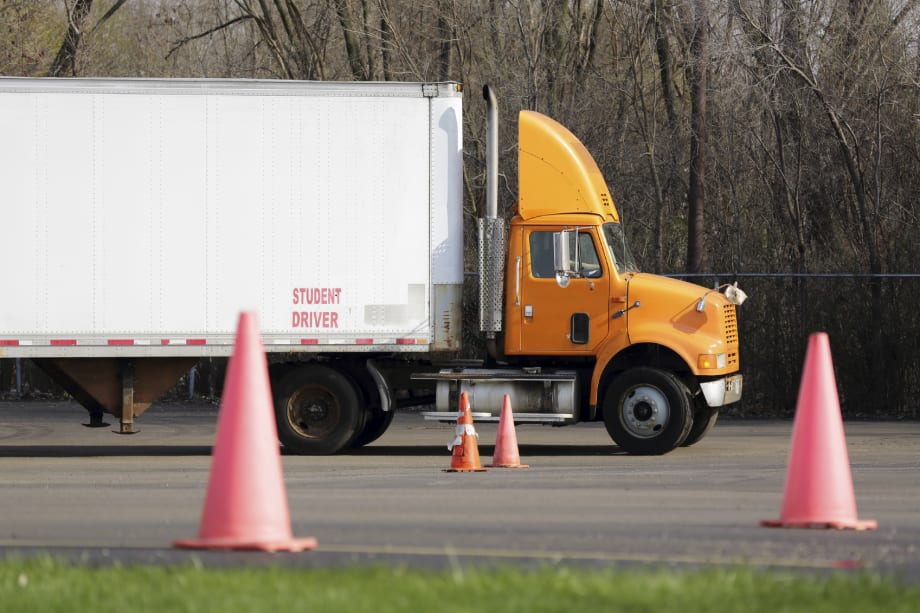
The Federal Motor Carrier Safety Administration is withdrawing its proposed rule for entry-level driver training and will start over with a new proposal.
The agency explained in a Federal Register announcement that there are substantive problems with the proposal it has been working on since 2007.
Comments on the proposal and recommendations from an advisory panel led the agency to conclude that it has to start over again.
The proposal would have required both classroom and behind-the-wheel training for applicants for a commercial license.
While most of the 700 comments on the proposal supported the concept of the training, views on the details were mixed, the agency said.
Some industry groups, for example, objected to the agency’s plan to require a specific number of training hours rather than a performance-based approach.
Also, there were objections to the agency’s plan to require driver training schools to be accredited by an agency recognized by the Education Department or the Council on Higher Education Accreditation.
Some said that the accreditation process would be too long and costly, and would not necessarily lead to better training.
In addition, some urged the agency to consider adding a graduated licensing system to the proposal, and others were concerned about how the behind-the-wheel portion of the training would be conducted.
Finally, the agency noted that last year’s highway bill added additional requirements to the regulation. It says the rule must establish a training regime that addresses safety performance and hazmat operations, and it must certify that applicants and trainers meet federal standards.
These add up to a significant change of direction for the rule, the agency said.
The agency does not spell out a schedule for a revised approach. It says it will solicit comments on what Congress ordered in last year’s highway bill. And it has two research projects under way on entry-level training, each looking at different aspects of the relationship between training and safety performance.
Related Stories:
"On the Road" Blog: Mandatory Entry-Level Driver Training: Is There a Better Way?
More Drivers

From One Generation to the Next: How Mentorship Builds Safer Truck Drivers
After three decades in trucking, Harold Perry shares what he's learned about driver safety, mentorship, and helping the next generation build confidence behind the wheel.
Read More →
Truck Drivers Need More Than Another Alert
Fleets have more visibility into truck health, safety events, and driver activity than ever. The next challenge is turning all that information into useful guidance for the person who has to decide what to do next.
Read More →
FMCSA Removes 110 Truck Driver Training Schools from Certified ELDT List
Federal regulators also are targeting more than 160 additional training providers and launching a nationwide audit of third-party CDL skills testers as part of a broader crackdown on trucking fraud.
Read More →
Hours of Service Pilot Programs: FMCSA Readies for 2027 Rollout
Two pilot programs could eventually reshape hours-of-service rules, giving truck drivers options to pause their 14-hour clock or use longer split sleeper rest periods.
Read More →
Medical Cards, English Proficiency Reshape Roadcheck Violations
Medical-card violations jumped to the top of the driver out-of-service list during CVSA’s 2026 International Roadcheck, while English-language proficiency violations appeared among the leading violations for the first time.
Read More →
Driver Trust Can Make or Break the Success of Fleet Safety Technology
New Teletrac Navman research suggests that onboarding, transparency about driver data, and positive feedback can play a significant role in how commercial drivers respond to safety and coaching technology.
Read More →
EEOC Sues KLLM Over Alleged Sex Discrimination in Driver Training
KLLM is facing a federal sex-discrimination lawsuit over policies the EEOC alleges put female truck driver trainees at a disadvantage.
Read More →
FMCSA Moves to Codify English Language Requirements for Commercial Drivers
By changing regulations on English-language proficiency requirements for commercial drivers, rather than relying on a guidance memo, the FMCSA said future administrations won't be able to walk back the Trump administration's stricter enforcement with just a memo.
Read More →
Drivers Put Western Star Trucks to the Test at Star Nation Experience
Watch to get an inside look at the Western Star trucks, technology, and community behind the Star Nation Experience 2026!
Read More →
Trump Administration Looks to Put More Veterans Behind the Wheel
The Freedom Haulers program pulls together existing and expanded programs at several federal agencies to recruit veterans to drive commercial heavy-duty trucks and cut the red tape for them to get a CDL, training, and employment.
Read More →